
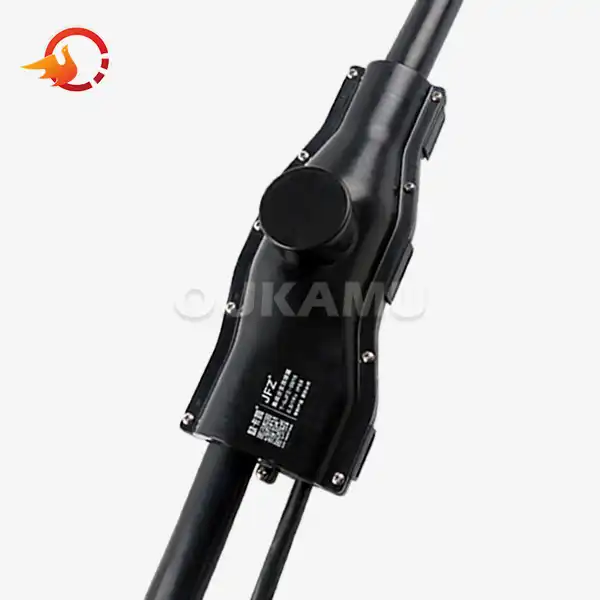
Why Armoured Cable Joint Kits Improve Project Reliability






 2026-10-20 15:39:39
View:389
When electrical connections fail in a mining shaft, steel plant, or petrochemical facility, the cost is never just the repair bill — it's hours of unplanned downtime, safety incidents, and production losses that follow. An armoured cable joint kit addresses exactly this risk. By combining mechanical protection, sealed insulation, and fire-resistant materials into a single connection system, these kits help industrial teams maintain supply continuity across high-vibration, high-moisture, and heavy-load environments. This article explains how the right cable jointing solution can meaningfully improve project reliability from installation day onward.
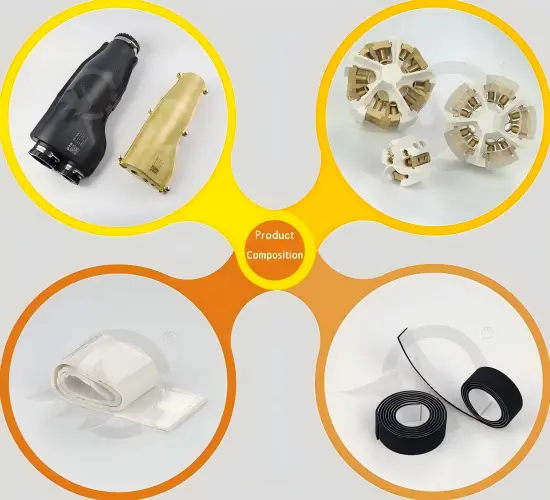

Understanding Armoured Cable Joint Kits and Project Reliability
What Makes a Joint Kit "Armoured"
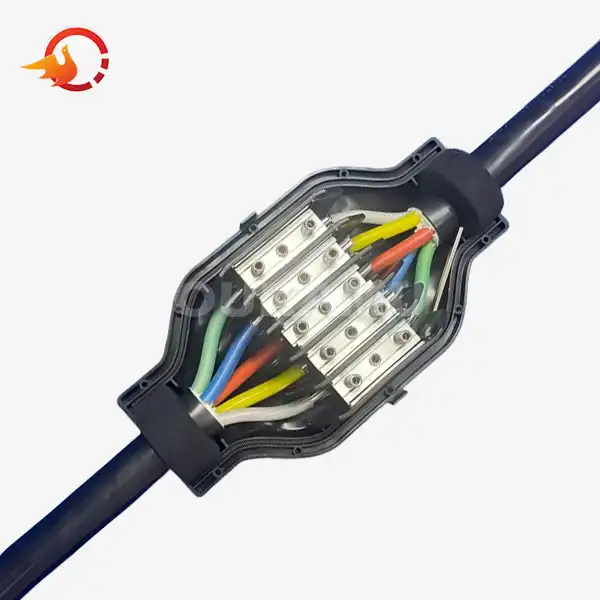
Standard cable ends protect the wire link, but armored versions do even more. They have reinforced mechanical housings or T-connector bodies that are made to handle shock, vibration, and compression from the outside. Even if the surroundings is rough or wet, the covering layer keeps the insulation layer in place.
How They Reduce Unplanned Downtime
In an iron ore mine or cement plant, a circuit can be tripped by a cable joint that is loose or worn down. This can stop the whole production line. With insulation resistance values above 500 M©, armored connection systems keep the contact resistance constant. This makes the chance of a mid-shift failure much lower.
Industrial Applications That Depend on Them
Electrical links in steel mill overhead cranes, mining haulage systems, petroleum pump motors, and water treatment distribution panels are all put under a lot of mechanical stress every day. In all of these situations, a properly rated cable branch joint increases the time between service calls and inspections.
Key Benefits of Using Armoured Cable Joint Kits in Projects
Protection Against Environmental Stress
Wiring systems in factories are exposed to humidity, corrosive air, and changes in temperature. A good armored joint kit has an IP68 rating for waterproofing and fire-resistant insulation that can withstand temperatures from 750 °C to 1,000 °C. This gives the connection a good safety margin against both flooding and fire spreading.
Compliance With Safety Standards
Electrical installations in heavy industry need to meet both national and international standards. The armoured cable joint kit model Oukamu FH-JFZ-35/16 meets GB/T 14048.7-2016 and other international safety standards. This gives procurement teams a record of compliance that meets audit and insurance requirements without the need for extra testing.
Cost Savings Over the Project Lifecycle
These are the main cost benefits of this connection system:
- No main cable cutting required: The branch connects directly to the live trunk cable, preserving its structural integrity and eliminating the rework costs that come with traditional splice methods.
- Saves 2–3 metres of main cable per connection point: In a large facility with dozens of branch circuits, the material saving alone justifies the unit cost.
- Reduced labor hours: Because no reserved cable length or pre-cut preparation is needed, installation crews finish branch work faster, lowering the per-point labor charge.
Over the course of a job, these saves add up. A building with 40 branch links can save a lot of money on wire materials and cut down on the time it takes to do the electrical fit-out.
Choosing the Right Armoured Cable Joint Kit: Comparison and Decision-Making
Heat Shrink vs. Cold Shrink vs. T-Connector Systems
Heat shrink kits need a way to heat things up and keep the temperature just right. When it's wet, cold shrink kits work faster, but they can be sensitive to how the surface is prepared. T-connector body systems, like the FH-JFZ-35/16, have insulation and seals built right into the connection, so they don't depend on the conditions at the assembly site.
Key Performance Metrics to Evaluate
The following table shows the FH-JFZ-35/16's rated technical features and shows what an appropriately defined industrial branch joint should do:
| Parameter | Specification |
|---|---|
| Voltage Rating | 0.6/1 kV |
| Withstand Voltage | 3.5 kV |
| Voltage Drop | < 3.2 mV |
| Insulation Resistance | > 500 MΩ |
| Fire-Resistant Temperature | 750–1,000 °C |
| Cable Compatibility | Flame-retardant, fire-resistant, mineral-insulated |
The people in charge of buying things should compare these parameters of armoured cable joint kit to the rates for fault current levels and ambient temperature in the electrical design papers for their building.

Cable Size Compatibility
Not all joint kits can be used with all cables. The FH-JFZ-35/16 can handle branch wires that are 2.5 mm³ to 16 mm³ and main lines that are 10 mm³ to 35 mm³. Re-specification cycles can be slow, so making sure the sizes are compatible before placing an order is faster.
Step-by-Step Guide to Armoured Cable Joint Kit Installation and Safety
Pre-Installation Checks
Before you start, make sure the cable cross-sections match the kit's instructions, check the T-connector body for damage from transport, and make sure the installation area is dry and free of any running machines. According to BS 7671, when armored wire goes underground, it should be buried at least 450 mm deep. In high-traffic areas, this depth should be raised to 600 mm. Before backfilling, sharp sand around the wire covers the sheath.
Installation Procedure
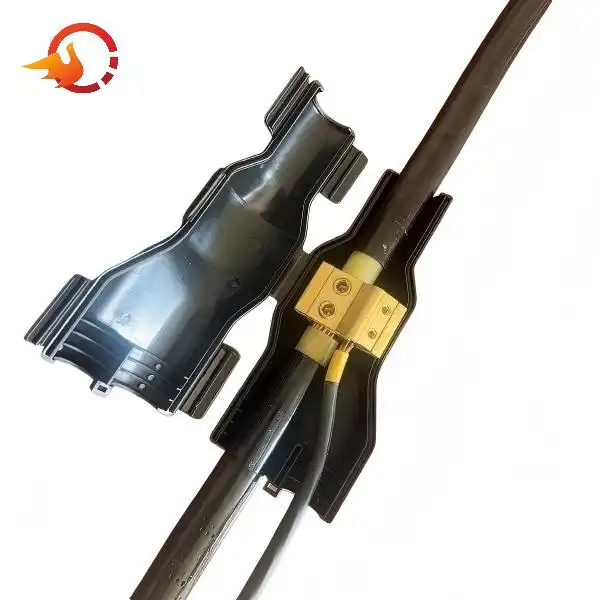
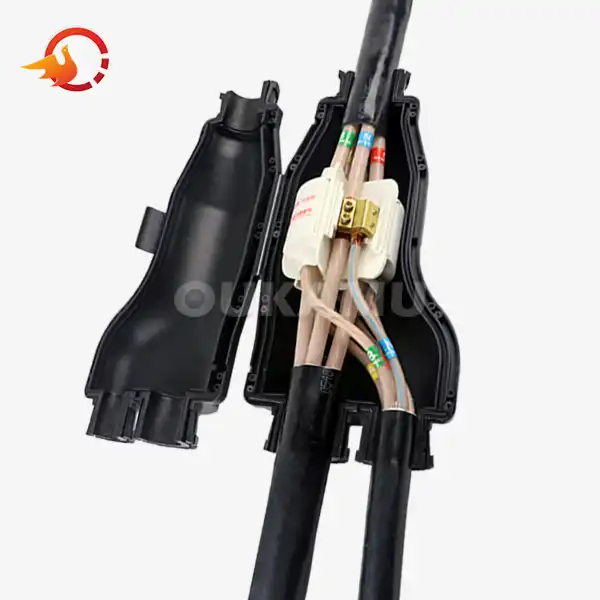
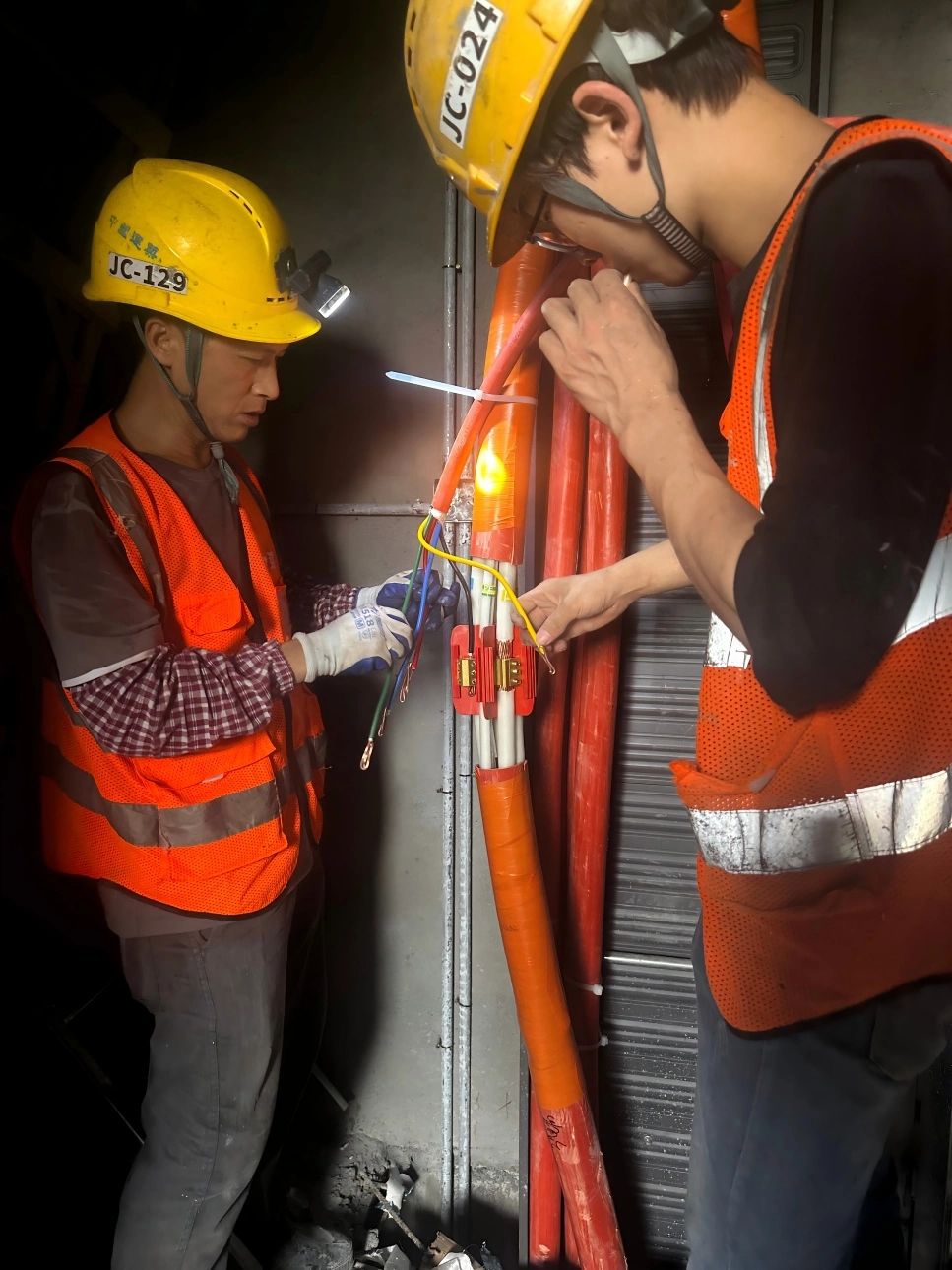
With the FH-JFZ-35/16, you don't have to cut the main cable, which makes the process a lot easier. Cut the branch cable to the right length, put the T-connector body on the main cable at the branch point you want, and then close the connection housing. The link is protected against water, dust, and rust by the built-in insulated body, so no extra tape or resin filling is needed.
Post-Installation Testing
Once the joint is closed, use a calibrated megohmmeter to check the insulation resistance and make sure it is higher than 500 MΩ. A hi-pot test at 3.5 kV confirms the integrity of the dielectric. Write down the test results and include them with the circuit record for the next check that is planned. Thorough testing after installation by a licensed electrician makes sure that the work is safe and meets all building codes.
Why Trusted Manufacturers and Certified Products Matter in Procurement
Certification as a Procurement Filter
A product that doesn't have a record of its approval that can be tracked increases the risk of an audit for armoured cable joint kit in industrial buying. Before they approve a supplier, buyers should ask for the GB/T 14048.7-2016 compliance certificate, the test report for withstand voltage and insulation resistance, and the manufacturer's production license.
The table below shows a comparison of the selection factors that purchasing teams usually use to look at armored cable joint suppliers:
| Evaluation Criterion | What to Verify |
|---|---|
| Product Certification | GB/T 14048.7-2016 or equivalent |
| IP Rating | IP68 minimum for wet/underground use |
| Custom Size Availability | Non-standard cross-sections on request |
| Lead Time (MRO) | 1–2 weeks for standard sizes |
| After-Sales Support | Technical response within 24 hours |
Oukamu's 20-Year Track Record
Over the past 20 years, Xi'an Oukamu Electric Co., Ltd. has been focusing on cable branch link technology. The research team of the company came up with T-connector body jointing methods that are now used across the industry. The company's goods have been used in industrial parks, hospitals, and mines in several countries.
Real-World Case: Hospital Electrical Upgrade
The Mengchao Hepatobiliary Hospital of Fujian Medical University chose Oukamu's cable branch joint technology for its electrical installation because the design called for branch connections every so often along trunk cable runs. The T-connector system let electricians precisely place each branch point without cutting the main supply cable. This kept the power on during the installation phase. The wire plan was cleaner, the installation time was cut down, and each branch point had an IP-rated seal that could be checked.
Conclusion
In heavy industry, the dependability of the electricity depends on how well the connections are made at every branch point. The most common reasons why joints fail are moisture, vibration, and temperature stress. An armoured cable joint kit with fire-resistant insulation, sealed mechanical safety, and compatibility with standard armored cable sizes gets rid of all of these problems.
The Oukamu FH-JFZ-35/16 has been tested and proven to work in all three types of failure scenarios. It also cuts down on trash and installation time. One of the best ways for procurement teams to save money on MRO cycles or capital project fit-outs is to choose a certified, factory-tested branch joint kit.
FAQ
What is an armoured cable joint kit used for?
An armored cable joint kit joins two or more armored cable sections together or taps a branch cable from a trunk. It does this while keeping the original cable's mechanical and electrical protection. It is often used in places where shaking and wetness are constant, like mines, steel plants, petrochemical plants, and water treatment plants.
Does the FH-JFZ-35/16 require cutting the main cable?
Not at all. The FH-JFZ-35/16 T-connector system lets you connect the branch cable straight to the trunk cable, without having to cut it. This protects the structural integrity of the main cable and lets the branch point be placed anywhere along the run.
What cable sizes does the FH-JFZ-35/16 accept?
The kit works with main cables that are 10 mm³ to 35 mm³ and branch cables that are 2.5 mm³ to 16 mm². This means that it can be used for most low-voltage distribution tasks in industrial buildings.
How deep should armoured cable be buried?
As a general rule, the minimum depth of burial should be 450 mm, but it should be 600 mm in places where the ground is likely to shift. Sharp sand should be used to cover the wire, and electrical tape should be put on top of it before the hole is filled back up.
Is the FH-JFZ-35/16 compliant with international standards?
Yes. The product meets international safety standards for flame-resistant and fire-resistant wire systems and is in line with GB/T 14048.7-2016.
Get a Quote From Oukamu — Armoured Cable Joint Kit Supplier
For 20 years, Oukamu has given mine, industrial, and heavy manufacturing plants armored cable joint kits. Just give us a call, and we'll let you know within one business day if you need standard FH-JFZ-35/16 units for MRO stock or a unique cross-section for a big job. To begin the technical review, go to okmbranchcable.com or email info@okmbranchcable.com with the details of your cable.
References
1. Institution of Engineering and Technology. IET Wiring Regulations: BS 7671 Requirements for Electrical Installations. 18th Edition, 2018.
2. International Electrotechnical Commission. IEC 60529: Degrees of Protection Provided by Enclosures (IP Code). IEC, 2013.
3. Stanforth, R. Cable Jointing and Terminating: A Practical Guide. ERA Technology, 2005.
4. National Fire Protection Association. NFPA 70: National Electrical Code. NFPA, 2023.
5. British Standards Institution. BS EN 50393: Test Methods and Requirements for Accessories for Use on Distribution Cables. BSI, 2014.
6. International Electrotechnical Commission. IEC 60702-1: Mineral Insulated Cables and Their Terminations — Cables. IEC, 2002.