
How to Specify Waterproof Cable Joints Meeting IEC IP68 Standards






 2026-10-20 15:33:25
View:389
Specifying the right cable waterproof joint starts with understanding IEC IP68 — the international standard that certifies a connector can withstand continuous submersion in water beyond one meter depth for extended periods, while maintaining complete dust exclusion. For procurement managers sourcing electrical materials for basements, direct-burial runs, or outdoor distribution panels, choosing a joint that meets IP68 protects both the installation and the project's final inspection outcome. This guide walks through every specification factor you need to evaluate before placing an order.
Understanding Waterproof Cable Joints and IEC IP68 Standards
What a Cable Waterproof Joint Actually Does
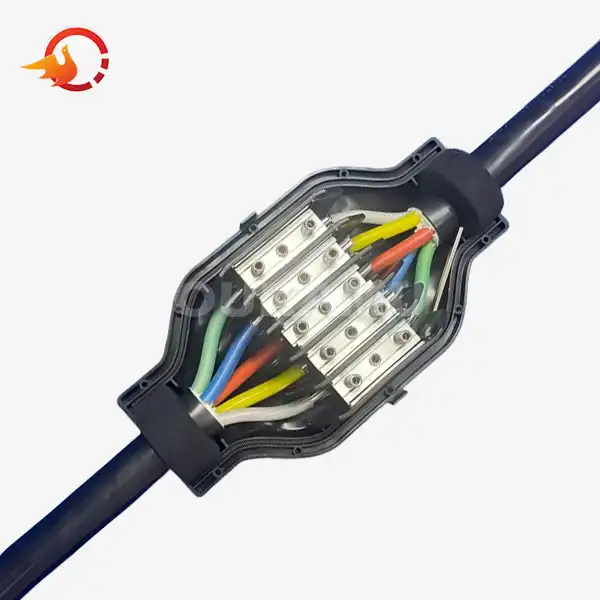
A cable waterproof joint holds two cable segments together or a trunk cable and a branch cable together in a safe, sealed way. It stops wetness, dust, and mechanical stress from getting to the point where the conductors join. Even small amounts of water can weaken insulation and lead to arc flaws over time in underground utility runs or basement distribution systems.
How the IEC 60529 IP Rating System Works
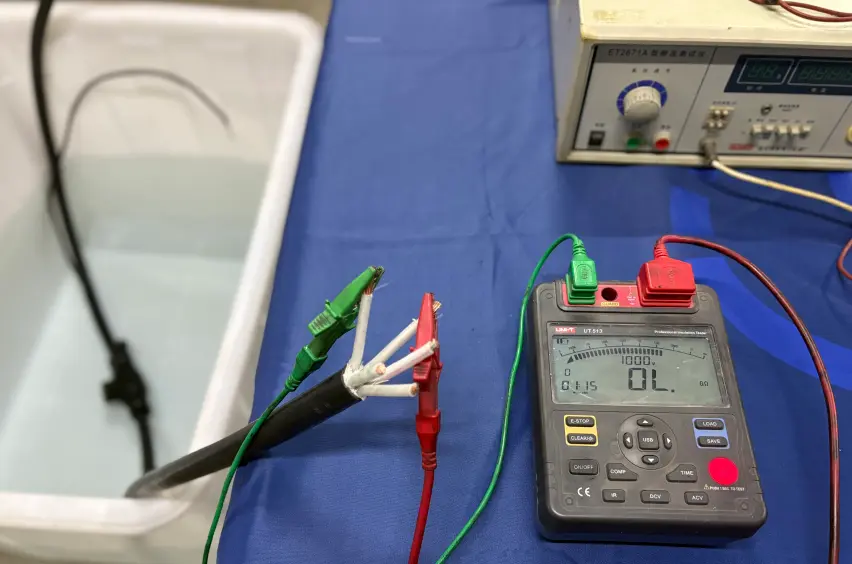
The IEC 60529 standard uses two digits to describe water protection values. The first number (6) proves that there is no dust at all. The second number (8) means that the product is waterproof up to a certain depth and for a certain amount of time, according to the maker. IEC 60529 says that goods with an IP68 rating must pass both tests on their own before they can be certified.
Why IP68 Matters for B2B Procurement
Including IP68-rated connections in a project's bill of materials gives procurement managers proof of compliance that can be shown during inspections. When electrical continuity is important, like in hospitals, schools, and business buildings, IP68 approval lowers the chance of having to redo work after pressure testing or when yearly changes in the water table affect underground conduit runs.
Key Specifications and Selection Criteria for IEC IP68 Waterproof Cable Joints
Material and Sealing Technology Comparison
| Sealing Technology | IP68 Suitability | Installation Method | Best Application |
|---|---|---|---|
| Gel-filled | High | Tool-free, mechanical clamp | Direct burial, submerged wells |
| Heat shrink | Medium to High | Heat gun needed | Dry to Damp Environments |
| Cold shrink silicone | Medium to High | Pre-expanded, roll-off | Outdoor above-grade joints |
| Epoxy resin fill | High | Two-part pour, cure time needed | Static underground installations |
Electrical and Mechanical Parameters to Verify
Buyers should check more than just the IP grade. They should also check the rated voltage compatibility, current-carrying ability, conductor cross-section range, and temperature class. The voltage rating of the wire must match the rating of the joint, which is 0.6/1kV. One of the main reasons site inspections fail is that the ratings don't match up.
Certifications and Compliance Documents to Request
Always ask suppliers to give you test reports from a third party that include references to IEC 60529 and any national standards that apply to the cable waterproof joint. For projects in China, GB/T 4208 is the IP testing standard used there. Ask for a copy of the test report, not just what the product brochure says. If a supplier can send you traceable paperwork within 24 hours of your inquiry, their quality systems are probably ready to be checked.
Step-by-Step Guide on Specifying and Installing Waterproof Cable Joints Meeting IEC IP68
Step 1 — Define the Environmental Exposure Class
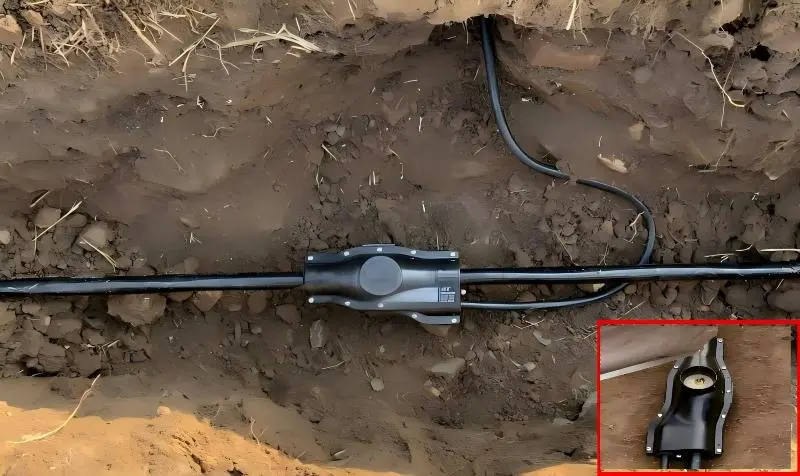
Before choosing a product, write down where it will be installed. For example, will the joint go into a wet inspection well, a direct-burial trench, or an outdoor cabinet that is fixed on the ground? Different amounts of atmospheric pressure are needed for each situation. A joint in a basement cable pit might flood sometimes, but a joint that is buried directly in the ground is always wet and under pressure.
Step 2 — Match Cable Dimensions to Joint Specifications
Cross-section mismatch is the main reason seals fail. Before you place your order, make sure that the outer width of the main cable and the cross-section of the branch cable conductor match the cable waterproof joint's stated range. As an example, Oukamu's T-GJFZ-16/10 is designed to work with main cables that are between 4 and 16mm and branch cables that are between 1.5 and 10mm. This means that it can be used for a wide range of common low-voltage branch distribution needs in both household and business projects.
| Parameter | Specification |
|---|---|
| Model | T-GJFZ-16/10 |
| Rated Voltage | Low-voltage branch distribution |
| Main Cable Range | 4 ~ 16 mm |
| Branch Cable Range | 1.5 ~ 10 mm |
| Sealing Method | Gel-filled, double safety protection |
| IP Rating | IP68 |
| Installation Type | Concealed in wells or directly buried |
| Main Cable Treatment | No cutting required |
Step 3 — Verify Installation Method Against Site Conditions
For some joints, you need special tools or more time to install them. With the T-GJFZ-16/10, there is no need to cut the cables or reserve a certain length ahead of time. This directly lowers the cost of work per connection point. If there are 200 branch points in a multi-floor residential project, not reserving cables at each one can save days of work and several hundred meters of material.
Comparing Market-Leading Solutions for IP68 Waterproof Cable Joints
IP68-rated branch plugs are made by a number of companies around the world. International brands like 3M, Raychem, and Hellermann Tyton are well known in Western markets and have product lines that have been tested and proven to work in harsh conditions. Each brand has a different focus. For example, Raychem focuses on heat shrink technology for high-voltage parts, while 3M's gel-filled systems are aimed at low-voltage distribution.
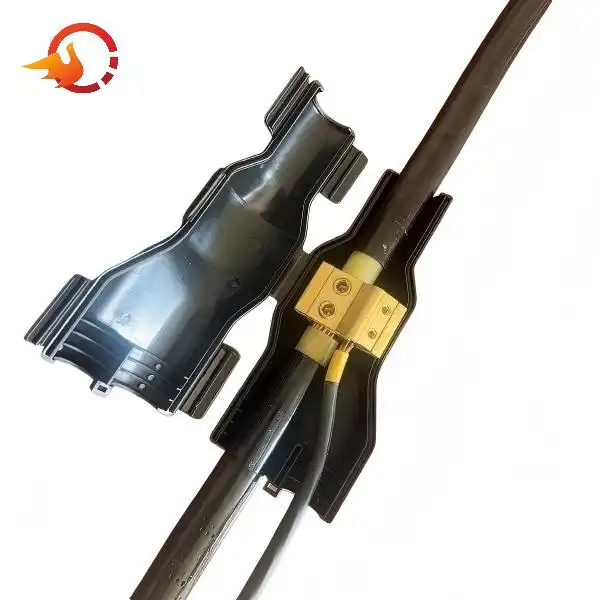
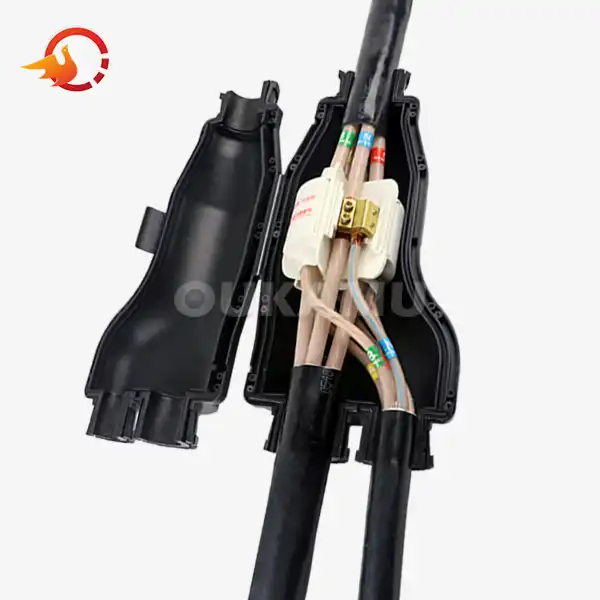
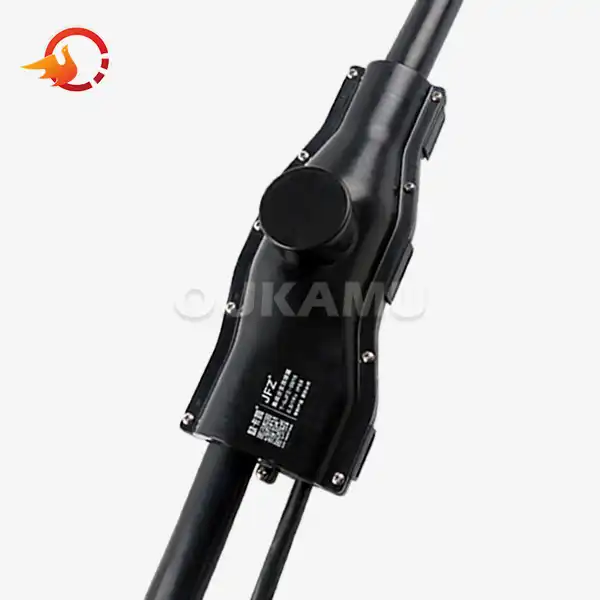
As a manufacturer that has worked on branch cable waterproof joints for 20 years, Oukamu is in a unique situation. The T-GJFZ-16/10 has a small body that has both gel-filled insulation and waterproof sealing built into it. This gives it two layers of protection without the need for extra parts. The design of its tool-free branch connection works especially well for mid-sized MEP workers who need to quickly place things on a lot of floors or in different parts of a building.
Here are the core protection and installation advantages of the T-GJFZ-16/10:
- No main cable cutting required: The T-connector clamps directly onto the intact main cable, protecting the conductor's integrity and getting rid of the step that takes the most time in traditional branch connection methods.
- Gel-filled double sealing: Dielectric gel fills every gap in the connector housing, making sure that IP68 protection stays in place even after years of being underground or moving with the ground or going through heat cycling.
- Compact body for tight spaces: The joint can be used in cable trays, underground junction boxes, or narrow vertical shafts that bigger junction assemblies can't go in because they would bend the cables past their minimum radius.
- Flame retardance and anti-corrosion properties: The material used for the housing doesn't corrode electrochemically and doesn't catch fire, so it meets the standards for materials used in hospitals and businesses.
In live project sites where repair is not possible, these benefits directly address the installation speed and safety needs that MEP procurement managers face.
Application Case — Basement Distribution in a Commercial Office Building
As part of a recent office building project with multiple floors, the site team had to set up 60 branch tap points off of a 16mm trunk cable that ran through a partially flooded utility corridor in the basement. Using the usual methods for joining, each branch would have needed the main cable to be cut, spliced, and sealed, which would have taken about four hours of work per point. The team made each connection in less than 30 minutes by using IP68-rated gel-filled branch connectors that didn't require any cuts. They passed the waterproofing pressure test on the first inspection.
Maintenance, Troubleshooting, and Long-Term Performance Assurance
Inspection Protocol for Buried and Submerged Joints
Visual checks for housing deformation, gel migration, or signs of insulation tracking should be part of regular inspection cycles. These should happen every year for joints that are buried and every six months for joints in wet areas that can be reached. If they were fitted properly at commissioning, gel-filled connectors usually don't need any upkeep in between checks.
Identifying Common Failure Points
Moisture usually gets in through one of three places: the wrong cable size compared to the connector's range, the clamping mechanism not being fully closed during installation, or damage to the connector's mechanism from soil settlement. All of these types of failure can be avoided by checking the dimensions before installation and the force after installation.
When choosing a cable waterproof joint provider, make sure you get a written copy of the warranty period, the list of defects that the guarantee covers, and information on how quickly replacement units can be sent. Large MEP contracts usually have short procurement cycles. To support these cycles, suppliers who keep stock in local warehouses and can react to sample requests within 48 hours are in a better position.
Conclusion
It takes more than reading the label to find a cable waterproof joint that really meets IEC IP68 standards. It needs a thorough look at the sealing technology, connection compatibility, approved test results, and fitting method. Because they don't cut the trunk cable, gel-filled connectors like the Oukamu T-GJFZ-16/10 deal with the real cost drivers in direct-burial and basement distribution work: time spent on labor, waste of materials, and inspection pass rates. The easiest way to get a compliant, low-maintenance fix is to match the right product to the known elements of the spot.
FAQ
How do I verify that an IP68 rating is genuine and not self-declared?
Ask for the third-party test result from a recognized testing facility, citing IEC 60529 or GB/T 4208. The report should say the exact depth and length of time of immersion that were tested. Product papers that say IP68 but don't have a test report number should be taken as unreliable.
What is the difference between gel-filled and heat shrink waterproof joints?
Gel-filled joints seal by filling all the empty spaces inside with dielectric material. They don't need heat tools and work well even if the housing bends a little over time. To make heat shrink joints, you need adhesive-lined tubing that sticks to the cable jacket when it gets hot. For straight burial and permanently submerged uses, gel-filled designs are usually better because they keep their seal without needing a constant adhesive link.
Can cable waterproof joints handle both flame-retardant and fire-resistant cable types?
Yes, as long as the material used for the joint covering is rated to match. The Oukamu T-GJFZ-16/10 can be used with flame-retardant, fire-resistant, and mineral-insulated fire-resistant cable types. It can handle most cable specifications used in both business and domestic building.
How should I handle size selection when a project has mixed cable cross-sections?
Go through your cable schedule and put the branch points into groups based on the diameter of the trunk and branch cables. Ask the seller for a table that shows how different connector types fit with different wire sizes. When you order based on a confirmed plan, the most common cause of on-site cable waterproof joint mismatch delays goes away.
Partner with Oukamu for Certified IP68 Cable Waterproof Joint Solutions
For more than 20 years, Xi'an Oukamu Electric Co., Ltd. has been a leader in branch cable connectors. Their products meet all of the low-voltage distribution needs of both commercial and residential buildings. As a company that makes direct cable waterproof joints, Oukamu offers IP68-certified gel-filled connections, test documents that can be tracked, OEM services, and fast sample shipping. To get a product datasheet and bulk prices, send your wire plan and project needs to info@okmbranchcable.com or go to okmbranchcable.com.
References
1. International Electrotechnical Commission. IEC 60529: Degrees of Protection Provided by Enclosures (IP Code). IEC, 2013.
2. National Electrical Manufacturers Association. NEMA 250: Enclosures for Electrical Equipment (1000 Volts Maximum). NEMA, 2020.
3. Whitfield, J. Electrical Craft Principles, Volume 2. Institution of Engineering and Technology, 2008.
4. Electrical Installation Guide. Protection Against Electric Shock and Fire. Schneider Electric, 2022.
5. British Standards Institution. BS EN 60529: Specification for Degrees of Protection Provided by Enclosures. BSI, 2004.
6. Chakravorti, S., Dey, D., & Chatterjee, B. Recent Trends in the Condition Monitoring of Transformers: Theory, Implementation and Analysis. Springer, 2013.