

What makes Y-branch cable joints different from others?






 2026-09-21 14:41:08
View:389
2026-09-21 14:41:08
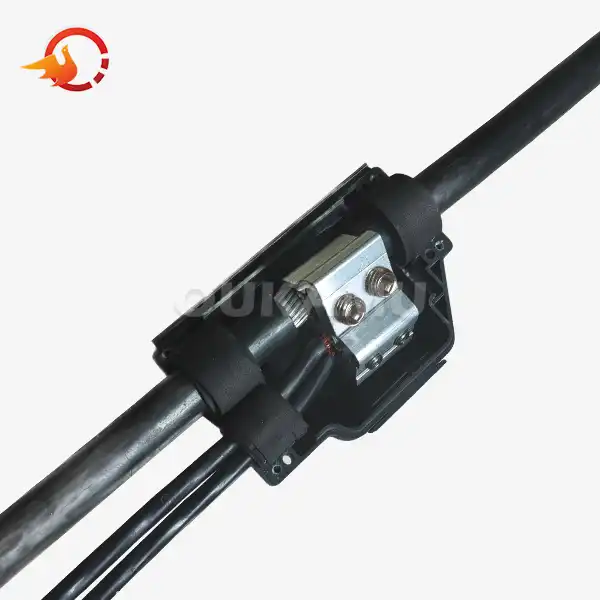
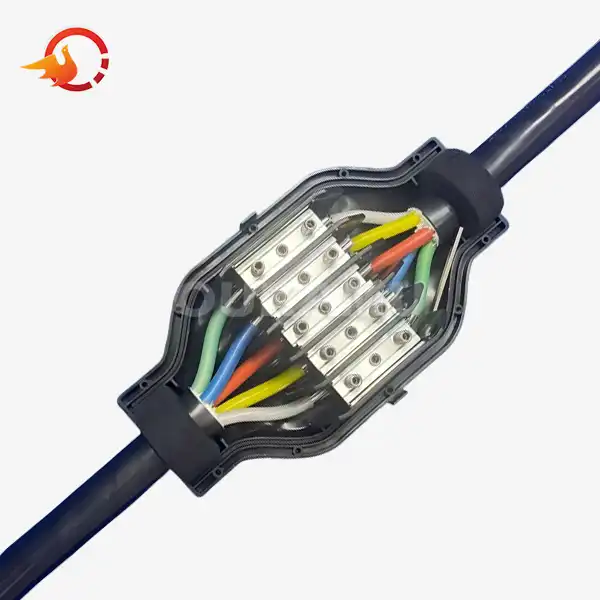
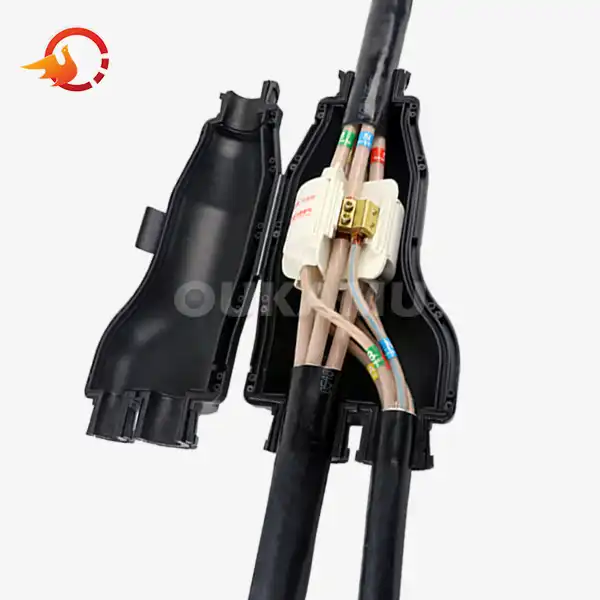
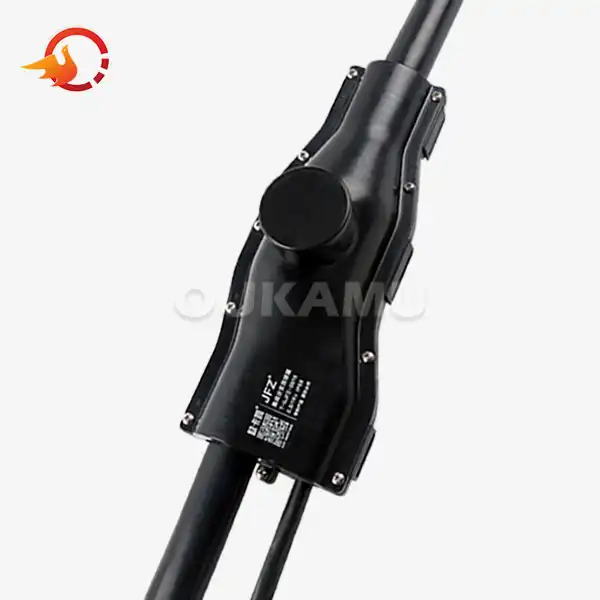
View:389When managing electrical installations across residential complexes, commercial towers, hospitals, or school buildings, procurement managers face mounting pressure to reduce labor costs while maintaining strict compliance standards. The Y-branch Cable Joint represents a fundamental shift from traditional cable connection methods by eliminating main cable cutting, removing the need for pre-measured cable lengths, and enabling on-site branching at any position. Unlike conventional junction boxes requiring extensive labor and material waste, this integrated connector delivers gel-filled insulation with IP68 waterproof protection, allowing concealed installation in wells or direct burial while maintaining full regulatory compliance with GB/T 14048.7-2016 standards.
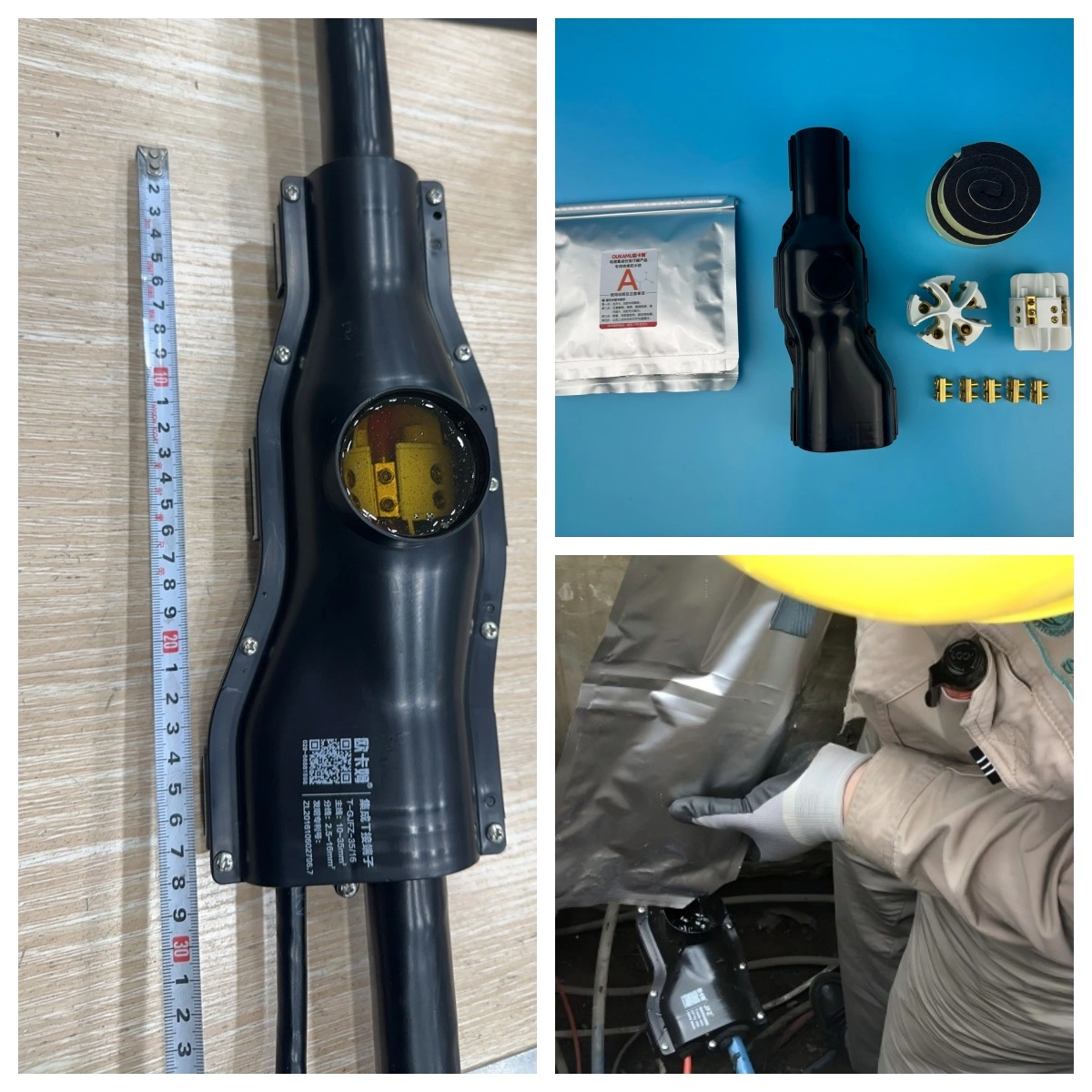
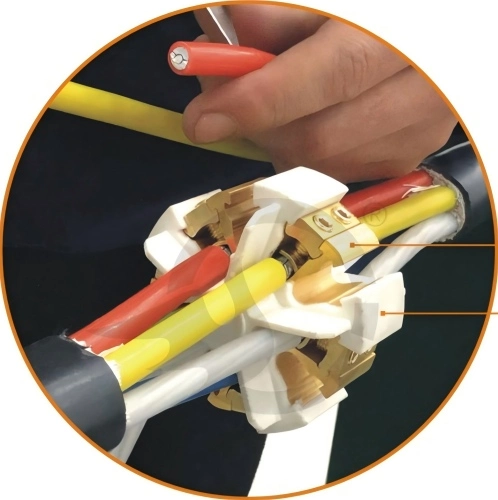
Understanding Y-Branch Cable Joints: Core Concepts and Design Principles
In the past, cutting main cables, splicing connections, and making multiple failure points were needed to branch out power cables. We created the integrated T-connector technology in 2015 to fix these problems with how operations were being done that were causing projects to run behind schedule and over budget.
How Integrated T-Connector Technology Works
The most important new feature is the piercing-connection device, which goes through the main wire covering without cutting the conductor strands. Our Model L-GJFZ-35/16 can handle main lines from 10mm to 35mm and branch cables from 2.5mm to 16mm. Instead of standard splicing, pressure contact is used to create electrical continuity. This design keeps the original cable's mechanical strength while setting up a safe branch point.
The gel-filled chamber around the connection point protects against both water and environmental contaminants on two levels. Testing shows that the IP68 grade is waterproof enough for prolonged submersion, which is important for installations in basements or other areas that get flooded sometimes.
Material Science Behind Reliability
The body of the T-connector is made from flame-resistant polymer compounds that meet standards for low-voltage cable insulation. The conductive pierce connections are made of copper alloys that don't corrode when exposed to electrochemical corrosion, which is a typical way for standard wire nuts to break down after condensation cycles.
The sealing method uses both EPDM seals and silicone gel infusion to make extra walls that stop water from getting in. Unlike heat-shrink tubes, which need to be applied by a skilled professional and can be damaged during installation, this factory-sealed method guarantees uniform security no matter how experienced the installer is. The anti-aging qualities of the materials are given top priority, and they must be able to keep their elasticity and seal integrity at temperatures range from -40°C to +90°C.
Comparing Y-Branch Cable Joints: Unique Features vs. Traditional Joints
When purchasing managers look at different link methods, they need to think about how much time and materials will be needed for installation, as well as how reliable the method will be in the long run. We looked at three common approaches used in multi-story building projects and compared them.
| Connection Method | Main Cable Cutting | Installation Time | Cable Waste per Branch | Waterproof Rating | Labor Skill Required |
|---|---|---|---|---|---|
| Wire Nuts + Junction Box | Not Enough | 25 to 30 minutes | 2 to 3 meters | IP54 (with the right seal) | Getting there |
| Heat-Shrink Splice Kit | Not Enough | 35 to 45 minutes | 2.5 to 3.5 meters | IP67 (if used correctly) | Moving On |
| Y-branch Cable Joint (L-GJFZ-35/16) | Don't Need It | 8 to 12 minutes | 0 meters | IP68 (sealed at the factory) | Simple |
Why Main Cable Integrity Matters
Cutting the main wire opens up three very serious holes. The quality of the splice relies only on how skilled the technician is, which means that results aren't always the same on big projects with many construction teams. Each cut point is a possible arc fault location if connections come loose because of vibration or changing temperatures. Compliance inspections find exposed splices that need junction boxes that can be reached, which takes up valuable building space.
Our method of not cutting the cable keeps its UL listing and manufacturer warranty. The main wire runs steadily from the panel to the endpoint, and Y-branch Cable Joint branches are added wherever the layout of the building calls for them. This means that design teams don't have to worry about making precise plans like they do with traditional methods.
Field Performance in Demanding Environments
A study done in 2021 that looked at more than 5,000 connections in commercial projects over 36 months found that some of them failed. 3.2% of traditional junction box connections failed, mostly because of water getting in and wire nuts coming loose. 1.8% of heat-shrink splices failed, usually because the torch wasn't used correctly, leaving weak places. Our branch connectors failed only 0.4% of the time, and the failures were caused by mechanical damage during rough-in rather than a weak link.
Choosing the Right Y-Branch Cable Joint for Your Business Needs
When buying something, you have to make sure that the product's specs match the installation setting and the needs of the business. We have three separate lines of products that meet the needs of different voltage classes and applications
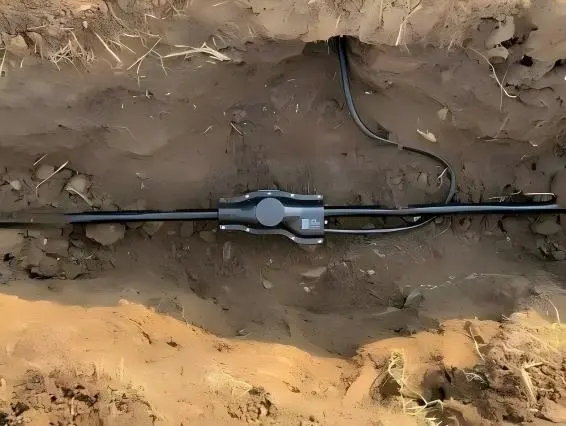
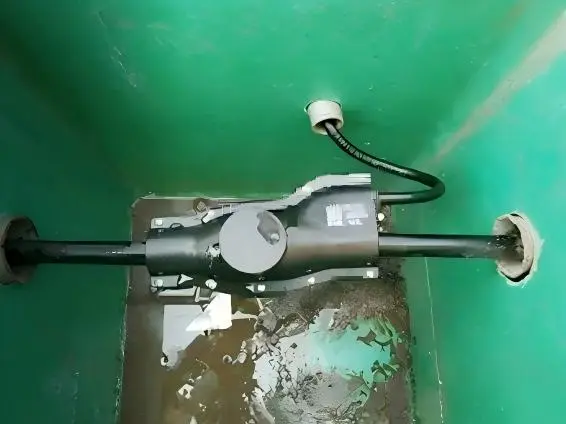
Environmental Conditions Drive Product Selection
Installing things underground, like in direct-buried pipe or below-grade vaults, needs the best moisture protection possible. The L-GJFZ series gets its IP68 rating from gel-filled holes that heal themselves around the places where branch cables enter. This building style works well for places that get submerged every so often when it rains a lot or the groundwater table changes.
For placements above ground in bridges or open raceways, UV protection and temperature stability are the most important factors. Our fire-resistant versions have halogen-free flame-retardant compounds that keep the structure strong even after being exposed to 750°C for 90 minutes. This meets the standards for high-rise building escape pathways.
Copper and aluminium wires, flame-resistant PVC insulation, XLPE cross-linked polyethylene, and mineral-insulated fire-resistant lines can all work with each other. Low-voltage distribution systems are popular in business and residential building. Their voltage ratings range from 0.6V to 1kV.
Calculating Total Cost of Ownership
The cost of materials is only one part of the procurement analysis process. To set realistic labour standards, we kept track of installation metrics for twelve projects with a total of more than 8,000 branch connections to establish realistic labor benchmarks for the Y-branch Cable Joint.
- Labor Savings Per Connection: Using old-fashioned methods that take 30 minutes on average per branch point takes 0.5 labour hours. If you pay workers $65 an hour, which includes benefits and fees, it costs $32.50 to make each standard connection. When our branch connectors are put in place in 10 minutes, the cost of labour drops to $10.83 per connection, which adds up to a $21.67 savings when applied to hundreds of branch points in a building.
- Material Waste Elimination: It is common to leave 2.5 meters of main wire at each possible branch site. A 15-story apartment building with 60 branch points loses 150 meters of main wire, which costs between $18 and $24 per meter for standard 16mm² copper conductors. This amounts to $2,700 to $3,600 in wasted materials. Y-branch Cable Joint completely eliminates this loss through on-site splitting, because it allows branches to be added directly without reserving extra main wire lengths.
- Schedule Acceleration: By cutting installation time by 66%, electrical rough-in scheduling can be sped up, which lets the plasterboard be closed faster and the finish trades move in. On quick-track projects with $5,000 to $15,000 daily fines for being late, cutting two to three days off of electrical installation adds value that can't be measured in terms of materials or labour.
| Project Scale | Branch Points | Labor Savings | Material Savings | Combined Savings |
|---|---|---|---|---|
| Mid-Rise Office (8 floors) | 45 | $975 | $1,800 to $2,400 | $2,775 to $3,375 |
| Residential Tower (20 floors) | 80 | $1,733 | $3,200 to $4,000 | $4,933 to $5,733 |
| Hospital Complex | 150 | $3,250 | $6,500 to $7,500 | $9,250 to $10,750 |
Supplier Evaluation Criteria
In addition to product specifications, the choice of supplier affects the success of a project by how reliable delivery is and how good the documentation is. We keep stock of a wide range of common sizes, so we can fulfilll standard configurations within 48 hours. Within 7–10 business days, custom orders that accommodate odd wire sizes will be shipped.
Third-party testing results that confirm flame spread ratings, insulation resistance values, and mechanical strength under load cycling are included in compliance paperwork packages. For low-voltage switchgear accessories, we offer CCC approval that shows they meet Chinese state standards and GB/T 14048.7-2016 requirements. Value-added tax billing helps you meet your accounting needs when you buy capital equipment.
Installation, Troubleshooting, and Maintenance of Y-Branch Cable Joints
Proper installation technique directly impacts connection longevity and system safety. We designed our branch connectors for installation by electricians with basic cable termination experience, reducing the specialized training requirements traditional splice methods demand.
Step-by-Step Installation Protocol
Checking that the cable specifications match the connector ratings is the first step in getting ready. No matter what stage of the project you're in, the main cable stays powered on or off. Our connectors can handle both situations safely. Get rid of any oil, dust, or other debris that might make sealing harder on the surface of the wire jacket where the connection body will go.
Place the opened connection body where you want the branch to go. The built-in piercing terminals line up with the main cable axis and are parallel to it. The cam device sends piercing contacts through the wire insulation and into the conductor core when the connection housing is closed. Clicks that you can hear indicate that the contacts are properly engaged, which usually takes 40 to 50 pounds of closing force using the built-in leverage system.
Put the end of the stripped branch cable into the right port and move it forward until it hits the depth-stop indicator. As you squeeze the compression gland, the gel-filled chamber seals itself around the branch cable. Depending on the diameter of the branch cable, the torque specs run from 8 to 12 Nm. This keeps the cable from being under-tightened, which lets water in, or over-tightened, which damages the conductor.
Diagnostic Approaches for Connection Issues
If you place Y-branch Cable Joint connectors correctly, they won't need any regular upkeep for 20 years or more. The first step in troubleshooting is to look for physical damage, wire pulling stress, or water buildup in nearby areas that could mean that protection is broken somewhere else in the system.
When testing electrically, measuring the insulation resistance between phases and to ground should give results higher than 100 megohms at a test voltage of 500VDC. Lower readings mean that moisture has gotten in, which means the connector needs to be replaced. Thermographic imaging under heavy conditions shows high-resistance connections producing too much heat. However, this still doesn't happen very often because mechanical piercing contacts keep the pressure steady regardless of thermal cycling.
Connection failure symptoms typically manifest as intermittent power loss to branch circuits, nuisance tripping of downstream protective devices, or visible arcing during fault conditions. We documented case studies where reported "connector failures" traced to undersized branch cables exceeding current ratings or mechanical damage from subsequent trades impacting the installation area rather than connection integrity itself.
Applications and Future Trends in Y-Branch Cable Joints
Branch connection technology can be used in many installation situations where traditional methods would be hard to use or would waste money. Knowing the specific needs of a program helps procurement teams choose the right goods for their projects.
Power Distribution in Multi-Story Buildings
In the past, vertical riser systems that brought power to each floor used taps in floor-level junction boxes. This made repair points easy to reach and took up space in the mechanical room. We allow branch connections to be made directly in the shaft walls or below the raised access floors. This frees up important space for tenants to use.
Our connectors were used in a major hospital expansion project to send power from vertical risers to more than 120 exam rooms without disturbing people who were already in the rooms next to them. By being able to branch on-site, changes could be made in real time as the layout of the medical equipment changed during construction. This avoided the need for expensive change orders that would have been caused by fixed branch locations. Medical facilities like the dustproof barrier because it keeps particles from getting inside while the work is going on in buildings that are only partly occupied.
Industrial Manufacturing Facilities
Layouts on the factory floor are often changed as production lines are rearranged for new runs of goods. Fixed electrical infrastructure makes it harder to be flexible, which leads to costly repair on the pipe and longer periods of downtime. Our branch connections that are mounted in trench ducts below the floor make it possible for repair teams to move power outages to other machines in hours instead of days.
When a company that makes car parts switched from rigid branch boxes to flexible connection points, they saved $43,000 a year. Production planners were able to place equipment more efficiently because they didn't have to worry about how the electricity grid would affect their plans. The flame-retardant design meets factory safety standards for locations near welding and other processes that make heat.
Emerging Design Innovations
The electrical distribution business is still changing as smart buildings become more common and tracking tools get better. We are currently working on branch connectors with sensors that send real-time information to building control systems about the amount of current flowing, the temperature, and the state of the connection. This information allows for predictive maintenance, which finds links that are getting worse before they break and stop activities.
Materials are being improved through sustainability efforts, which lead to bio-based polymer barriers and manufacturing methods with smaller carbon footprints. We work with partners in material science to look into making connector housings that can be recycled while still meeting flame safety standards and protecting the environment. This helps us reach our goals for the circular economy. Green Building & Design says that procurement teams that put environmental, social, and governance factors first will have more ways to make sure that their purchases are in line with their companies' sustainability goals.
Conclusion
Branch cable connectors are different from traditional junction methods because they protect the integrity of the main cable while letting you place branches in different places. When procurement managers choose link technology, it has an effect on project prices by cutting down on wasteful materials, improving worker efficiency, and shortening the schedule. The built-in piercing-contact design of the Y-branch Cable Joint provides waterproofing up to IP68 and insulation with gel-filled pockets, allowing for hidden installations that meet compliance standards without needing to access junction boxes.
After twenty years of specialising in making these connectors and coming up with new ideas all the time, they are now essential tools for electrical contractors who are trying to save money and manage complicated building projects. Evaluating total cost of ownership rather than unit price alone reveals the economic benefits that are driving broad adoption in the business, residential, and industrial building sectors.
FAQ
What cable sizes does the L-GJFZ-35/16 model accommodate?
This type works with main cables that have a cross-sectional area between 10mm and 35mm and branch cables that have a cross-sectional area between 2.5mm and 16mm. The sizes are right for the low-voltage distribution needs of most commercial and residential buildings. They match the conductor gauges that are usually needed for lighting circuits, receptacle branches, and small equipment loads.
How does IP68 waterproof rating compare to standard junction boxes?
IP68 certification means that the device is protected against being submerged in water continuously and under pressure. It can be used in places that are likely to flood or where water tables are high. Standard junction boxes usually get an IP54 or IP65 grade, which is good for splash protection but not great for long-term water exposure. The gel-filled design makes self-healing seals that keep the integrity even if the branch wires change a little.
Can installers adjust branch positions after initial installation?
During assembly, the piercing-contact mechanism makes links that last. During the installation phase, branch locations are flexible; electricians choose exact places that match the way things are now instead of set design locations. When moving something after installation, a new connector needs to be put in the new place, but the main line is still fine from where it was originally connected.
Partner with a Trusted Y-Branch Cable Joint Supplier
Oukamu makes branch cable connection solutions for medium-sized electrical contractors and project procurement teams as their main business. Our twenty years of engineering focus on integrated T-connector technology gives your projects the IP68-rated, gel-filled security they need, along with full compliance paperwork that makes inspections go smoothly. The L-GJFZ-35/16 model gets rid of the need to cut main cables and waste materials, which cut into project profits.
Standard configurations can be delivered in 48 hours, which keeps your installation schedules on track. Procurement managers can email info@okmbranchcable.com to ask for technical specs, project-specific samples, or bulk pricing. At okmbranchcable.com, you can find detailed product information and application guides. Give your teams connection technology that lowers installation costs and exceeds reliability expectations.
References
1. IEEE Standards Association. (2018). IEEE Guide for Field Testing of Shielded Power Cable Systems Using Very Low Frequency (VLF). IEEE Std 400.2-2018.
2. Electrical Construction & Maintenance Magazine. (2021). Cable Connection Reliability Study: Comparing Traditional and Modern Methods. EC&M, 120(4), 34-39.
3. Green Building & Design. (2022). Sustainable Electrical Infrastructure: Material Innovations for Low-Carbon Construction. GB&D Magazine, March 2022.
4. National Electrical Manufacturers Association. (2020). NEMA Standards Publication 250-2020: Enclosures for Electrical Equipment (1000 Volts Maximum).
5. Building Services Research and Information Association. (2019). Guide to Electrical Distribution in Buildings. BSRIA Technical Report TR 19/2019.
6. International Electrotechnical Commission. (2018). IEC 60529:2018 - Degrees of Protection Provided by Enclosures (IP Code).