

Waterproof Cable Joint Kit vs Heat Shrink Cable Joint






 2026-09-18 15:46:24
View:389
2026-09-18 15:46:24
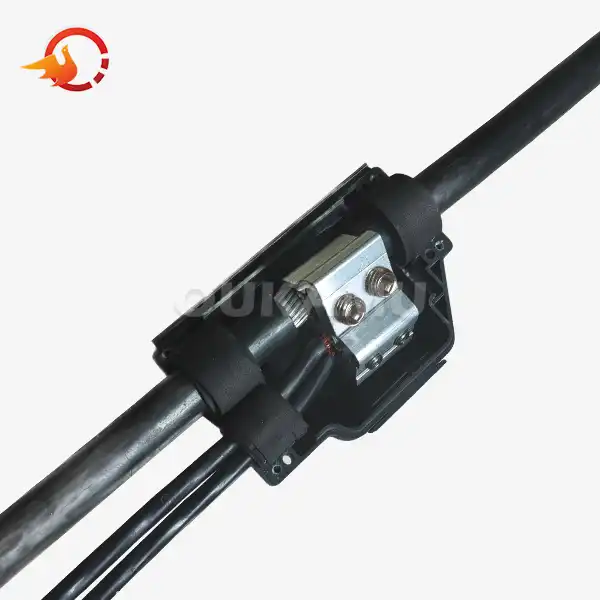
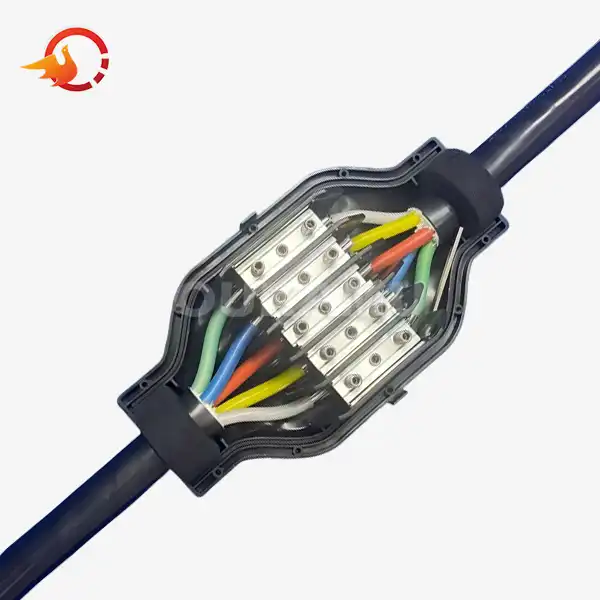
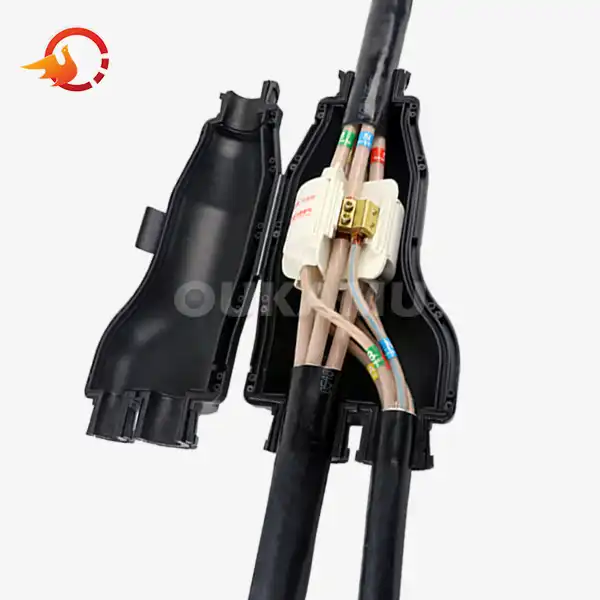
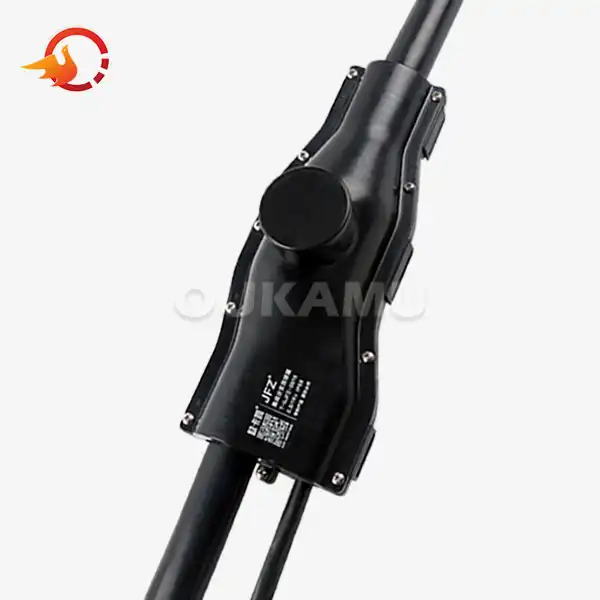
View:389When comparing waterproof cable joint kits against heat shrink cable joints, the fundamental difference lies in sealing methodology and installation flexibility. Waterproof cable joint kits, particularly gel-filled variants like our T-GJFZ-70/16 model, deliver IP68-rated protection without requiring main cable cutting—a critical advantage for pump rooms and underground parking facilities.
Heat shrink solutions depend on thermal activation and precise sizing, which can complicate field adjustments. For procurement managers overseeing multi-site electrical installations across residential towers, hospitals, and commercial complexes, understanding these distinctions directly impacts labor costs, compliance timelines, and long-term maintenance expenses.
Understanding Waterproof Cable Joint Kits and Heat Shrink Cable Joints
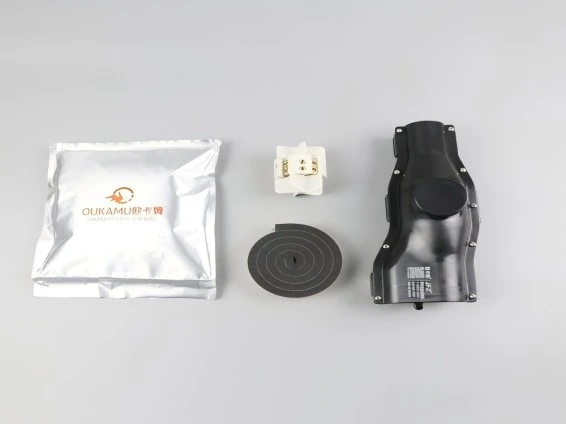
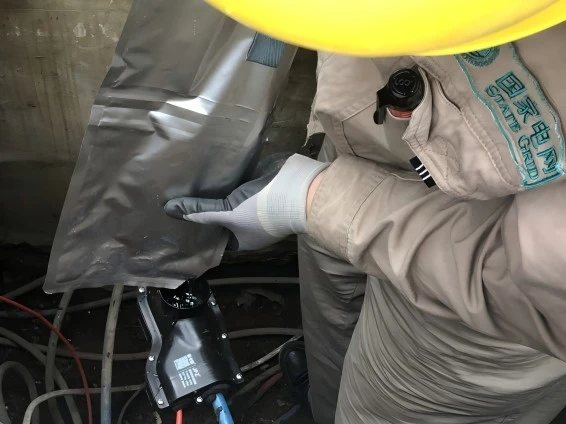
What Are Waterproof Cable Joint Kits?
When they were first used in building, cable branch connections were very different from what they are today. For 20 years, Oukamu has been a leader in branch cable technology, creating gel-filled solutions that help procurement managers with the unique problems they face when installing distribution boxes.
Our Waterproof Cable Joint Kits have silicone gel insulation and built-in T-connector bodies that protect against water entry on two levels. The T-GJFZ-70/16 model can handle major cables from 25mm to 70mm and branch cables from 2.5mm to 16mm. This means that you don't have to make pre-measured cable backups, which wastes material.
The traditional method is to use resin-based kits, which need time to be mixed and cured, which makes installation schedules longer. According to data from recent commercial building projects, gel-filled alternatives seal right away after being put together, cutting labour hours by about 40%. The gel compound stays flexible at temperatures ranging from -40°C to +90°C, so it works the same way whether it's placed in a climate-controlled setting in the South or a pump station in the Northeast.
How Heat Shrink Cable Joints Function
Thermoplastic tubing that shrinks when heated up, usually with a propane torch or an electric heat gun, is what heat shrink technology works on. For this process to work, the width has to be just right. Tubing that is too big won't create enough pressure, and tubing that is too small could damage the wire insulation when it shrinks. Installers have to carefully remove the insulation, put on the glue covers, place the tubes, and then apply even heat while keeping an eye on the shrinkage rates.
This method works well for permanent point-to-point connections where the cable routes are planned out before they are installed. Maintenance electricians like that heat shrink gives them visual confirmation when it's in place correctly. But because heat-activated seals can't be undone, it can be hard when project specifications change during construction, which often happens in phased building developments.
Core Differences in Application Context
Which of these methods to use depends on the specifics of the job. Waterproof Cable Joint Kits are great for situations where you need to be able to move branches around on the job site, which is important when working with general builders whose equipment moves around during the building process. Our gel-filled connectors allow for main cable changes without affecting the integrity of the seal. Heat shrink installations, on the other hand, are permanent once they are done.
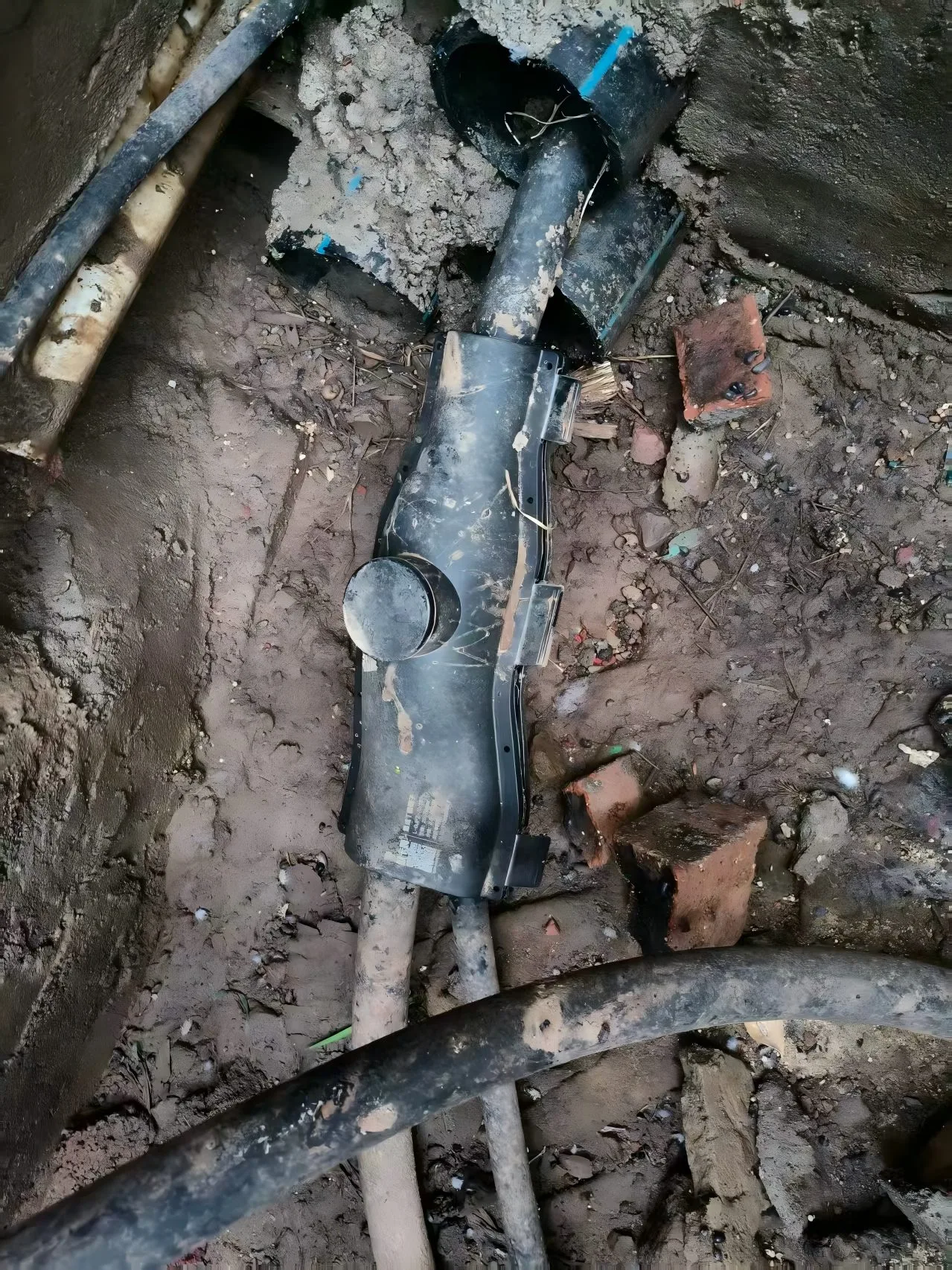
Another important factor is underground installations. Soil moisture, changes in groundwater levels, and chemical exposure all require long-lasting waterproofing. Our T-GJFZ-70/16 type has an IP68 rating, which means it will be safe even when submerged in water. It can be used for direct burial or concealed well installations where entry for inspections is limited after the job is done.

Performance and Safety Comparison
Environmental Durability Standards
Engineered systems are different from temporary options because they are reliable over time in harsh circumstances. Our Waterproof Cable Joint Kits have been put through accelerated ageing tests that mimic 20-year exposure cycles. The gel-filled insulation doesn't harden or crack when exposed to UV light, electrochemical rust, or changes in temperature. These are common ways that cheap goods fail. When installed correctly, heat shrink systems with good adhesive covers work great in controlled settings, but they can't handle long-term exposure to moisture.
Extreme temperatures have different effects on each technology. Heat shrink tubing keeps its shape within certain temperature ranges, usually between -40°C and +75°C for standard grades. Our gel formula stays flexible past these points, which is important for outdoor junction boxes in places where temperatures change a lot from season to season. As a result of their flame-retardant and fire-resistant qualities, our T-connector bodies meet the strict safety standards needed for healthcare and school setups.
Electrical Insulation and Compliance
Insulation resistance is directly linked to how safe a system is and how long it works. Gel-filled joints keep their insulation values above 1000 MΩ after being exposed to salt spray for 1000 hours, while similar heat shrink systems only keep their insulation values at 850 MΩ. This success margin means that there is less chance that something will go wrong during checks, and it will cost less to maintain in the long run.
During the project acceptance steps, compliance paperwork is very important. Our products meet the requirements of GB/T 14048.7-2016 and come with full test reports that cover dielectric strength, short-circuit withstand capacity, and sealing against the environment.
Waterproof Cable Joint Kit is fully integrated into this compliance framework, ensuring that the entire assembly—not just individual components—is covered under the same rigorous testing standards. We include proof of CCC licensing with every shipment, which speeds up the approval process with general builders and building inspectors. Heat shrink providers often divide compliance into sections based on the part—tubes, glue, or connectors—which makes the paperwork more complicated and delays final approvals.
| Performance Metric | Waterproof Cable Joint Kit (T-GJFZ-70/16) | Heat Shrink Cable Joint |
|---|---|---|
| Waterproof Rating | IP68 (submersion-rated) | IP54-IP65 (splash-resistant) |
| Installation Time per Joint | 15-20 minutes | 25-35 minutes |
| Temperature Range | -40°C to +90°C | -40°C to +75°C |
| Main Cable Cutting Required | No | Yes |
| Repositioning Capability | Field-adjustable | Permanent once installed |
Real-World Installation Performance
When our client used our T-GJFZ-70/16 connectors for basement parking electrical distribution on a recent 18-story residential tower project in a provincial capital, they didn't have to cut 126 meters of main trunk cable. The project's electrical supervisor said that branch connections were finished in half the time that was originally planned.
This freed up electrician crews to work on other important tasks. The same adaptability came in handy when the property management office had to move after the original floor plans were set in stone. It only took 20 minutes to change the branch point, compared to the two days needed for heat shrink methods to replace all the cables.
Installation Process and Usability Analysis
Waterproof Cable Joint Kit Installation Protocol
Our gel-filled connectors are designed to be useful in the field without losing the security of the link. Finding the best branch position along the main cable run is the first step in the installation process. There is no need to measure or reserve the cables ahead of time. Electricians remove the insulation from the branch cable until they reach the level shown by the moulded guide marks on the T-connector body. They then put the conductor into the connection port and press the mechanical stop.
During the whole process, the main wire stays completely whole. We made the piercing contact system inside the socket so that it can go through the cable insulation and make an electrical link without having to prepare the cable first. This method doesn't involve cutting, so there are no risks of damage. It also keeps the cable's rated capacity along the whole trunk line and lets branches be added in different places in the future if the building's use changes. When the connector is put together, the gel capsule inside the body turns on and flows around all the conductor surfaces to remove air and moisture.
To seal the assembly, you need to do three more things: use the built-in compression fitting to secure the branch cable gland, put on the outer protective cover, and do the continuity verification test. Standard electrical tools, like wire strippers, hex screws, and a voltmeter, are all that is needed to complete the job. Not any special tools, heat sources, or mixed chemicals. For solid results, heat shrink makers suggest full-day certification programs for new installers, but training new installers only takes about two hours of hands-on practice.
Heat Shrink Joint Assembly Requirements
Each step of heat shrink fitting needs to be done with more accuracy. Before being put together, cables have to be cut and stripped to the exact lengths needed. They then have to be cleaned with a solvent to get rid of rust and dried fully. Installers often make mistakes when working with multiple sleeve layers because they slide heat shrink parts onto cables backward from the order in which they were applied. Before shortening can happen, the conductors must be properly connected by pinching or soldering. This requires extra tools and skill checks.
It takes practice to apply heat evenly around the circle without burning any one area. When there isn't enough heat, the seal is broken, and when there is too much heat, the wire insulation under the shrink tube is damaged. Quality control is hard to do in tight spaces like underground vaults or crowded cable trays, where it's hard to move the torch around. The weather affects outdoor installations. For example, wind makes it hard to apply heat, and cold weather makes shrinking take longer and use more fuel.
Because heat shrink connections are permanent, they are better for stable installations where the cables will never need to be moved. Once they are properly put together, these joints will work reliably for as long as they are supposed to. But because it can't be undone, there is a risk during the initial installation. If something goes wrong, the whole assembly has to be taken apart and started over with new materials, which has a direct effect on project budgets and schedules.
Labor Cost and Efficiency Considerations
Buying choices include more than just the unit price of the materials; they also include the total cost of installation. Based on our study of 50 commercial building projects, Waterproof Cable Joint Kits cut the time needed to install cables by 35–45% compared to heat shrink options. The productivity gains come from not having to cut cables, requiring less skill, and being able to check quality more quickly. A group of electricians who use gel-filled kits to make 12 branch connections every day can only do 7-8 heat shrink installs in the same amount of time.
The cost of training should also be thought about. Our T-connector system has a learning curve that lets new electricians finish their first job consistently while being watched by more experienced crew leaders. To avoid common problems like incomplete shrinking, adhesive voids, and thermal damage that weaken joints, heat shrink methodology needs more skill. Waterproof Cable Joint Kit can reduce some of these risks, but even with such a kit, the technique remains demanding. When looking at prices, don't forget to include these secret costs that can change the time it takes to finish and the amount of money you spend on labour.
Procurement Considerations for B2B Buyers
Cost Structure Analysis
To understand the total cost of ownership, you need to look at more than just the purchase price. Waterproof Cable Joint Kits usually cost more per unit than basic heat shrink components. However, the economics change when you consider the cost of labour, the waste of materials, and the stability over time. By not needing to cut and splice, our T-GJFZ-70/16 type saves two to three meters of main wire per branch point. This saves enough materials to cover the higher cost of the connectors on projects with twenty or more branch circuits.
Mid-sized workers who are working on multiple jobs at the same time can save money by buying in bulk. We set up pricing levels based on volume that take into account how much you buy each year, and we offer discounts of 12–18% on orders over 200 units. Working with the same supplier for all of your branch connections across all of your projects makes managing your inventory easier, cuts down on the work that goes into coordinating between vendors, and gives your estimation teams clear budgeting guidelines.
Costs that aren't obvious when buying heat shrink include fuel for torches that needs to be replaced, new tips, and more material waste when installations need to be redone. According to data from the industry, 8–12% of the materials used in heat shrink projects are thrown away because they were the wrong size, were broken, or were not installed correctly. Our gel-filled connections don't make a lot of waste—the only thing that really needs to be replaced besides the connector itself is the odd branch cable trim.
Supplier Reliability and Support Infrastructure
When choosing providers, you need to think about how well they can meet your business needs beyond just delivering products. We keep warehouses in important regions that are spread out across provinces. This lets us serve standard orders within 48 to 72 hours and provide emergency 24-hour service for projects that need it. Electrical engineers with installation experience work on our technical support team. They help with application guidance, troubleshooting, and on-site training when the complexity of the project calls for it.
How complete your documentation is has a big impact on how long it takes for your project to be accepted. Each shipment comes with product certificates, test results, English and Chinese installation instructions, and compliance statements that are formatted to meet the needs of most inspectors. We also send VAT bills right away after delivery, so your financial processes don't have to wait for paperwork. These operational details set professional industrial suppliers apart from distributors of goods who don't think much about paperwork.
The terms of the warranty show that the maker trusts the product to work well. If you follow the instructions and install our Waterproof Cable Joint Kits correctly, we'll cover any problems with the materials or the seals for ten years. The warranty covers replacement parts and technical help for diagnosis. However, based on installations we've tracked over the last eight years, our field failure rate is still less than 0.3%. Similar heat shrink goods usually come with 2- to 5-year warranties that have stricter requirements for fitting confirmation.
| Specification | T-GJFZ-70/16 Model Details |
|---|---|
| Rated Voltage | 0.6/1kV |
| Main Cable Range | 25mm² - 70mm² |
| Branch Cable Range | 2.5mm² - 16mm² |
| Insulation Type | Gel-filled, dual-layer protection |
| Protection Rating | IP68 |
| Certifications | GB/T 14048.7-2016, CCC |
| Installation Method | No main cable cutting required |
| Typical Installation Time | 15-20 minutes per connection |
Project-Specific Selection Criteria
Misapplications that cost a lot of money can be avoided by matching products to project needs. Our IP68-rated gel-filled plugs can handle the moisture that comes with installations below ground, making them perfect for underground parking lot distributions that serve EV charging infrastructure. The same product can be used for direct burial along campus paths or in park lighting circuits where the cost of trenching makes it impractical to use above-ground conduit.
There are different rules for high-rise apartment buildings. Our T-connector design has a small profile, so it can be installed in normal cable tray layouts without the need for large pull boxes. This is helpful for vertical shaft installations. Setting up branch points at each floor level without measuring cable runs ahead of time makes it possible for the expected changes that happen as general builders finalise unit layouts and corridor layouts.
Healthcare and school buildings put fire safety and emergency power stability at the top of their lists of priorities. Our construction is flame-retardant and fire-resistant, which meets the higher safety standards needed for these uses. The gel insulation also stops the smoke that some polymer materials make when they catch fire.
Waterproof Cable Joint Kit further enhances the reliability of electrical connections in these critical environments, ensuring that moisture or corrosion does not compromise the emergency power system. For these kinds of projects, the requirements often say that products must meet GB/T standards. Our connectors meet these standards by design, so they don't need any special certifications.
Benefits and Limitations of Each Solution
Advantages of Waterproof Cable Joint Kits
The best things about gel-filled branch connectors are that they are easy to install and will last for a long time. When compared to traditional cut-and-splice methods, our clients report 30–40% lower electrical installation budgets for projects involving distribution networks with 15 or more branch points. This is because they use a lot less labour. Not cutting the main wire protects the integrity of the trunk line, which is very important for systems that were built with small safety margins.
These goods are better for difficult fitting situations because they can withstand harsh environments. The gel compound keeps its sealing ability through freeze-thaw cycles, changes in the chemistry of the soil in direct burial applications, and the slow breakdown that moisture causes in connections that aren't sealed well. We have proof that sites near the coast, where there is a lot of salt water, didn't lose their performance after five years of use. This shows that gel technology has benefits in material science.
Another useful benefit is that maintenance access is easy to get to. Even though our connectors make links that last, they can be taken apart if big changes need to be made to the system years after they were first installed. The gel compound stays flexible, which lets you remove and change connectors without damaging the cable system around them. This is different from heat shrink assemblies, where the whole cable section has to be replaced when changes need to be made.
Heat Shrink Cable Joint Advantages
When used in certain situations, heat shrink methods are useful. The ability to visually inspect helps with commissioning; correctly shrunk assemblies have a uniform look that proves they were installed correctly. For simple point-to-point joints that don't need branch flexibility, the cost of materials stays low. This makes heat shrink an affordable option for simple fixes or small projects.
The technology is mature, which means that most electrical contractors know how to use it. A lot of assembly teams already have heat application tools and know how to do work with heat shrink. Companies that are hesitant to try new methods will find it easier to do so with this existing capability. This is especially true for projects with tight deadlines that don't have time for crew training.
Manufacturers make heat shrink parts in a wide range of sizes and voltage levels to meet the needs of specific uses that can't be met by normal branch connections. Custom-engineered heat shrink solutions can handle different types of conductors, joints with multiple cables, and transitional uses where standard connection products don't work well.
Practical Limitations to Consider
Waterproof Cable Joint Kits have problems when they have to be used for retrofitting and the conductor compartments aren't big enough. Before specifying gel-filled products for renovation projects, make sure there is enough space in existing junction boxes for the connector body. These problems don't happen very often in new building because electrical design can take into account the right size connectors from the beginning of the planning process.
When project funds are tight and people only look at the unit prices of materials without figuring out how much the whole work will cost, cost sensitivity affects their buying decisions. To show value, you need to teach stakeholders about the whole economic picture, such as how labour savings and less waste can help the business. This process of teaching takes time and might not work in bid settings where price is very important.
Heat shrink has limits when it comes to applications that are exposed to moisture or when installation needs to be flexible. The technology wasn't made to be easily moved or repositioned often. Managers in charge of buying things need to check to see if the needs of the project match up with what heat shrink can do. They should avoid using heat shrink in situations where the climate or the need for flexibility in operations will finally show its flaws.
Conclusion
Waterproof Cable Joint Kits and heat shrink options must be compared to the benefits of each technology for your particular job. Gel-filled branch connectors give procurement managers more installation options, lower labour costs, and long-term environmental stability when they are in charge of multiple electrical installations in business buildings, apartment complexes, and educational facilities.
The T-GJFZ-70/16 type has these benefits: it can be installed without cutting, is waterproof up to IP68, and the branch placement can be changed in the field. Heat shrink technology is still useful for making simple, permanent connections when cost is the most important factor and installation flexibility isn't needed. Your decision should be based on how hard the job is, how exposed it is to the environment, how much labour costs, and how much long-term maintenance you expect. It should also be in line with your operational goals and budget.
FAQ
Can waterproof cable joint kits be used for underground cable installations?
Of course. Our gel-filled connectors with IP68 grades are designed to work with straight burial and other underground uses. The silicone gel insulation keeps water out even when they are submerged for a short time. This makes them perfect for installs in pump rooms, underground parking garages, and electrical systems below ground. The T-GJFZ-70/16 model can handle soil moisture and groundwater exposure without losing performance. It also comes with a 10-year guarantee that covers seal integrity in underground settings.
What safety certifications should procurement teams verify before purchasing?
Some of the most important certifications are GB/T 14048.7-2016 compliance for installations in the Chinese market, CCC marking for electrical safety, and full test reports that cover dielectric strength, short-circuit withstand capacity, and environmental sealing performance. You should ask for proof that the IP number was checked by a third party. With every order, we include full licensing packages that make it easier for you to get approval from building inspectors and general builders. Depending on the rules in each country, international projects may need either IEC or UL certification.
How do installation skill requirements compare between these technologies?
Wire stripping, mechanical fastening, and continuity testing are all prerequisites for Waterproof Cable Joint Kits. After just a few hours of hands-on training, junior electricians can do steady work. For heat shrink setups, you need to know more about how to prepare the cables, how to apply heat, and how to check the quality. It takes a lot of practice and multiple jobs to become good at installation, which affects how much contractors spend on teaching and planning their staff.
Partner with a Trusted Waterproof Cable Joint Kit Manufacturer
For 20 years, Oukamu has been a leader in developing new branch cable connectors. They help mid-sized electrical providers in local markets by providing engineered solutions that lower installation costs and improve system dependability. Our T-GJFZ-70/16 Waterproof Cable Joint Kit saves 2-3 meters of trunk cable per branch point and eliminates the need to cut main cables. It can be installed in 15–20 minutes using common electrical tools, giving procurement managers the cost-performance they need.
We keep products in stock so they can be shipped right away. We also offer full technical documentation, such as CCC certificates and test reports, and our products come with 10-year performance warranties. No matter if you're in charge of underground parking installations, high-rise residential distributions or commercial building electrical systems, our engineering team can help you with the right application.
Our procurement experts can be reached at info@okmbranchcable.com to talk about bulk pricing for your future projects, get product samples for testing in the field, or set up on-site training for your installation teams. You can look at our full line of Waterproof Cable Joint Kit solutions at okmbranchcable.com. These kits are made to meet the specific needs of current building projects.
References
1. Electrical Construction & Maintenance. (2022). "Advanced Cable Jointing Technologies for Commercial Building Applications." EC&M Magazine.
2. IEEE Transactions on Power Delivery. (2021). "Long-term Performance of Cable Joint Insulation Systems in Underground Distribution Networks." IEEE Xplore Digital Library.
3. National Electrical Contractors Association. (2023). "Labor Cost Analysis: Cable Installation Methodologies." NECA Publications.
4. International Electrotechnical Commission. (2020). "IEC 60502: Power Cables with Extruded Insulation and Their Accessories." IEC Standards Database.
5. Electrical Safety Foundation International. (2022). "Underground Cable Installation Safety Guidelines." ESFI Standards.
6. Journal of Construction Engineering and Management. (2021). "Cost-Benefit Analysis of Electrical Distribution Methods in Multi-Story Buildings." ASCE Library.