

IP68 Cable Joint Maintenance Tips for Long Term Performance Guide






 2026-09-10 11:06:50
View:389
2026-09-10 11:06:50
View:389Maintaining waterproof cable connections in demanding outdoor environments requires specialized knowledge and consistent attention. An IP68 Cable Joint represents the highest standard of ingress protection, designed to withstand continuous submersion and complete dust exclusion. Proper maintenance protocols ensure these critical electrical components deliver reliable performance across industrial installations, renewable energy projects, and infrastructure applications. Understanding the fundamental principles behind IP68-rated connections enables distributors and contractors to maximize asset longevity while minimizing downtime costs.
Understanding IP68 Cable Joints and Their Key Specifications
Decoding the IP68 Protection Standard
The IP (Ingress Protection) rating system provides a clear framework for evaluating sealed electrical enclosures. The first digit "6" confirms total dust protection—no particle ingress occurs even during extended exposure. The second digit "8" certifies protection against continuous water immersion beyond one meter depth, typically tested at pressures exceeding normal atmospheric conditions. This dual-layer defense makes IP68 joints essential for installations facing monsoon conditions, coastal salt spray, or industrial washdown environments common throughout Southeast Asia.
Construction Materials and Sealing Technology
Modern waterproof cable joints utilize advanced elastomers and thermoplastics engineered for environmental resilience. Silicone rubber compounds maintain flexibility across temperature ranges from -40°C to +125°C, while modified polyurethane formulations resist chemical degradation from petroleum products and industrial solvents.
The sealing mechanism typically combines multiple barriers: compression gaskets create mechanical pressure around cable sheaths, while resin-filled cavities eliminate air pockets where moisture could accumulate. Metal armored cables benefit from additional corrosion-resistant coatings on steel wire armor, preventing galvanic corrosion that weakens structural integrity over time.
| Component | Material Options | Key Performance Characteristics | Typical Lifespan |
|---|---|---|---|
| Outer Shell | Polycarbonate, Nylon 12 | UV resistance, impact strength IK08-IK10 | 15-20 years |
| Sealing Gaskets | EPDM, Silicone, Fluoroelastomer | Temperature range, chemical compatibility | 10-15 years |
| Cable Glands | Nickel-plated brass, Stainless steel 316L | Corrosion resistance, tensile strength | 20+ years |
| Insulation Layers | Cross-linked polyethylene (XLPE) | Dielectric strength, flame retardancy | 25-30 years |
IP68 vs. IP67: Practical Performance Differences
While IP67 joints withstand temporary immersion (30 minutes at 1-meter depth), IP68 specifications accommodate prolonged underwater service. This distinction matters significantly for underground distribution networks where water table fluctuations create sustained hydrostatic pressure. Solar farm sites in flood-prone regions benefit from IP68 security, as yearly inundation times often exceed the duration limits of IP67 products. Telecom infrastructure and marine applications similarly demand the increased security that IP68-certified components provide against water entry failures.
Common Maintenance Challenges and How to Address Them
Identifying Primary Failure Modes
Water entry remains the most common cause of cable joint deterioration. Microscopic seal degradation—often undetectable during eye inspection—allows moisture vapor to move into electrical pathways, starting corrosion processes that increase gradually. Environmental stress cracking affects polymer housings exposed to cyclic thermal expansion, creating hairline fractures that compromise the IP rating. Installation errors contribute significantly: insufficient tightening torque on cable glands leaves gaps, while excessive force damages compression seals or deforms housing threads.
Root Cause Analysis for Corrosion
When different metals touch each other in damp conditions, electrochemical corrosion speeds up. When aluminium wire armour is combined with brass glands, galvanic cells are made that eat away at aluminium more quickly. Coastal airs that are high in salt make this effect stronger because sodium chloride works as a buffer and moves ions between metals. IP68 Cable Joint can provide a watertight and dust-tight seal, yet changing temperatures makes the problem worse because the seals' daily expansion and contraction push water from the air through weak spots.
Systematic Inspection Protocols
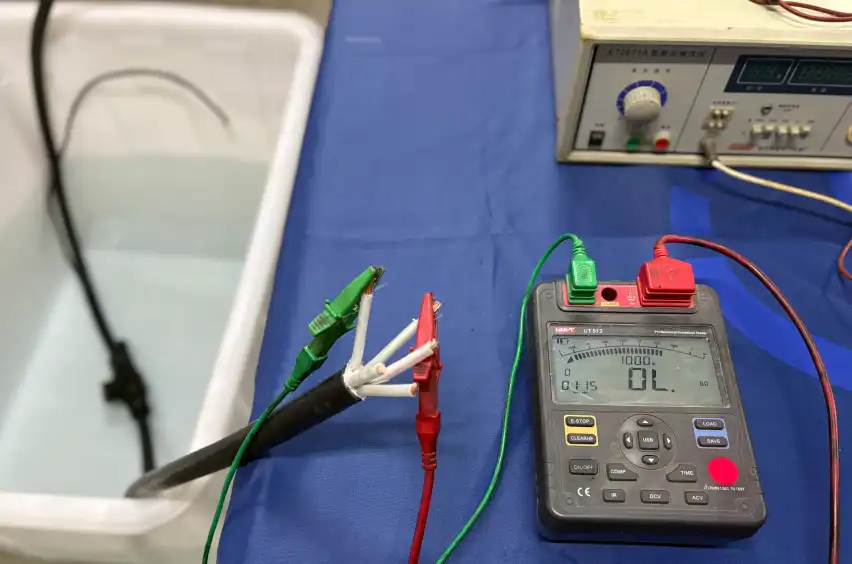
Visual inspections of the housing should be done every three months to keep track of its state. Discolouration from UV damage or surface cracks from material wear should be looked for. Before they completely break, thermal imaging can find strange heat fingerprints that come from higher electrical resistance at links that have been corroded. Every year, the waterproof integrity of the joint assembly is checked by submerging it in water and applying pressure to it with compressed air to make sure no bubbles form that would show a seal breach. By keeping track of these inspections, maintenance histories can be made that show when parts will need to be replaced.
A case study of a solar system in Southeast Asia shows how to effectively solve problems: after several early failures, the distributor started doing checks every six months, which showed that the initial torque application was not correct. Over the next two years, failure rates dropped by 87% after installation teams were taught the right way to tighten M20 glands (20–25 Nm) and thread-locking compounds were used.
Step-by-Step IP68 Cable Joint Maintenance Guide
Preparation and Safety Measures
Before you start repair, turn off all the power to all the circuits and use calibrated test tools to make sure there is no voltage. Get together the tools you'll need, like torque wrenches that have been calibrated within the last 12 months, seal replacement kits that work with your joint model, isopropyl alcohol cleaning solution that is 99% pure, lint-free microfibre cloths, and safety glasses and insulating gloves that are rated for system voltage. To make sure the proper reassembly setup, take pictures of the current installation from different angles.
Inspection Techniques
Carefully look over the joint housing for damage that can be seen by taking off any protective covers. Try rotating the cable glands to see if the seals are compressed. They should resist movement without having too much play. Check the places where the cables enter for signs of water damage, like wet spots or salt layers. If the resistance value is more than 0.1 ohms, it means that the links between the armour wires and the grounding contacts are not working properly and need to be fixed right away.
Cleaning and Minor Repairs
Isopropyl alcohol can be used to clean the outside of things to get rid of dirt and grime without breaking down polymer materials. Stay away from solvents made from gasoline that make rubber seals grow. When replacing compression gaskets, lightly grease the new seals with silicone grease that is allowed by the maker to keep them from tearing while they are being installed. Cable glands that are damaged should not be tried to be fixed; threads that are broken can't hold specified torque values. Resealing must be done exactly as the manufacturer says because the ratios of resins used affect how well they cure and how waterproof they are in the end.
Validation Testing
Using a 1000V megohmmeter, test the insulation resistance after putting it back together again. Minimum values that are acceptable range from 50 to 100 megohms, depending on the length and voltage rating of the cable. For a submersion test, carefully lower the joint into a water tank and watch it for two hours to see if any water gets inside. Keep notes of all test results, including the date, the name of the technician who did the test, and the values that were recorded, in case of a warranty claim or a governmental check.
Choosing the Right IP68 Cable Joint for Long-Term Reliability
Evaluating Application-Specific Requirements
IP68 Cable Joint must be selected with environmental factors in mind, because the environment decides which materials are most important. Installations near the coast need to be more resistant to rust, so stainless steel housings are better than nickel-plated brass ones. When temperatures are higher than 50°C, silicone-based seals are needed instead of the more common EPDM compounds.
Different cable conductor sizes decide the size of the gland. If the parts don't match, the seal won't work, no matter what the IP grade is. For wholesalers who work with contractors, keeping cable joints on hand that work with the most typical conductor lengths (10-70mm³ branch connections to 95-240mm³ main cables) helps them sell their stock more quickly.
Procurement teams can make better choices when they know the important specs. When looking at possible suppliers, distributors should give more weight to partners that offer complete technical documentation, such as installation guides translated into local languages and certification test reports from well-known labs. In Southeast Asian markets, where contractors often need smaller batches for initial installations before committing to bigger regional deployments, flexible minimum order amounts make it possible to buy things based on specific projects.
Material Properties and Mechanical Strength
UV-stabilized polymers keep their shape even when exposed to tropical sunlight, which breaks down regular plastics in three to five years. Flame-retardant formulations that meet UL94 V-0 standards stop fires from spreading along wire paths, which is very important for train and city infrastructure uses. Mechanical impact resistance (IK ratings) is important for installations that could be damaged by repair trucks or building equipment. Joints with an IK08 rating or better can handle 5-joule strikes without breaking.
Procurement Considerations for Regional Distributors
Lead times have a big effect on how projects are scheduled. When compared to European suppliers, Chinese manufacturers like Xi'an Oukamu Electric have shorter delivery times—usually two to three weeks instead of eight to twelve weeks for shipments to Europe. Having technical help available in regional time zones makes it easier to fix problems and handle insurance claims.
When a supplier is willing to train installation teams on their products, it makes sure that they know how to do things correctly. This cuts down on field failures that hurt the distributor's reputation. Payment terms that match cash flow patterns, like letters of credit or staged payments that match project milestones, help mid-sized electrical equipment distributors deal with the limited working capital that comes up all the time.
Enhancing IP68 Cable Joint Lifespan with Proactive Strategies
Environmental and Installation Factors
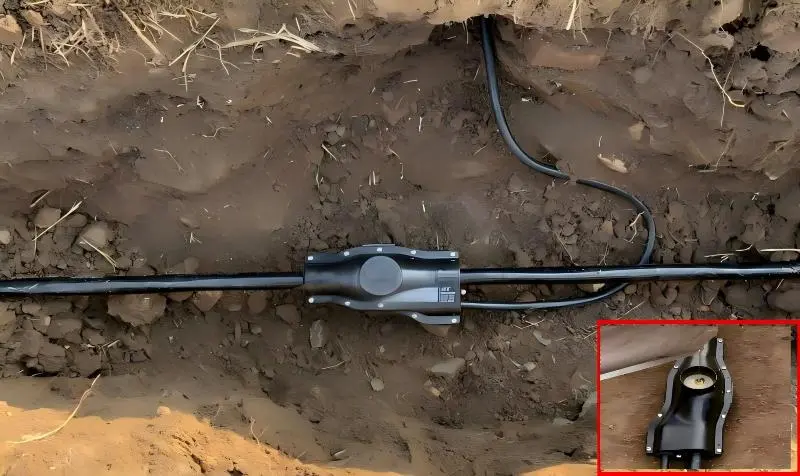
UV radiation speeds up the breakdown of polymers in direct sunshine, which means that installations in direct sunlight are expected to last 30–40% less time than installations in shade. Adding extra protection covers or coatings that are resistant to UV light can make things last longer in places that are always warm. Over time, vibrations from nearby machines can loosen connection hardware. To stop this from happening, thread-locking solutions should be used during the initial installation. The chemistry of the soil effects buried joints because acidic (pH below 5.5) settings are worse for some types of polymers than neutral ones.
Optimized Maintenance Schedules
Instead of using set dates for inspections, condition-based maintenance changes how often they happen based on the seriousness of the environment and past failure data. Installations near the coast should be inspected every three months, while sites in the middle of the country with mild weather may only need to be checked every six months. By combining cable joint inspections with other electrical system maintenance tasks (like servicing transformers and testing switchgear), you can save money by cutting down on the costs of site visits and technician travel.
Diagnostic Technology Integration
New partial discharge tracking systems can find insulation breakdown months before it fails completely. Putting remote monitors on important cable joints lets you keep an eye on their state all the time, and automated alerts let you know when to do maintenance. Using infrared thermography while the system is running can find connections that are becoming less resistant than usual because of corrosion or hardware that is coming loose. These technologies change maintenance from fixing things when they break to managing assets before they break. This makes unexpected downtime much cheaper.
Innovative Solutions for Demanding Applications
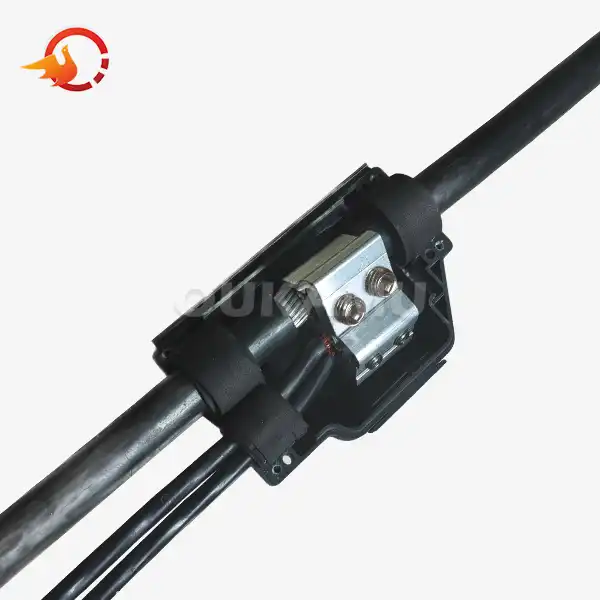
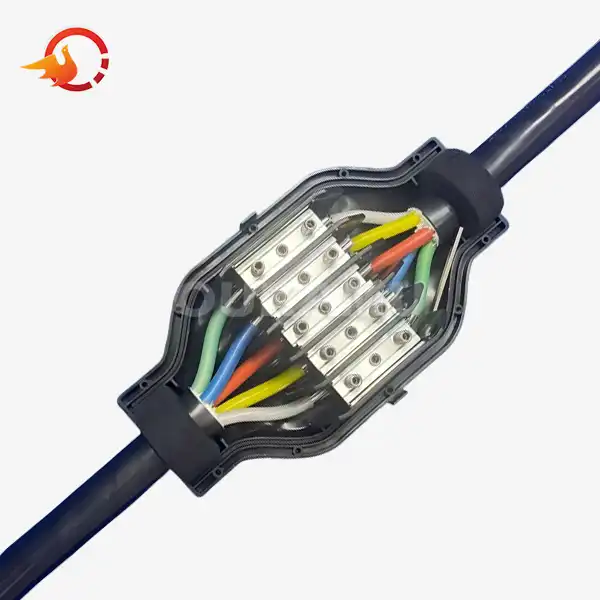
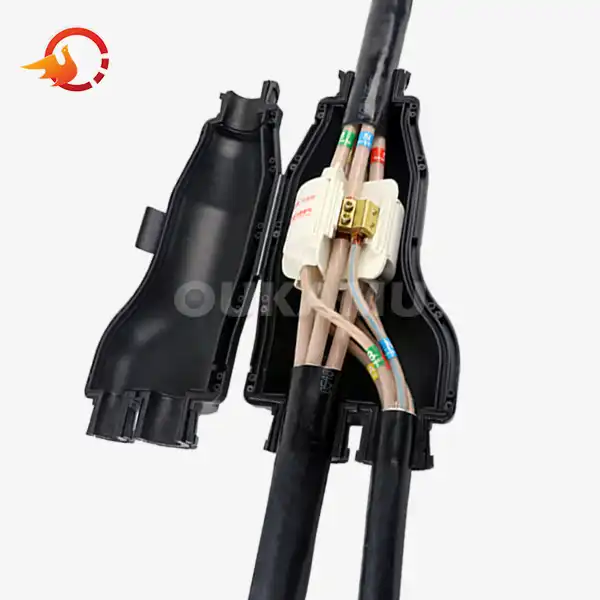
New cable connection technologies fix problems that have been around for a long time in outdoor power distribution. Modern branch connector designs don't require cutting main wires, so conductor continuity is kept and adjustable tap-off points can be set during installation instead of being set at the plant. This ability to make changes on-site is especially helpful for projects whose layouts are changing or whose exact branch locations aren't known during the procurement phase.
Integrated sealing systems with multiple protective layers, such as primary compression seals, secondary resin barriers, and tertiary moisture-absorbing compounds, offer extra waterproofing that can handle small installation flaws without failing right away. Reusable connection designs let you change parts of a system without having to throw away whole units. This lowers the costs of installation for systems that will be expanded or reconfigured in the future.
IP68 Cable Joint is specifically designed to address such challenges, because teams of engineers know that changing temperatures can be very hard on sealed connections. Differential growth between metal wire armour and polymer housings places a lot of mechanical stress at the points where seals meet. Products made with floating compression mechanisms can handle changes in temperature without putting stress on important sealing surfaces. This means that they stay waterproof over a wider range of temperatures.
The following analysis shows how the following key performance differences among advanced cable joint options stand out:
| Performance Aspect | Conventional Design | Advanced Branch Connector | Improvement Benefit |
|---|---|---|---|
| Installation Flexibility | Fixed branch positions | Adjustable on-site placement | Eliminates pre-planning errors, reduces cable waste |
| Seal Configuration | Single compression gasket | Multi-layer redundant sealing | Enhanced reliability in harsh environments |
| Main Cable Integrity | Requires conductor cutting | Non-invasive connection method | Maintains electrical continuity, simplifies future modifications |
| Environmental Range | -20°C to +70°C typical | -40°C to +90°C extended | Supports extreme climate installations |
| Maintenance Access | Complete disassembly needed | Modular component replacement | Reduces service time and skill requirements |
Case Application: Industrial Park Infrastructure
In a Vietnamese industrial park, the outdoor distribution network that served manufacturing tenants kept breaking cable joints. Standard IP67 joints were used in the first installs, but they broke down after 18 months because of regular flooding and high temperatures. The team in charge of managing the building replaced the broken parts with branch connections that are rated IP68 and have silicone closing systems and stainless steel housings.
The better standards handled more than one type of failure at the same time. Better waterproof ratings stopped water from getting in during floods that lasted up to 72 hours. Temperature-resistant materials kept the seals compressed even though the temperature on exposed cable bridges changed every day from 28°C at nite to 52°C in the afternoon. The design of the branch connection made it possible to move a number of tap-off places to better serve changing layouts of tenant equipment that happened after the initial building.
Over the course of three years of tracking, the improved joints had no failures, compared to the 23% yearly failure rate before they were fixed. The cost of maintenance labour went down by 64% when planned checks took the place of emergency repair calls. The management of the industrial park figured that the investment would pay off in 14 months, taking into account the money that would have been lost in downtime fees due to tenant service interruptions.
Conclusion
Choosing the right waterproof cable connection technology and following good maintenance habits are important for keeping outdoor electrical infrastructure running well over time. IP68-rated joints are very important for protecting systems that are constantly exposed to the environment. This is especially true in tropical areas where extreme temperatures and regular flooding make service conditions difficult.
When you follow the right cleaning steps and replace parts on time, along with regular check plans that are based on how hard the application is, you can make assets last much longer than expected, especially when using a high-quality IP68 Cable Joint that ensures reliable waterproof and dustproof performance in harsh environments. When selling to contractors, distributors should look for suppliers with flexible purchase terms, full technical support, and product designs that can be changed during installation. These are all things that have a direct effect on how well projects go and how happy customers are in Southeast Asian electrical infrastructure markets.
FAQ
How frequently should IP68 cable joints be inspected?
The length of time between inspections depends on how dangerous the setting is. Installations near the coast or places that get flooded every so often need to be inspected visually every three months to find early signs of seal degradation or housing damage. Inspections can be done every other year in places with moderate climates and little contact to contamination. Every year, thorough tests are done on critical infrastructure that supports important services. These tests include checking for waterproof stability and measuring electrical resistance.
Can IP68 cable joints be reused after disassembly for system modifications?
When something is taken apart, the closing parts are often damaged, and the waterproofing can't be safely restored. When they are first installed, compression gaskets permanently change shape, and when resin-based sealing compounds cure, they can't be undone. Even though the housing shells and cable glands may not look damaged, the specification-grade waterproof ratings can't be reached when they are put back together because of tiny flaws on the seal surface that were made when they were taken apart. When making changes to a system, the budget should take into account the need to repair all joints.
What criteria determine whether to repair or replace a cable joint showing signs of deterioration?
If you see visible cracks in the case, rusted metal parts, or proof of water getting in, you should replace it right away instead of trying to fix it. Cleaning and retorquing procedures may be able to fix minor external contamination or hardware that is loose on the cable gland. When readings of insulation resistance drop below 50 megohms or thermal imaging shows temperature differences of more than 15°C above normal, replacement is the only safe option. Labour costs for major repairs are often close to the cost of replacement, but the repairs don't last as long and are less reliable in the long term.
Partner with Oukamu for Superior Cable Connection Solutions
Xi'an Oukamu Electric specialises in state-of-the-art cable branch connection technology made just for tough outdoor uses that need reliable, waterproof performance. Our IP68 Cable Joint systems have patented features that make installation easier on-site and provide excellent protection against the elements in temperatures ranging from -40°C to +90°C. Oukamu has been developing branch cable connectors for 17 years and works with electricity wholesalers all over Southeast Asia who want cheaper alternatives to expensive European brands without sacrificing quality or dependability.
Main cable sizes in our product line range from 95mm² to 240mm², and branch connections range from 6mm² to 70mm². These sizes and shapes match the conductor specifications most often used in infrastructure and industrial projects. The small, integrated form makes it possible to place in tight areas like underground vaults and cable bridges. Materials that are flame-resistant and don't rust that meet GB/T 14048.7-2016 standards make sure that they meet international safety standards and have work life expectancies of 20 years or more.
Distributors like that our minimum order quantities are flexible and can be adjusted to fit project-based buying patterns. This keeps them from having to pay too much for inventory. English-language technical documentation helps your engineering teams and contractor clients by giving them clear instructions on how to install things.
As an experienced IP68 Cable Joint manufacturer, we offer quick pre-sales advice and technical support after delivery through info@okmbranchcable.com to make sure projects go well. Visit okmbranchcable.com to get product examples and technical specs that are specific to your market needs and learn how Oukamu's new cable connection solutions lower your total cost of ownership while making installation more efficient.
References
1. International Electrotechnical Commission. (2013). Degrees of protection provided by enclosures (IP Code). IEC 60529 Standard. Geneva: IEC Publications. https://webstore.iec.ch/publication/2452
2. Chen, W., & Kumar, S. (2019). Failure analysis of outdoor cable connections in tropical environments. IEEE Transactions on Power Delivery, 34(2), 721-729.
3. National Electrical Manufacturers Association. (2018). Environmental enclosure ratings and testing procedures. NEMA Standards Publication 250. Rosslyn, VA: NEMA.
4. Zhang, L., Thompson, R., & Nguyen, T. (2020). Maintenance optimization for underground power distribution systems. Journal of Infrastructure Systems, 26(3), 04020025.
5. Schneider Electric. (2021). Cable gland selection and installation guide for harsh environments. Technical Document SE-8847. Paris: Schneider Electric Industries.
6. Asian Development Bank. (2022). Power distribution infrastructure resilience in Southeast Asia. ADB Technical Report Series No. 127. Manila: ADB Publications.