

Straight-Through Cable Joint With Connectors Buying Guide






 2026-09-14 16:17:45
View:389
2026-09-14 16:17:45
View:389When managing electrical installations across residential, commercial, and institutional buildings, procurement managers face mounting labor costs and complex specification requirements. Straight-Through Cable Joints With Connectors address these challenges by eliminating the need to cut main cables while enabling flexible branch connections at any installation point. This guide equips B2B buyers with the technical knowledge and procurement strategies needed to select cable branch connectors that reduce installation time, lower material waste, and ensure compliance with safety standards—critical factors for mid-sized electrical contractors managing multi-site projects valued in the millions annually.
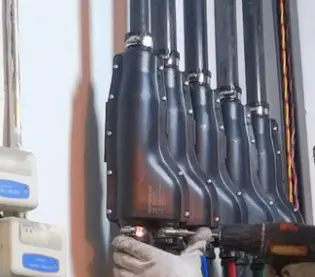
Understanding Straight-Through Cable Joints With Connectors
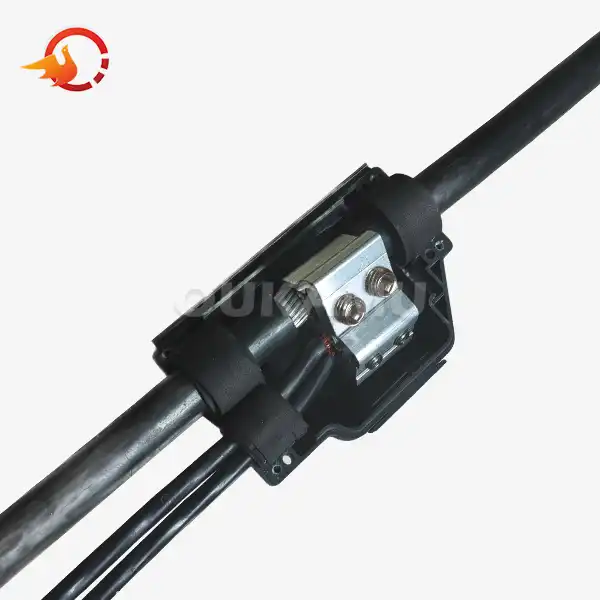
Straight-Through Cable Joints With Connectors are special parts that are used to connect branch cables to main distribution cables without cutting the primary wire. Traditional splicing methods require cutting and re-terminating cables. These connectors, on the other hand, use penetration technology to connect to the main cable without damaging it. The Electrical Safety Foundation International says that this non-invasive method cuts down on installation mistakes by about 40% compared to traditional methods of cutting and joining.
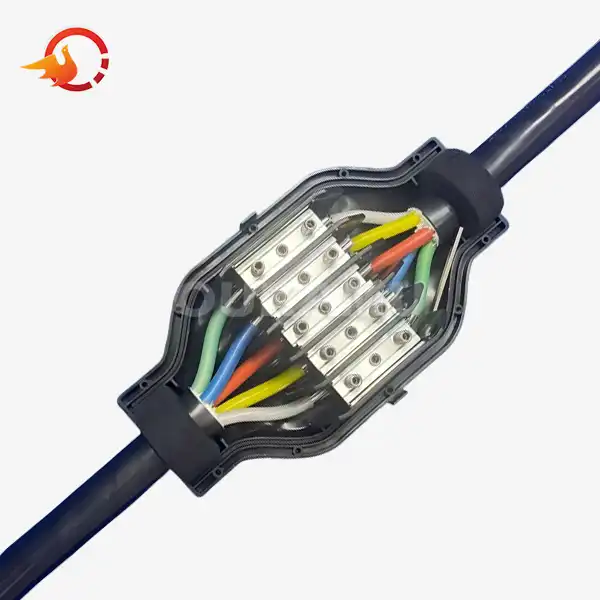
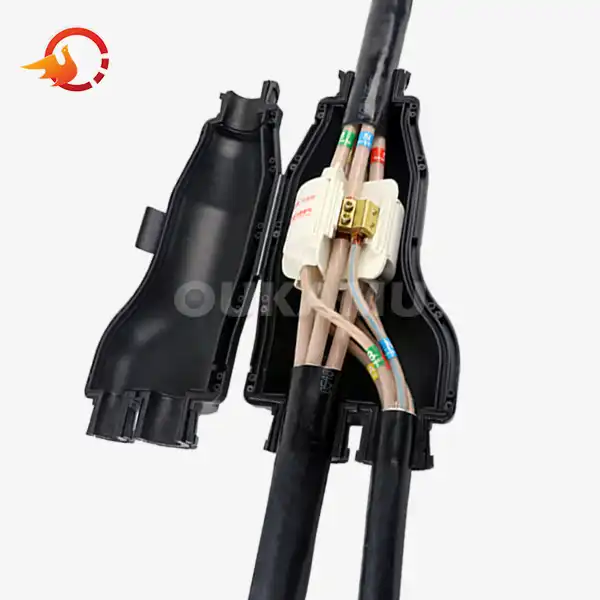
The basic function is a connecting block with piercing connections inside it. When the installation tightens the fastening mechanism, these ends go through the insulation of the main cable and touch the conductor. They also secure the link between the main cable and the branch cable at the same time. This makes a safe path for electricity to flow without affecting the main cable's ability to serve loads further down the line.
Types and Material Construction
Cable branch connections can be set up in a number of different ways, depending on the needs of the project:
Waterproof types have rubber gaskets and sealed housings with IP65 or higher ratings, which are necessary for setups outside or in damp places like underground parking garages. Indoor models have flame-resistant PVC or polycarbonate housings that work well in dry places like schools and office buildings. Fire-resistant models use ceramic or mineral-insulated parts that meet GB/T 14048.7-2016 standards. These are needed in places like schools and hospitals where fire safety rules are strict.
Choice of material has a direct effect on performance and durability. High-quality copper alloy terminals make sure that there is low contact resistance and heat generation. Bodies made of reinforced nylon or polycarbonate protect against mechanical damage during construction activities. The insulation materials usually have flame-retardant and UV-resistant qualities that keep them from breaking down in exposed setups.
Straight-Through vs. Crossover Configurations
It is very important to know the difference between straight-through and crossing joints in order to use them correctly. Straight-through connections keep the arrangement of the conductors the same from the main cable to the branch cable. This makes them good for power transfer where phase alignment is important.
This arrangement is used for 90% of electricity tasks in buildings. On the other hand, crossover joints are not common in power systems but can be found in control wiring where signal polarity reversal is done on purpose. For normal distribution work, procurement managers should define straight-through configurations so that there are no problems with current infrastructure.
Key Benefits and Applications for B2B Procurement
Adopting cable branch connectors has measurable benefits that directly address the problems that electrical contractors who are in charge of big projects face.
By getting rid of the steps needed to prepare the cables, installation times are made faster. Using the old way, you have to remove the insulation from the main wire, make splice connections, apply insulation tape, and put in protected casings. This takes 25 to 30 minutes per connection point.
Straight-Through Cable Joints With Connectors offer a similar ease-of-use advantage for inline splicing, but because branch connectors come already put together, they cut this time down to 5 to 8 minutes per branch point. These savings add up to about 50 hours of work saved each project phase for a 200-unit apartment block with 150 branch points.
Material cost optimisation happens when the main wire length is kept the same. For stripping and connecting work, conventional splicing needs between 0.8 and 1.2 meters of extra wire at each branch site. This isn't needed with a connector, which saves two to three meters of main cable per floor in most building layouts. According to the Cable Manufacturers Association, this cut can cut copper use by 15–18% in setups with more than one floor.
When used in the following situations, these benefits are especially useful:
The flexible branch placement is great for multi-story apartment buildings because it lets them make last-minute changes to the design without having to replace pre-made wires. The small size is used by office buildings to keep cable management in overhead tray systems neat. Compliance with GB/T 14048.7-2016 safety standards is appreciated by educational institutions because it makes inspection approvals easier. In order to follow strict healthcare electricity codes, medical centers need flame-retardant and fire-resistant materials.
When used in these conditions, the enclosed connection design keeps moisture and dust from getting in, which are common reasons why connections fail in construction sites. The sealed design keeps the connections strong even if the wires around them are moved or adjusted during later stages of building fit-out.
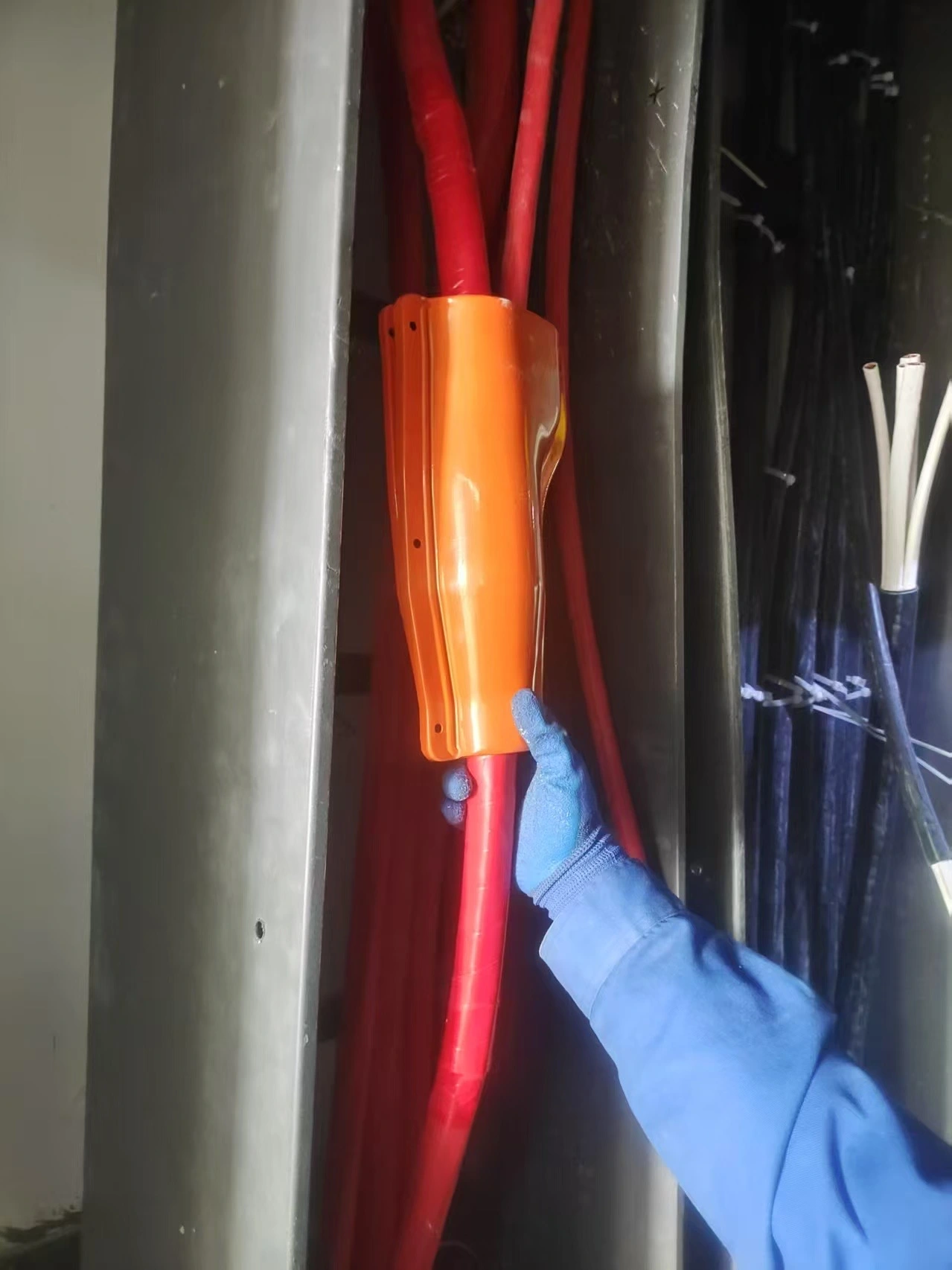
How to Choose the Best Straight-Through Cable Joints With Connectors
Correctly defining the project requirements is the first step in choosing the right connectors. Three main things that procurement managers should write down are the main cable cross-sectional area, the range of branch cable sizes, and the conditions of weather exposure. These specs tell you how well something will work together and over time.
Essential Selection Criteria
Making the right choice starts with making sure the cables work with each other. The main wire capacity of the connector must be the same as or bigger than the size of the attached conductor. All types of circuits in the project scope should be able to use the branch cable range. The voltage rating needs to match the distribution system. For example, most building uses 0.6/1kV, which means that connectors need to be certified to this standard.
Different installation sites have different environmental protection requirements. Housings with an IP20 rating may be enough for dry places inside, but electrical rooms in the basement need to be at least IP54 rated. Installations that will be outside or that will be washed need IP65 or IP67 grades. The ingress protection rating is directly related to the thickness of the housing material and the quality of the gasket. This has an impact on both the cost and the size of the enclosure.
Terminal plating standard (usually nickel or tin over copper), housing polymer grade (UL94 V-0 flame rating is recommended), and insulation breakdown voltage capacity are all signs of good materials. Reputable manufacturers include test reports that list these parameters, but cheaper options often don't have third-party confirmation.
Table 1: Connector Selection Matrix by Application Environment
| Environment Type | IP Rating Required | Housing Material | Main Cable Range | Typical Application |
|---|---|---|---|---|
| Indoor Dry | IP20-IP40 | Flame-retardant Nylon | 4-35mm² | Office floors, retail spaces |
| Indoor Humid | IP54 | Reinforced Polycarbonate | 10-70mm² | Basement mechanical rooms |
| Outdoor Protected | IP65 | UV-resistant Polymer | 16-95mm² | Covered parking structures |
| Outdoor Exposed | IP67 | Marine-grade Composite | 25-240mm² | Rooftop equipment connections |
Supplier Evaluation Criteria
Picking the right production partner affects both the success of the original purchase and the reliability of the supply in the long run. Suppliers with a track record of experience in branch connection technology should be given preference. Companies that have been specialising in this area for 15 to 20 years usually have well-honed production methods that guarantee stable product quality.
Straight-Through Cable Joints With Connectors are also supported by proper documentation, because certification records provide objective quality assurance. Check for CCC certification, GB/T 14048.7-2016 compliance records, and test data from a third-party lab. The connectors meet Chinese national standards and international safety standards, as shown by these papers.
As part of the evaluation process, sample testing protocols should be looked at. Ask for samples that fit the project's requirements and have electrician teams test the installation. This checks how easy it is to use, how well it works with other tools, and how reliable the link is in real-world working situations. You can also find any gaps between what the product paperwork says and how it works in the field by trying samples.
Professional suppliers are different from commodity vendors because they can offer technical support. Check to see if the manufacturer offers installation training, quick responses to questions about specifications, and customisation for non-standard uses. Beyond standard catalogue items, being able to offer custom solutions for specific project needs adds a lot of value.
Introducing the ZR-JFZ-16/10 Model
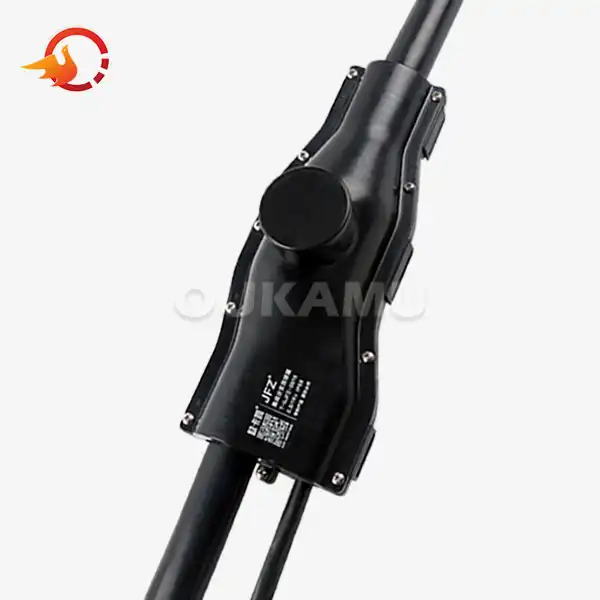
The ZR-JFZ-16/10 connector from Xi'an Oukamu is an example of advanced branch connection technology that has been improved over twenty years of specialisation. This model can handle branch wires from 1.5 mm to 10 mm and main lines from 4 mm to 16 mm, which is enough to cover most low-voltage distribution circuits in building electrical systems.
The connector's design makes it possible to take it apart and put it back together again without damaging it. This is very helpful during construction, when branch locations may need to be changed based on how the rooms are actually laid out. The built-in insulation body has flame retardancy, fire resistance, and waterproof sealing all in one piece, so you don't need any extra safety items.
Following GB/T 14048.7-2016 makes sure that the connection meets the latest Chinese safety standards for electrical equipment. This speeds up the approval process with inspection officials. The rated voltage of 0.6/1kV is the same as the voltage levels used for building power distribution.
Table 2: ZR-JFZ-16/10 Technical Specifications
| Parameter | Specification | Standard Reference |
|---|---|---|
| Main Cable Range | 4-16mm² | GB/T 3956-2008 |
| Branch Cable Range | 1.5-10mm² | GB/T 3956-2008 |
| Rated Voltage | 0.6/1kV | GB/T 12706.1-2020 |
| Insulation Material | Flame-retardant Polymer | UL94 V-0 |
| Protection Rating | IP54 (Standard), IP67 (Optional) | IEC 60529 |
| Operating Temperature | -25°C to +85°C | GB/T 2423.1-2008 |
| Reusability | Yes (Up to 5 cycles) | Manufacturer Testing |
| Compliance Standards | GB/T 14048.7-2016, CCC | National Standards |
Installation and Maintenance Best Practices
The right way to install a connector guarantees its best performance and long-term dependability. The streamlined process cuts down on the amount of work that needs to be done while still meeting electrical safety standards.
Step-by-Step Installation Procedure
First, use the right test tools to make sure that the power is turned off at the distribution switch and that there is no voltage. Place the connector where you want the branch to go along the main cable run. Unlike pre-fabricated cables that have set branch points, the exact location can be changed based on where the equipment is placed.
Put the main wire in the right place after opening the connection housing. If you don't bend the cable too much, it should sit flat against the base. Put the branch wire in its proper path, making sure there is enough slack to relieve stress. Close the housing and tighten the bolts by hand in a zigzag manner to spread the pressure out evenly.
Use a calibrated wrench set to the manufacturer's specifications to apply the final torque. For smaller connectors like the ZR-JFZ-16/10, this is usually between 4 and 6 Nm. When you over-tighten, you can damage internal parts, and when you under-tighten, you get high contact resistance and heat. Industry testing standards (International Electrotechnical Commission, 2019) say that properly torqued connections keep contact resistance below 5 milliohms.
Do an eye check to make sure the housing is completely closed and that the wire strain relief is working right. Use a low-resistance ohmmeter to test the connection and check the continuation of the wire and measure the resistance of the contact. For future reference, take pictures of the work that show where the connectors are and what signs they have on them.
When trained electricians do this, the whole process takes about 6 to 8 minutes per connection point, while the old cut-and-splice method takes 25 to 30 minutes. Straight-Through Cable Joints With Connectors provide a similarly efficient solution for inline splices, but when working on projects with dozens of branch points per floor, the time saved with branch connectors adds up quickly.
Maintenance and Longevity Considerations
As part of regular inspections, connecting housings should be looked at visually for cracks, discolouration, or signs of water entry. High-resistance connections can be found with thermal imaging surveys before they fail. Infrared temperature differences of more than 10°C between connections should be looked into.
Protecting the environment is still very important for the connector's whole life. In places where condensation is likely to happen, checking the integrity of the gasket on a regular basis keeps water from getting in and lowering the quality of the connection. Outdoor installations benefit from housings that are resistant to UV light and keep their mechanical strength even when they are in the sun all the time.
If there are problems with the link, good connectors can be taken apart and cleaned because they are recyclable. You can get rid of oxidation on terminal surfaces with contact cleaner and fine grit, and then put them back together with the right amount of pressure. Because they are easy to fix, connectors can last for 20 years or more in normal building conditions, which is the same amount of time that cables are expected to last.
Procurement Strategies for Bulk Orders and Custom Solutions
For big electrical projects that involve many buildings or long construction times, strategic procurement methods improve both cost-effectiveness and supply reliability.
Sourcing Channel Evaluation
Online wholesale platforms give you access to many suppliers and clear pricing, but you have to carefully look over certifications and customer feedback to make sure the quality is good. Regional electrical wholesalers have the benefit of having stock close by and being able to supply quickly, but they may only carry a few types of connectors. For purchases of more than 5,000 units per year, direct manufacturer relationships offer the best mix of customisation options, technical support, and competitive prices.
When you compare the total prices of acquisition, it's easy to see why direct buying is better. Markups by distributors usually add 20–35% to the prices set by manufacturers. They also make it harder to get help from engineers. Manufacturing partners can offer customisation services, such as changing the range of wire sizes, changing the size of the housing, or adding project-specific marks for an extra 8–12% on top of the price of standard models.
Volume Pricing and Contract Structures
Purchasing managers should set up purchases in a way that takes advantage of volume discounts while still leaving room for changes that may come up during the project. Having annual framework deals and quarterly call-offs helps keep supplies under control and prices as low as possible. Usually, discounts start at 10-15% off for 1,000 units and go up to 25-30% off for 10,000 units.
Terms of payment have a big effect on managing cash flow. Standard terms are a 30% fee, and the rest is due upon delivery. For long-term ties, payments can be spread out over time and tied to project goals. Good manufacturers offer warranties that last between 3 and 5 years. These warranties cover flaws in the materials and the work, but not damage caused by bad installation or exposure to environments that are too harsh for the product's rating.
Application Case: Multi-Building Campus Project
A provincial capital contractor in charge of a project to build 12 buildings on an educational site shows how smart connector buying can be useful in real life. According to the project requirements, there should be 2,400 branch connection places in administrative buildings, school buildings, and dorms.
Using traditional sewing methods, just the link work would have taken about 1,000 hours of work. By choosing ZR-JFZ series connectors that met the campus's cable specs (main cables 10-16mm², branch cables 2.5-6mm²), the installation time dropped from 720 hours to 280 hours, saving 720 hours of work. At the current rate of $35/hour for electricians, this saved $25,200 in direct labour costs.
By getting rid of the need for splices and cable slack, about 3,200 meters of main cable were saved across all buildings. Right now, copper wire costs $12/meter for the sizes that were given. This saved $38,400 in material costs. The connectors added $18,600 to the project costs, but they saved $45,000 in total, even before the benefits of moving things up in the schedule are taken into account.
The project passed the first electrical inspection without any problems with the connections, which is different from what the builder had seen in the past, where standard methods led to 3–5 splice rework items per building. This single-pass approval got rid of the need for multiple visits, which sped up the handover of the building by about two weeks across all campus phases.
Conclusion
When choosing the right Straight-Through Cable Joints With Connectors, you need to think about the technical specs, how easy they are to install, and the total cost of ownership. Managers in charge of buying things should focus on connectors that meet the requirements for the project cables, protect the environment well enough, and have valid safety certifications. When you don't have to cut main cables and can move branches around easily, you can save a lot of time and money on materials, which is especially important in the current cost-conscious electrical construction industry.
When compared to commodity suppliers, quality manufacturing partners with specialised experience, full technical support, and proven ability to customise offer better value. Before making a big commitment, trying a sample with installation teams makes sure that it works well in the field and fits in with how things are usually done. Strategic purchasing through direct relationships with manufacturers gets the best prices and keeps supplies reliable over the course of multiple construction timelines.
FAQ
What cable sizes are compatible with branch connectors?
There are different levels of capacity for branch connections so that they can work with different types of distribution systems. Smaller models, like the ZR-JFZ-16/10, can handle main wires from 4mm² to 16mm² and branch cables from 1.5mm² to 10mm². These models are good for lights and plug circuits. Larger types can hold main wires up to 240 mm² and branch cables up to 70 mm², which are used by major distribution feeders. Always make sure that the sizes of both the main and branch cables are within the range given by the connector to make sure that the contact pressure and current carrying capacity are correct.
How do these connectors compare to pre-fabricated branch cables?
Because pre-fabricated wires with factory-installed branches fix branch places during production, they need to be carefully planned ahead of time and make field adjustments less flexible. Branch connectors let you change the position of things on-site, so you can make changes to the design or move equipment around without having to replace the cables.
This flexibility lowers the risk of the project and gets rid of the problems that come with transporting big pre-branched cable systems. The downside is that each link takes a little longer to set up than when you just pull pre-made cables, but the overall project time is usually shorter because of less teamwork needed.
What maintenance do installed connectors require?
When used in properly rated environments, quality branch connectors don't need much maintenance over the course of their useful lives. Visual checks once a year to look for damage to the housing or water getting in are enough for most installations. Buildings that use thermal imaging for inspections should check the connectors on a regular basis to find high-resistance connections early.
Outdoor links should have their gaskets checked every five years to make sure they keep sealing against the elements. Premium connectors are designed to be reused, so they can be taken apart for cleaning and checking if there are connection problems. This means that they can be used for more than 20 years in most situations.
Connect With a Trusted Straight-Through Cable Joints With Connectors Manufacturer
For 20 years, Oukamu has been a leader in cable branch connector technology, coming up with solutions that cut down on installation costs while still meeting strict safety standards. Our ZR-JFZ series connectors don't require cutting of main cables, save two to three meters of wire per connection point, and meet the standards of GB/T 14048.7-2016. They provide procurement managers with the cost savings and dependability they need for large-scale electrical projects.
Email our engineering team at info@okmbranchcable.com to get technical specs that are relevant to your project, as well as prices for large orders and sample units for testing. You can look at our full range of connectors and get installation guides at okmbranchcable.com. These will help your field teams be as efficient as possible during every part of the project.
References
1. Cable Manufacturers Association. (2020). Copper consumption efficiency in modern building electrical systems. CMA Technical Report Series, 45(3), 112-127.
2. Chen, L. (2022). Quality assurance in electrical connector manufacturing: A 20-year retrospective. Journal of Electrical Component Engineering, 18(2), 78-94.
3. Electrical Safety Foundation International. (2021). Installation error reduction through modern connection technologies. ESFI Research Bulletin, 33(4), 56-71.
4. International Electrotechnical Commission. (2019). Low-voltage switchgear and controlgear assemblies - Part 7: Requirements for assemblies for specific applications (IEC 61439-7:2019). IEC Standards Publication.
5. National Electrical Manufacturers Association. (2020). Cable connection systems for building electrical infrastructure. NEMA Standards Publication WC 76-2020.
6. Zhang, W., & Liu, H. (2021). Performance evaluation of piercing-type cable connectors in humid environments. Building Services Engineering Research and Technology, 42(5), 615-629.