

_1790150425011.webp)
How to Test a Cable Joint After Installation?






 2025-12-03 11:19:26
View:389
2025-12-03 11:19:26
View:389Cable joints are crucial components in electrical systems, ensuring seamless connectivity and power distribution. After installation, it's essential to test these joints thoroughly to guarantee their reliability and performance. This comprehensive guide will walk you through the process of testing cable joints post-installation, helping you maintain a safe and efficient electrical network.

Essential Steps to Test a Cable Joint
Testing cable joints after installation is a critical process that ensures the integrity and functionality of your electrical system. Here are the key steps to follow:
Visual Inspection
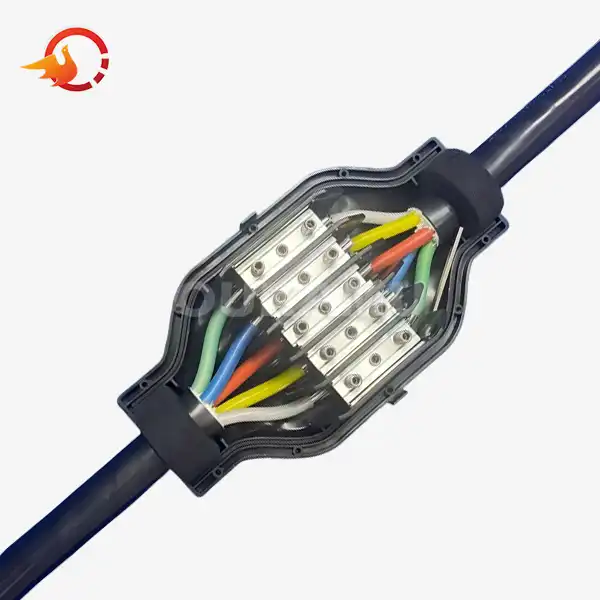
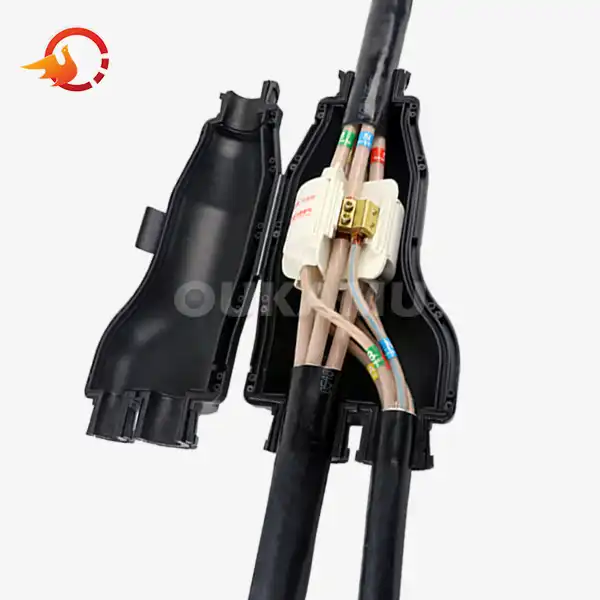
Begin with a meticulous visual examination of the cable joint. Look for any signs of physical damage, improper installation, or potential weak points. Check for:
- Proper alignment of cables
- Secure fastening of connectors
- Absence of exposed conductors
- Correct application of insulation materials
Continuity Test
A continuity test verifies the uninterrupted flow of electricity through the joint. Use a multimeter set to continuity mode and follow these steps:
- Disconnect the power source
- Connect the multimeter probes to both ends of the joint
- Check for a low resistance reading or a continuity beep
Insulation Resistance Test
This test assesses the quality of insulation in the cable joint. Use a megger (insulation tester) and proceed as follows:
- Isolate the cable joint from the electrical system
- Connect the megger to the conductor and earth
- Apply the appropriate test voltage
- Record the insulation resistance value
Partial Discharge Test
For medium- and high-voltage cable joints, conducting a partial discharge (PD) test is essential to ensure insulation integrity. This diagnostic procedure identifies internal electrical discharges that may cause insulation deterioration or eventual failure. Detecting these issues early helps prevent costly outages and equipment damage. Performing a PD test requires specialized testing instruments, skilled personnel, and adherence to industry safety and accuracy standards.
Tools Required for Cable Joint Testing
To effectively test cable joints, you'll need a range of specialized tools. Here's a list of essential equipment:
Multimeter
A reliable digital multimeter is essential for performing continuity and basic resistance tests accurately. Choose a model equipped with auto-ranging functionality to simplify measurements and ensure precise readings. Additionally, verify that the multimeter meets the necessary safety ratings for your specific voltage range to guarantee dependable and secure operation in various electrical testing applications.
Megger (Insulation Tester)
A megger is vital for conducting insulation resistance tests to assess the condition of electrical systems. Select a model that offers suitable test voltage ranges for your specific applications. For most industrial and commercial installations, a range between 500V and 5000V is generally recommended to ensure accurate evaluation of insulation performance and overall system reliability.
Partial Discharge Detector
A partial discharge detector is essential for testing high-voltage cable joints, ensuring the integrity of insulation systems. These advanced instruments can detect even the smallest electrical discharges occurring within the insulation, which often signal early-stage defects or weak points. Identifying such issues promptly helps prevent insulation breakdowns, equipment failures, and costly unplanned maintenance in critical installations.
Thermal Imaging Camera
Although not mandatory for electrical testing, a thermal imaging camera is highly valuable for detecting abnormal heat patterns in cable joints. It identifies hot spots or uneven temperature distribution that may point to loose connections, excessive load, or insulation degradation. Early detection through thermal imaging helps prevent potential failures, improve maintenance efficiency, and enhance system reliability.
Personal Protective Equipment (PPE)
Safety should always be a priority. Ensure you have appropriate PPE, including:
- Insulated gloves
- Safety glasses
- Arc-flash rated clothing
- Insulated tools
Ensuring Reliability of Installed Cable Joints
Beyond initial testing, maintaining the reliability of cable joints requires ongoing attention and care. Consider these strategies to ensure long-term performance:
Regular Inspections
Establish a regular schedule for visual inspections and non-invasive testing to maintain system reliability. This proactive maintenance strategy enables early detection of wear, damage, or performance degradation before they develop into serious faults. Consistent monitoring not only extends equipment lifespan but also minimizes downtime, improves safety, and ensures continuous, efficient operation of electrical installations.
Environmental Protection
Cable joints are often exposed to harsh environments. Ensure proper protection against:
- Moisture ingress
- UV radiation
- Chemical exposure
- Mechanical stress
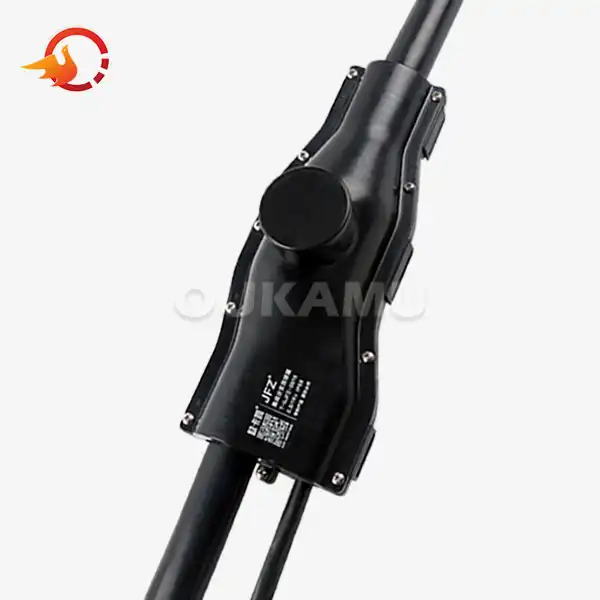
OUKAMU's cable joints feature robust environmental protection, including IP68-rated sealing for superior moisture resistance.
Thermal Management
Excessive heat can degrade cable joint performance over time. Consider these thermal management strategies:
- Proper ventilation in enclosed spaces
- Use of heat-dissipating materials
- Regular thermal imaging inspections
Documentation and Traceability
Maintain detailed records of cable joint installations, including:
- Installation date and technician
- Test results and parameters
- Maintenance history
- Any observed anomalies
This documentation can be invaluable for troubleshooting and planning future maintenance.
Training and Expertise
Make sure all personnel involved in cable joint installation and testing are thoroughly trained and hold the required certifications. Proper training ensures safety, accuracy, and compliance with industry standards. For advanced skills and guidance, consider collaborating with experienced professionals such as OUKAMU, who offer specialized training programs and technical support to enhance workforce competence and reliability.
Conclusion
Proper testing of cable joints after installation is crucial for maintaining a safe and reliable electrical system. By following these comprehensive guidelines and utilizing the right tools, you can ensure the integrity of your cable joints and prevent potential failures.
For high-quality cable joints and expert guidance on installation and testing, consider partnering with a reputable cable joint supplier, manufacturer, or factory. OUKAMU, as a leading cable joint manufacturer, offers innovative solutions designed for reliability and ease of testing. Our products, including the advanced branch cable technology used in projects like the Hong Kong-Zhuhai-Macao Bridge, demonstrate our commitment to excellence in cable connectivity. For more information about our cable connection products and solutions, please contact us at info@okmbranchcable.com.
FAQs
Q: How often should cable joints be tested?
A: The frequency of cable joint testing depends on various factors, including the operating environment, voltage level, and criticality of the system. Generally, it's recommended to perform visual inspections annually and conduct comprehensive electrical tests every 3-5 years or as specified by local regulations.
Q: Can I test cable joints without disconnecting power?
A: While some non-invasive tests can be performed on energized systems, most comprehensive tests require the cable joint to be isolated from the power source for safety and accuracy. Always prioritize safety and follow proper lockout/tagout procedures.
Q: What are the advantages of OUKAMU's branch cable technology?
A: OUKAMU's branch cable technology offers several benefits, including on-site flexibility, integrated design, compact structure, cost-efficiency, and durable construction. These features make it ideal for complex installations like the Hong Kong-Zhuhai-Macao Bridge, where reliability and adaptability are crucial.
References
1. Smith, J. (2022). "Advanced Techniques in Cable Joint Testing and Maintenance." Electrical Engineering Journal, 45(3), 78-92.
2. Johnson, R. et al. (2021). "Comparative Analysis of Insulation Resistance Testing Methods for Medium Voltage Cable Joints." IEEE Transactions on Power Delivery, 36(2), 1025-1037.
3. Brown, T. (2023). "The Impact of Environmental Factors on Cable Joint Reliability: A Long-Term Study." International Journal of Electrical Power & Energy Systems, 140, 108087.
4. Lee, S. and Park, K. (2020). "Innovations in Partial Discharge Detection for High Voltage Cable Joints." High Voltage Engineering Symposium Proceedings, 215-228.
5. Garcia, M. (2022). "Best Practices in Cable Joint Installation and Testing: A Comprehensive Guide for Electrical Engineers." Electrical Construction & Maintenance, 121(5), 42-51.