

_1790150425011.webp)
Armoured Cable Connector vs Traditional Cable Joint Methods Guide






 2026-09-04 10:47:39
View:389
2026-09-04 10:47:39
View:389Choosing between Armoured Cable Connectors and traditional cable joint methods significantly impacts the safety, reliability, and long-term cost efficiency of electrical installations. Modern armoured cable connectors, which integrate the Armoured Cable Connector as a complete, factory-engineered interface, deliver superior mechanical protection, waterproofing, and compliance with international safety standards compared to older jointing techniques like heat shrink tubing, soldering, and mechanical compression joints.
We've seen traditional methods struggle with moisture ingress, environmental stress, and maintenance demands, while armoured solutions provide integrated designs that reduce failure rates and simplify on-site flexibility. This guide examines performance differences, procurement strategies, and real-world applications to help engineering and procurement professionals make informed decisions aligned with operational priorities and budget constraints.

Understanding Armoured Cable Connectors and Traditional Cable Joint Methods
To control cables well, you need to choose connection methods that combine safety, ease of installation, and resistance to environmental damage. Despite the fact that both Armoured Cable Connectors and conventional joint techniques are used in industry, their design ideas and performance levels are very different.
What Are Armoured Cable Connectors?
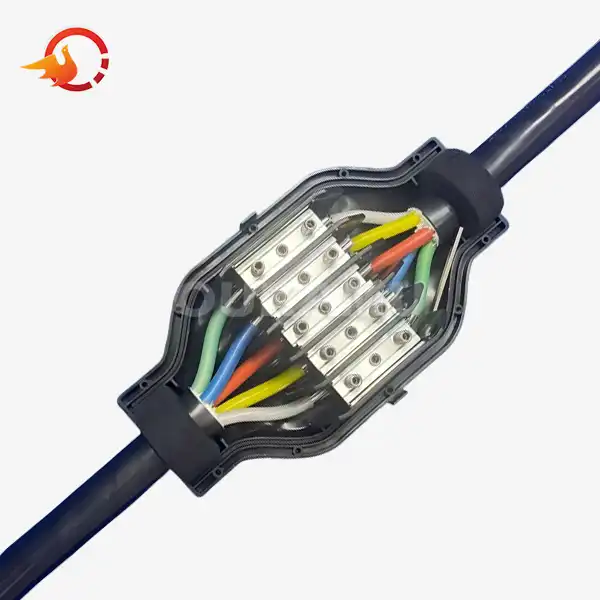
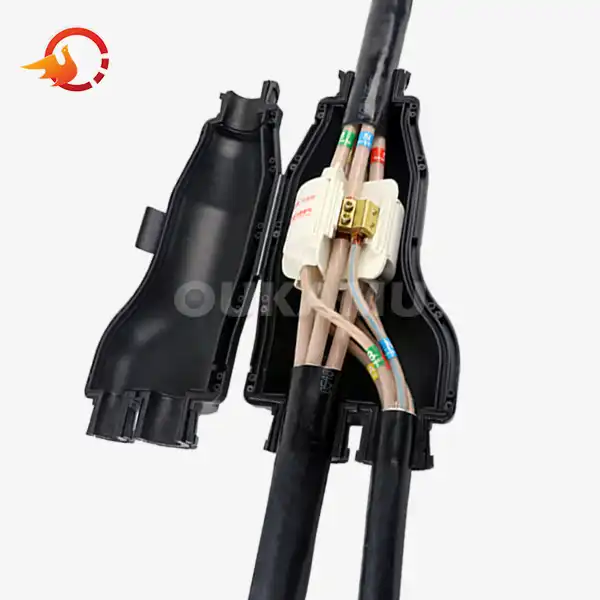
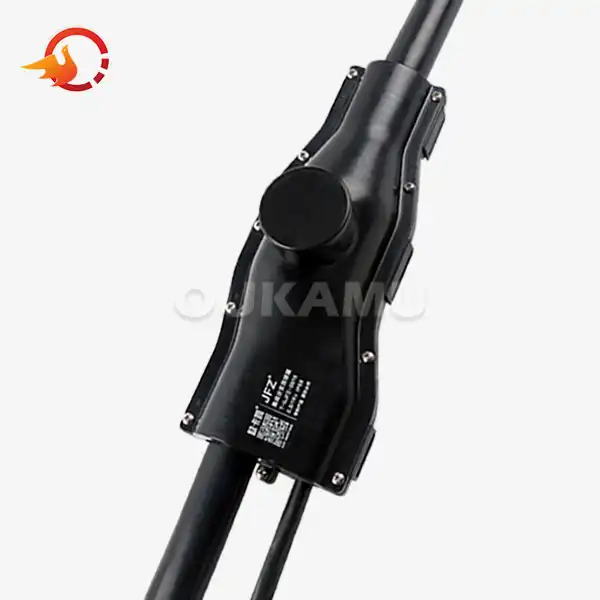
To protect cables from damage, moisture, and harmful elements, Armoured Cable Connectors are built with mechanical safety in mind. These connectors can work with different types of cables, such as three-core steel wire armoured cables for single-phase lines with earth links and four-core cables for three-phase use. The armoured design makes the wires last longer in places like underground installations, outdoor lighting systems, industrial sites, and power distribution networks where they are constantly under mechanical stress and bad weather.
Traditional Cable Joint Methods: An Overview
For many years, traditional jointing methods have been the basis of electrical work. By using controlled heat to shrink-fit materials around wire joints, heat shrink tube insulates and seals off the environment. Compression fittings or bolted connections are used in mechanical joints to keep conductors in place. Soldering, on the other hand, makes permanent metal bonds between cable ends.
Metal conduit fittings protect cables from the outside by routing them through rigid or flexible conduit systems. People still use these methods because they are easy to understand and don't cost as much at first, but they need trained workers to make sure they close properly and keep the mechanical integrity.
Key Differences in Application and Design
Armoured Cable Connectors offer built-in safety that makes installation easier and guarantees consistent quality. Using traditional ways requires very careful work to get the same level of safety, especially when it comes to waterproofing and mechanical strength. Protected systems work best in places where wires are hit by objects, get wet, or experience big changes in temperature.
Traditional joints work well in controlled indoor settings, but they usually need extra safety steps when they're used outside or underground. Knowing these differences helps people who work in procurement match connection methods to the needs of a project and the challenges of the environment.
Limitations of Traditional Cable Joint Methods & Rise of Armoured Cable Connectors
Traditional ways of joining cables have problems that keep coming up. These problems make systems less reliable and require more maintenance, especially in harsh industrial settings.
Moisture Ingress and Environmental Vulnerability
It's hard for heat shrink tubes and mechanical joints to keep their watertight seals for long periods of time, especially when they are subject to temperature changes that cause them to expand and contract; in contrast, a properly installed Armoured Cable Connector maintains a stable, durable seal under the same thermal cycling conditions, effectively preventing the moisture ingress that, in traditional systems, causes conductors to rust and shielding to break down. Moisture getting into electrical systems causes conductors to rust and shielding to break down.
Eventually, the electricity stops working, which requires expensive emergency repairs. In places that are dirty or chemically harsh, where standard covering materials break down faster than expected, traditional methods also don't work. We've seen projects where poor moisture protection caused the whole system to shut down during crucial production times. This shows the operating risks that come with using old jointing methods.
Mechanical Stress and Physical Damage
Soldered joints and compression fittings don't have the mechanical support they need to handle the vibrations, impacts, and bending stresses that happen on construction sites, in factories, and on transportation infrastructure. Cable damage from heavy equipment or normal foot traffic often happens at joint locations where traditional methods don't offer much physical protection. Repair processes happen more often and cause more problems, which raises worker costs and lowers system efficiency.
Enhanced Protection Through Armoured Solutions
By integrating flame-retardant, fire-resistant, and anti-corrosion materials into integrated designs, modern Armoured Cable Connectors overcome these drawbacks. Following the rules set by IEC, UL, and GB/T 14048.7-2016 guarantees consistent performance in harsh industrial conditions. In the real world, these joints have lower failure rates and longer service intervals than traditional joints. This directly leads to lower lifecycle costs and higher operational safety.
Case Study: Industrial Plant Cable Upgrade
Armoured Cable Connectors were used instead of heat shrink joints on the 240mm trunk wires and 70mm branch circuits at a factory in Ohio. The change got rid of moisture-related problems that kept happening and shut down the production line about three times a year on average. Installation teams liked that they could change the places of branches on the spot without having to measure first. This saved about 2.5 meters of cable per connection point. Over the course of 18 months, the number of maintenance calls dropped by 67%, and the facility saved about $42,000 in downtime costs.

Evaluating Performance: Armoured Cable Connectors vs Traditional Methods
When you compare their performance across a number of important criteria, you can see that modern Armoured Cable Connectors and traditional jointing techniques have clear pros and cons.
Durability and Service Life
Due to their built-in protections and premium insulation materials, Armoured Cable Connectors usually have a service life of more than 25 years in challenging settings. Traditional joints may need to be replaced or fixed up every 10 to 15 years, especially if they are exposed to water, extreme temperatures, or mechanical stress. The initial investment in armoured solutions pays off because they don't need to be replaced as often and cost less to maintain over time.
| Performance Criterion | Armoured Cable Connectors | Traditional Cable Joints |
|---|---|---|
| Moisture Resistance | Design that is fully sealed and rated IP67+ | Changing, relies on how well it was installed |
| Mechanical Protection | Integrated armor made of steel and aluminum | Needs an outside pipe or covering |
| Installation Time | 30 to 45 minutes for each joint | 45 to 90 minutes for each joint |
| Maintenance Frequency | Every 5 to 7 years | Every two to four years |
| Compliance Certifications | The IEC, UL, and GB/T standards | Not enough standardization |
Safety Standard Compliance
Armoured connectors regularly get certifications from well-known testing groups, which show that they are resistant to flames, electrical interference, and harsh environments. When using old methods, installers' skills are often relied on instead of standard parts, which makes the safety performance less consistent. Armoured solutions offer clearer documentation trails and consistent quality assurance, which helps procurement managers reduce liability risks and make sure they follow the rules.
Installation Efficiency and On-Site Flexibility
Installation teams that aren't familiar with how armoured connectors work may need a short training period, but the learning curve isn't too steep. Making branch links along trunk wires from anywhere takes the guesswork out of planning a project and lets you make last-minute design changes without throwing away any materials. Traditional joints need to be carefully measured before they are used, and they often need to be made to order when conditions in the field differ from what was planned, which takes more time and resources.
Environmental Resistance Across Conditions
Armoured connectors are very helpful for underground installs because they don't react with chemicals in the dirt, water that seeps in, or the mechanical pressure from backfill materials. Applications outside are protected from UV rays, changes in temperature, and rain or snow. In these situations, traditional methods don't work well unless they are paired with pricey external safety systems, which takes away from their supposed cost benefits. Standard jointing materials break down faster in corrosive industrial settings. But armoured designs have anti-electrochemical corrosion qualities that keep them intact for longer periods of time.
How to Choose the Right Cable Joint Solution for Your Industrial Needs
To choose the best cable connection methods, you need to carefully look at factors that are specific to the project, as well as the capabilities of the supplier and estimates of the costs over the product's lifetime.
Assessing Environmental and Operational Conditions
Start by making a list of the installation environment's features, such as whether it will be indoors or outdoors, underground or above ground, exposed to chemicals or high temperatures, and the amount of mechanical stress that is expected. Cables that go through places with a lot of traffic or factories need to be protected with armour to keep them from getting damaged by accident. Underground power lines and outdoor lighting systems need designs that are waterproof and won't rust. If the right steps are carefully followed during installation, traditional ways can work with indoor electrical panels in climate-controlled buildings.
Cable Type and Electrical Requirements
Make sure that the connector's specs match the cable's configuration and voltage rating. Three-core armoured wires work best for single-phase lines that need to connect to the earth, while four-core versions are better for three-phase uses. Main cable cross-sections range from 95 mm² to 240 mm², and branch cables range from 6 mm² to 70 mm². These sizes determine what cables can be used together. Check that the connectors can handle the rated voltage, which is usually 0.6/1kV for low-voltage industrial uses, and the expected current loads without getting too hot or dropping the voltage.
Regulatory Compliance and Certification Verification
Officers in charge of buying things must make sure that cable joint solutions meet all safety standards that apply. These may include IEC international standards, UL listings for North American markets, and local rules such as GB/T 14048.7-2016. Ask sellers to show you proof of their certifications and make sure that the test results come from recognized labs. Compliance proof guards against liability claims and makes sure that installations pass inspections by authorities that are in charge of electrical systems.
Supplier Reputation and Market Positioning
Large multinational companies like 3M, ABB, and Hellermann Tyton are in the cable connection market, as well as smaller companies that focus on new ideas. Assess providers based on the variety of products they offer, their ability to make changes, wait times, and the areas they serve. With 17 years of experience in cable branch connector technology, Xi'an Oukamu Electric Co., Ltd. is a great example of specialized expertise. They were the first to make progress in on-site flexible installation methods. Knowing that a supplier has worked with similar businesses in the past gives you faith in their quality and technical help.
Total Cost of Ownership Analysis
Compare the upfront costs of materials with the expected long-term costs, such as installation labor, maintenance frequency, the chance of downtime, and replacement intervals. Even though Armoured Cable Connectors cost more at first, they save money in the long run because they last longer and need less upkeep. Traditional joints may seem cheap at first, but they end up costing more in the long run because they need to be fixed more often and could cause production to stop because of a failure. Long-term relationships with suppliers and deals to buy in bulk often lead to volume discounts that make armoured options more cost-effective.
Procurement Guide: Acquiring High-Quality Armoured Cable Connectors
To strategically source cable connection parts, you need to know how the market works, how to check the quality of the parts, and how to handle your relationships with suppliers in a way that keeps supply lines running smoothly.
Identifying Reputable Supply Channels
The main ways to buy things are through distributors of electrical products, suppliers of engineering materials, and direct relationships with manufacturers. E-commerce sites online make it easier to get a wide range of products, but buyers need to be very careful to check the identities of sellers and make sure the products they sell are real.
Building relationships with companies that make cable connectors gives you access to technical knowledge, the ability to customize your order, and priority support during the project execution phases. Before committing to large orders, you should check out trade shows in your business and ask for samples of products to see how well they are built.
Bulk Purchasing Strategies and Volume Discounts
Instead of negotiating prices based on individual project quantities, base them on expected annual consumption volumes. When buyers from different projects or places work together, they can get better deals, and it's okay for manufacturers to spend money on custom solutions. During manufacturers' capacity planning stages, seasonal changes to inventory and the preparation of promotional stock can help you get better prices. We suggest setting up blanket purchase orders with scheduled delivery releases that balance the costs of keeping inventory with the lower unit prices that come from making commitments to buy in bulk.
Customization Options for Specialized Applications
Most industrial needs can be met by standard armoured connectors, but some projects may need custom specifications for cable cross-sections, environmental ratings, or integration with existing infrastructure. If a manufacturer has its own engineering department, it can change plans to meet specific needs without having to wait a long time. For example, on-site branch connection systems offer customization value by letting field workers change branch places on the fly, without having to follow the rigid pre-fabrication rules that come with older methods.
Quality Verification and Performance Testing
Before choosing a supplier, make sure you get evidence on the material makeup, electrical test records, and mechanical stress analysis results. Testing by a third party gives manufacturers a way to back up their claims about flame retardancy, insulation resistance, and environmental durability. Before deploying the whole project, you should do test setups to see how easy they are to use and how well they work in real-world situations. As part of quality assurance protocols, incoming inspection steps should be included to make sure that measurements are correct, materials are intact, and there are no manufacturing flaws.
| Cable Specification | Suitable Application | Oukamu Product Range |
|---|---|---|
| Main cable: 95 to 120 mm² | Distribution of light industrial goods | Integrated branch connectors with adjustable positioning |
| Main Cable: 150 to 185 mm² | Building power for businesses | Flame-resistant and waterproof designs |
| 240 mm main cable | Main trunk lines for heavy industry | Corrosion-resistant, high capacity Armoured Cable Connectors |
| Branch Cable: 6 to 25 mm² | Lights, control wires | Small area needed for installation |
| 35–70 mm branch cable | Feeders for equipment | Rated 0.6/1kV, built to be used again and again |
After-Sales Support and Technical Assistance
Give more weight to suppliers that offer full support after the sale, such as installation training, troubleshooting help, and warranty services. Technical help hotlines filled by experienced engineers quickly answer questions about installation in the field, avoiding costly delays. The warranty should cover material flaws and performance problems under certain operating conditions, and there should be clear steps for replacing or fixing the product. Long-term relationships with suppliers make it easier to share information, which helps the internal team keep cable networks running and add to them over time.
Case Study: Large-Scale Distribution Network Upgrade
A utility company in the region that serves 45,000 customers replaced all of the old cable joints in substations and distribution nodes. The procurement team chose armoured cable branch connectors because they are better at withstanding harsh environments and are easier to install on-site.
When compared to the first prices, buying in bulk cut unit costs by 22%, and standard designs made it easier to keep track of inventory at 17 service sites. Installation crews finished the changes during scheduled maintenance windows, so there were no unplanned shutdowns. Three years after the system was put in place, fault rates dropped 54%, showing that the choice to invest in premium link technology, even though it cost more at first, was the right one.
Conclusion
The dependability, upkeep costs, and operating safety of an electrical system are all significantly impacted by choosing between Armoured Cable Connectors and conventional joint techniques. Armoured solutions offer better mechanical protection, better resistance to the environment, and compliance with international safety standards that are hard for traditional methods to consistently meet.
Modern connectors cost more at first, but they save money over time because they don't need to be serviced as often and cause fewer problems. Instead of just looking at upfront material prices, procurement workers should think about the total cost of ownership, the capabilities of the supplier, and the unique needs of the project. Strategic sourcing from specialized makers gives you access to new designs and technical help that make installation go more smoothly and last longer.
FAQ
What distinguishes Armoured Cable Connectors from regular joints?
In a single component design, Armoured Cable Connectors combine mechanical security, sealing, and standard safety compliance. To get similar levels of protection, traditional joints need to be made of more than one material and be installed very carefully, which leads to differences in how well they work.
Can armoured connectors be used in outdoor and underground applications?
Of course. Outdoor and underground problems can be solved with armoured designs that use materials that don't rust, seals that keep water out, and mechanical strength that is much better at handling soil pressure, temperature changes, and water exposure than traditional methods.
How can I be sure that electricity safety guidelines are being met?
Ask sellers for proof papers that show their products have been tested by approved labs against standards like IEC 60364, UL 1569, or GB/T 14048.7-2016. Manufacturers with a good reputation give detailed compliance reports that cover things like flame resistance, electrical insulation, and environmental performance.
Are armoured cable connectors reusable?
Many current designs, even high-tech systems made by specialized companies, are built in a way that makes them reusable. This means that they can be taken apart and put back together again without having to replace any parts. This feature cuts down on wasteful spending on materials and lets the system be changed easily as operational needs change.
Partner with Oukamu for Superior Armoured Cable Connector Solutions
Xi'an Oukamu Electric Co., Ltd. has been specializing in Armoured Cable Connector technology for 17 years and can help buying workers find reliable, low-cost ways to connect electrical devices. Our Armoured Cable Connector systems let you place branches on-site at any point along trunk lines. This gets rid of the need for pre-fabrication and cuts down on waste by 2 to 3 meters per connection. Integrated designs offer protection against fire, water, and corrosion that is suitable for tough infrastructure, municipal, and industrial projects.
As a well-known company that makes Armoured Cable Connectors, we help electrical product stores, distributors, and project contractors by letting them buy in small to medium amounts, offering competitive bulk prices, and providing full technical support. Visit okmbranchcable.com or email info@okmbranchcable.com to talk about your project needs and find out how our unique cable connection solutions make installation faster and safer while also ensuring long-term stability.
References
1. National Electrical Contractors Association. (2021). Cable Installation Standards and Best Practices for Industrial Applications. NECA Publications.
2. International Electrotechnical Commission. (2020). IEC 60364: Low-Voltage Electrical Installations – Part 5-52: Selection and Erection of Electrical Equipment – Wiring Systems. IEC Standards.
3. Institute of Electrical and Electronics Engineers. (2019). IEEE Guide for the Installation of Overhead Transmission Line Conductors. IEEE Power and Energy Society.
4. British Standards Institution. (2018). BS 7671:2018 Requirements for Electrical Installations – IET Wiring Regulations. BSI Publications.
5. Underwriters Laboratories. (2022). UL 1569: Standard for Safety for Metal-Clad Cables. UL Standards & Engagement.
6. China National Standardization Management Committee. (2016). GB/T 14048.7-2016: Low-Voltage Switchgear and Controlgear – Part 7: Ancillary Equipment. Standards Press of China.