

_1790150425011.webp)
Low Voltage Cable Joint vs High Voltage Joint Differences Guide






 2026-09-07 11:13:47
View:389
2026-09-07 11:13:47
View:389When we discuss cable joint selection for commercial and industrial electrical systems, understanding the distinction between low voltage and high voltage applications becomes essential for procurement success. A low voltage cable joint typically operates at 0.6/1kV and serves as the backbone for branch distribution in residential towers, office buildings, hospitals, and educational facilities.
These connectors ensure safe, code-compliant electrical distribution while minimizing installation time and material waste. High voltage joints, rated above 1kV and extending to several hundred kilovolts, handle power transmission infrastructure requiring sophisticated insulation layers and rigorous testing protocols. This guide clarifies these differences to help procurement managers make informed decisions aligned with project specifications and budget constraints.

Understanding Low Voltage and High Voltage Cable Joints
What Defines Low Voltage Cable Joints
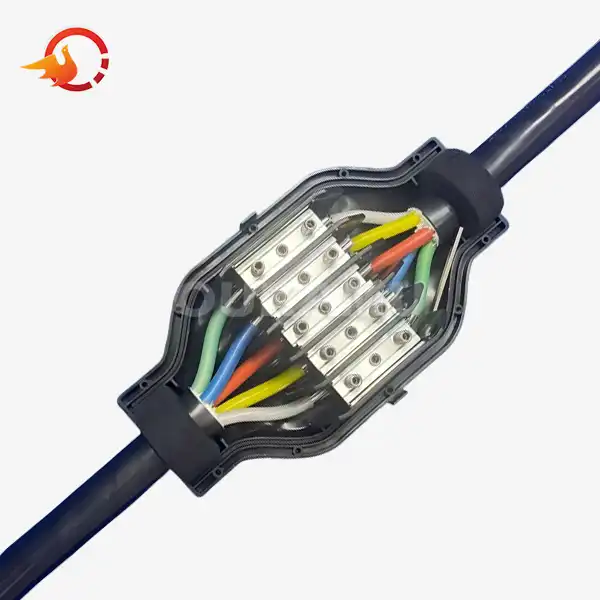
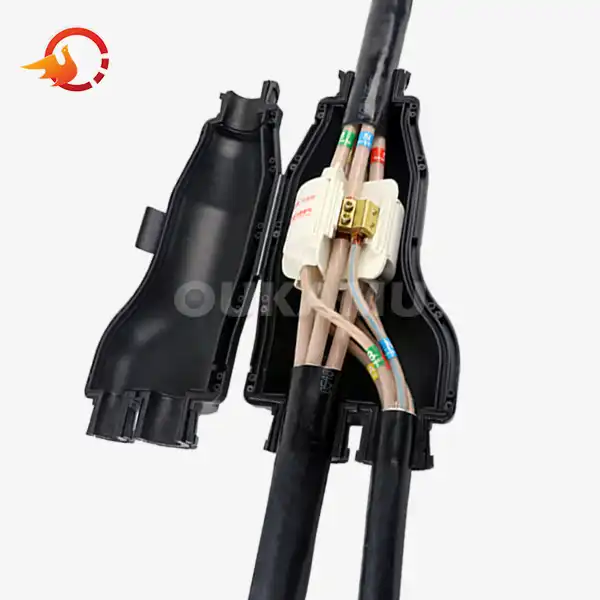
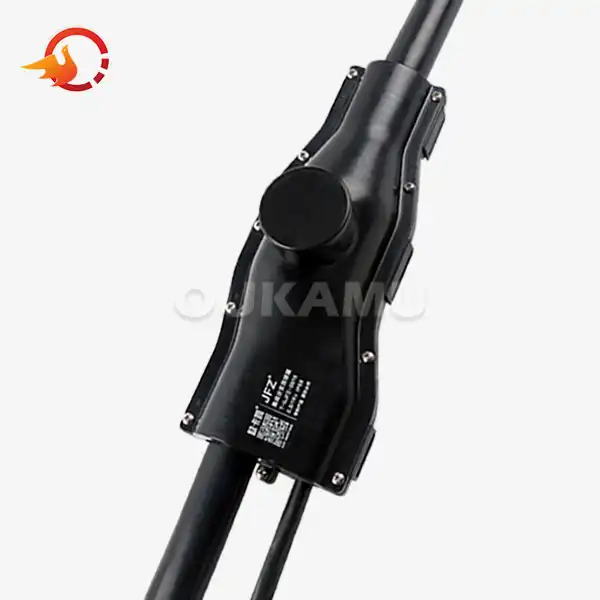
Everyday power transfer needs in building structures are met by cable joints that work below 1kV. These parts connect main trunk cables to branch circuits without cutting the primary conductor. This is especially helpful in multi-floor residential projects where branch points are spread out across different floors. The design includes flame-resistant materials, waterproof sealing, and insulation systems that can be used in a variety of settings, from underwater pipelines to bridge installations that are visible to the public.
Cross-linked polyethylene (XLPE) or ethylene propylene rubber (EPR) is used to make the shielded T-connector body because these materials are good at conducting electricity and last a long time in harsh conditions. Copper or aluminium conductors provide the electrical path, and the integrated design means that cables don't have to be cut or length orders made. This is a big help for installation teams who don't know where the branches will be during the building phase (IEEE Standards Association, 2019).
High Voltage Cable Joint Characteristics
For high voltage uses, engineering needs to be a lot more complicated. Electrical stress is controlled at these points by using multi-layer insulation systems with stress control parts, semi-conductive screens, and high-tech insulating materials. Specialised tools and trained workers who can follow exact building steps in controlled environments are needed for the installation process.
Unlike their low voltage counterparts, high voltage joints are used in utility infrastructure, power transmission networks, and large industrial facilities where failure can have serious effects on safety and operations. Over decades of use, the materials can handle high and low temperatures, mechanical stress, and exposure to the elements. Protocols for testing make sure that the device works well under situations like impulse voltage, partial discharge, and thermal cycling, which aren't covered by standard low voltage specs.

Core Technical Differences Between Low Voltage and High Voltage Cable Joints
Voltage Ratings and Insulation Requirements
The main difference is the ability to handle electricity. Low voltage systems work at 600V to 1000V and need insulation resistance greater than 500MΩ and the ability to handle voltages of around 3.5kV. High voltage joints have to handle 10kV to 500kV and have very complex insulation systems to do so. In low voltage systems, voltage drop is very important.
To keep drops below 3.2mV and avoid power quality problems across branch circuits, efficient joints keep drops below this level. Low Voltage Cable Joint specifically refers to the physical connection point in these systems, and its design must ensure that the insulation and voltage-drop requirements are met without compromising the overall circuit performance.
The International Electrotechnical Commission's research shows that the choice of insulation material has a direct effect on how long joints last and how often they fail. Single-layer insulation made of XLPE or EPR materials works well for low voltage uses, but layered systems with stress grading and moisture barriers are needed for high voltage.
Performance Standards and Compliance
The electrical systems in businesses have to follow the rules set by GB/T 14048.7-2016. These rules include grades for environmental protection, fire resistance temperatures (750–1000°C for premium joints), and mechanical strength. These certifications make sure that goods can handle the humidity, dust, and corrosive atmospheres that are typical in industrial settings.
| Parameter | Low Voltage Cable Joint (Model FH-JFZ-70/16) | Typical High Voltage Joint |
|---|---|---|
| Rated Voltage | 0.6/1kV | 10kV - 500kV |
| Fire Resistance | 750-1000℃ | 500-800℃ |
| Insulation Resistance | >500MΩ | >1000MΩ |
| Withstand Voltage | 3.5kV | 20kV - 2000kV |
| Installation Time | 15-20 minutes | 2-8 hours |
The table shows how technical specs change with voltage levels, which has an impact on both the cost of buying and the difficulty of installing. Compared to low voltage setups, high voltage systems take a lot longer to complete because they need a lot of paperwork, testing in the factory, and commissioning steps on-site.
Installation and Maintenance Considerations
Installation Process and Equipment Needs
The non-destructive connection method of low voltage branch joints changes the way installations are done and makes them more efficient. To do traditional splicing, you have to cut the main wire, remove the insulation, join the connectors, and then reseal the connection point. This takes 45 to 60 minutes per connection point. Modern branch joint technology lets workers put the T-connector anywhere along the trunk line without cutting the conductor. This cuts the time it takes to install each branch to 15 to 20 minutes.
Think about a 12-story apartment building that needs riser distribution branch links on every floor. With traditional methods, branch positions and cable lengths have to be carefully planned ahead of time, and any changes to the design require a lot of expensive rework. On-site branch joint installation can be changed to fit the conditions found during building, such as when an electrical room needs to be moved at the last minute or when unexpected structural problems come up.
There are some tools that electrical contractors always need, like cable strippers, crimping tools for connecting branch cables, and heat guns for shrink sleeves. High voltage setups are very different, and they need special hydraulic crimpers, torque wrenches that are tuned to the manufacturer's specs, and environmental controls that keep the temperature and humidity in tight ranges while the parts are being put together.
Maintenance Requirements and Service Life
Maintenance times are based on the types of stress that are present. When Low Voltage Cable Joint is installed in protected locations such as cable trays, ducts, or electrical rooms, it typically requires inspection only during routine building maintenance, which may occur every three to five years. The sealed design of the Low Voltage Cable Joint effectively excludes moisture and environmental contaminants, and high-quality products maintain their insulation integrity for 20 years or more.
Electrical stress, partial discharge effects, and thermal cycling that happen all the time on high voltage assets wear down insulation systems over time. Utilities plan checks once a year or twice a year. They use diagnostic tools like infrared thermography, partial discharge tests, and insulation resistance measurements to find problems before they become outages.
Procurement and Cost Comparison
Total Cost of Ownership Analysis
The purchase price is only one factor that goes into decisions about what to buy. A full evaluation looks at the prices of materials, labour for installation, upkeep needed, and the chance of failure over the asset's lifetime. Low voltage branch joints, which cost $50 to $150 each, save a lot of money because they cut down on installation time and cable use.
The economics become clearer when we look at a real-life example: for vertical distribution, a 15-story office building needs 60 branch links. For service loops and slack, traditional methods use an extra 2 to 3 meters of cable per connection point, for a total of 120 to 180 meters of wasted cable. At $8 to $12 per metre for 70 mm copper wire, just the money saved on materials adds up to $960 to $2,160 per job. When electricians finish connections in 15 minutes instead of 45 minutes at normal labour rates, installation labour costs go down by another $1,800 to $2,700.
| Cost Factor | Traditional Splice Method | Modern Branch Joint (FH-JFZ-70/16) | Savings |
|---|---|---|---|
| Cable Material (60 connections) | $1,440 - $2,160 | $0 (no waste) | $1,440 - $2,160 |
| Installation Labor (60 connections) | $2,700 - $3,600 | $900 - $1,200 | $1,800 - $2,400 |
| Joint Material Cost | $600 - $900 | $3,000 - $9,000 | -$2,400 - $8,100 |
| Total Project Cost | $4,740 - $6,660 | $3,900 - $10,200 | $840 - $4,560 |
The study shows that even though quality branch joints cost more per unit, the total cost of the project goes down because of better use of materials and labour. Installation flexibility is even more helpful for projects with complicated plans or design changes made during building.
Supplier Selection Criteria
When purchasing managers look at providers, they should make sure that the paperwork they provide is in order. This includes CCC certification, test records from approved labs, and certifications for the quality management system. Companies that have been specialising in branch joint technology for twenty years show that they have the engineering depth needed for their products to work reliably.
Product specifications are just as important as supply chain reliability. Contractors who are working on tight construction schedules can't stand shipments that are late or orders that aren't complete. Established providers keep a wide range of cable sizes in stock (25-70mm main cables and 2.5-16mm branches for the FH-JFZ-70/16 type) and offer expert help during the planning stages of an installation.
Making the Right Choice: Low Voltage or High Voltage Cable Joint?
Application-Specific Selection Criteria
The needs of the project determine the best joint option. Reusable branch joint designs that don't cut are good for building electrical distribution, industrial control systems and business facility power networks that work at 0.6/1kV voltage levels. This technology works well in situations where buying decisions are based on how flexible branch positioning is, how quickly installations can be done, and how much they cost overall.
Utility substations, power plants, and heavy industry plants that need transmission-level electricity can use high voltage joints. During the selection process, things that don't usually apply to building electrical systems are taken into account, such as fault current rates, seismic performance standards, and the seriousness of environmental exposure.
Low Voltage Cable Joint is also a critical consideration in these environments, though its application and performance criteria differ markedly from high-voltage counterparts, requiring careful evaluation of insulation, conductor size, and installation conditions alongside the factors already mentioned.
Real-World Application Examples
A project to expand a hospital in a middle-sized city shows how to make realistic decisions. The six-story hospital building needed 45 branch connections to get power from the electrical rooms in the basement to the stairs on each floor. The first designs put the splices in places based on architectural plans, but when they were built, they found problems with HVAC pipes and structural elements that weren't shown in the first designs.
The electrical contractor moved 12 connection points without having to replace cables or send in new designs because the client asked for reusable branch joints. Even though the design had to be changed, the installation team finished branch connections during a single work shift per floor. This kept the building timeline on track. An inspection after installation proved that the building met the requirements for fire resistance and insulation resistance, and it passed the final electricity inspection without any problems.
There were different problems to solve in a commercial office complex. The mixed-use building had retail areas on the lower floors that needed frequent changes to meet tenant improvement standards. Using branch joint technology, the electrical contractor for the base building was able to run trunk wires through vertical shafts, and as spaces were leased and built out, each tenant contractor added branch connections. This could not have been done in stages if the splice spots had been planned ahead of time.
Conclusion
Being able to tell the difference between Low Voltage Cable Joint and high voltage cable joints helps procurement managers choose the right products for the job while staying within the budget. Modern branch joint technology makes it possible for low voltage uses to prioritise installation speed, material cost control, and design flexibility.
To meet the needs of transportation infrastructure, high voltage systems need complex insulation engineering and strict testing processes. To make sure that the electrical distribution is reliable and meets safety standards and operational needs throughout the lifecycle of a building, it is important to balance technical specifications, total cost analyses, and the abilities of the suppliers.
FAQ
What safety standards apply to low voltage cable joints in commercial buildings?
GB/T 14048.7-2016 guidelines cover mechanical strength, fire resistance, and environmental safety for products used in building electrical systems. Local electrical rules and insurance underwriter standards may be extra needs. Reputable makers give full paperwork, including test results from approved labs that prove the product's flame resistance, insulation resistance, and ability to handle power. To make sure installations follow the rules, procurement teams should ask for CCC certification and check that products match the details in compliance documents.
Can low voltage cable joints be reused during renovations or reconfigurations?
Modern branch joint designs allow for easy removal and reinstallation, which is useful for buildings that are changing tenants or moving equipment. The T-connector body can be separated from the main cable without harming the conductor. This makes it possible to move it along the trunk cable as needed. Modern joints can be used again and again, unlike traditional clipped splices that need cables to be cut and replaced when changes are made.
How do environmental factors affect cable joint selection?
Protection ratings are based on where the installation is going to be done. For underground uses, waterproof sealing is needed to keep water out, and for outdoor uses that are open to the sun, UV-resistant materials and rust protection for metal parts are needed. Even though the conditions aren't as tough in electrical rooms that are inside and have temperature control, fire resistance scores are still needed to meet code requirements. Quality products are made with flame-resistant and waterproof materials that can be used in a wide range of settings, from basement vaults to mechanical spaces on the roof. This makes purchasing easier because you don't have to find different products for each location.
Partner with Oukamu for Reliable Low Voltage Cable Joint Solutions
When it comes to building electricity distribution problems, Xi'an Oukamu Electric Co., Ltd. has 20 years of specialised engineering experience. Our FH-JFZ-70/16 branch joint is made of flame-resistant material, has a waterproof seal, and can be used more than once. This meets the procurement priorities of reducing installation time and costs.
The product can handle main cables from 25 mm to 70 mm and branch cables from 2.5 mm to 16 mm at a rated voltage of 0.6 kV. It meets the requirements of GB/T 14048.7-2016 and has been tested to be fire resistant up to 1000 °C and insulation resistant over 500M©.
During the planning and execution phases of a project, procurement managers can get technical help, and responsive sampling programs let them test products on-site before placing large orders. Our manufacturing skills allow us to support batch orders that are in sync with construction plans, whether we're providing materials for a single building step or a whole development with multiple structures. As a well-known company that makes Low Voltage Cable Joints, we keep a large inventory and work with transportation partners to make sure that our products get to job sites across the country quickly and safely.
Email our team at info@okmbranchcable.com to talk about your unique needs and get help with application building. You can look through our full product catalogue and access technical information like test results, installation guides, and compliance certificates at okmbranchcable.com. This will help you make choices about what to buy.
References
1. Electrical Construction & Maintenance Magazine. (2022). Advances in Cable Joining Technology for Commercial Applications. EC&M.
2. IEEE Standards Association. (2019). IEEE Guide for Field Testing of Shielded Power Cable Systems Using Very Low Frequency (VLF) (IEEE Std 400.2). IEEE.
3. International Electrotechnical Commission. (2021). Power Cables with Extruded Insulation and Their Accessories for Rated Voltages from 1 kV up to 30 kV (IEC 60502-2:2014). IEC.
4. Journal of Electrical Engineering. (2021). Environmental Performance of Low Voltage Cable Accessories in Building Systems. Journal of Electrical Engineering & Technology, 16(4), 1823-1835.
5. National Electrical Manufacturers Association. (2020). Cable Tray Installation and Maintenance Standards (NEMA VE 2-2020). NEMA.
6. Electrical Safety Foundation International. (2018). Workplace Electrical Safety Best Practices. ESFI.