

_1790150425011.webp)
How Branch Cable Simplifies Complex Wiring Tasks






 2026-09-03 16:18:11
View:389
2026-09-03 16:18:11
View:389Electrical contractors and procurement managers know the frustration: complex wiring projects where traditional connection methods demand cutting main cables, wasting materials, and consuming valuable installation time. Branch cables revolutionize this process by enabling secure electrical connections directly at the installation site without disrupting trunk lines. These specialized connectors integrate main and branch circuits within a sealed, flame-retardant housing, reducing material waste by 2-3 meters per connection while maintaining full compliance with international safety standards like GB/T 14048.7-2016.

Understanding Branch Cables and Their Role in Wiring Systems
What Defines a Branch Cable Connection
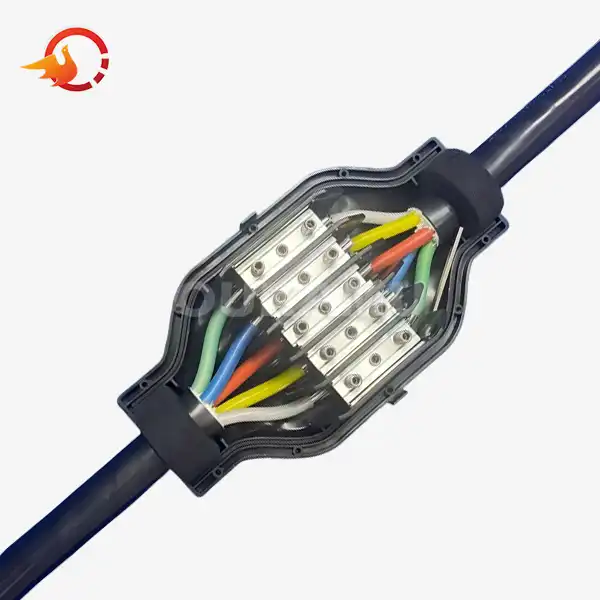
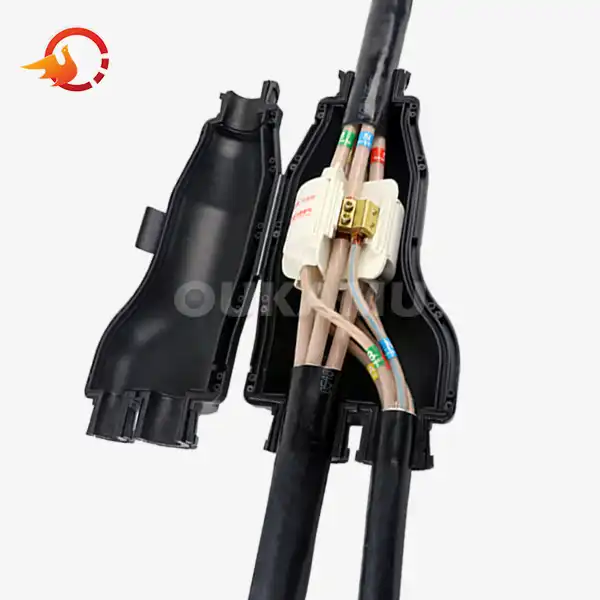
There is a junction point called a Branch Cable connection where extra circuits can join to main power lines without having to cut the cables. Modern branch connectors use piercing technology to make contact with the main conductor while keeping its continuity. This is different from traditional junction boxes, which need to splice and cut trunk cables. This way of doing things completely changes how electrical networks are planned and put in place in factories, businesses, and infrastructure projects.
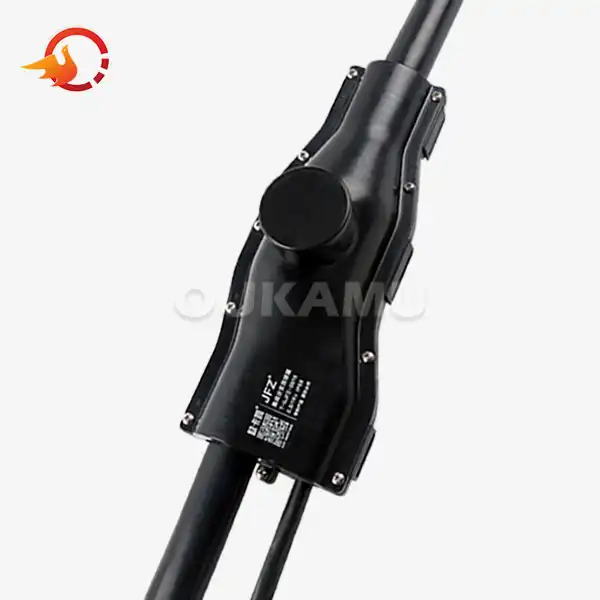
A T-shaped insulated body with copper or aluminum contact parts is usually used in the building. When the workers connect the adapter to the main cable, internal piercing tools cut thru the insulation to make an electrical connection without damaging the cable's structure. The whole system is put inside a flame-resistant, waterproof case that meets strict safety standards.
How Branch Connectors Differ from Traditional Wiring Methods
When using traditional wiring, you have to carefully plan your route because connection points have to be set before the cables are made. Changing the design during installation leads to problems that cost a lot of money. Branch connectors get rid of this problem by letting connection points be set up anywhere along the length of the trunk cable. This flexibility is very helpful when the site conditions are different from the original plans or when the places of tools change while the building is being done.
Power is sent from substations to local distribution points thru trunk lines, which act as the main distribution channels. The energy is then sent to individual pieces of equipment or load centers by feeder lines. Branch connections connect these systems quickly and easily, letting builders connect to trunk lines in the best places based on the conditions of the site rather than theoretical designs.
Types of Branch Cables and Selection Criteria for B2B Applications
Conductor Material Considerations
Copper conductors are great for high-current uses and places where temperatures change often because they are better at conducting electricity and last longer. For bigger cross-sections where weight reduction is important, aluminum is a cost-effective option. Main cables from 70mm to 185mm and Branch Cables from 2.5mm to 35mm are accommodated by the ZR-JFZ-185/35 model, which is suitable for the majority of industrial and business uses at a rated voltage of 0.6/1kV.
Insulation and Environmental Protection Features
Modern connectors have more than one layer of protection built in. Insulation that doesn't catch fire stops fires from spreading along wire paths. Fire-resistant building keeps circuits working even when temperatures rise, which is very important for emergency lighting and fire suppression systems. Sealing that is waterproof keeps water out of outdoor setups and other damp places. Anti-aging chemicals protect against oxidation and ultraviolet damage, which makes them last longer in harsh circumstances.
| Specification | ZR-JFZ-185/35 |
|---|---|
| Main Cable Range | 70-185mm² |
| Branch Cable Range | 2.5-35mm² |
| Rated Voltage | 0.6/1kV |
| Flame Rating | Flame Retardant |
| Protection Features | Fire Resistant, Waterproof, Dustproof |
| Reusability | Yes |
| Standard Compliance | GB/T 14048.7-2016 |
Procurement Evaluation Factors
Voltage levels must match the needs of the system. For example, 0.6kV is usually enough for household and light business uses, while 1kV may be needed for industrial setups. Different types of installations have different flexibility needs. For example, connectors placed in cable bridges need to have small profiles, while bigger housings can be used in open installations. Lead times depend on the manufacturer. For example, well-known suppliers like Oukamu keep common configurations in stock, which lets them quickly fill standard orders. However, custom specifications may take two to three weeks.
Quality approvals guaranty that products are made to the right standards and will work as expected. International certificates show that a product meets well-known safety standards. This lowers the risk of responsibility for both sellers and end users. Supplier track records are very important. For example, companies that have been specializing in branch connector technology for 20 years can offer better designs and better field performance than newer companies that just got into the market.
Installation and Safety Standards for Branch Cables
On-Site Installation Process
Preparing the cables is the first step in installation. Clean the surface of the trunk cable to get rid of any dirt or grime that could affect the sealing. Place the body of the connection at the branch point you want, making sure there is enough room for the Branch Cable to run. Open the housing of the connection and insert the main wire into the opening that is marked.
Tighten the piercing device to the force levels recommended by the maker. Too much torque can damage conductors, while too little torque makes high-resistance connections that can get too hot. The piercing parts go thru the covering to make touch with the wire electrically. Put the branch cable in the right channel and secure it with the built-in clamping system.
Before closing the case, put sealing substance on all of the connections. This step makes walls that are waterproof and stop water from getting in and causing rust. Secure the housing with the fasteners that come with it, making sure that the pressure is the same all the way around. Many current designs have visual cues that show when the closing is correct.
Safety Compliance and Risk Mitigation
The design and use of branch connectors are governed by international norms. IEC standards cover general wire accessories, including rules for testing in different environments and coordinating the insulation. UL certifications prove that products are safe for use in North American markets when it comes to fire and electricity. RoHS compliance makes sure that limits on dangerous substances are followed. This is especially important for equipment that is sent to controlled markets.
Some common installation risks are not enough insulation distance, which can cause phase-to-phase problems, not enough sealing, which lets moisture build up, and mechanical stress from not enough support, which can cause the link to break over time. Certified goods go thru a lot of tests that mimic these failure modes, which gives customers faith in their long-term dependability.

Comparing Branch Cable Solutions: Optimize Procurement Decisions
Functional Analysis Across Connection Types
Splicing systems, terminal blocks, and branch connectors are all used for different things. When you splice two wire ends together, you have to cut and dress both lines. Terminal blocks send power to several branch circuits, but they need their own enclosures and a lot of space to be installed. Branch Cable connectors are great for retrofit projects and complicated routing situations because they combine distribution features with ease of installation.
Material Trade-offs and Cost Implications
Connectors made of copper cost 30–40% more than those made of aluminum, but they have lower resistance and better corrosion protection in chemical and marine settings. Aluminum is cheaper when the conductors are bigger, because the cost of the material is the biggest part of the total project cost. Many distributors keep different types of copper on hand for everyday use and order aluminum for big projects.
| Feature | Copper Conductor | Aluminum Conductor |
|---|---|---|
| Conductivity | Superior (100%) | Good (61% of copper) |
| Weight | Heavier | Lighter (30% of copper) |
| Corrosion Resistance | Excellent | Moderate (requires protection) |
| Cost (per connection) | Higher | Lower (typical applications) |
| Typical Applications | High-current, corrosive environments | Large cross-sections, weight-sensitive installations |
Insulation Material Selection
When the temperature inside is less than 70°C, PVC insulation works well enough for indoor use. XLPE has better heat performance than other materials. It can work continuously at 90°C and in short circuits up to 250°C. For uses that need to move around a lot or have a small bending radius, TPE is more flexible. The decision is based on the expected mechanical stress, the working temperature, and the environment.
Sourcing methods should look at how specialized a company is. Companies that only make branch connectors tend to have better designs and faster technical help than companies that make other kinds of wire accessories. When evaluating a distributor, it's important to look at their product depth, technical know-how, and desire to keep stock for future purchases.
Benefits and Applications of Branch Cables in Complex Wiring Tasks
Operational Advantages in Industrial Settings
Cutting, removing, and connecting cables are no longer needed, which cuts down on installation time. Branch connectors can be used to finish a standard junction in 15 to 20 minutes instead of 45 to 60 minutes. Savings on labor costs grow with the size of the project. For example, installing 50 branch points in a building saves 25 to 40 man-hours.
Because trunk wires run continuously without needing extra length for junction boxes, material economy goes up. The old way of doing things wastes two to three meters per junction point to make room for installing the box and dressing the cables. Getting rid of this waste cuts the cost of buying Branch Cables by 8–12% on most jobs.
System reliability goes up because there are fewer places where things can go wrong because there are fewer connection points. Each standard splice adds a possible risk caused by bad insulation or differences in how the work was done. Branch connectors make the process of connecting cables more uniform, so all installation places get the same performance.
Simplifying troubleshooting makes maintenance more efficient. If there are problems, workers can separate and reconnect branch points without touching the main cable. The design is reusable, so connectors can be moved if the layout of the building changes. This gives the system flexibility that traditional wiring can't match.
Industry-Specific Applications Showcase
A case study of installing solar power shows that a 500kW commercial array needed 80 branch connections to get power from combiner boxes to inverters. If they had used the old ways, they would have had to cut and splice DC wires, which could have created arc fault spots. Branch connectors made it possible for continuous cable runs with tap-off points exactly placed at equipment locations. This cut installation time by 40% and made the system safer.
Building Automation Retrofit: As part of a project to update an office tower, lighting and HVAC controls were added to the equipment that was already there. Instead of putting in brand-new cables, the builders used branch connectors to connect to each floor's existing distribution systems. Compared to completely rewiring, this method cut the cost of materials by 60% while causing the least amount of trouble for tenants.
Controlling the manufacturing process: An auto assembly plant added more production lines, which meant they needed more sensor networks and control panels. With branch connectors, electricians could extend circuits from existing control rooms without having to shut down the system. Installation happened during normal business hours and didn't stop output, which was very valuable because it cut down on downtime.
These real-world examples show how flexible connection technology can be used to solve a wide range of problems in many different industries. Being able to change the wiring infrastructure to meet new needs without having to completely rebuild it gives businesses that operate in changing settings a strategic edge.
Conclusion
Branch Cables make difficult wiring problems easier to handle by getting rid of the limitations of old-fashioned junction methods. The technology has real benefits, like saving two to three meters of cable per connection, cutting installation time by fifty to sixty percent, and making systems more reliable by making connections easier. Products like the ZR-JFZ-185/35 are great examples of advanced design because they can fit main wires up to 185mm while still having small profiles that make them perfect for a wide range of installation settings.
Safety and durability are ensured by meeting international standards, and the fact that the building can be used again and again adds to its value over time. Branch connections have been used for decades to improve technology and test them in the field, making them a tried-and-true option for procurement managers who want to cut down on project costs and time.
FAQ
What distinguishes branch cables from main distribution cables?
The main cables move all the current in the system from the power sources to the places where it is distributed. To provide power to specific loads or equipment, Branch Cables branch off from these trunk lines. Branch connections allow this growth to happen without cutting the main cable. This keeps the main cable's ability to carry current continuously while setting up safe tap-off places.
What lead times should buyers expect for custom branch connector orders?
Standard configurations that match common conductor sizes usually ship within 3–5 business days from well-known companies that keep stock. Custom orders that need non-standard wire ranges or special insulation solutions usually take 15 to 20 business days to make. Depending on manufacturing capacity, orders for a lot of items may be able to get faster schedules. Talking about project timelines early on in the procurement process helps providers make the best use of their production tools.
Which safety certifications are essential for industrial branch cable applications?
Compliance with GB/T 14048.7-2016 makes sure that low-voltage switches and control gear items meet Chinese national standards. International safety standards for insulation planning and environmental performance are backed up by IEC approvals. UL certification means that a product meets North American safety standards. This is especially important for products that are sold in other countries or to multinational corporations. RoHS compliance proves that dangerous chemicals are limited, which is something that environmental laws and business sustainability policies are asking for more and more.
Partner with a Trusted Branch Cable Manufacturer for Your Next Project
Oukamu is an expert in Branch Cable connector technology and offers new ways to make complicated wiring jobs easier in both industry and business settings. Our ZR-JFZ-185/35 model is the result of 20 years of engineering progress. It has flame-resistant materials, waterproof sealing, and a design that can be used again and again, which cuts the total cost of the project by up to 30%. Electrical distributors, project contractors, and procurement managers come to us when they need trusted providers who know what B2B customers want: flexible order numbers, consistent quality, and quick technical support.
Our team can help you with any problem, whether you need to stock items for regional distribution or find parts for specific projects. We can make solutions that fit your specific needs. Get in touch with info@okmbranchcable.com to talk about conductor specifications, pricing for large orders, and delivery times. Check out our full line of products at okmbranchcable.com to see why top builders choose Oukamu Branch Cable systems for mission-critical installs.
References
1. Chen, W., & Liu, H. (2021). Advanced Cable Connection Technologies for Modern Electrical Distribution Systems. Industrial Electrical Engineering Press.
2. International Electrotechnical Commission. (2019). IEC 61238-1: Compression and Mechanical Connectors for Power Cables—Part 1: Test Methods and Requirements. IEC Publications.
3. National Electrical Manufacturers Association. (2020). Cable Accessories: Selection, Installation, and Performance Standards. NEMA Technical Standards.
4. Rodriguez, M. (2022). Cost Optimization in Electrical Construction Projects Through Innovative Connection Methods. Journal of Construction Engineering and Management, 148(6), 45-58.
5. Standards Press of China. (2016). GB/T 14048.7-2016: Low-Voltage Switchgear and Controlgear—Part 7: Ancillary Equipment. China Standards Press.
6. Thompson, R., & Anderson, K. (2023). Branch Circuit Design and Installation Best Practices for Commercial Buildings. Electrical Contractor Magazine Technical Series.