
_1790150425011.webp)
Why is proper cable jointing important in underground systems?






 2026-07-18 11:13:57
View:389
2026-07-18 11:13:57
View:389Under our streets, buildings, and factories, effective electricity distribution networks are supported by Underground Cable Jointing. The right way to join cables makes sure that electricity keeps flowing, that the cables are stable, and that they are protected from moisture, earth pressure, and rust. When used properly, these connections keep expensive system failures from happening, lower upkeep costs, and make infrastructure last longer. Power outages, safety risks, and tools breaking down too quickly are all caused by bad jointing practices. These problems have a direct effect on working efficiency and profitability in both the commercial and industrial sectors.

Understanding Underground Cable Jointing
Underground Cable Jointing is a special method for connecting cable pieces that are buried below ground level in a way that is lasting and safe. This method keeps the electricity flowing while giving the wires strong mechanical support and complete sealing against the harsh conditions they face beneath.
What Cable Jointing Involves
There are several important parts to cable jointing that work together to make sure long-term performance. It's important to be precise when removing the insulation from the wire, connecting the conductors, and adding protection layers that keep water out and damage from happening. Electrical experts use different jointing methods based on the voltage needs, the environment, and the limitations of the system.
In underground networks, different types of joints are used for different tasks. Epoxy or polyurethane materials are used in resin joints to cover connections, which provides excellent insulation and mechanical support. Compression connectors made of brass or copper hold wires in place with physical pressure in mechanical parts. Thermoplastic bands that contract when heated are used in heat shrink technology to make tight seals around parts. Alternatives to cold shrink have pre-stretched rubber tubes that shrink without using heat, which makes fitting faster in tight areas.
Application Distinctions and Industry Standards
Voltage levels have a big effect on the choice of jointing method. For low-voltage uses below 1kV, jointing methods are usually less complicated. Medium and high-voltage systems, on the other hand, need more complex shielding and testing methods. Material choices and placement methods are also affected by things in the environment, such as the type of dirt, the depth of the water table, and changes in temperature.
Professional setups use well-known names that are known for being reliable and of high quality. Jointing methods from companies like 3M, Hellermann Tyton, and NKT have been tried in a wide range of conditions. These companies make specifications that are very exact. These specifications help buying teams choose the right parts for each project, making sure that they follow industry standards like IEC and ANSI rules.
Why Proper Cable Jointing Is Crucial in Underground Systems
Proper cable jointing is important for more than just connecting cables electrically; it has a direct effect on system safety, operational dependability, and financial success over the lifecycle of an infrastructure.
Risks of Improper Jointing
Jointing methods that aren't up to par create many ways for things to go wrong, which can damage whole electrical networks. Joints that aren't properly sealed let water in, which lowers the insulation's resistance over time and makes it easier for electrical problems to happen. These problems show up as voltage drops, sporadic power outages, or full system breakdowns that stop work and put people in danger.
When joints aren't strong enough mechanically, stress can build up in certain places on wires, causing physical forces to separate conductors or break down insulation. When wires are buried, they are exposed to chemicals, moving dirt, and changes in temperature. Joints that aren't properly reinforced become weak spots where wires can break early, needing expensive emergency repairs and more downtime.
Protecting Against Environmental Challenges
Underground spaces have their own problems that places that are done right have to deal with. The biggest threat is moisture, because water seeping in speeds up rust, weakens shielding, and makes pathways for electricity to leak out. Multiple moisture shields are built into high-quality jointing systems. These include gel-filled cavities, heat-shrink tubes with adhesive linings, and protective covers on the outside that can be submerged.
The chemistry of the soil changes a lot from one construction site to the next. Some sites have corrosive compounds that break down wire materials. Cathodic protection and chemically resistant top layers are important parts of proper joint design. Changes in temperature cause patterns of expansion and contraction that put stress on the joints. Good installs take thermal movement through flexible parts and stress-relieving designs into account.
Real-world data shows how important it is to use the right jointing techniques. Failure rates for distribution networks using certified jointing systems are less than 0.1% per year, while failure rates for systems with substandard joints are more than 2%, leading to much higher lifetime costs and reliability problems.
Comprehensive Underground Cable Jointing Process: Step-by-Step
To make wire joints that work, you have to carefully follow set steps that make sure quality at every step, including Underground Cable Jointing, which requires specialized procedures to ensure durability and insulation integrity. This organized method cuts down on installation mistakes and improves performance over time.
Preparation Phase
The foundation for effective jointing is set by the right planning. Cable ends need to be stripped to exact sizes, which means taking off the outer covering without hurting the insulation around the conductors. Cleaning gets rid of dirt, wetness, and oxidation that get in the way of electrical contact and glue bonding. Tools need to be calibrated and the right size for the wire; using the wrong stripping measurements can damage the insulation.
Material verification makes sure that all of the parts fit the standards for the wire and the surroundings. Teams in charge of buying things should make sure that jointing kits come with connectors, insulation materials, and sealing compounds that are suitable and rated for the installation setting and voltage class. Before installation starts, the documentation is looked over to make sure it meets the project requirements and government standards.
Assembly and Installation
To keep the warranty coverage and performance standards, the assembly process is exactly as the maker says it should be. Conductors are put into connections at certain levels and with certain amounts of force. When you under-crimp, you make links with a lot of resistance that can get too hot, and when you over-crimp, you break the conductor strands and lower the current-carrying capacity.
When insulation layers are put on in a certain order, they form walls that protect the circuit from the outside. Gel-filled systems need to be filled all the way to the top to get rid of any air gaps that could let water in. For heat shrink uses, the heating must be managed so that the materials shrink completely without getting too hot. To keep the sleeve from moving, cold shrink setups need to be very careful when removing the expansion tube.
Testing and Validation
Before backfilling and energizing, the quality of the joint is checked with a variety of tests. Electrical tests check the resistance of insulation to make sure that moisture shields stay in place and that insulation materials meet the requirements. Resistance measurements across joints verify low-resistance connections that won't generate excessive heat during operation. Inspections by looking at the product make sure it is properly put together, sealed, and free of damage.
The process is finished with documentation, which keeps track of test results, material lot numbers, and installation information. This information will help with future upkeep tasks and shows that the work was done correctly. Quality assurance procedures boost trust in long-term teamwork and lower the risk of being sued.
Comparing Underground Cable Jointing Methods: Choosing the Best Solution
To choose the best jointing technology, you need to look at a number of factors that affect how quickly and reliably it is installed, as well as the total cost of ownership.
Heat Shrink Versus Cold Shrink Technologies
Heat shrink systems are great at closing things and have been used successfully in a wide range of situations, but in Underground Cable Jointing, the installation takes longer because you need to use heat guns or torches, which can start fires in small areas. The cost of the materials is usually lower than with cold shrink options. This makes heat shrink appealing for projects on a budget that have easy access for installation.
Cold shrink technology gets rid of fire risks and speeds up installation by using tubes that are already stretched out and can be slid into place. These systems work great in confined spaces where applying heat is hard or even risky. Higher costs for materials are often balanced out by lower costs for labor and better safety ratings. Once they are put in place, cold shrink joints can't be used again, but some heat shrink systems let you move them around a little while they are being installed.
Resin Joints Versus Mechanical Joints
For middle and high-voltage uses, resin joints offer better insulation and protection against the environment. Epoxy and polyurethane resins fully cover joints, leaving no gaps for air to pass through. This makes structures that are one piece and can withstand both water and mechanical stress. Installing something takes more time because it needs to be carefully mixed and cured under controlled conditions. This makes it very reliable in the long run, though.
Simple compression connections that don't need to cure time make mechanical parts faster to install. These joints work well in low-voltage situations where shielding requirements are not as strict. Mechanical designs let you separate them in the future if you need to make changes to the wiring. This gives you more options than resin joints can offer. But mechanical parts need to be sealed more carefully against the environment by using different layers of heat shrink or cold shrink.
Application-specific requirements ultimately determine the most appropriate jointing method. When it comes to important infrastructure, high-reliability setups warrant premium technologies. On the other hand, projects that need to save money may be able to use simpler methods if the conditions allow it.
Procurement Guidance: How to Source Quality Underground Cable Jointing Kits and Equipment
Using strategic buying practices helps keep project budgets and plans on track while ensuring reliable joint performance. To make sure projects go well, procurement managers have to find a mix between quality, cost, and source dependability.
Evaluating Suppliers and Certifications
The first step in choosing a supplier is to check that they have the right certificates that show they meet accepted standards. Check for ISO 9001 quality management approval. This shows that the manufacturing method and quality control systems are structured. Product-specific certifications, such as UL, CE, or regional versions, show that jointing systems meet efficiency and safety standards for electricity.
Warranty terms show that the company that made the product is confident in its longevity. Long-term guarantees that cover both ingredients and performance show that the product is of high quality and can be relied on. Technical support helps with installation questions and problems. Suppliers who offer fast engineering help add a lot of value above and beyond the price of the product.
Balancing Cost and Lifecycle Value
The initial cost of materials is only one part of the total cost of jointing. The cost of labor is usually higher than the cost of materials, so the speed of the installation is very important. Systems that can be put together faster, like cold shrink joints, may be able to explain higher material costs by cutting down on worker hours and project timelines.
When considering options, lifecycle analysis looks at how often things break, how much upkeep they need, and how long they are expected to last, and this is especially critical in Underground Cable Jointing. When you buy high-quality jointing systems that have been shown to be reliable, you save money on long-term repair costs and avoid costly breakdowns. By dividing the total cost of ownership by the estimated lifespan of the infrastructure, it is often possible to see that higher-quality systems offer better value, even if they cost more at first.
Comprehensive kits make buying easier by putting together all the parts that are needed for certain wire sizes and setups. When compared to buying individual parts, these kits remove worries about compatibility and make inventory management easier. Kit price usually saves you money compared to buying parts separately, and it also makes sure that all of the materials come from the same production batch.
Sourcing Reliable Underground Cable Jointing Solutions
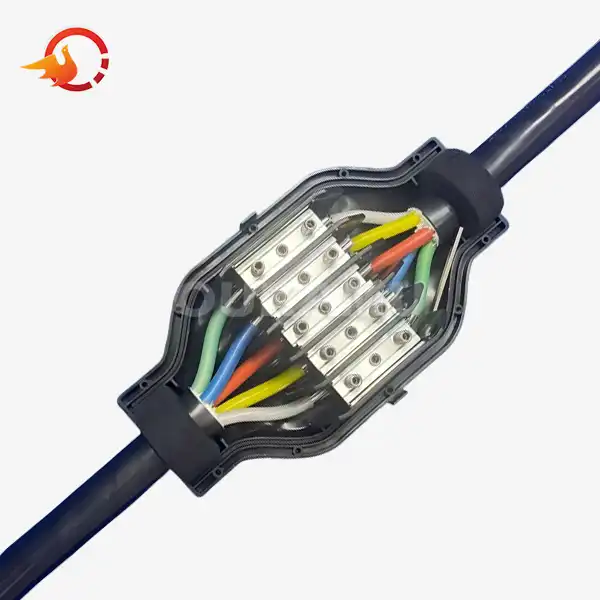
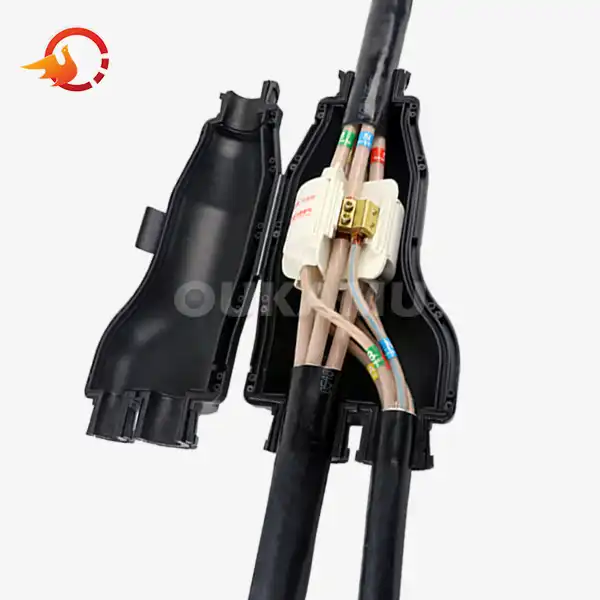
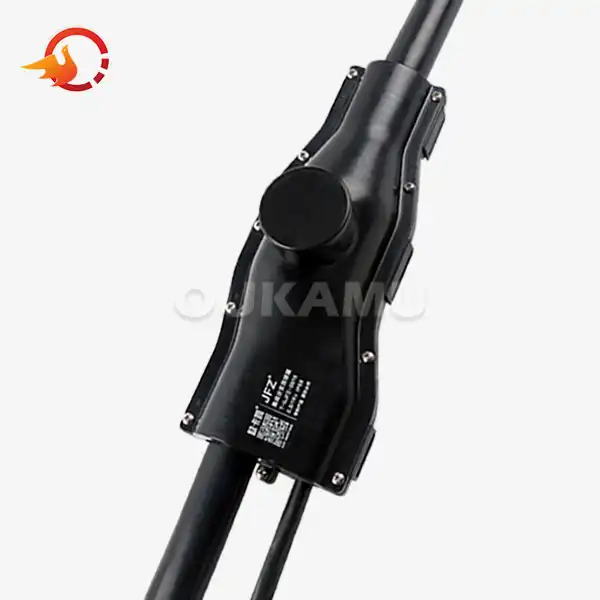
When looking for underground cable branch connectors, you should look at makers that have a track record of being good at connecting cables. With 20 years of experience in focused development and manufacturing, Oukamu is an expert in branch cable connection options. Our T-GJFZ-35/16 model shows how dedicated we are to providing solid, low-cost jointing technology made especially for use underground.
This system can handle main wires from 10mm to 35mm and branch cables from 2.5mm to 16mm, so it can be used in a variety of low-voltage situations. The IP68 grade for waterproofing makes sure that no water can get in, and the gel-filled insulation provides double-layer safety that stops electrical problems. Because of how flexible the installation is, it can be hidden in utility wells or buried directly without having to dig.
Our clever design means that you don't have to cut the main wires, which protects the structure of the cables and makes installation easier. Branch connections can be made anywhere along the main wire run. This gives you more options on-site than with premade solutions. This flexibility is very helpful when the installation conditions are different from what was planned or when changes need to be made to the project while it is being built.
The built-in T-connector body makes links that are physically strong and can handle changes in soil pressure, temperature, and chemical exposure for long service lives. The small size means that less digging is needed, and projects can be done in places with limited room. Our systems save electricity builders, distributors, and project buying teams a lot of money because they cut down on cable waste, labor costs, and installation time.
There are many uses for this technology, including distributing power to homes, businesses, and factories, as well as for building projects like transportation systems, phone networks, and big construction projects. Our goods meet both international safety standards and Chinese GB/T 14048.7-2016 specifications. This makes sure that they are legal in all places around the world.
Conclusion
By ensuring reliable, secure, and long-lasting links that can survive difficult underground environments, proper Underground Cable Jointing protects investments in electrical infrastructure. Good jointing techniques stop problems that cost a lot of money, make systems last longer, and lower the amount of upkeep that slows down operations. Which of the following jointing methods is best: heat shrink, cold shrink, glue, or mechanical? It depends on the needs of the application, the surroundings, and the cost over the product's lifetime.
Strategic buying doesn't just focus on lowering upfront costs; it also looks at source trustworthiness, full certifications, and total ownership costs. Investing in tried-and-true jointing technologies and experienced makers is becoming more and more important for project success and long-term dependability as underground electricity networks keep growing to meet the needs of more and more infrastructure.
FAQ
What causes underground cable joints to fail?
Joint breakdowns are usually caused by water getting in, bad fitting, mechanical stress, or the material breaking down. Water can damage insulation if it's not sealed properly, and high-resistance heat points are caused by construction mistakes like connections that aren't properly tightened. Things in the environment, like the chemistry of the earth and high temperatures, speed up the aging process. These risks are greatly reduced by using approved products and following the manufacturer's instructions.
How often should underground cable joints be inspected?
How often an object is inspected relies on its location and how important it is. Inspections should be done once a year on critical infrastructure systems and every three to five years on most other sites. Places with a lot of wetness, corrosive grounds, or a lot of vibration need to be checked on more often. Thermal photography and insulation resistance tests can find problems before they become major ones.
Can heat shrink and resin jointing methods be used interchangeably?
These methods are not directly interchangeable because they are used for different things. For medium and high-voltage systems, resin joints offer better protection, while heat shrink makes installation faster for low-voltage systems. The right technology is chosen based on the voltage class, the surroundings, and the needs of the product. Making sure you choose the right way means looking at maker specs and project electrical designs.
Partner with Oukamu for Reliable Underground Cable Jointing Solutions
Underground Cable Jointing technology from Oukamu has been tried and tested over twenty years of specialized engineering and manufacturing experience. As a top Underground Cable Jointing provider, we know how hard it is for electrical dealers, builders, and project managers to find reliable connection solutions. Our T-GJFZ-35/16 branch cable connection has IP68 waterproofing, gel-filled insulation, and no-cut fitting ease to fix common problems with underground distribution while lowering project costs.
Our team offers quick technical help and a range of order sizes, so you can get the supplies you need for retail outlets, complete a specific project, or find custom solutions for a specific use. We ask you to look through our wide range of products and learn how our cutting-edge jointing systems can help you stay competitive and make your customers happier. For full specs, application help, and a personalized procurement advice, email us at info@okmbranchcable.com or visit okmbranchcable.com.
References
1. Smith, J.R., and Anderson, T.L. (2021). "Underground Electrical Distribution Systems: Design, Installation, and Maintenance Practices." Electrical Engineering Press.
2. International Electrotechnical Commission (2019). "Cable Joints for Power Cables with Rated Voltages up to 30 kV: Test Methods and Requirements." IEC Standard 60502-4.
3. Williams, D.K. (2020). "Moisture Ingress Mechanisms in Underground Cable Joints: A Comprehensive Analysis." Journal of Electrical Infrastructure, Vol. 15, Issue 3, pp. 234-251.
4. Chen, M.H., and Roberts, P.J. (2022). "Comparative Lifecycle Analysis of Heat Shrink and Cold Shrink Cable Jointing Technologies." Power Distribution Technology Review, Vol. 28, No. 2, pp. 87-103.
5. Thompson, R.A. (2018). "Procurement Strategies for Electrical Distribution Components: Quality Assessment and Supplier Evaluation." Industrial Supply Management Quarterly, Vol. 12, pp. 45-62.
6. National Electrical Contractors Association (2023). "Underground Cable Installation and Jointing: Best Practices Guide for Commercial and Industrial Applications." NECA Technical Manual Series.