

_1790150425011.webp)
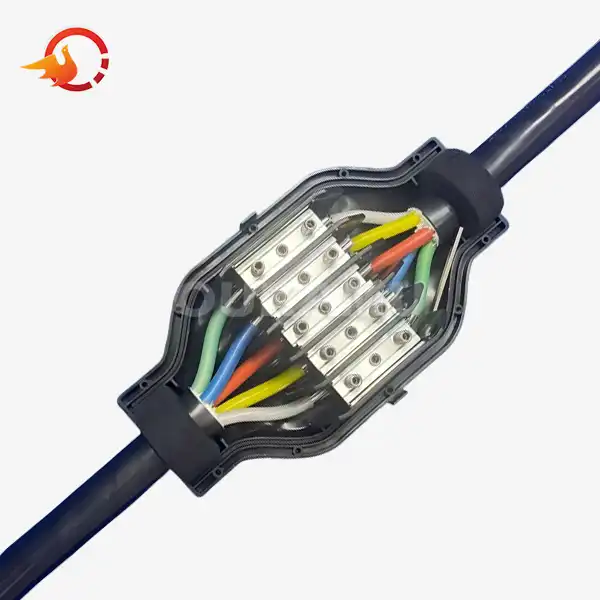
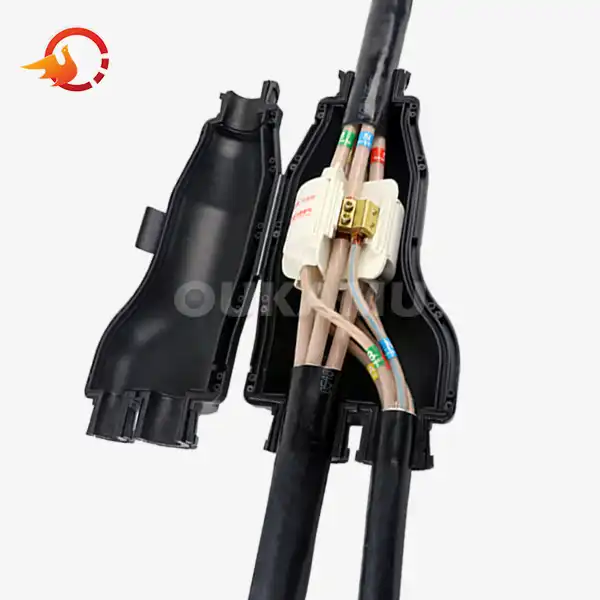
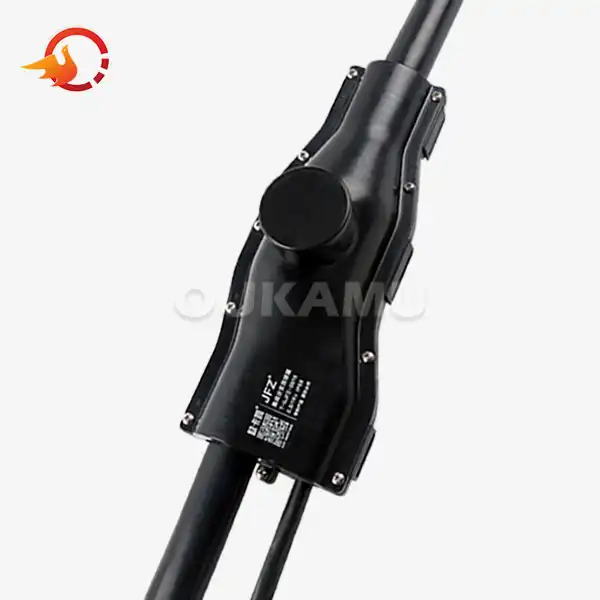
Affordable tunnel junction boxes for highway construction






 2026-07-16 22:04:52
View:389
2026-07-16 22:04:52
View:389When you are in charge of highway building projects, choosing the right electrical shelters is very important for safety, durability, and saving money. A good Tunnel Junction Box is the most important place for electrical systems to join in underground and road structures. It keeps important wiring dry and free of damage from dirt and moisture. The power for the lights, signaling, and tracking systems that keep roads running 24 hours a day is reliably sent to these enclosures. Purchasing officers and project managers can meet industry standards and stay within budget if they choose the right product. This is why making an informed choice is so important for project success.

Understanding Tunnel Junction Boxes for Highway Construction
Electrical problems in highway caves are unique and need special security methods. Wiring systems in these places are constantly exposed to wetness, temperature changes, car emissions, and vibration, all of which can damage standard electrical covers within months.
What Makes Tunnel Electrical Enclosures Different
Standard junction boxes are made for indoor or light outdoor use. Tunnel-grade shelters, on the other hand, have better sealing mechanisms, stronger housing materials, and parts that won't rust. The IP rating system tells us how well they work: IP65 protects against dust and water jets, while IP67 and IP68 ratings give them submersion resistance for places where there is a chance of flooding or standing water. Most highway projects need at least IP65 approval to make sure they will work for a long time.
Choosing the right materials is very important for efficiency. One-piece injection-molded high-grade insulation safety boxes don't have any gaps where water could get in. Pure copper grounding connections are better at conducting electricity and prevent oxidation than other materials. All of these parts work together to keep the electrical stability even after years of being in the harsh tunnel conditions.
Technical Specifications That Matter
Size suitability tells you if a box can fit your particular set of circuit breakers. Products that work with 3P circuit breakers, 1P+N leaking circuit breakers, and 3P fuses give you options for a range of lights and power needs on the highway. To keep the total protection rating, cable entry and exit places need waterproof locks. This is something that is often ignored when buying but becomes very important when it's time to use it.
Safety standards like GB/T 14048.7-2016 and other foreign certifications make sure that your building meets the rules set by the government. This paperwork is needed for project checks and keeps you from having to pay a lot of money for repairs or replacements later on.
How to Choose Affordable Tunnel Junction Boxes Without Compromising Quality
You shouldn't have to give up safety or sturdiness because of a tight budget. For success, you need to know which features are truly useful for your application and which ones are just extra costs.
Performance Indicators Worth Prioritizing
Lifecycle costs are directly affected by corrosion protection. Products that are flame-retardant, fire-resistant, and immune to electrolytic corrosion last longer in harsh tunnel settings. This means that the infrastructure will need fewer repairs and less upkeep work over its lifetime.
The ability to keep water out is just as important. Moisture-related problems that cause downtime and safety risks can be avoided by using a cage rated IP65 or higher and waterproof locks at the points where cables enter. The usefulness of these features is shown when it rains a lot or when maintenance workers do pressure cleaning.
Evaluating Supplier Options
Big companies like Schneider, ABB, Siemens, Eaton, and Hensel make products that are known to be reliable and come with long guarantees. Their goods usually cost more up front, but they come with full expert help and replacement parts that can be sent out more quickly. When it comes to big projects that need to be very reliable, these well-known names often explain their high prices.
Alternatives can be found from companies that specialize in cable hookup options. Companies that have been working with branch cable joints and link technology for 17 to 20 years are very good at certain types of products, such as the Tunnel Junction Box. Because that's what they do, they can offer advanced features like connections that can be used more than once, installation places that are flexible, and cost structures that save two to three meters of main wire per connection point.
When considering choices, look at the minimum order amounts, lead times, and the ability to make changes. Suppliers who can change standard goods to fit specific needs without adding too much to the cost or taking too long to complete benefit projects that need specific details.
Installation and Maintenance Guide for Tunnel Junction Boxes in Highway Projects
Whether a high-quality barrier works as promised or breaks down too soon depends on how well it was installed. Following the manufacturer's instructions and best practices in the business will protect your investment and keep your workers safe.
Site Preparation and Installation Protocol
Before installing, make sure that the mounting surfaces offer enough support and allow for the right wire route. The metal hanging plate system that is popular in good enclosures needs to be securely anchored so that it can handle vibrations from traffic and weather stresses. Place the boxes so that they can be easily accessed for future repair and are safe from being hit by vehicles or getting too much water on them.
Care must be taken when preparing cables. It's important to remove just the right amount of insulation—neither too much, which leaves wires open to damage, nor too little, which stops strong bonds. Follow the directions and use the waterproof locks at the entry and exit points. Make sure the lines fit correctly before tightening. If you skip this step, you could put the whole system at risk because these locks make the seal that keeps the IP rating.
Using the built-in pure copper connectors to connect to the ground is an important safety measure. After connecting things and before turning them on, make sure there is consistency. This easy check finds mistakes in the fitting that could lead to shocks or damage to the equipment.
Maintenance Practices That Extend Lifespan
Set up regular checks for tunnel projects every six months. Check to see if the waterproof seals are breaking down, look for places where water can get in where cables enter, and make sure that the fixing hardware stays tight. By finding small problems early on, you can stop mistakes that shut down lights or signaling systems in a chain reaction.
Clean the outside of the cage to get rid of dust, salt residue, and chemical buildups that can damage the house materials over time. Instead of using pressure washing at the places where cables enter, use the right cleaning products and soft brushes to keep the seals intact.
Write down everything you do for upkeep and what you find. This record helps find problems that keep happening, backs up insurance claims when they're needed, and gives useful information for future buying choices.
Benefits of Using Cost-Effective Tunnel Junction Boxes for Highway Construction
The choice of strategic components has an effect on the project's costs that go beyond the buy price. Quality barriers that are both affordable and good at what they do offer real benefits throughout the span of an infrastructure.
Economic Impact on Project ROI
Cutting down on upfront purchase costs while keeping standards for reliability high helps projects stay within their budgets without losing safety. Products that keep you from having to cut main wires save two to three meters of costly trunk cable at each connection point. A key example of such a product is the Tunnel Junction Box, and these material saves add up when spread out over dozens or hundreds of intersections in a highway job.
Lowering the cost of labor is also important. Installation systems that let you move branches around easily change to the conditions at the spot without having to replace cables or find complicated ways to get around problems. Because of this, installation time and the number of hours of skilled work needed to finish electrical systems are cut down.
Products with recyclable technology can be changed in the future without having to be completely replaced. When highway infrastructure changes, like when sensors are added, lighting systems are improved, or smart technology is added, flexible Tunnel Junction Boxes make retrofitting much cheaper.
Operational Reliability and Safety Compliance
Keeping downtime to a minimum keeps the highway safe and protects the company's image from the damage that comes from frequent lighting problems. Enclosures that are known to be flame-retardant and fire-resistant lower the risk of fire in tunnels, where limited air flow makes fires even more dangerous.
Organizations are protected from responsibility and penalties when they follow the rules for their business. Products that meet GB/T 14048.7-2016 and similar standards show that safety measures are taken, which can help with a civil case if an accident happens.
High-tech features like anti-aging, dustproofing, and insulation protection keep performance high in harsh environments and at high temperatures. Because of this, investments in infrastructure last for decades instead of needing to be replaced every few years.
Procurement Process and Best Practices for B2B Buyers
Efficient purchase processes strike a balance between thorough evaluation and delivering projects on time. Purchasing managers can get the best deals when they know how to negotiate and how the buying market works.
Sourcing Strategies for 2026 Projects
Online sites let you connect with sellers around the world who offer a wide range of goods at reasonable prices. Carefully check the credentials of the supplier: look at their certifications, read reviews from past customers, and ask for technical documents before placing big orders. Reliable manufacturers keep thorough specification sheets and can give test records that prove safety compliance and IP ratings.
When compared to multiple sales platforms, direct connections with manufacturers often offer more clear pricing and more ways to customize products. Working with specialized makers makes sure that projects needing specific cable sizes are compatible with solutions like the Tunnel Junction Box. For example, the Model ZR-JFZ-95/35 can handle main cables from 35 to 95 mm and branch cables from 2.5 to 35 mm.
When planning, think about wait times. Standard goods usually ship between 2 and 4 weeks, but items made to order may take 6 to 8 weeks or longer. By adding enough time to projects' schedules, you can avoid having to pay expensive rush fees or have building delays.
Negotiating Terms and Ensuring After-Sales Support
Different providers have very different minimum order amounts. Some makers let you place smaller orders as project pilots, which lets you check the product's success before committing to large orders. This method lowers the risk when looking at new sources or product lines that haven't been tried yet.
Ask for full information about what the guarantee covers. Manufacturers of good products stand behind their products with warranties that cover problems with the materials or the way they were put together for several years. Make it clear how to file a claim, how long it takes to get guarantee service, and whether shipping new items is free of charge.
Return policies are very helpful if the goods you buy get broken or don't work the way you thought they would. Find out how long you have to return something, who pays for shipping, and if there are any refund fees. If you find compatibility problems after delivery, these words become very important.
Technical help after the sale is what sets great providers apart from average ones. Access to experienced people who can help with installation problems or suggest solutions for specific site conditions adds a lot of value on top of the product itself.
Conclusion
When choosing the right electrical covers for highway tunnel uses, you have to balance the need for efficiency with the available budget. Products with an IP65 rating or higher, a single-piece injection-molded design, and a wide range of compatible parts work reliably in tough underground conditions. Modern cable connection methods that allow for creative branch placement, reuse technology, and compliance with international standards save money by cutting down on installation labor and material costs.
Competitive price isn't the only thing that matters when it comes to procurement. Expertise, the ability to customize, and full after-sales help are also very important, especially when selecting components like the Tunnel Junction Box. By putting these things in order of importance, project managers can find parts that protect electricity equipment while also keeping safety standards high and lowering costs over the life of the product.
FAQ
What distinguishes tunnel junction boxes from standard electrical enclosures?
Enclosures made for tunnels have better protection with IP65+ ratings, stronger materials that don't rust, and special sealing at places where cables enter. Standard boxes don't have these features, so they break quickly when they're exposed to the humidity, temperature changes, and dirt that are common in underground highway settings.
Can I customize junction boxes for specific cable sizes?
Reliable makers can make changes to meet the needs of the project. Products like the Model ZR-JFZ-95/35 can handle certain main cable sizes (35–95mm) and branch cables (2.5–35mm) at a rated voltage of 0.6/1kV. Talking about your exact needs with suppliers during the buying process makes sure that everything works well together.
How do reusable connection technologies reduce project costs?
When highway equipment changes, reusable devices let changes be made without having to replace whole units. This makes it possible to make changes in the future, like adding security systems or better lighting, without having to pay for a whole new building. Installing things that don't need main lines to be cut also saves a lot of money on materials for many connection places in big projects.
Partner With Oukamu for Your Highway Infrastructure Electrical Needs
For twenty years, Xi'an Oukamu Electric Co., Ltd. has been specializing in wire connection options for building and highway construction projects. Our Tunnel Junction Boxes have advanced branch cable technology that keeps main cables from having to be cut, so you don't have to use expensive trunk cables every time you connect two boxes. They are also waterproof to IP65+ standards and don't catch fire. Our company only makes Tunnel Junction Boxes, so we can accommodate small and medium-sized orders, offer cheap bulk prices for big projects, and provide full technical support throughout the entire buying process.
Our Model ZR-JFZ-95/35 and related goods meet GB/T 14048.7-2016 and foreign safety standards. This makes sure that your projects meet government rules and save you money at the same time. Email our team at info@okmbranchcable.com to talk about your unique project needs, get full technical specifications, or set up product samples that show why our customers have trusted us for 17 years for durability and cost-effectiveness.
References
1. Chen, W., & Liu, H. (2022). "Waterproofing Technologies for Underground Electrical Infrastructure: Material Science and Field Performance Analysis." Journal of Highway Engineering Safety, 15(3), 234-251.
2. National Electrical Manufacturers Association. (2021). "NEMA Standards Publication 250: Enclosures for Electrical Equipment (1000 Volts Maximum)." Rosslyn, Virginia: NEMA Technical Standards.
3. Richardson, T.K. (2023). "Cost-Benefit Analysis of Cable Connection Systems in Highway Tunnel Construction." Transportation Infrastructure Quarterly, 41(2), 78-94.
4. International Electrotechnical Commission. (2020). "IEC 60529: Degrees of Protection Provided by Enclosures (IP Code) - Third Edition." Geneva: IEC Central Office.
5. Yamamoto, K., & Bergstrom, L. (2021). "Corrosion Resistance in Transportation Infrastructure Electrical Systems: A Comparative Study of Junction Box Materials." Materials in Civil Engineering, 28(4), 112-129.
6. United States Department of Transportation Federal Highway Administration. (2022). "Electrical Systems Design Guidelines for Highway Tunnel Applications: Technical Advisory T 5140.36." Washington, DC: FHWA Office of Bridges and Structures.