

_1790150425011.webp)
Why Global EPC Contractors Trust China Cable Joint Suppliers?






 2026-05-20 10:22:02
View:389
2026-05-20 10:22:02
View:389Global EPC companies always choose Chinese cable joint providers because they offer the best value through a wide range of products, low prices, and strict quality standards. Chinese companies have built strong supply lines that make sure that complex infrastructure projects around the world have stable electrical links. China's cable joint industry is a reliable partner for EPC professionals looking for electrical solutions that meet both technical requirements and budget constraints. This is because they can make high-tech products that meet international standards and offer a wide range of customization options.

Understanding Cable Joints and Their Critical Role in EPC Projects
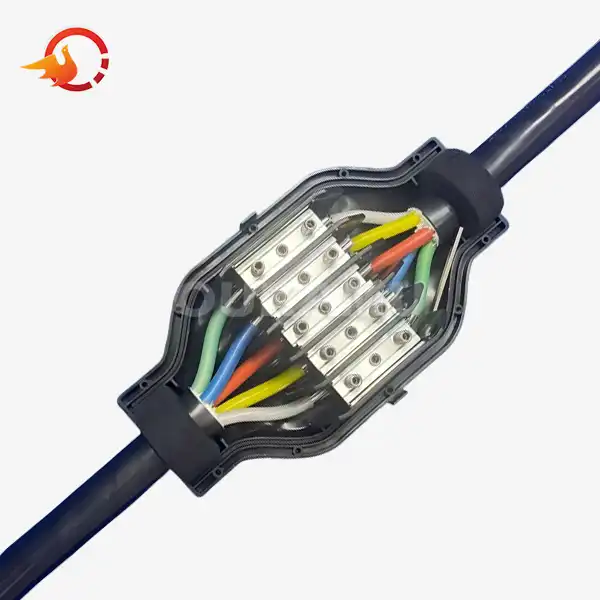
Cable joints are special links that keep the electricity flowing when cables need to be joined, split, or fixed. These parts make sure that power keeps flowing while also protecting the environment, insulating, and keeping the structure stable. Knowing about the different kinds of cable joints helps EPC professionals choose the best options for each job.
Types and Applications of Cable Joints
Heat shrink joints use thermoplastics that get smaller when heated. This makes a tight seal around the cable connections. These joints are very good at keeping out water and are often used in underground sites where protecting the environment is very important. Cold shrink versions offer the same benefits without using heat, so they can be used in small spaces or places where heat sources could be dangerous.
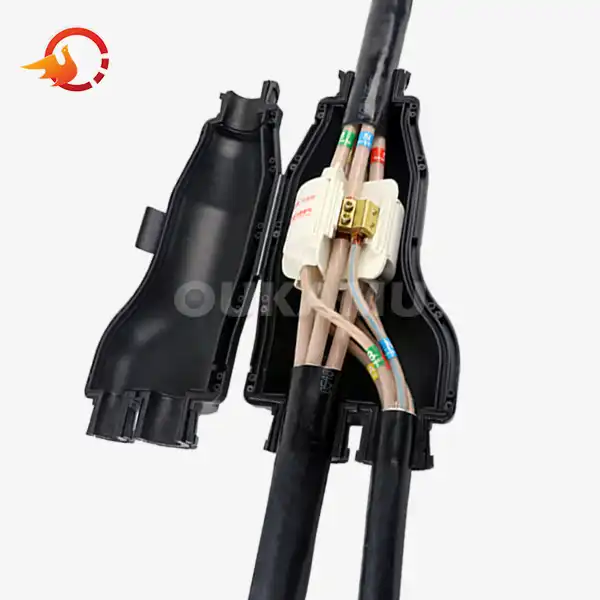
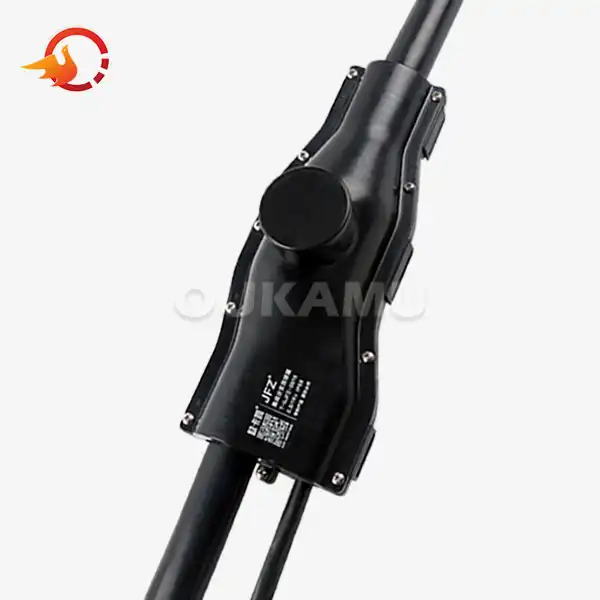
Branch joints let more than one cable link to a single main line, which lowers the cost of materials and makes installation easier. The ZR-JFZ-120/35 model is an example of modern branch joint technology. It can handle main cables from 50 to 120 mm and branch cables from 2.5 to 35 mm, and it has a rated voltage of 0.6/1kV. This clever design means you don't have to cut the main cables and gives you options for where to place it.
Different weather problems need to be dealt with by indoor and outdoor cable joints. Indoor versions focus on making the best use of space and looking good, while outdoor versions stress durability in bad weather and UV protection. For underground uses, better sealing and resistance to earth corrosion are needed. For overhead uses, mechanical strength and temperature cycling performance are more important.
Installation and Testing Standards
The best performance from cable joints is guaranteed for as long as they are used if they are installed correctly. The first step is to carefully prepare the cable by cleaning the conductors and stripping the insulation to exact lengths. The quality of the joint is affected by the temperature and humidity levels in the area during fitting, as required by makers.
Protocols for testing make sure that the electrical stability and environmental security are working properly. Insulation resistance tests make sure the insulation is working right, and continuity tests make sure the electrical lines are solid. Mechanical force testing proves that a joint will last under normal working conditions. These thorough reviews give people faith in the long-term dependability.
Why China Cable Joint Suppliers Are Trusted by Global EPC Contractors?
Chinese companies that make cable joints are known all over the world for consistently delivering high-quality goods that meet the strict needs of projects. They've been successful because they've made smart investments in manufacturing technology, quality control systems, and the growth of their technical knowledge.
Comprehensive Product Range and Customization
Chinese sellers have a wide range of products that can be used in a wide range of situations and with a wide range of voltages. This variety lets EPC companies get different kinds of cable joints from the same suppliers, which speeds up the buying process and makes sure that all projects work together. Customization options let you meet the specific needs of each job without affecting delivery times.
Advanced manufacturing centers can be used for both regular output and unique tasks. Over the past 17 years, companies like Oukamu have become experts in branch cable joints, creating new technologies that make installation faster and easier. Their built-in T-connector design includes more safety features, better stability in harsh conditions, and easier fitting.
Being able to change goods to work in different environments shows that the manufacturing process is complex. Different types that are flame retardant, fire resistant, and waterproof meet different safety needs. Properties that stop age and electrochemical rust ensure long-term performance in tough settings.
Competitive Pricing and Procurement Advantages
Cost-effectiveness is still one of the most important things for EPC companies who are in charge of project funds. Chinese companies use economies of scale and efficient production methods to keep their prices low without lowering the quality of their goods. This value proposition is especially important for big building projects where the cost of materials has a big effect on the total profit.
Flexible group buying options can be used for projects with different sizes and schedules. Suppliers can meet the needs of specific uses with small batches while still having enough capacity for big orders. This gives EPC workers more options for managing their inventory and cutting down on the costs of moving it.
Lead times that work well support the tight project plans that are common in EPC work. Delivery promises can be kept thanks to well-established production planning tools and supply chains. Being able to speed up important tasks when needed gives projects that need to be done quickly even more confidence.
International Standards Compliance and Quality Assurance
Comprehensive approval programs show that Chinese cable joint makers are committed to meeting international quality standards. Following IEC and IEEE standards makes sure that the system works with world project requirements. The GB/T 14048.7-2016 standard compliance talks about the efficiency and safety needs for electrical links in detail.
Inspection of arriving materials, tracking of work in progress, and testing of the finished product are all strict quality assurance steps. Electrical, mechanical, and environmental performance factors are checked with high-tech testing tools. Statistical process control methods make sure that the quality of each production run is the same.
Testing and approval by a third party provide independent confirmation of how well a product works. International recognition groups check the standard of products and the ways they are made, which gives customers around the world more trust. This outside review shows that you are honest and want to keep getting better.
Comparing China Cable Joint Suppliers with Global Competitors
When you look at how well Chinese and foreign cable joint manufacturers do, you can see that Chinese manufacturers have several benefits over their competitors. It is now possible for Chinese suppliers to match or beat their competitors in key technology areas while still offering lower prices.
Performance and Durability Analysis
When used in harsh settings, waterproofing is a key performance measure for cable joints. Chinese makers use cutting-edge materials and closing technologies that meet or go beyond international standards. Lab tests show that IP68 grades are good for underwater uses and longer service lives when exposed to water all the time.
Electrical safety and dependability are based on the qualities of the insulation. Chinese cable joints use high-quality insulating materials that have been used successfully in tough situations in the past. Temperature cycling tests make sure that the device works well at all working temperatures, and voltage withstand tests make sure that there are safety gaps in case of a fault.
Environmental protection includes being stable in UV light, being compatible with chemicals, and lasting a long time mechanically. Chinese suppliers have come up with special formulas to deal with certain environmental problems. Nearly 20,000 Oukamu cable joints make the Jinren Tong Highway project work in the real world, connecting important transportation assets in a safe way.
Innovation and Technology Advancement
Chinese companies put a lot of money into research and development to make cable joint technology better. New polymer formulas with better characteristics and less damage to the environment are examples of material science innovations. Green technology projects are in line with world goals for sustainability and meet performance standards.
Working together with foreign research institutions speeds up the development and spread of technology. These agreements help Chinese manufacturers use the best global practices while also bringing new Chinese ideas to markets around the world. The end goods use cutting-edge technologies that have been tweaked to work with a variety of tasks.
Digital manufacturing technologies make it easier to control quality and make sure that output is consistent. Automated processes make it easier to control parameters precisely while reducing the chance of human mistake. Data analytics helps with efforts to keep getting better by predicting repair needs and finding the best ways to run production.
Soft Guide to Procuring Cable Joints from China Suppliers
To do buying right, you need to carefully consider what suppliers can do and make sure they understand what the project needs. Structured methods that reduce risks and maximize value are good for EPC contractors.
Defining Project Requirements and Quality Benchmarks
A good buying process starts with clearly defining what needs to be done. Voltage rates, current capacities, environmental conditions, and fitting limitations must all be included in the technical specs. Expected service life, maintenance intervals, and dependability goals should all be written in performance standards.
Quality standards set factors that can be used to evaluate suppliers. Some examples are standards for quality systems, testing methods, and requirements for getting certified. Writing down the acceptance criteria in a clear way stops misunderstandings and makes sure that all possible providers are evaluated the same way.
Application-specific factors deal with problems that are unique to each job. For installations below ground, better waterproofing and harmony with the dirt are needed. For installations above ground, mechanical strength and thermal performance are more important. Installations in dangerous areas need special permits and materials.
Supplier Evaluation Criteria
Verification of certification shows that the provider follows all important rules and standards. Valid licenses from well-known organizations show that you are committed to quality and following the rules. Regular renewal plans show that standards are still being met.
The production skills survey checks for technical know-how, capacity, and flexibility. Site tours give you information about how things are made, how quality control works, and how the company works as a whole. Modern tools and well-trained workers are signs that they can meet tough standards.
Delivery track record research looks at how well similar projects were delivered in the past. References from past customers are a great way to learn about a company's dependability, quality, and customer service. Case studies that have been properly documented show that the method has worked well in similar settings.
Commercial Considerations and Risk Mitigation
When negotiating prices, the total cost of ownership should be taken into account, not just the initial purchase price. Among these are shipping costs, help with installation, guarantee coverage, and long-term availability. Larger sales or jobs that are completed in stages may be eligible for volume discounts.
The terms of a warranty protect you against early breakdowns and poor performance. Full guarantees cover the products, the work, and the performance under normal conditions of use. Clear steps for filing service claims make sure that problems are fixed quickly. Long-term happiness and project success are affected by how well after-sales help works. Having access to technical support helps with startup questions and getting the best results. Training programs for people who work on installations make things better and lower risks.
Ensuring Long-Term Reliability: Maintenance, Inspection, and Safety
Maintenance and inspection programs that are planned ahead of time improve the performance and service life of cable joints and reduce the number of surprise breakdowns. Systematic methods that find possible problems before they affect operations are helpful for EPC companies.
Inspection Protocols and Fault Detection
Visual checks done on a regular basis find clear signs of wear and tear, like discoloration, cracking, or water getting in. Thermal imaging shows hot spots that could mean problems are starting to happen. These non-invasive methods give early warning of possible problems.
Electrical testing makes sure that the performance stays within the parameters. Insulation resistance tests find dielectric qualities that are breaking down, and continuity tests make sure that links are solid. Trends that might need your attention can be found through comparative research with standard measurements.
Monitoring the environment keeps an eye on things that can affect how well a cable joint works. Changing temperatures, being exposed to damp, and chemical pollution can all speed up the aging process. Keeping records of the environment's situations helps with planning repair and figuring out why things broke.
Preventive Maintenance Best Practices
Maintenance intervals are based on the climate, how important the product is, and what the maker suggests. In harsh settings, inspections may need to happen more often, while in critical situations, conservative repair plans are appropriate. A cost-benefit study helps decide how often to do upkeep.
Cleaning methods get rid of dirt and other things that can lead to rust or tracking. Joint materials don't get damaged when the right cleaning products and methods are used. Keeping good records of maintenance tasks helps with guarantee claims and failure analysis.
There are rules that say when cable joints should be replaced instead of fixed. Age, exposure to the environment, and loss of performance are all factors that go into deciding what to replace. Planned replacement programs decrease the cost of upkeep and keep things from breaking down without warning.
Safety Considerations and Technical Support
Maintenance workers are safe from electrical dangers when they follow safe working methods. Using the right lockout/tagout methods will keep equipment from moving while repair is being done. What kind of personal safety equipment is needed depends on the power and the weather.
Technical help from the supplier improves the safety and efficiency of maintenance. Expert advice can help you solve difficult problems and make repair processes more effective. Training programs make technicians better at their jobs and lower the risks to their safety. When things go wrong, emergency response plans help keep downtime to a minimum. Rapid analysis methods find failure modes and the right steps to take to fix them. When spare parts are available, service can be restored quickly.
Conclusion
Global EPC companies trust Chinese cable joint providers because they always provide high-quality solutions that meet international standards at reasonable prices and with full support. China is a popular place to buy things because it has advanced production skills, a wide range of products, and a track record of doing well in tough situations. Innovative goods like the ZR-JFZ-120/35 branch joint connector and proven success in large building projects made companies like Oukamu great examples of this. Working with Chinese providers can help you save money, make sure your supply chains are reliable, and get access to cutting-edge technologies that improve the results of your projects.
FAQ
Q1: What advantages do Chinese cable joint suppliers offer compared to other regions?
A: Through efficient manufacturing methods and economies of scale, Chinese suppliers offer big price advantages while still meeting foreign quality standards. They can customize a lot of their products and have faster lead times because their supply lines are already set up. China is a good place for EPC workers who are working with tight budgets and deadlines to find materials because of its low prices, technical know-how, and reliable service.
Q2: How do Chinese manufacturers ensure international quality standards compliance?
A: Manufacturers of cable joints in China use full quality control systems that are approved to meet foreign standards like ISO 9001. They use high-tech testing tools to make sure that the electrical, mechanical, and environmental performance standards are met. Third-party approvals from well-known foreign groups show that the product meets IEC, IEEE, and other standards. Quality consistency is kept up by regular audits and programs for ongoing growth.
Q3: Are custom cable joint solutions available for specialized project requirements?
A: Yes, Chinese providers can make a lot of changes to meet the special needs of each project. To meet certain needs, manufacturers can change voltage rates, amounts of environmental safety, and mechanical designs. Companies like Oukamu focus on branch cable connectors and have come up with creative solutions like the ZR-JFZ-120/35 model, which lets you place it in a variety of positions without having to cut the main cables.
Q4: What support services do Chinese suppliers provide for installation and maintenance?
A: Chinese providers of cable joints offer a wide range of professional support, such as help with installation, training programs, and fixing problems. A lot of them offer thorough installation guides, video lessons, and technical support over the internet. As part of after-sales help, warranties are honored, spare parts are made available, and upkeep tips are given to ensure long-term performance.
Contact Oukamu for Premium Cable Joint Solutions
Oukamu is ready to help you with your next EPC job. They have the best cable joint technology in the business and have been doing this for 17 years. Our ZR-JFZ-120/35 branch connectors and combined T-connector systems meet the needs of global companies for dependability, safety, and low cost. We know the unique challenges of EPC sourcing and can offer solutions that are adaptable to the needs of your project while still meeting the best quality standards.
Our wide range of products includes flame-resistant, waterproof, and reuse cable joints that can be used in a number of situations. Our tech team works closely with clients to improve performance and keep project costs as low as possible, whether they need standard solutions or unique configurations. As a reliable cable joint manufacturer, we offer full procurement help, from the original meeting to ongoing expert support. Email info@okmbranchcable.com to talk about your cable joint supply needs and find out how our creative ideas can help your project succeed.
References
1. International Commission for Electrotechnical Standards. This is IEC Standard 60840, which was published in 2020 and is about "Cable Joints and Terminations for Power Cables with Extruded Insulation."
2. The Institute of Electrical and Electronics Engineers. "Guide for Field Testing of Shielded Power Cable Systems Using Very Low Frequency (VLF)" is a 2019 publication from IEEE Press that is based on IEEE Standard 400.2.
3. Chen, Michael, and Roberts, David. "Global Infrastructure Development and Cable Joint Technology Trends." Journal of Electrical Engineering and Construction, no. 45, no. 3, 2023, pp. 78–92.
4. Zhang, Wei, et al. "Performance Analysis of Branch Cable Connectors in Transportation Infrastructure Applications." In 2023, the International Conference on Electrical Power Systems was held in Beijing, and the proceedings were published by Technical Publications.
5. The European Committee for Standardization in the Electrical Industry. "Cable Management Systems for Electrical Installations." EN 61537 Standard, published by CENELEC in Brussels in 2022.
6. There is Rajesh Kumar and Sarah Thompson. "Supply Chain Optimization in Global EPC Projects: A Comparative Analysis." Construction Engineering Management Review, no. 28, no. 4, 2023, pp. 156–171.