

_1790150425011.webp)
How Cable Joints Impact Power System Reliability






 2026-05-22 14:58:18
View:389
2026-05-22 14:58:18
View:389The dependability of the power system depends on how well all the connections in the electrical grid work. As the important link between cable parts, a Cable Joint keeps the power flowing while also providing proper insulation and defense against external dangers. When these links break, harm spreads to whole systems; machines stop working, work stops, and safety risks appear. Good jointing solutions stop voltage drops, lower heat production, and build strong electrical paths that can handle mechanical stress and exposure to the environment. It is directly related to knowing how these parts work and choosing the right goods that your power distribution network will either work consistently or cause a lot of repair issues and operations to be interrupted.

Understanding Cable Joints and Their Components
What Makes a Cable Joint Essential?
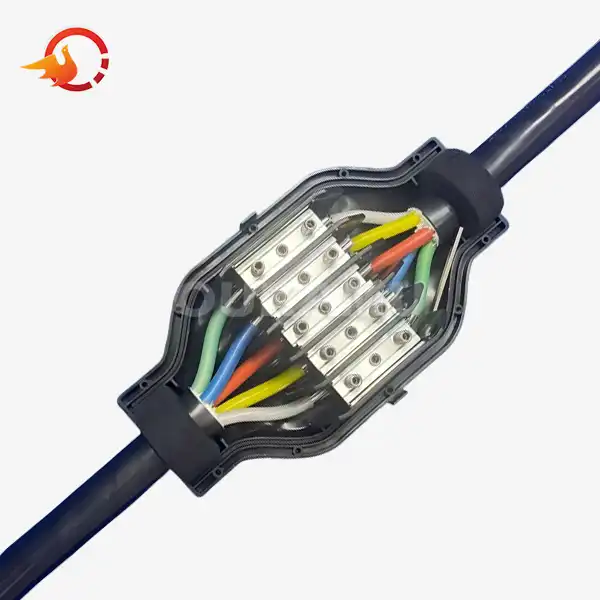
Cable Joint connections are what hold electricity distribution networks together. They connect separate cable pieces into systems that work together to power factories, businesses, and infrastructure projects. In addition to keeping the electricity flowing, these special connections provide important shielding that stops short circuits and keeps moisture out. Even high-quality wires can lose their performance if they are not properly joined.
Modern Cable Jointing options are made with several protection layers that work together. The insulation tube stops electricity from leaking, and the closing parts keep water and other contaminants from getting to the places where the conductors meet. Internal connections make sure that the wire cores are securely connected mechanically and electrically, creating low-resistance paths for current to move. This combined design solves the main problem of keeping the integrity of the cable at connection places, where factory standards meet the realities of field installation.
Core Components That Ensure Reliability
For a link to be effective, it needs parts that were carefully designed to work together. The electrical path is set up at the conductor contact, which is usually done by pressing or mechanically connecting the two parts together in a way that keeps gases from escaping and makes the bonds resistant to oxidation. Around this important joint, insulation materials like heat-shrinkable polymers and epoxy resins bring back the cable's dielectric strength to the same level as or higher than the original grade.
Environmental threats are kept out by sealing devices. Multiple layers of defense, such as gel-filled tanks, elastomeric seals, and moisture shields, keep water, dust, and corrosive substances away from electrical parts. Protective housings on the outside give the system mechanical strength and keep the inside parts from getting damaged during installation and operation. This multi-layer approach explains why high-quality Cable Joint goods always do better in tough situations than simple connection methods.
Industry Standards and Testing Requirements
International safety standards make sure that Cable Jointing goods meet high standards for efficiency. In IEC 60502, there are rules about how power lines and their parts should work. These rules cover things like insulation resistance, voltage withstand capability, and heat performance. IEEE guidelines offer extra help for North American uses by setting up testing methods that check how reliable a product is when it's under a lot of operating stress.
Before goods hit the market, testing methods make sure that the designs are correct. Partially discharge testing finds problems with insulation that could cause it to fail early, and pressure testing makes sure that the seals are good at keeping water out. Thermal cycling mimics years of working temperature changes and finds places where materials might be weak. The durability that procurement workers need for important building projects is shown by products that pass these tests.
Common Failure Modes and Prevention Strategies
Understanding how failures happen helps buyers choose options that fix specific weak spots. One of the most common reasons why connections break is water getting in. This can lead to tracking and insulation breakdown, which in turn can cause the connection to fail completely. Mechanical stress from bad fitting or not enough strain relief causes conductors to move, which weakens the link over time.
When thermal cycling happens, things expand and contract, which can break mechanical links or make holes in insulation layers. In industrial settings, chemicals attack covering materials and protected housings, speeding up the breakdown process. Following the manufacturer's instructions to the letter, using regulated tools, and keeping the work area clean are all good fitting practices that stop most of these failure modes. Choosing goods that are designed to work in certain environments gives you extra safety against problems that are unique to your application.
Comparing Cable Joint Types and Materials for Optimal Reliability
Structural Differences Between Joints and Splices
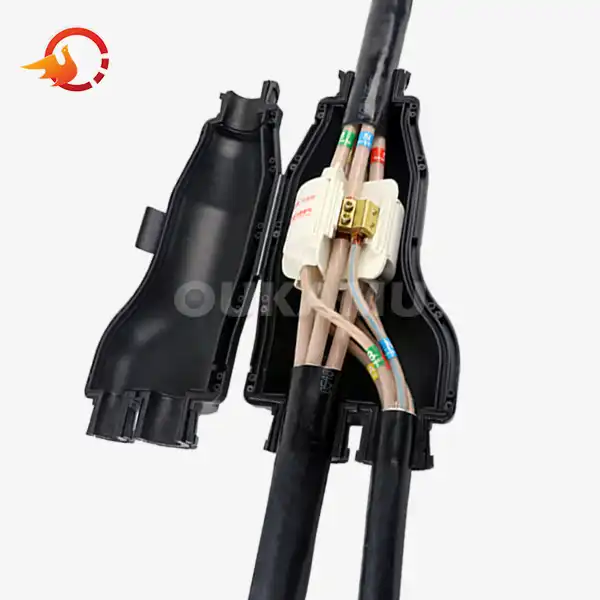
Cable Joint types and splices are two terms that are often used to refer to the same thing, but they have different jobs in electrical systems. Splices usually make permanent links between two ends of a cable, which can be used to extend cable runs or fix broken parts. Joints can do more than one thing. For example, they can make branch connections that send power from main lines to multiple circuits without breaking the major conductor.
This difference is important for planning projects and keeping track of supplies. Electrical workers can use branch Cable Jointing technology to set up distribution points anywhere along a main cable route. This way, they can adapt to situations in the field without having to plan out exact connection points ahead of time. In traditional joining, wires have to be cut and matched exactly in length, which wastes time and materials when measurements taken in the field don't match up with measurements made in a factory. Advanced jointing systems are flexible, which cuts down on material costs and speeds up the installation process.
Heat Shrink Versus Resin Cable Joint Technologies
Heat shrink options are easy to put quickly in controlled settings. Installers put sleeves that have already been made over prepared wire ends and then use heat to make the sleeves shrink and form waterproof seals. This method works well for sites that are above ground, have room for heating equipment, and don't pose a lot of contamination risks.
In harsh situations, resin-filled Cable Joints protect against the environment better. Resins that are cold-applied or heat-cured flow around the surfaces of the conductors, filling in any gaps and making solid insulation masses that don't let water in or damage easily. This full enclosure is good for underground installs, especially ones that are in soils that are wet or corrosive. In exchange, the installation takes longer and is more complicated, but the links that are made usually last longer than the tools they connect to.
Material Selection for Durability and Longevity
Polymeric materials are used most often for Cable Jointing these days because they have the right mix of electrical qualities, mechanical strength, and resistance to the environment. Cross-linked polyethylene and silicone rubber keep their insulating properties over a wide range of temperatures and don't let water or chemicals get through. These materials work well in the field and can handle small placement flaws without losing their effectiveness.
Epoxy glue systems are the strongest and most resistant to chemicals that can be used in harsh settings. Their stiff structure keeps them from getting damaged physically and keeps their shape when heated up. Composite designs take the best features of two types of materials—polymeric outer layers for flexibility and epoxy bases for mechanical protection—and combine them to make the best solutions for different voltage ratings and weather conditions.
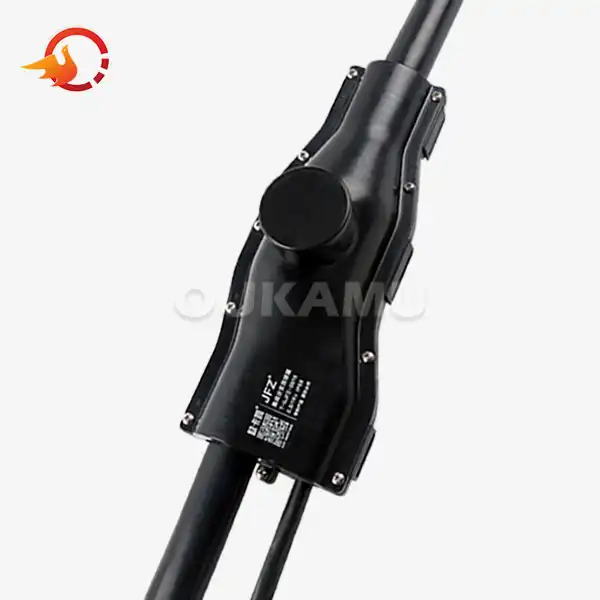
The ZR-JFZ-120/35 branch connection uses novel techniques from material engineering. It is flame-retardant and fire-resistant, and it meets the standards set by GB/T 14048.7-2016. It is also waterproof across all power ranges. This combined design shows how choosing the right material has a direct effect on how many uses it can have and how long it will last. It can be used for main cables from 50mm to 120mm and branch cables from 2.5mm to 35mm at 0.6/1kV ratings.
Installation and Maintenance Process for High Reliability
Step-by-Step Installation Best Practices
Thorough planning is the first step to a proper Cable Joint fitting. Cable ends need to be carefully stripped according to the manufacturer's instructions so that the insulation is taken off without damaging the conductors. Cleaning gets rid of oxidation and other impurities that make contact resistance higher, and preparing the conductor makes sure that all of the surfaces are the same for the link points. If you hurry through these steps, you'll end up with weak spots that affect the structure of the joint, no matter how good the product is.
Pay close attention to the manufacturer's directions when putting together a connection. Mechanical connectors have torque specs that make sure they have enough pressure without damaging the threads. Alignment standards stop stress builds up that cause things to break too soon. When you restore insulation, you have to get rid of any air holes and keep the dielectric strength the same along the whole length of the joint. When you use measured tools and follow written instructions, you can turn complicated setups into processes that can be repeated and always give the same results.
Advanced branch connections make installation easier because they can be used more than once. Measuring mistakes that lose materials and slow down projects can be avoided with products that don't need main cables to be cut. Flexible positioning changes to the conditions found in the field during installation, which is better than setting fixed branch places during the planning phase, which can cause problems. These features shorten the time it takes to set the system and make it more reliable in the end.
Maintenance Routines That Extend Service Life
Through regular review programs, new problems are found before they become major problems. Visual inspections find damage to the object, broken seals, and signs of burning. Thermal imaging shows hot spots that mean links with high resistance or insulator wear and tear. Inspections that are set up to happen every 12 to 24 months, based on how bad the environment is, find problems early on, when they are still easy and cheap to fix.
The cleaning and resealing steps get rid of pollution buildup. Getting rid of contaminants on the outside of protection housings stops them from breaking down over time. Moisture shields are kept up by reapplying sealants at gland entry points. These simple maintenance jobs make Cable Jointing last a lot longer in places like factories and parks where they are exposed to elements that constantly test protection systems.
Professional testing tools gives an accurate picture of efficiency. Insulation resistance readings tell you how strong the dielectric is, and partial discharge detection finds weaknesses that can't be seen with the naked eye. Setting up standard measures during the initial installation makes it possible to look at trends and see how things are slowly getting worse before they get to a dangerous level. Unplanned breakdowns that disrupt operations and damage expensive equipment can be avoided by replacing parts at the right time based on test data.
Procurement Insights: Choosing the Right Cable Joint Supplier and Product
Strategic Sourcing Criteria for B2B Buyers
When making Cable Joint purchases, people weigh the short-term costs against the long-term benefits. Comparing unit prices doesn't take into account important things like the amount of work needed for installation, the expected service life, and the guarantee coverage. Products that cost more at first often have lower total purchase costs because they are easier to set up, need less upkeep, and are more reliable, so they don't break down as often and cost more to fix.
Lead times affect how projects are scheduled and how much material is needed. When it comes to common configurations, suppliers who keep stock in the United States allow for quick turnaround, while those who need to ship goods abroad add weeks to the buying cycle. Customization is important for projects that need to deal with odd voltage levels, harsh environments, or limited room. Flexible-ordering vendors can handle both large-scale setups and small repair stockpiles without charging extra for small orders.
Full kits make installation easier and make sure everything works together. Pre-assembled packages come with all the parts you need, like connectors, insulation sleeves, sealing materials, and fitting tools. This makes it easier to buy everything you need without having to look for each part separately. This method makes it easier to handle supplies and guarantees that parts will work together in a way that buying them separately can't.
Evaluating Supplier Reputation and Support
Product designs from well-known makers are the result of decades of tech improvement. Companies that have been in the market for a long time have gone through many product stages, listening to feedback from customers and learning from the millions of units that have been sold. This built-up knowledge shows up in features that matter during installation and throughout the product's useful life: installation limits that are easier to work with, better resistance to environmental stress, and better material aging traits.
When problems happen, after-sales help sets one provider apart from others. Technical support helps fix problems with installations and questions about applications that written instructions can't fully answer. How quickly a warranty is honored decides whether faulty goods cause minor problems or major delays in a project. Training programs teach installation teams what the maker knows, which increases the success rate of the first job and the efficiency of long-term upkeep.
This dedication to full customer help is shown by Xi'an Oukamu Electric Co., Ltd. For 20 years, the company has been a leader in branch connection technology. They were the first to come up with new ways to join cables on-site that work with real-world installation problems. Their integrated solutions strike a balance between technical performance and the needs of installation. They also offer engineering support to help builders and sellers choose the best goods for a wide range of uses.
Market Overview and Product Matching Guidance
Each of the top makers brings something different to the market. 3M's cold shrink and plastic technologies are used in industry and utility settings that need reliable solutions. Phoenix Contact makes flexible connection devices that are used in automation and control. TE Connectivity has wide range of products for data infrastructure, telecoms, and power transfer.
Verifying the voltage level is the first step in matching goods to the needs of an application. The operating voltage sets the standards for insulation thickness and dielectric strength, which in turn affects the size and cost of the product. Extreme temperatures, exposure to moisture, chemical present, and mechanical stress are some of the environmental factors that affect the choice of material and safety level. Product form factors are affected by installation room and ease of entry for future maintenance.
Because it was carefully designed, the ZR-JFZ-120/35 solves common problems that come up when buying things. Its ability to be installed anywhere on-site cuts down on the waste that comes with pre-made wires that don't work perfectly in the field. Saving two to three meters of main wire per connection point lowers the cost of materials in big projects, and making installation easier saves time and money, which improves the project's economy. Following international safety standards gives projects that need to show proof of legal compliance more trust in their specifications.
How Proper Cable Joint Selection Enhances Power System Reliability?
Real-World Performance Data and Case Studies
The JinRenTong Highway project shows how good Cable Joint products can affect the dependability of large-scale infrastructure. This important transportation route between Zunyi and Bijie towns needed constant electricity for lights, signaling, and communication devices, even though the weather was rough. Oukamu's branch connection technology made it possible to place almost 20,000 jointing points, which are what hold the whole highway system's electricity distribution system together.
This chart shows how the stability of each product affects the whole. With thousands of link points, even small failure rates cause too much work to be done on them and cause service to be interrupted. The project's successful completion proves that properly defined jointing solutions are durable and resistant to the elements. These kinds of infrastructure uses show how well a product works in real life, which is something that testing in a lab can't fully do.
Quantifiable Benefits and Return on Investment
Less downtime is the most important business gain of connections that work well. Every hour, factories lose thousands of dollars when their production equipment stops working without warning. When power goes out and vital systems stop working, commercial buildings could be sued by their tenants. When electricity problems stop lights or signals from working, transportation equipment puts people in danger.
When compared to simple joining methods, quality Cable Jointing goods cut failure rates by ten times or more. This directly leads to fewer calls for repair, longer gaps between system checks, and smaller stockpiles of spare parts. Savings on installation labor make these benefits even better. Products made for easy installation shorten project timelines and lower the need for skilled labor, which speeds up completion plans and makes contractors more money.
The value offer can be seen by calculating the total cost of ownership. The total costs of a connection that costs 30% more at first but lasts twice as long and needs half as many upkeep calls are much lower. Low-resistance links save energy and lower running costs over many years of service. Because of these facts about the economy, experienced buyers put dependability and total owning costs higher than just the purchase price.
Safety and Regulatory Compliance Advantages
Proper Cable Jointing is required by electrical safety rules because failed connections can cause fires and electric shocks. Products that meet IEC and IEEE standards provide proof of compliance that meets testing needs and addresses legal concerns. Verification by a third party during testing gives project partners faith that installations meet safety standards, even if installers have different levels of skill.
Tracking problems that cause arc faults and electrical fires can be avoided by better insulation planning. When you seal things properly, you stop moisture from building up, which can cause shocks and damage to equipment. During repair work, mechanical security keeps people from touching energized parts by mistake. These safety features protect workers, building occupants, and equipment purchases. They also make building owners and electricity contractors less liable.
Fire-resistant and flame-retardant materials add an extra layer of safety to important situations. Emergency systems can work when they're needed the most when they have connections that stay strong during fires. Materials that put out fires on their own stop links from spreading fires, which keeps electricity problems from becoming building-wide emergencies.
Conclusion
Every link point in an electrical system is very important for making sure that power is distributed reliably. Good Cable Joint solutions offer the soundproofing, environmental protection, and mechanical longevity that keep systems working well for decades. The best long-term results come from balancing beginning costs against total ownership value when making procurement choices. Also, choosing a supplier based on expert support and proven reliability can help you avoid the hidden costs of early failures. Large-scale infrastructure projects and industrial installations have shown over and over again that investing in properly designed jointing products lowers the need for upkeep, stops expensive downtime, and improves safety outcomes that support higher product specs.
FAQ
What factors should I consider when choosing between heat-shrink and resin cable joints?
This choice is based on the installation area and how easy it is to get to. Heat-shrink cable joint options work best in dry, above-ground places with enough room for heating tools and generally nice weather. Resin systems are better at protecting sites that are buried, in wet places, or in places where chemicals and mechanical stress are present. Think about how easy it will be to do maintenance in the future. Heat-shrink joints make it easier to check and change things, while resin encapsulation makes solid, tamper-resistant links that can be used in hard-to-reach places.
How do branch cable joints differ from traditional splicing methods?
Branch connections let power flow from main lines without cutting the primary conductor. This keeps the trunk cable connected and sets up tap-off places for secondary circuits. Cutting wires and putting their ends together is what traditional splicing does. This can be used to extend runs or fix problems, but it can't be used to make branch points. Because branches can be put anywhere along a main cable, premade cables with set branch locations are not needed. This saves money and time and allows for changes to be made based on conditions found during installation.
What maintenance schedule ensures optimal cable joint performance?
The harshness of the environment decides how often inspections are done. Outdoor systems in harsh conditions should be inspected visually once a year and thermally scanned every 18 to 24 months. Installations inside of controlled settings can make the time between visits 24 to 36 months. Any site that has a lot of fault indicators, ground disturbances close, or equipment changes needs to be inspected right away, no matter how often it's supposed to be done. Thermal testing during times of high demand shows link resistance problems that aren't visible during times of low demand, giving early warning of problems that are about to happen.
Partner with Oukamu for Superior Cable Connection Solutions
For twenty years, Xi'an Oukamu Electric Co., Ltd. has been improving branch Cable Joint connector technology that solves the problems that electrical builders and dealers face every day. Through its reuse design and ability to be moved around on-site, our ZR-JFZ-120/35 branch jointing system gets rid of the waste of materials and installation problems that come with standard methods. As a company that makes specialized cable joints, we know that when your image depends on systems that work without fail, dependability is more important than price at first.
Our idea of integrated design gives you quantifiable benefits. Installations save two to three meters of main wire per connection point, cut down on labor costs, and speed up project timelines. The build is flame-resistant and waterproof, so it will work well for a long time in a variety of environments. It also meets GB/T 14048.7-2016 and other international safety standards. When it comes to protecting your business, Oukamu offers the technical support and product performance you need, whether you're planning electrical contractor supply packages, stocking e-commerce platforms with goods, or selecting products for big infrastructure projects.
Get in touch with our team at info@okmbranchcable.com to talk about your unique application needs and find out how our branch jointing solutions can give your customers the dependability, freedom, and low costs they want.
References
1. International Electrotechnical Commission. "Power cables with extruded insulation and their accessories for rated voltages from 1 kV up to 30 kV - Part 1: Cables for rated voltages of 1 kV and 3 kV." IEC 60502-1, 2021.
2. Institute of Electrical and Electronics Engineers. "IEEE Guide for Field Testing of Shielded Power Cable Systems Using Very Low Frequency (VLF)." IEEE Std 400.2-2013.
3. Orton, Howard. "Power Cable Technology Review." High Voltage Engineering, vol. 41, no. 4, 2015, pp. 1057-1067.
4. Küchler, Andreas. "High Voltage Engineering: Fundamentals - Technology - Applications." VDE Verlag, 2018, pp. 428-456.
5. Thue, William A. "Electrical Power Cable Engineering." CRC Press, 2003, pp. 215-248.
6. CIGRE Working Group B1.28. "Cable Systems Electrical Characteristics." Technical Brochure 531, International Council on Large Electric Systems, 2013.