

_1790150425011.webp)
China Branch Joints Suppliers Serving Australian Power Grids






 2026-05-20 10:18:03
View:389
2026-05-20 10:18:03
View:389Australia's power grid infrastructure needs the best electrical connectivity solutions, and Chinese companies like Oukamu have become trusted partners in providing cutting-edge branch joints technology. Oukamu Electric Co., Ltd. has been specializing in cable connection solutions for over 17 years. They offer new branch joints that allow Australian electrical wholesalers, retailers, and building companies to make flexible, low-cost connections. These high-tech T-connector systems can handle main cables from 10 to 35 mm and branch cables from 2.5 to 16 mm. They provide unmatched flexibility in power distribution uses in a wide range of industrial settings.

Understanding Branch Joints in Power Grid Systems
Definition and Core Functionality
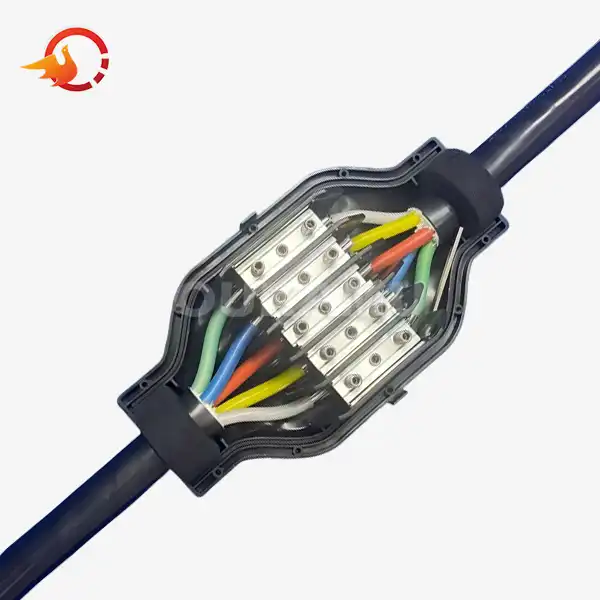
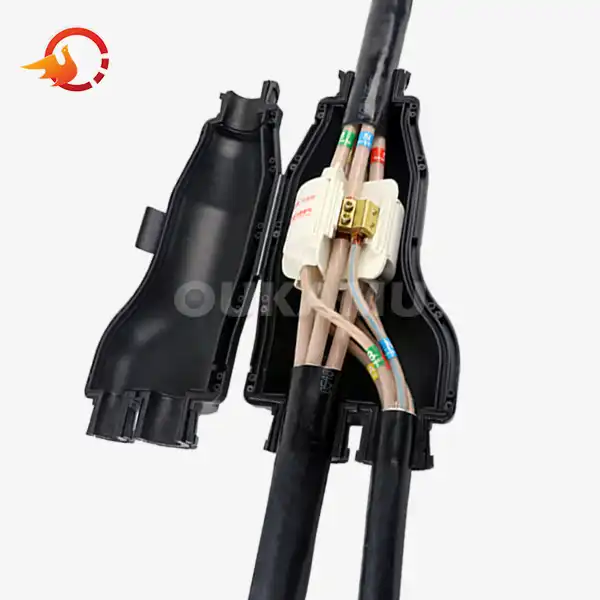
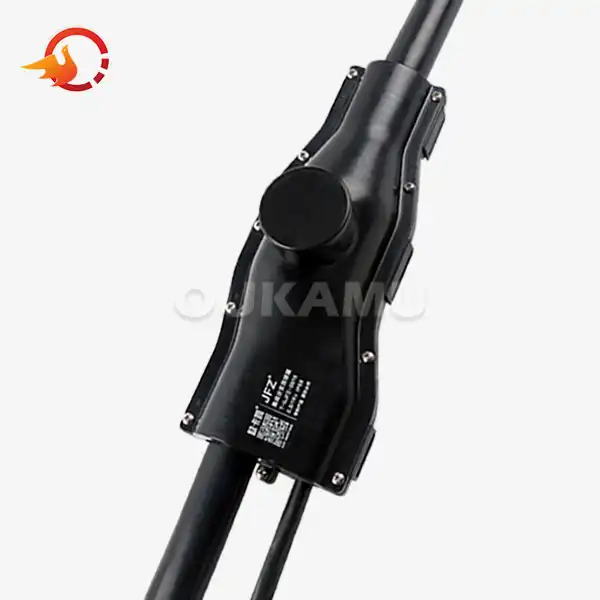
With cable branch joints, technicians can make connection points right at the installation site without having to cut major lines. This is a completely new way to distribute electricity. These new connections are different from standard prefabricated systems because they combine insulation, flame retardancy, fire protection, and waterproofing all in one small unit. The T-connector design makes three important links possible: one main input line and two branch outputs. This makes an effective distribution point that looks like the letter "T."
With modern branch joint technology, you don't have to worry about cable length limits. This gives you a lot of installation options while keeping the electrical integrity. For reliable performance in Australia's harsh climate, pressure release devices and environmental sealing are built in. These protect against moisture infiltration and contamination.
Types and Applications in Power Infrastructure
Different branch joint designs are used in power grid uses based on voltage needs and environmental factors. Standard uses can handle rated voltages of 0.6/1kV, which means they can be used in low-voltage distribution networks that are popular in business and industry buildings. When it comes to building, the new polymer materials are very resistant to UV light, chemicals, and mechanical stress.
These links can work well in both open-air mounting and enclosed bridge setups because they are easy to install. The small structure design lets it be used in places with limited room while still meeting all electricity performance standards. Protection levels above IP65 ensure stable operation in settings that are dusty and wet, like those found in Australian power distribution buildings.
Compliance with International Standards
International safety standards, such as GB/T 14048.7-2016 specs and related Australian electrical codes, must be followed by high-quality branch joints. These standards require specific performance factors for resistance values, voltage drop characteristics, and the ability to handle voltage. Products that meet the requirements show voltage drops below 3.2mV, can withstand 3.5kV for five minutes, and keep resistance numbers above 500MΩ.
Safety rules are always being followed thanks to regular inspection procedures that include eye assessment, electrical testing, and environmental stress evaluation. In more advanced manufacturing methods, quality control checks are built in to make sure that the dimensions are correct, the materials are the right ones, and the electricity performance is good before the product is released.
Comparing Branch Joints vs. Other Joint Types for Power Grids
Structural Advantages Over Traditional Connections
When compared to traditional welded links and mechanical parts, branch joints are much better for the structure. The combined design gets rid of multiple communication points that are common in older systems and can be places where things go wrong. Welded flanges need a lot of time and special tools to prepare, but branch joints can be installed quickly with common tools and little technical knowledge.
Because they can be used again and again, advanced branch joints are very useful for temporary setups and upkeep. When changes need to be made, traditional soldered connections have to be replaced completely. But quality branch joints can be moved and used again and again without losing any of their performance. This adaptability is especially helpful for Australian power projects that need to be put in place gradually or with changes that happen with the seasons.
Material Selection and Performance Characteristics
Radiation-crosslinked high-density polyethylene materials are used in high-performance branch joints. These materials last longer than normal PVC or rubber options. These high-tech materials are very good at resisting electrolytic corrosion, the effects of age, and the wide ranges of temperatures that can happen in the Australian power grid.
When choosing a material, things like its thermal expansion rate, chemical compatibility, and long-term safety under electrical stress are taken into account. High-quality materials keep working the same way in temperatures ranging from -40°C to +90°C, so they can be used reliably in all of Australia's climate zones. Long-term touch with ultraviolet light and ozone can break down materials. Anti-aging additives stop this from happening.
Cost-Effectiveness and Installation Efficiency
According to an economic study, good branch joints can cut the total cost of a project by 300 to 500% compared to old-fashioned ways of connecting. There are a number of reasons for these saves, such as less cable waste, less work needed, and shorter installation times. When you don't have to cut cables, you save two to three meters of main wire per connection point. This saves a lot of money on materials for big jobs.
Simplifying the link process makes installation more efficient because it requires less skilled workers and takes less time to finish. Traditional methods often need expert welders and a lot of steps to make sure the quality is right. Modern branch joints, on the other hand, can be installed by regular electrical workers using standard methods. This makes it easier to get the expert staff you need, which frees up time on projects and lowers the costs of hiring them.
How Oukamu Ensures Quality and Reliability in Branch Joint Supply for Australian Power Grids?
Advanced Manufacturing and Quality Control
Twenty years of focused research and development in wire connection technology have made Oukamu a world-class manufacturer. Quality management methods are used in all of the company's production sites to monitor every step of the process, from checking the raw materials to testing the finished product. With advanced equipment for processing polymers, Oukamu ensures that all product lines, including Branch Joints, maintain consistent material qualities and measurements.
The quality control framework includes several levels of checks, such as analyzing new materials, keeping an eye on work-in-progress, and thorough final inspections. Electrical performance tests are done on each batch to check the voltage drop, insulator resistance, and ability to handle voltage. Environmental stress testing makes sure that the product works well in harsh temperature, humidity, and mechanical stress situations that are common in Australian power grid uses.
Certification and Standards Compliance
Oukamu strictly follows foreign quality standards, such as ISO approval and meeting the requirements of GB/T 14048.7-2016. Third-party auditors check the company's quality management system on a regular basis to make sure it keeps up with changing industry standards. Australian buyers can get full traceability and performance proof data from product approval documents.
By investing in research and development all the time, Oukamu can predict new needs in the industry and stay ahead of the curve in terms of technology for joint branch innovation. The engineering team of the company works with international standards groups to help create the next generation of performance criteria and testing methods.
Customization Capabilities and Technical Support
The technical team at Oukamu offers full customization services that are made to fit the needs of the Australian power grid. Custom solutions can handle the different power requirements, placement limitations, and environmental conditions that come up in different project situations. Because the company is very good at technology, it can quickly make specialized items that are used in tough places like the ocean, mines, and green energy installations.
As part of technical support services, you can get help with pre-installation, on-site training, and ongoing upkeep. The support team gives you full instructions on how to run the software, fix problems, and get the best performance. Remote technical help lets you solve problems right away and keep project delays to a minimum caused by technology issues.
How to Procure High-Quality Branch Joints from China's Guide
Supplier Evaluation Criteria
Aside from original cost concerns, buying branch joints from Chinese suppliers needs a systematic review of a number of performance criteria. Quality certifications are the basis for judging suppliers, and companies that keep up with ISO 9001 quality management systems and related product certifications are given more weight. Checking that a product meets foreign electricity standards makes sure that it works with the Australian power grid.
Facility audits, production capacity assessments, and quality control system checks should all be part of a manufacturing capability review. Reliable shipping, consistent production capacity, and thorough technical documents are all signs of a provider that has been around for a while. Financial stability factors show that a seller will be able to stay in business and provide long-term help.
Due Diligence and Quality Verification
As part of good due diligence processes, suppliers' credentials, customer references, and performance records should all be carefully looked over. Site tours let you directly check out the company's industrial skills, technical know-how, and quality control systems. Sample testing programs make sure that promises about a product's performance are true and that it meets certain technical standards.
When you look over your documents, you should include quality management badges, product testing reports, and records of safety checks. Suppliers who have been around for a while offer a lot of detailed information, such as installation guides, performance specs, and care suggestions. Reference customer contacts let you check a supplier's track record of success and the level of customer happiness.
Procurement Strategy and Risk Management
A strategic strategy to procurement strikes a balance between lowering costs, ensuring quality, and making sure the supply line is reliable. Multi-supplier strategies lower the risk of being dependent on one source while keeping prices affordable. When providers build long-term partnerships, they can spend in customer-specific skills and offer better service.
The terms of the contract should include requirements for quality, performance standards for delivery, and duties to provide expert help. Performance measures, such as defect rates, delivery reliability, and how quickly technical help responds, are used to evaluate suppliers on a regular basis. As part of contingency planning, different supplier plans and inventory management methods are used to deal with possible supply problems and quality problems.
Common Challenges and Solutions in Branch Joint Application for Power Grids
Installation and Performance Issues
Problems that often happen during installation include using the wrong closing methods, not releasing enough stress, and not protecting the environment enough. These issues typically arise due to improper training, selecting the wrong tools, or failing to follow the manufacturer's instructions. Poor fitting methods can negatively impact the performance of electrical equipment and create safety risks, leading to expensive repairs—especially when dealing with components like Branch Joints.
If you don't take the right steps during installation, environmental factors like moisture intrusion, temperature changes, and mechanical shaking can affect long-term performance. Choosing the right materials and installing them correctly are effective ways to reduce damage. Protocols for regular inspections help find possible problems early, before they become system failures.
Troubleshooting and Maintenance Strategies
Systematic fixing methods use organized testing and review steps to find the root causes of performance problems. Protocols for electrical tests check the features of insulation resistance, continuity, and voltage drop. Visual inspection finds damage to the object, changes in its surroundings, and mistakes in the placement that could affect its performance.
Regular inspections and cleanings as part of preventative maintenance programs keep things running at their best and extend the life of equipment. Environmental exposure levels, electrical loading conditions, and manufacturer advice should all be taken into account in maintenance plans. Recording maintenance tasks gives useful information about performance trends and helps improve the length of time between maintenance tasks.
Performance Optimization Techniques
Strategies for improving performance focus on using the right installation methods, keeping the surroundings safe, and doing regular upkeep. The right torque specs protect against mechanical damage and ensure reliable electrical links. When environmental sealing is done right, it keeps out wetness and other things that can hurt performance over time.
Training programs for installation and repair staff makes sure that best practices and maker advice are always followed. Technical paperwork, such as installation guides, troubleshooting steps, and upkeep plans, is very useful for people who work in the field. Regularly checking the performance lets you spot trends of decline early and plan maintenance ahead of time.
Conclusion
Australian power grid managers can use advanced cable link technology from China's branch joint suppliers, especially well-known brands like Oukamu. This has big practical and economic benefits. Australian electrical distributors and building firms can get a lot of value from companies that have a history of making quality products, strict quality control systems, and a lot of technical support. Compared to older link methods, modern branch joint technology meets important infrastructure needs and cuts costs by 300 to 500%. Due to their dependability, flexibility, and performance, high-quality branch joints made in China are important parts of Australia's changing power distribution system.
FAQ
Q1: What are the main advantages of using branch joints in power grid applications?
A: Branch joints make installation very flexible because you don't have to cut the main wires and can put the connection points anywhere you want. The combined design saves two to three meters of wire per link because it combines flame retardancy, insulation, and waterproofing into a small unit. Advanced materials make sure that the product works reliably in temperatures ranging from -40°C to +90°C, and the level of security goes above IP65 standards.
Q2: How do Oukamu's branch joints comply with Australian electrical standards?
A: The branch joints made by Oukamu meet international safety standards, such as GB/T 14048.7-2016 and the appropriate Australian electricity codes. The products show voltage drops below 3.2mV, can handle 3.5kV for five minutes, and keep resistance numbers above 500MΩ. Full quality control methods make sure that changing industry standards are always followed.
Q3: What cable sizes are compatible with Oukamu branch joints?
A: Oukamu branch joints can handle main wires with a diameter of 10–35 mm and branch cables with a diameter of 2.5–16 mm and a recommended voltage of 0.6–1kV. The T-connector design has one main input and two branch outputs, making it useful for a range of low-voltage distribution tasks. Modern polymer materials make sure that the performance is stable across a range of wire types and environments.
Partner with Oukamu for Superior Branch Joints Solutions
With over 20 years of experience as a top maker of branch joints, Oukamu is ready to change your electrical distribution projects. Electrical stores, distributors, and building companies all over Australia use our wide range of products, which have been shown to cut installation costs by up to 500% while still meeting high standards of reliability.
Email our technical experts at info@okmbranchcable.com to talk about your unique needs and find out how Oukamu's cutting-edge cable link technology can help your next project run more smoothly. Our skilled professionals offer specialized options, helpful technology support, and reasonable prices that are made to fit your purchasing needs.
References
1. Australian Energy Market Operator. "Power System Requirements for Electrical Equipment Standards." Technical Guidelines for Grid Connection Infrastructure, 2023.
2. International Electrotechnical Commission. "Cable Joints and Terminations for Power Cables with Extruded Insulation." IEC Standard 62067, Fourth Edition, 2022.
3. Standards Australia. "Selection and Application of Cable Management Systems for Electrical Installations." AS/NZS 3008.1.1, 2017.
4. Chen, L., & Wang, M. "Advanced Materials in Cable Joint Technology: Performance Analysis and Applications." Journal of Electrical Engineering Materials, Vol. 45, No. 3, 2023.
5. Australian Industry Energy Transitions Initiative. "Infrastructure Modernization Guidelines for Power Distribution Networks." Technical Report Series, 2023.
6. Zhang, H., et al. "Quality Assessment Methods for Cable Connection Systems in Power Grid Applications." International Conference on Electrical Infrastructure Technology, Sydney, 2022.