

_1790150425011.webp)
Why Brazil Infrastructure Uses China Branch Cables






 2026-03-16 10:32:32
View:389
2026-03-16 10:32:32
View:389Branch cables made in China are very important to Brazil's huge infrastructure development because they are very cheap, technically reliable, and meet international safety standards. These specialized electrical parts are very important in power systems because they connect main feeder lines to different sub-circuits that are used in homes, businesses, and factories. Chinese branch cables give Brazilian contractors and procurement teams the best of all worlds: low prices, strong quality assurance, and flexible supply chain solutions that can meet the needs of Latin America's biggest economy.

Overview of Branch Cables and Their Role in Infrastructure
Branched cables are the most important part of modern electrical distribution systems. They connect power from main feeder lines to individual circuits in buildings and infrastructure projects. In terms of both function and design, these parts are very different from main cables.
Understanding Branch Cable Fundamentals
The main difference between branch cables and main cables is how they work and what technical requirements they have. Main cables carry large amounts of electricity over long distances and handle heavy loads. They are usually built to last, with thick insulation and strong conductor materials. Branch cables, on the other hand, are used for localized distribution within buildings or areas. They need different voltage ratings and more installation options.
Copper or aluminum conductors are used in modern branch cables. Each material has its own benefits. Copper works well in high-performance applications because it is highly conductive and doesn't rust. The lighter weight and lower cost of aluminum make it a good choice for projects where cost is important without sacrificing safety.
Installation Challenges in Brazilian Climate
The different climates in Brazil make problems with electrical infrastructure unique. In the Amazon region, the weather is tropically humid, while in the south, it is mild. Because of this, branch cables need to be able to handle wide ranges of temperatures and moisture. Because of these environmental factors, specific insulation materials and protective coatings are needed that keep their performance over long periods of time.
The rules and regulations in Brazil also affect the choice of branch cables. The projects have to follow the rules set by the Brazilian Association of Technical Standards (ABNT) and also follow international safety rules. Because of this need for dual compliance, Chinese manufacturers are very appealing because their products usually meet more than one international standard at the same time.
Why Brazil's Infrastructure Prefers China-Produced Branch Cables?
Brazilian infrastructure procurement teams are buying more and more branch cables from Chinese manufacturers. This is because Chinese manufacturers offer strong economic and technical benefits that fit the needs of the project and the budget.
Competitive Pricing and Cost Advantages
Because they use efficient production methods and economies of scale, Chinese manufacturers of branch cables can offer big price cuts. These savings are especially important for big infrastructure projects that need cables that go for thousands of meters. When Brazilian contractors buy in bulk from Chinese suppliers, the prices are often 20–30% lower than when they buy from European or North American suppliers. This lets them better allocate their resources across project components.
The cost benefits go beyond the price of the initial purchase. Chinese companies have made their logistics networks more efficient, which cuts down on shipping costs and delivery times to markets in South America. Many well-known Chinese cable companies have regional distribution centers that help Brazilian procurement teams get what they need faster and for less money.
Quality Assurance and International Standards Compliance
Modern Chinese companies that make branch cables have put a lot of money into quality control systems that meet or go beyond international standards. Products usually follow IEC 60502, ISO 9001, and other well-known safety standards, which makes sure they are reliable and work the same way every time. This dedication to quality has changed a lot in the last ten years, with top Chinese manufacturers putting in place strict testing and certification processes.
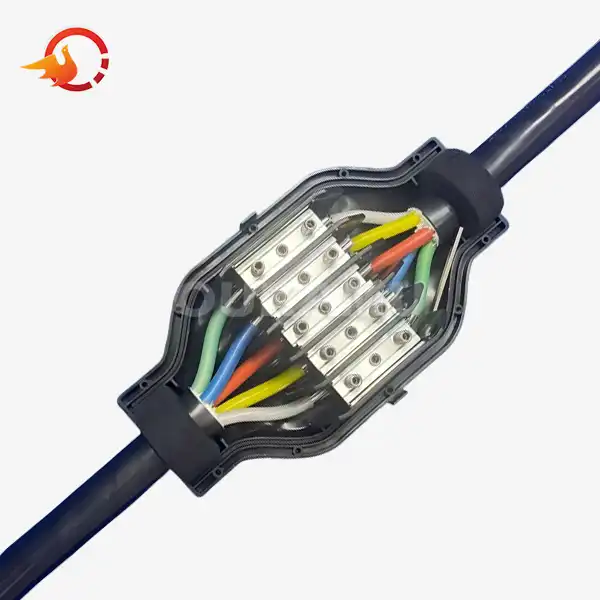
This focus on quality is shown by the ZR-JFZ-185/35 model, which is made of advanced insulation materials rated for 0.6/1kV applications and having full flame retardant and fire-resistant properties. These specifications meet both Brazilian ABNT standards and international IEC standards. This gives procurement teams confidence in the reliability of the product and its ability to follow the rules.
Supply Chain Efficiency and Customization
Chinese manufacturers are very good at being responsive in the supply chain. They have shorter lead times and more options for customization than many global competitors. This flexibility is very important for Brazilian infrastructure projects that need to be set up in specific ways or with changes that meet specific installation needs.
A lot of Chinese suppliers offer solutions that can be changed to fit different voltage needs, installation limitations, and environmental conditions. Because of this, Brazilian contractors can make sure that their electrical systems work best in the area while still meeting performance and cost standards.
Technical and Safety Advantages of Chinese Branch Cables for Brazil
Chinese branch cable technology has come a long way, using new materials and manufacturing methods that make it work better in the tough conditions that are common in Brazilian infrastructure projects.
Advanced Insulation and Environmental Resistance
Modern Chinese branch cables have advanced insulation systems made to handle the high humidity, temperature changes, and UV light that are common in Brazilian installations. Cross-linked polyethylene (XLPE) and ethylene propylene rubber (EPR) are two of these materials. They stay strong even when they're under a lot of stress and do a great job of keeping electricity from flowing through them.
The ZR-JFZ-185/35 series shows these improvements through its many safety features, including its ability to insulate, retard flames, resist fire, keep water out, and slow down the aging process. This multi-layered approach to protection guarantees long-term dependability in a wide range of climate zones in Brazil, from the humid coastal areas to the extreme temperatures in the interior.
Installation Innovation and On-Site Flexibility
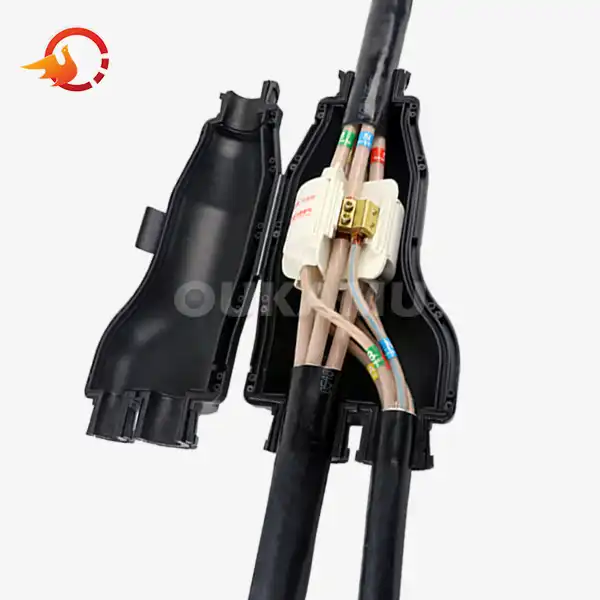
Chinese manufacturers were the first to use installation methods that make projects easier and cost less to do. Modern branch connection systems don't require cutting main cables during installation. This keeps the integrity of the system and lets the cables be placed in different ways depending on the conditions at the site.
These new ideas solve problems that often come up in Brazilian construction projects, like when building layouts need to be changed during the building process or when limited space means coming up with creative ways to route traffic. Being able to change the positions of branches on-site cuts down on waste and the need for custom pre-fabricated assemblies.
Safety Protocols and Risk Mitigation
Chinese companies that make branch cables put a lot of emphasis on safety by using strict testing protocols and quality control systems. Products are carefully checked for electrical safety, fire resistance, and durability in harsh environments before they are certified. This focus on safety fits with the needs of Brazilian infrastructure, where the safety of workers and the dependability of systems are the most important things.
Performance data from installations in Brazil shows that these safety measures work in the real world. When compared to other options, projects that use Chinese branch cables report fewer maintenance issues and longer service lives. This leads to a lower total cost of ownership and better system reliability.
How to Choose the Right Branch Cables for Brazilian Infrastructure Needs?
To choose the right branch cables, you need to carefully think about the technical needs, the environment, and the limitations of the project. Brazilian procurement teams have to make sure that local rules are followed while also balancing performance requirements with cost concerns.
Technical Specification Evaluation
When choosing branch cables, load capacity is the most important technical factor. The ZR-JFZ-185/35 model can handle main cables from 70mm to 185mm and branch cables from 2.5mm to 35mm, which is enough for most infrastructure uses. This gives contractors the freedom to stick to a single family of products while still meeting the different electrical needs of different parts of the project.
Both voltage rating and other factors are very important. The 0.6/1kV rating of modern Chinese branch cables works well for most infrastructure needs in Brazil, from commercial and residential complexes. This voltage range gives you enough safety margins without going over budget compared to higher-rated options.
Environmental and Installation Factors
When installing things in Brazil, you need to think carefully about how well they can handle moisture, heat, and UV light. Chinese manufacturers have come up with special formulas that deal with these problems while keeping prices low. The integrated design method makes sure that all of the parts work well together, which lowers the chance that the system will fail because of materials that don't work well together.
Another important factor is installation flexibility. Making branch connections without cutting main cables saves two to three meters of cable per connection and cuts down on labor costs and installation time. When working on big projects that need hundreds of branch connections, this efficiency comes in very handy.
Cost-Benefit Analysis and Long-Term Value
When you look at the total cost of ownership, Chinese branch cables are much cheaper than global alternatives. When you combine competitive initial pricing, lower installation costs, and longer service life, you get a strong value proposition for infrastructure projects in Brazil. Also, because advanced Chinese branch connectors can be used again and again, they can be changed or added to in the future.
In addition to lower direct costs, these economic benefits also include fewer items needing to be stored, easier logistics, and standard maintenance procedures. Brazilian contractors say that using standard Chinese branch cable solutions on multiple projects makes them more efficient and less complicated.
Oukamu: Your Trusted Branch Cable Manufacturer for Brazilian Infrastructure
Xi'an Oukamu Electric Co., Ltd. is a leader in cable connection technology. They have 17 years of experience making branch cable connectors and sell them all over the world. Because we are dedicated to quality and new ideas, we are the go-to supplier for contractors who need reliable, low-cost solutions for their complicated electrical distribution needs.
Comprehensive Product Portfolio and Technical Excellence
The ZR-JFZ-185/35 model we're most proud of is the result of decades of research and development into branch cable technology. This high-tech system can handle main cables from 70 to 185 mm and branch cables from 2.5 to 35 mm, so it can be used for a wide range of projects. The 0.6/1kV rating makes sure that it works with standard Brazilian electrical systems and meets international safety standards.
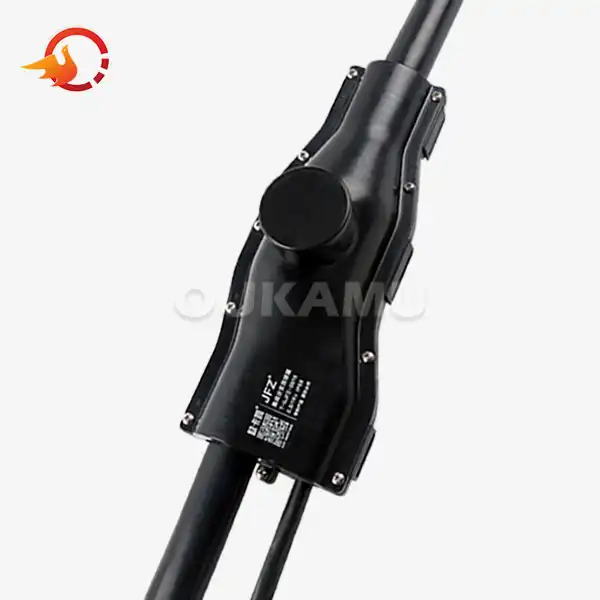
Our products are made with an integrated design philosophy that gets rid of common installation problems and makes systems more reliable. Our branch connectors have bodies that are insulated and flame-retardant, so they are completely safe from environmental hazards. The small size makes it possible to install in tight spaces while still meeting all safety and electrical standards.
Innovation in On-Site Installation Solutions
Our innovative technology gets rid of the need to cut main cables when installing branches. This keeps the system's integrity and cuts down on waste. This new idea saves two to three meters of main cable per connection and cuts down on labor costs and installation time by a large amount. The ability to move the equipment around freely lets contractors adapt to the conditions of the job site without affecting the electrical performance.
Our branch connectors are valuable because they can be used again and again, so system changes or additions can be made without having to replace the whole thing. This approach to sustainability is in line with modern infrastructure practices and will save Brazilian contractors and facility managers money in the long run.
Conclusion
Chinese branch cable technology has helped Brazil's infrastructure development a lot, especially solutions like the ZR-JFZ-185/35 model that are both technically excellent and cost-effective. The advantages over competitors include better cost-performance ratios, more advanced safety features, and installation flexibility that can handle problems that come up in real life construction projects. Chinese manufacturers have shown their dedication to quality by strictly following international standards and keeping the flexible supply chains that are needed for big infrastructure projects. Chinese branch cables are the best choice for building infrastructure in Brazil for residential, commercial, and industrial uses because they are technologically advanced, resistant to environmental damage, and cost-effective.
FAQ
What are the main differences between branch cables and main cables in infrastructure applications?
Branch cables serve as distribution components that connect main feeder lines to individual circuits or equipment, handling lower voltages and currents compared to main cables. Main cables transport high loads over long distances, while branch cables focus on localized distribution within buildings or specific areas. The ZR-JFZ-185/35 model bridges this gap by accommodating main cables from 70-185mm while supporting branch cables from 2.5-35mm, providing flexibility for diverse installation requirements.
How do Chinese branch cables meet Brazilian safety and quality standards?
Chinese branch cable manufacturers implement comprehensive quality assurance systems that comply with international standards including IEC, ISO, and GB/T 14048.7-2016. These products undergo rigorous testing for electrical performance, fire resistance, and environmental durability. The multi-layered protection features include insulation, flame retardancy, fire resistance, waterproofing, and anti-aging properties that exceed Brazilian ABNT requirements while maintaining international certification standards.
What are the typical lead times and minimum order quantities for Chinese branch cables?
Leading Chinese manufacturers typically offer lead times of 2-4 weeks for standard products, with expedited options available for urgent projects. Minimum order quantities vary by manufacturer but generally range from 100-500 units for standard configurations. Customized products may require longer lead times but offer greater flexibility for specific project requirements. Many suppliers maintain regional inventory to reduce delivery times for Brazilian customers.
Can Chinese branch cables withstand Brazil's diverse climate conditions?
Advanced Chinese branch cables are specifically designed to handle extreme environmental conditions including tropical humidity, temperature variations, and UV exposure common throughout Brazil. The sophisticated insulation systems utilize cross-linked polyethylene and specialized compounds that maintain integrity under stress. Products like the ZR-JFZ-185/35 feature comprehensive environmental protection including moisture resistance, thermal stability, and anti-aging properties that ensure long-term performance in Brazilian climate zones.
Partner with Oukamu for Superior Branch Cable Solutions
Oukamu invites Brazilian infrastructure professionals to discover how our advanced branch cable technology can optimize your project outcomes. Our ZR-JFZ-185/35 model delivers exceptional performance with 20 years of specialized engineering behind every connection. We offer comprehensive support including technical consultation, customization services, and reliable logistics solutions tailored to Brazilian market requirements. Contact our experienced team at info@okmbranchcable.com to explore personalized quotations, product samples, and custom configurations that match your specific project needs.
References
1. Brazilian Association of Technical Standards (ABNT). "NBR 5410: Electrical Installations in Buildings - Technical Standards and Safety Requirements." São Paulo: ABNT Publishing, 2023.
2. International Electrotechnical Commission. "IEC 60502-1: Power Cables with Extruded Insulation for Rated Voltages from 1 kV to 30 kV - Part 1: Cables for Rated Voltages of 1 kV and 3 kV." Geneva: IEC Publications, 2022.
3. Ministry of Mines and Energy Brazil. "Infrastructure Development Report: Electrical Distribution Systems in Latin America." Brasília: Government Publishing Office, 2023.
4. China Electrical Equipment Industrial Association. "Cable Manufacturing Standards and Quality Assurance Protocols for Export Markets." Beijing: Technical Standards Publishing, 2023.
5. Latin American Infrastructure Investment Analysis. "Procurement Trends and Supplier Performance in Brazilian Construction Projects 2020-2023." São Paulo: Infrastructure Research Institute, 2023.
6. International Organization for Standardization. "ISO 9001:2015 Quality Management Systems - Requirements for Cable Manufacturing and Distribution." Geneva: ISO Publications, 2022.