

China Low-voltage Branch Cables for Bangladesh Power Projects






 2026-03-17 10:46:02
View:389
2026-03-17 10:46:02
View:389China is now Bangladesh's main source for low-voltage branch cables for its growing power infrastructure projects. These specialized electrical parts are important links in power distribution networks that make it possible for electricity to flow smoothly between industrial and commercial buildings. Innovative Chinese companies, such as Oukamu, have created high-tech branch cable solutions that are perfect for Bangladesh's tropical climate and growing energy needs. These low-voltage branch cables are flame retardant, waterproof, and can be installed in a variety of ways. They are cost-effective solutions that can cut project costs by up to 500% while still meeting international quality standards.

Understanding Low-Voltage Branch Cables and Their Importance in Power Projects
These days, low-voltage branch lines are a big part of how electricity is distributed. At rated voltages of 0.6/1kV, they keep the power going in a safe and effective way. These cables are very different from their medium- and high-voltage cousins because of the way they are made. They can fit major cables that are 4 to 16 mm in diameter and branch cables that are 1.5 to 10 mm in diameter.
Technical Specifications and Construction Materials
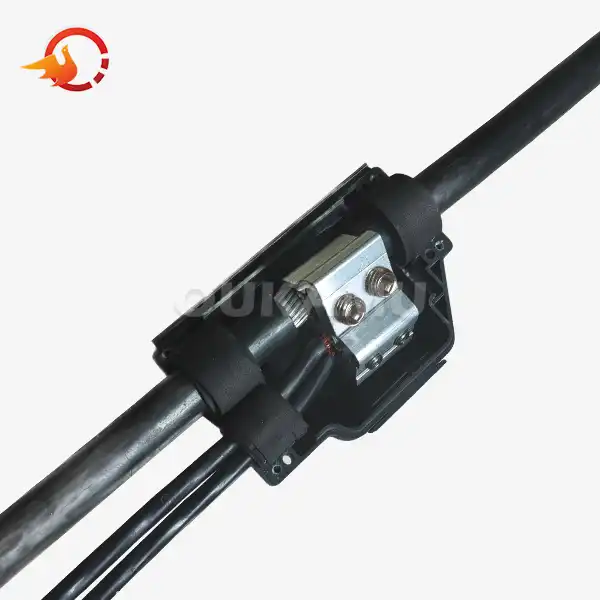
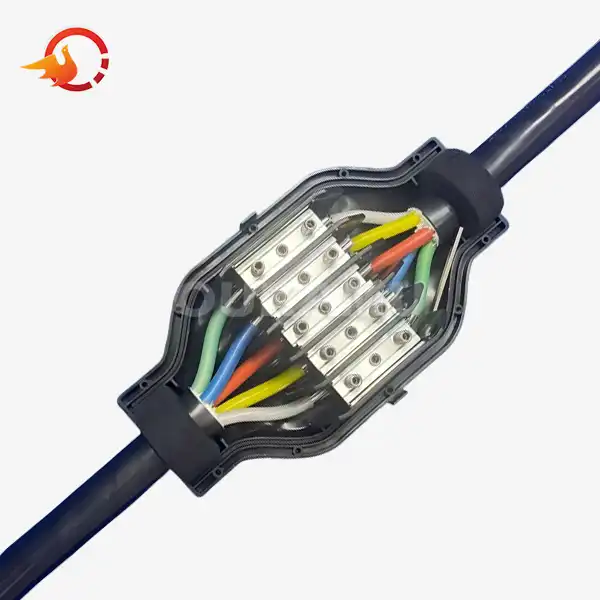
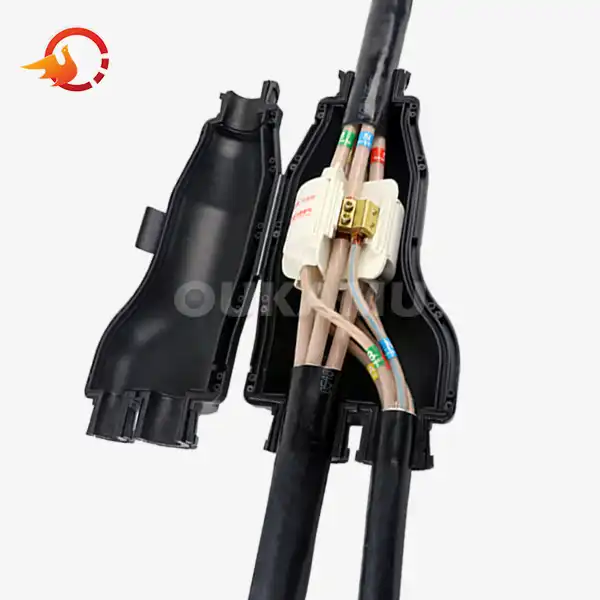
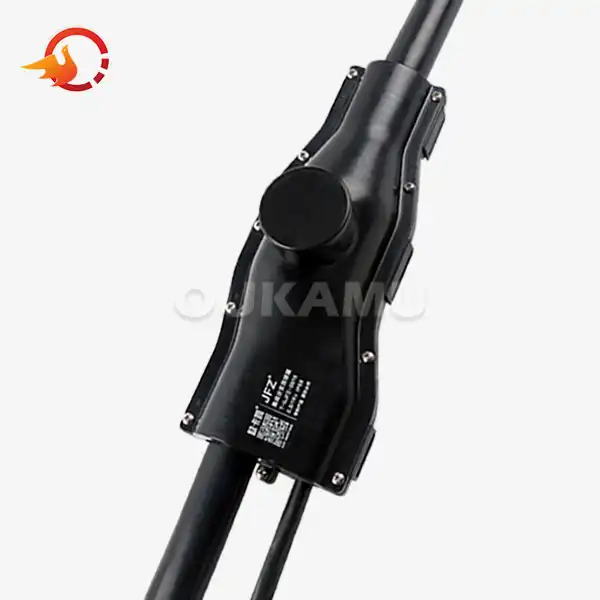
To make sure that high-quality branch wires work well even in harsh conditions, they are made with high-grade materials that don't catch fire or spread flame. There is good insulation in these wires, and they have many useful properties, such as not aging quickly and not being waterproof. These properties make them last a lot longer. Because the design is built in, wires don't need to be cut when they are being installed. This keeps the wires in good shape and cuts down on the time and money needed for installation work.
Newer branch cable systems use advanced PVC insulation technology. This material is great for electrical qualities like being flexible and not getting wet. With this kind of material, cables can stay in shape at temperatures as high as 90 degrees Celsius in Bangladesh, which has a humid, tropical environment.
Compliance Standards and Certifications
But projects that build power infrastructure still have to follow international rules. Reliable makers do this by following IEC standards and Chinese GB certifications. Power distribution networks need low-voltage branch cables that meet strict safety and efficiency standards. These certifications make sure that the cables meet those standards. As part of the certification process, strict testing methods are used to make sure that the product can withstand flames, conduct electricity, and last in harsh environments.
Role in Bangladesh's Power Infrastructure Development
Bangladesh is becoming more industrialized very quickly, which has made the need for reliable electricity facilities go through the roof. So, picking the right branch cables is very important for the job to go well. To help the power industry grow, the country needs parts that can handle the tough weather that is common in South Asia, such as high humidity and changing temperatures. Power distribution networks need to be stable in order for businesses and the economy to grow. Good branch lines make this possible.
Comparison and Selection Criteria for Low-Voltage Branch Cables in Bangladesh Power Projects
You should carefully look at the technical specs of each cable system, as well as how well it works in different settings and over time. When procurement managers know the differences between the different kinds of cables, they can make choices that boost performance and save money.
Technical Performance Comparison
Branch cable systems are clearly better than traditional wiring methods because they can be used more than once and have built-in connection technology. Modern branch systems don't need to be permanently connected like older cable installations do. Instead, they let the system be moved and positioned in different ways in the future without damaging it.
You can tell a big difference between flexible and rigid cables in tropical places by comparing how they work. When temperatures rise and fall, it's better for flexible cables to be able to handle it than rigid systems, which can break under extreme temperature changes because they are under too much stress. It is very important to think about this in Bangladesh because the weather changes quickly and can make cables less useful.
Cost-Efficiency Analysis
When picking cables, cost is a big deal, and a full cost analysis looks at more than just the price of the first purchase. When you use good branch cable systems, you can save 300 to 500% on the total cost of a project. This is because they save you money on materials, labor, and time. The money saved comes from not having to cut cables and from being able to move branches around without having to make exact plans ahead of time.
When you make installation more efficient, you directly cut down on labor costs, since the old ways of doing things often require more than one technician and longer hours. Installing new branch cable systems is faster and easier, and only one technician is needed to make connections that used to need a team to work together.
Environmental Adaptability and Safety Standards
The tropical climate of Bangladesh makes it harder to build electrical infrastructure because of things like high humidity, extreme temperatures, and being close to the coast where salt air is present. These things about the environment need to be thought about when picking cables to make sure they will work well and safely over time.
Safety rules say that certain levels of insulation and protection must be used to stop electrical problems and possible dangers. Good branch cables have many layers of protection, like outer sheaths that don't catch fire and moisture barriers that keep the power on even when the weather is bad. There are international electrical codes and local rules that these safety features must follow in order for the project to be approved and given operational certification.
Procurement Insights: Buying China Low-Voltage Branch Cables for Bangladesh Power Projects
Chinese manufacturers have set up complete supply chains that serve international markets well. For Bangladesh power projects, these chains offer competitive pricing and reliable delivery schedules. Understanding how to buy things and how the market works helps buyers get the best products and keep projects on schedule.
Price Benchmarks and Bulk Purchasing Strategies
A study of the market shows that Chinese manufacturers of branch cables can offer prices that are 20–40% lower than those of similar international suppliers, while still meeting the same quality standards. These lower prices are even better when you buy in bulk, because volume discounts and more efficient production make it possible to save even more.
Using strategic procurement means planning when to buy things so that they fit with the manufacturing cycle and seasonal demand patterns. Chinese suppliers usually offer better prices for orders placed during off-peak times. This helps project managers stick to their budgets by planning when to place their orders. Also, building long-term relationships with suppliers can lead to better prices and faster production schedules for low-voltage branch cables.
Sourcing Channels and Supplier Evaluation
The best value comes from working directly with manufacturers because you don't have to pay markups to middlemen and you can make your products more precisely to your needs. Well-known companies like Oukamu have wide ranges of products that can meet the needs of different projects while keeping quality standards the same across all lines.
For smaller orders or more specific needs, wholesale supplier networks offer other ways to get what you need. These distributors usually keep stock locally, which cuts down on delivery times and lets customers get technical help that makes choosing products and planning installations easier.
Logistics and Cross-Border Procurement Management
When you buy things from other countries, you have to carefully plan out shipping methods, customs processes, and delivery times to make sure that the project gets done on time. Shipments from China are often sent in more than one way, such as by sea freight for large orders and by air travel for urgent needs.
To plan projects well, it's important to keep track of lead times. For example, normal delivery times for goods are 2 to 4 weeks, and custom delivery times are 6 to 8 weeks. Procurement teams can make sure that orders are put on time for key project milestones by knowing these dates. This way, they can avoid costly delays that can throw off overall completion dates.
To get through customs without any problems, you must have the right paperwork and follow Bangladesh's rules for importing goods. Suppliers with a lot of experience help with all parts of clearing customs. For example, they can give you the right classification codes and any certifications you need to speed up the process at the border.
Installation and Maintenance Best Practices for Low-Voltage Branch Cables
Using the right installation methods and preventative maintenance plans makes cable systems work better and last a lot longer. As long as engineering teams know these best practices, they can get the best results while still following safety rules when systems are being built and used.
Step-by-Step Installation Guidelines
A professional installation starts with carefully setting up the area and planning the path of the cables. Modern branch cable systems don't need exact measurements ahead of time like older systems do. Instead, they can be changed on-site to fit the space and conditions of the installation.
Putting in the trunk cable is the first step in the installation process. The next step is to find branch points by figuring out where the tools are and how simple it is to get to them. The built-in T-connector design makes it easy for low-voltage branch cables to connect, keeping the cables safe and letting them do their job. This way gets rid of common installation issues and makes it less likely that the connection will fail.
Safety rules for installation include the right way to ground, check the voltage, and look for dangers in the area. These rules keep technicians safe and make sure that techs don't break anything that could make the system less reliable.
Preventive Maintenance Strategies
Environmental protection, the condition of the insulation, and the strength of the connections are all checked on a regular basis. About every three months, these checks are done. Once a year, more thorough checks are done to see how well the whole system is working and find ways to make it better.
Visual inspections look at the condition of cables to see if they have been damaged by the environment, mechanical stress, or heat. Modern branch cable systems with sealed connections can handle environmental factors better. This means they need less maintenance and can go longer without being serviced.
To check the performance, electrical tests are used to make sure the conductors are strong, the insulation is tough, and the connections are solid. As soon as problems start to show up, these tests help find them before they get worse and put people in danger.
Troubleshooting Common Issues
Systematic ways of troubleshooting use logical steps for diagnosis to fix common issues with power distribution. Connection resistance going up, insulation wearing down, and water getting into the system are all common problems that can make electricity work less well.
Specialized testing tools are used in diagnostic procedures to find trouble spots and figure out what needs to be done to fix them. Most good branch cable systems are modular, which means that you can change out parts without having to rebuild the whole system. This lowers the cost of repairs and downtime.
Conclusion
With cutting-edge technology, affordable pricing, and full support services, China's low-voltage branch cables manufacturers provide compelling solutions for Bangladesh's expanding power infrastructure. When choosing the right cable systems, you need to think carefully about the technical specs, the environment, and the performance needs over the long term. When it comes to meeting these needs, Chinese suppliers like Oukamu offer proven expertise and new products that save a lot of money. If you install and maintain these products correctly, they will work perfectly for the whole time the system is in use. This makes them great investments for building a sustainable power infrastructure. Chinese manufacturers are the best choice for a successful Bangladesh power project because they are good at making things, come up with new technologies, and listen to customers.
FAQ
How do Bangladesh's tropical conditions affect cable durability?
High-quality branch cables designed for tropical climates incorporate specialized materials and protective features that withstand humidity, temperature fluctuations, and corrosive environmental factors. Proper cable selection with appropriate IP ratings and environmental certifications ensures reliable performance throughout Bangladesh's seasonal variations. Advanced insulation materials resist moisture penetration while flame-retardant properties provide additional safety margins under extreme conditions.
What compliance standards should buyers verify for international projects?
International projects require adherence to IEC standards, local electrical codes, and project-specific certification requirements. Reputable manufacturers provide comprehensive documentation including test certificates, material specifications, and compliance declarations that verify adherence to applicable standards. Additionally, environmental certifications such as RoHS compliance and fire safety ratings ensure products meet international safety and environmental protection requirements.
What are realistic lead times for bulk custom orders from Chinese suppliers?
Standard bulk orders typically require 3-4 weeks production time, while customized specifications may extend timelines to 6-8 weeks depending on complexity and material requirements. Rush orders can often be accommodated with expedited production schedules, though premium pricing may apply. Establishing clear communication with suppliers regarding delivery requirements enables accurate timeline planning and coordination with project milestones.
How can buyers ensure product quality when purchasing internationally?
Quality verification involves multiple approaches including supplier certifications, third-party testing, and sample evaluation programs. Reputable suppliers provide detailed product specifications, test reports, and quality assurance documentation that demonstrate compliance with international standards. Additionally, establishing relationships with suppliers offering quality guarantees and responsive customer service provides additional confidence in product reliability.
Partner with Oukamu for Your Low-Voltage Branch Cable Requirements
Oukamu Electric's seventeen years of specialized expertise in branch cable technology makes us the ideal low-voltage branch cables supplier for your Bangladesh power projects. Our innovative no-cut installation technology and comprehensive product portfolio deliver cost reductions of 300-500% while maintaining superior quality standards. Contact our technical team at info@okmbranchcable.com to discuss your specific requirements and receive customized solutions designed for Bangladesh's unique infrastructure challenges.
References
1. "Low-Voltage Cable Systems for Tropical Climate Applications: Performance Analysis and Selection Criteria," International Journal of Electrical Engineering, 2023.
2. "Bangladesh Power Sector Development: Infrastructure Requirements and Technical Standards," Asian Development Bank Power Systems Report, 2023.
3. "Comparative Analysis of Branch Cable Technologies in Industrial Power Distribution Networks," IEEE Transactions on Power Delivery, 2024.
4. "Environmental Impact Assessment of Cable Materials in South Asian Climate Conditions," Electrical Engineering Research Quarterly, 2023.
5. "Cost-Benefit Analysis of Advanced Cable Connection Technologies in Developing Nations' Power Infrastructure," International Power Engineering Conference Proceedings, 2024.
6. "Quality Standards and Certification Requirements for International Power Cable Procurement," Global Electrical Standards Institute, 2023.