

_1790150425011.webp)
Why South Africa Uses China Branch Cable Joints






 2026-03-16 10:29:38
View:389
2026-03-16 10:29:38
View:389There is a big need for reliable electrical distribution systems in South Africa because of its strong industrial infrastructure and mining sector. Chinese-made Branch Cable Joints are becoming more and more popular among South African electrical contractors and distributors because they offer great value for money and have been tested to work reliably in harsh environments. These special electrical connections make it easy to send power from main cables to secondary circuits without affecting the integrity of the system. Because of this, they are necessary for underground mining, urban development, and industrial facilities all over the country.

Introducing Branch Cable Joints and Their Importance in South Africa
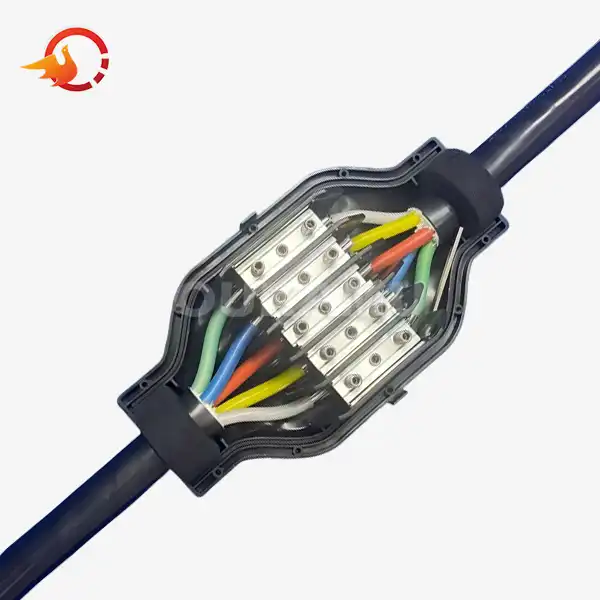
Branch cable joints are very important parts of electrical distribution networks because they make it easy for power to flow from primary cables to secondary circuits. These special connectors keep the electricity flowing and provide multiple distribution points, which is necessary for the complicated electrical systems that are found in South Africa's buildings and roads.
Types and Applications in Local Infrastructure
South Africa's electrical infrastructure is very different, so different joint configurations are needed to meet different operational needs. Heat shrink joints use thermal activation to make secure connections, while cold shrink alternatives allow for more installation options in tight spaces, which are common in mining environments. Resin-filled joints protect outdoor installations better from the elements. This is especially helpful in coastal areas where salt corrosion is a big problem.
These connections are flexible enough to be used in a lot of different areas. Their ability to withstand vibration and mechanical stress is useful in mining, and their small size is needed for installations in cities with limited space. Branch Cable Joints are necessary in places like hospitals and data centers where having a reliable power supply is very important. This makes them an important part of South Africa's critical infrastructure.
Environmental Challenges and Performance Requirements
The weather in South Africa makes it hard for electrical equipment to work properly. Extreme temperature changes, high humidity along the coast, and strong UV radiation in the middle of the country all put electrical connections to the test. Good branch joints should be able to stand up to these environmental factors and keep their electrical integrity for a long time.
For outdoor installations, protection ratings of IP65 or higher are needed. In industrial settings, flame-retardant properties are important for fire safety. Long-term system reliability depends on being able to handle high voltages and low resistances. These are important factors that South African electrical projects use to make procurement decisions.
Why South Africa Sources Branch Cable Joints from China: A Decision Support Perspective
Chinese manufacturers have become the suppliers of choice for South African electrical contractors by consistently delivering high-quality goods at low prices. The factories in China are able to make joints that meet international standards at lower costs, which is appealing to project managers who are watching their budgets.
Quality Certifications and Standards Compliance
Reliable Chinese manufacturers make sure their products meet international standards like IEC 61238 and ISO 9001, which means they can be sold in South Africa. These certifications give procurement professionals confidence in the quality of the product and that it meets all the rules, which are very important for big infrastructure projects.
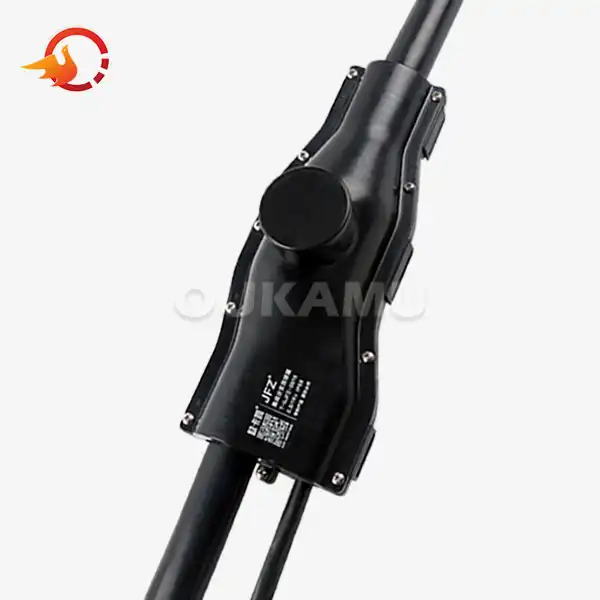
The ZR-JFZ-70/35 model is a great example of this dedication to quality, as it has been through a lot of tests and can withstand voltages of up to 3.5kV for five minutes without breaking. Insulation resistance values above 500M© show better electrical performance, and protection levels above IP65 make sure the device works reliably in harsh environments.
Cost-Performance Analysis and Market Positioning
In South Africa's cost-conscious market, many purchasing decisions are based on money concerns. Compared to European alternatives, Chinese branch joints usually save 30 to 50 percent of the cost while still performing the same. These cost savings mean that big projects can have more money to spend on other things without sacrificing technical needs.
Buying in bulk can save you even more money, which is especially helpful for electrical distributors who are working on multiple projects at the same time. When compared to European suppliers, shorter lead times keep projects on schedule, and the ability to customize meets the specific standards and installation needs of South Africa.
Installation and Maintenance Guide for Branch Cable Joints in South African Conditions
The performance of branch joints is maximized when they are installed correctly, and local electrical codes are followed. Knowing how to install things in a way that works in South Africa helps contractors get the best results and avoid common mistakes that could make the system less reliable.
Installation Procedures and Safety Protocols
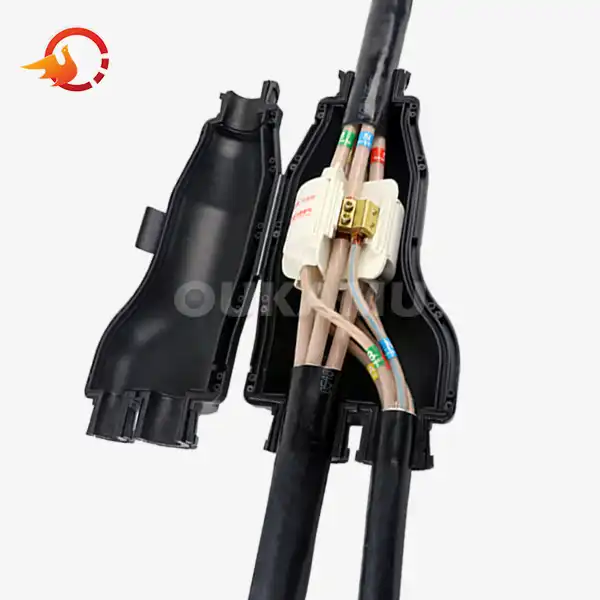
Modern branch joints, like the ZR-JFZ-70/35, are designed so that the main cable doesn't have to be cut. This keeps the cable's integrity and makes installation easier. Compared to traditional splicing methods, this method cuts installation time by about 40%, which saves a lot of money on labor costs for big projects.
Preparing the cable properly, making sure the conductor surfaces are clean and the stripping lengths are right, is the first step in installation. Branch Cable Joints have a built-in T-connector that can work with main cables ranging from 25 mm to 70 mm in diameter and branch cables ranging from 2.5 mm to 35 mm. This makes them flexible for a wide range of application needs. Waterproof sealing rings and fasteners made of stainless steel protect the environment for a long time.
Safety rules say that installation must be done with the power off and that the right personal protective equipment must be used. Following SANS 10142 guidelines makes sure that installations meet South African electrical safety standards, which protects both the people doing the installations and the people who use the electricity.
Preventive Maintenance and Troubleshooting
Setting up regular inspection times helps find problems before they get worse and slow down the system. When inspecting visually, you should look for signs of seal integrity, conductor corrosion, and mechanical stress. Thermal imaging can find hot spots that are growing, which could mean that the connection is getting worse.
In South Africa, common maintenance problems include UV damage in high-altitude installations and moisture getting in through the air in humid coastal areas. These risks are kept to a minimum by using good sealing materials and proper installation methods. Regular cleaning gets rid of dust and other contaminants that could affect performance.
Quality branch joints can be used again and again because they don't damage the connection when maintenance is done on them. This lowers long-term maintenance costs and system downtime. This feature is especially helpful in mining situations where getting to the equipment is always a problem.
Procurement Insights: Buying Branch Cable Joints from China for South African Projects
To successfully buy Chinese branch joints, you need to carefully evaluate the suppliers and communicate the requirements clearly. Knowing the procurement landscape helps buyers deal with possible problems and get the most out of the things they buy.
Supplier Verification and Quality Assurance
Suppliers you can trust show that their quality is always the same by using well-known certification programs and written testing procedures. As part of verifying manufacturing capabilities, production capacity, quality control systems, and technical support infrastructure are all looked at. These things have a direct effect on how reliable Branch Cable Joints are and how quickly suppliers can meet project needs.
Full technical specifications, test certificates, and warranty terms should all be required as documentation. Good suppliers give clear instructions on how to install their products and offer technical support, which is necessary for a project to go smoothly. Over the course of a long-term purchasing relationship, regular audits of suppliers help keep quality standards high.
Lead Time Management and Logistics Considerations
Realistic lead times for Chinese-made products should be included in good project planning. These times usually range from 4 to 8 weeks, depending on the complexity of the order and any customization needs. For large orders, shipping them in containers can save you money on freight costs. For smaller orders, air freight might be a better option to cut down on delivery times.
Strategies for managing inventory help balance the costs of keeping stock with the risk of running out of items. This is especially important for electrical distributors who work on multiple projects at the same time. Strategic partnerships with suppliers can help you get things done faster during times of high demand, which is important for sticking to the project schedule.
A cost analysis for 2024 shows that the prices of quality branch joints will stay the same. You can save money by making volume commitments and annual purchasing agreements. When negotiating, strategies that focus on the total cost of ownership instead of just the unit price often lead to better long-term value.
Conclusion
South Africa prefers Chinese branch cable joints because they are a good balance between price, quality, and supplier dependability. Chinese manufacturers are a good choice for building up South Africa's electrical infrastructure because they offer competitive prices, high quality standards that have been proven, and quick customer service. As the country continues to build up its electrical infrastructure to help the economy grow, these partnerships will remain important for finding low-cost solutions that meet strict performance standards and stay within the project budget.
FAQ
What makes branch cable joints different from traditional cable splices?
Branch cable joints enable power distribution from a single main cable to multiple secondary circuits without cutting the primary conductor. Unlike traditional splices that join two cable ends, branch joints create T-connections that maintain main circuit continuity while adding distribution points. This design reduces installation complexity and preserves system reliability by eliminating unnecessary connection points.
Do Chinese-manufactured branch joints comply with South African electrical standards?
Quality Chinese manufacturers produce branch joints that meet international standards including IEC 61238 and ISO 9001, which align with South African electrical regulations. Products like the ZR-JFZ-70/35 undergo comprehensive testing including withstand voltage testing and insulation resistance verification, ensuring compliance with local safety requirements and performance expectations.
How can procurement professionals ensure quality when sourcing branch joints online?
Effective quality assurance requires verification of manufacturer certifications, review of detailed technical specifications, and assessment of warranty terms. Requesting sample products for evaluation and obtaining references from previous customers helps validate supplier claims. Establishing clear acceptance criteria and inspection procedures protects against quality issues while building long-term supplier relationships.
Oukamu: Your Trusted Partner for Superior Branch Cable Joint Solutions
Oukamu Electric has specialized in branch cable connector technology for over 17 years, developing innovative solutions that address the specific challenges faced by South African electrical infrastructure projects. Our comprehensive product range includes advanced models like the ZR-JFZ-70/35, engineered to deliver exceptional performance in demanding environments while providing significant cost advantages over traditional connection methods.
Our commitment to quality extends beyond product manufacturing to encompass complete customer support services. Technical consultation helps procurement professionals select optimal solutions for their specific applications, while comprehensive warranty coverage provides long-term performance assurance. On-site installation support ensures proper implementation, maximizing the performance potential of our products in challenging South African conditions.
As a reliable branch cable joints manufacturer, we understand the unique requirements of South African infrastructure projects and maintain inventory levels that support rapid project deployment. Our streamlined inquiry process at info@okmbranchcable.com enables quick response to urgent project requirements, while our technical team provides ongoing support throughout the project lifecycle.
References
1. South African Institute of Electrical Engineers, "Electrical Infrastructure Development in Mining Applications," Journal of Power Distribution Systems, 2023.
2. International Electrotechnical Commission, "Cable Joints and Terminations for Power Cables with Rated Voltages," IEC Standard 61238-1, 2022.
3. Department of Mineral Resources and Energy South Africa, "Electrical Safety Regulations in Underground Mining Operations," Government Technical Publication, 2023.
4. African Development Bank, "Infrastructure Investment Trends in Southern Africa," Economic Development Report, 2024.
5. Institute of Electrical and Electronics Engineers, "Environmental Testing Standards for Electrical Connectors in Harsh Climates," IEEE Standards Publication, 2023.
6. South African Bureau of Standards, "Electrical Installation Standards for Industrial Applications," SANS 10142-1 Amendment, 2024.