
_1790150425011.webp)
Where to Buy Resin Cable Joint Kits in China for Africa Markets






 2026-04-01 10:30:30
View:389
2026-04-01 10:30:30
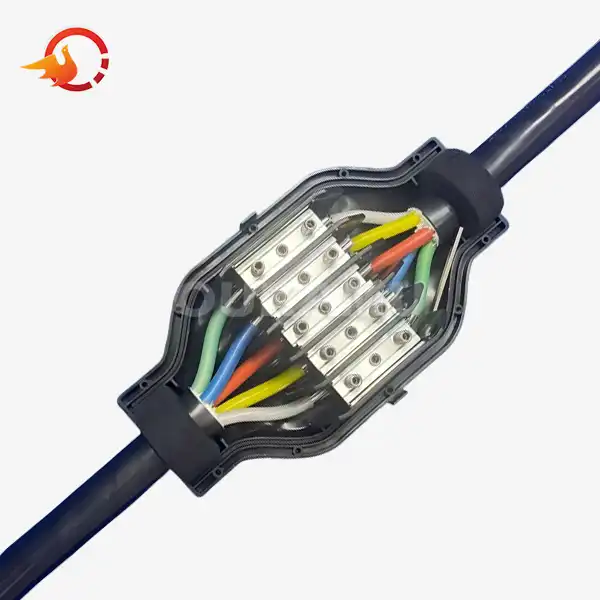
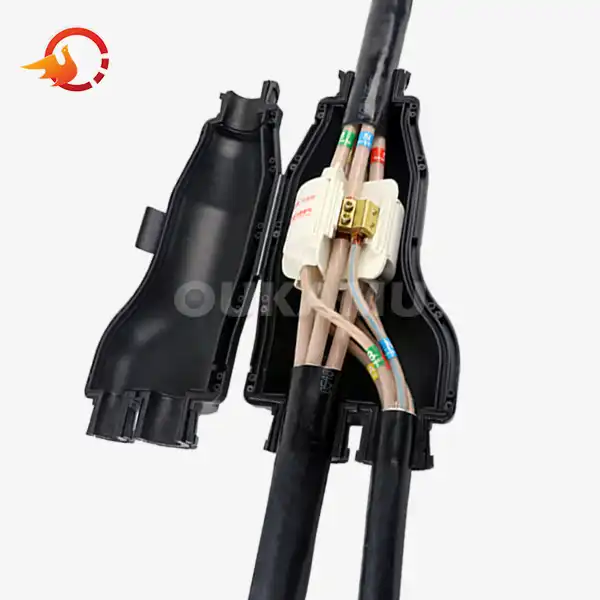
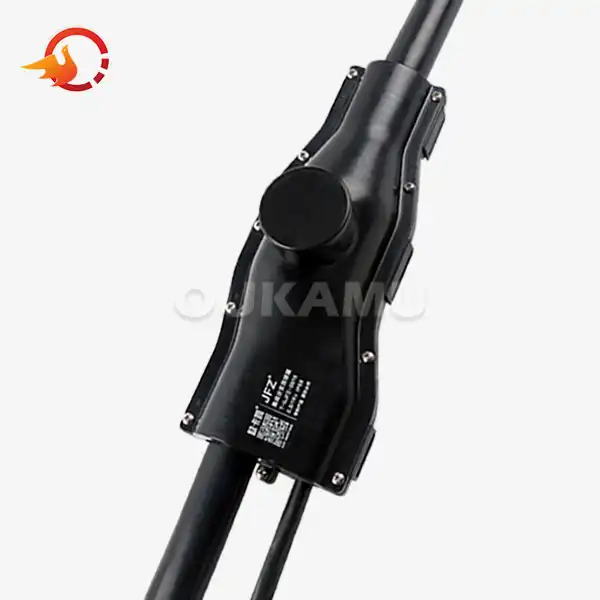
View:389Resin Cable Joint Kit goods from Chinese makers are the best value and perform the best when it comes to finding reliable electrical connection solutions for Africa's growing infrastructure. China's industrial environment offers a wide range of products at reasonable prices, as well as well-established export routes that are perfect for the needs of the African market. Leading suppliers like Xi'an Oukamu Electric Co., Ltd. use their decades of specialized experience and cutting-edge technology to create waterproof, long-lasting solutions that can handle Africa's harsh environment while still being cost-effective for large-scale deployment projects.

Comprehending Resin Cable Joint Kits and Their Applications
Resin cable joint kits are the latest in electrical connection technology, and they are designed to provide stable, waterproof ways to join cables together. These unique parts use epoxy-based resins that harden into solid, insulating walls around cable connections. This makes joins that are hermetically sealed and can't be damaged by water or the environment.
Core Components and Design Features
Modern plastic joint systems have small housings that hold a lot of protection parts. Most kits come with resin solutions that have already been weighed out, catalyst hardeners, mechanical connecting bodies, and sealing tools. Resin joints are different from standard heat shrink options because they form molecular-level bonds that remove air gaps and offer better electrical insulation. The hardening process turns liquid resin into hard protective shells that keep their shape even when they are exposed to chemicals, mechanical stress, and changes in temperature that are common in African working conditions.
Applications Across African Infrastructure Projects
The technology used in resin cable joints is very important for Africa's fast growing power networks, mines, and factories. Underground power distribution systems work better in places with high water tables or regular floods because they are waterproof and don't break down because of water. Resin joints keep connections strong even when exposed to UV light and high temperature changes in solar farms. These solutions are used in mining because they can handle the hard chemicals and vibrations that are common in extraction settings.
The technology is especially useful for projects that need to be reliable for a long time with little access for upkeep. For long deployment periods, resin joints are needed to keep service interruptions and operational costs to a minimum in remote telecommunications sites, offshore wind projects, and rural electricity programs.
How to Choose the Right Resin Cable Joint Kit for African Markets?
To choose the right resin cable joint options, you need to carefully look at the project's surroundings, electricity requirements, and installation limitations that are unique to Africa. Because the climates on the continent are so different, products need to be able to work successfully in temperature ranges that go beyond normal industrial requirements.
Environmental Considerations and Material Selection
Extreme heat, changes in temperature, dust getting in, and corrosive air conditions are some of the problems that African sites have to deal with. Resin mixtures that are good must stay stable at temperatures up to 90°C and not break down when exposed to UV light or heat and cold. The Resin Cable Joint Kit is designed to withstand these harsh conditions, with IP68 waterproof ratings that protect against water getting in during wet seasons and times of high humidity that are common in equatorial areas.
Gel-filled insulation systems add extra layers of protection that make up for small mistakes in the placement while keeping the electricity from flowing when conditions are bad. These high-tech materials don't corrode when exposed to chemicals that are electrolytic, which can happen in seaside or industrial settings with a lot of chemicals.
Technical Specifications and Needs for Compatibility
When choosing resin joint systems for different uses, voltage rating compatibility is still the most important thing to think about. Medium-voltage transmission systems need different kinds of shielding than low-voltage distribution networks. Cable compatibility includes conductor materials like copper and aluminum, insulation types like flame-retardant and fire-resistant, and cable width runs from 25 mm to 70 mm for main cables and 2.5 mm to 16 mm for branch connections.
Good makers give you a lot of technical information, like what materials they use, how to put them, and proof that they work. Compliance with international standards, such as IEC grades, makes sure that the product meets the needs of African utilities and speeds up the approval process in many countries.
Where to Buy Resin Cable Joint Kits in China: Reliable Suppliers and Distribution Channels
African buyers looking for plastic cable joint options have a number of ways to buy from China's electrical manufacturing sector. By knowing the different buying choices, procurement teams can find the best balance between cost, quality, and delivery times for each project, while also staying within their budgets.
Manufacturer Direct Sourcing Advantages
Manufacturers with a long history, such as Xi'an Oukamu Electric Co., Ltd., offer straight access to branch cable connector technology that has been built over 20 years of focused research and development. Direct connections with manufacturers have many benefits, such as the ability to customize products, competitive pricing, access to expert support, and quality assurance programs designed to meet the needs of the African market.
When you work with a manufacturer, you can choose from a range of order sizes, from small amounts for tests to large-scale projects. Direct buying gets rid of markups on products that are bought through middlemen and gives you access to the newest products and engineering help for tricky installation situations.
Supplier Evaluation and Quality Verification
To find a reliable provider, you need to carefully look at their manufacturing skills, knowledge with exporting, and quality control systems. Manufacturers with a good reputation keep a lot of certifications, such as ISO quality standards, product testing records, and proof that they follow the rules. Factory surveys, which can be done directly or by a third party, check how well the factory can make things and how it controls quality.
Reference projects and testimonials from clients are great ways to learn about a supplier's track record, especially when it comes to their knowledge of the African market and their ability to provide help after the delivery. Sample testing programs let procurement teams make sure that the product specs and installation instructions are correct before they commit to buying a large quantity, such as when considering the Resin Cable Joint Kit for specific applications.
Installation Guide and Safety Precautions for Resin Cable Joint Kits
The efficiency and service life of a plastic cable joint are directly affected by how it is installed. Knowing the installation needs and safety rules will help make sure the rollout goes well while reducing the risks to the people doing the installation and the quality of the equipment.
Step-by-Step Installation Process
Professional installation starts with careful preparation of the cables, which includes cleaning, inspecting, and pulling the conductors. To get the best connector touch and resin bonding, the ends of the cables need to be carefully prepared. To make sure that electricity flows smoothly, the mechanical connection unit must be put together according to the manufacturer's instructions for torque values and contact arrangements.
When making and applying resin, it's important to pay close attention to the temperature and humidity levels in the area, as these can affect the hardening process. When you mix chemicals in the right way, they react completely and their mechanical and electrical traits fully emerge. During the vulnerable healing period, when joints are still open to contamination or mechanical disturbance, installation teams must keep an eye on the curing process and make sure the environment is safe.
Safety Protocols and Best Practices
Electrical risks and chemical contact risks that come with uncured glue compounds are both part of installation safety. Personal safety tools must include masks for the eyes and lungs and clothes that can handle chemicals and are suitable for working with resin. Electrical safety rules say that the right way to disconnect and check circuits must be done before installation work can begin.
When thinking about the environment, you need to make sure that sealed installation places have enough airflow and that used resin materials are disposed of in the right way. Installation teams need to be trained on what to do in an emergency, such as how to treat chemical exposure and how to stay safe around electricity during the installation process—especially when using products like the Resin Cable Joint Kit, which may involve specific safety procedures.
Cost Considerations and Market Trends for Resin Cable Joint Kits in Africa
When African building projects decide to buy resin cable in bulk, economic factors play a big role. Knowing how the market works and how much something will cost in the long run helps you make smart buying decisions that balance the initial investment with the long-term practical benefits.
Pricing Analysis and Value Proposition
The price of a resin cable joint depends on the voltage grade, the surroundings, and the number of joints that are ordered. Chinese companies usually have reasonable prices because they use economies of scale and make their production methods more efficient. An study of the total cost must take into account the work needed for installation, the logistics of transport, and the upkeep that will be needed over the expected service life.
Value propositions include more than just the cost of the original buy. They also include better dependability, less upkeep, and longer service life compared to other connection technologies. In projects where repair access is restricted, resin joints that last longer and don't need to be replaced as often save a lot of money on service interruption costs.
Market Growth and Technology Trends
The need for effective electrical connection options is growing because of Africa's infrastructure development projects. Renewable energy projects, mine growth, and efforts to bring electricity to cities all create big market possibilities for improved resin cable joint technology. Chinese sellers meet the needs of the market by constantly developing new products and increasing their production capacity with an eye on the needs of the African market.
New technologies tend to focus on making things more resistant to weather damage, making placement easier, and making it easier to keep an eye on how well they're working. Condition tracking sensors built into smart joint technologies open up new possibilities for predictive maintenance programs and system optimization strategies.
Conclusion
The plastic cable joint industry in China gives African markets access to cutting-edge technology for connecting electrical wires that balances efficiency, dependability, and cost-effectiveness. To make sure the project is a success, good buying strategies focus on evaluating suppliers, meeting technical specifications, and minimizing total costs. By knowing about installation requirements, safety rules, and market trends, you can make smart choices that help Africa reach its infrastructure development goals while upholding standards for operating excellence and long-term dependability, such as those provided by the Resin Cable Joint Kit.
FAQ
Q1: What certifications should I look for when purchasing resin cable joints?
A: Good resin cable joint kits should have the right international certifications, like IEC standards for electrical performance and IP68 grades for safety against the elements. Manufacturers should give test results that show their products meet the standards for voltage rates, temperature ranges, and environmental protection. When a product has a CE mark or an ISO 9001 certification, it means that it meets quality control standards that make sure the product always works well.
Q2: How long are typical lead times for bulk orders to Africa?
A: Standard lead times for resin cable joint kit orders are between 2 and 4 weeks for standard goods. Customized specs take longer. Shipping to Africa usually takes an extra three to four weeks, but this depends on the places of entry and the details of the trip. Suppliers that have been around for a while keep enough stock of popular specs to cut down on delivery times for urgent needs.
Q3: Can resin cable joints be customized for specific voltage ratings and environmental conditions?
A: Manufacturers with a good reputation let you change things like power levels, resin formulas for harsh conditions, and connector configurations to fit different types of cables. Customization needs expert advice to make sure it works with the application needs and may take longer than expected for engineering and testing confirmation.
Partner with Oukamu for Your Resin Cable Joint Kit Requirements
With 20 years of specialized development and manufacturing experience, Oukamu Electric has a lot of knowledge when it comes to branch cable connection technology. Our IP68 waterproof resin cable joint solutions can connect major cables that are 25 to 70 mm in diameter and branch connections that are 2.5 to 16 mm in diameter. They offer gel-filled insulation and two levels of safety for tough installations in Africa. The clever design gets rid of the need to cut major cables and allows for flexible installation placement, which lowers the overall cost of the project and makes installation easier.
Our wide range of products can be used in low-voltage situations and are flame-resistant and fire-resistant. They also work safely at temperatures up to 90°C. Get in touch with our expert team at info@okmbranchcable.com to talk about your project needs and find out how our modern Resin Cable Joint Kit solutions can help you get the most out of your infrastructure investments.
References
1. African Development Bank Infrastructure Development Report: Power Sector Investment Analysis 2023-2030, Economic Research Department Publications.
2. International Electrotechnical Commission Standards for Cable Joint Systems in Tropical Environments, IEC Technical Committee Reports.
3. China Export Manufacturing Association Electrical Products Trade Statistics for African Markets, Annual Industry Analysis.
4. Utility Infrastructure Reliability Study for Sub-Saharan Africa Power Networks, International Energy Agency Technical Publications.
5. Environmental Performance Testing of Resin Cable Joint Systems in Extreme Climate Conditions, Journal of Electrical Engineering Materials.
6. African Infrastructure Investment Trends and Technology Adoption Patterns in Power Distribution Systems, World Bank Infrastructure Development Group.