

_1790150425011.webp)
What Is a Cast Resin Branch Joint? China Manufacturing Guide






 2026-04-02 10:49:11
View:389
2026-04-02 10:49:11
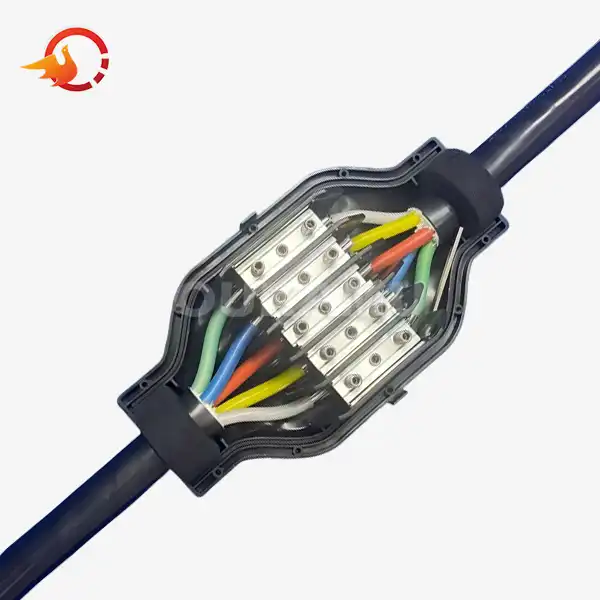
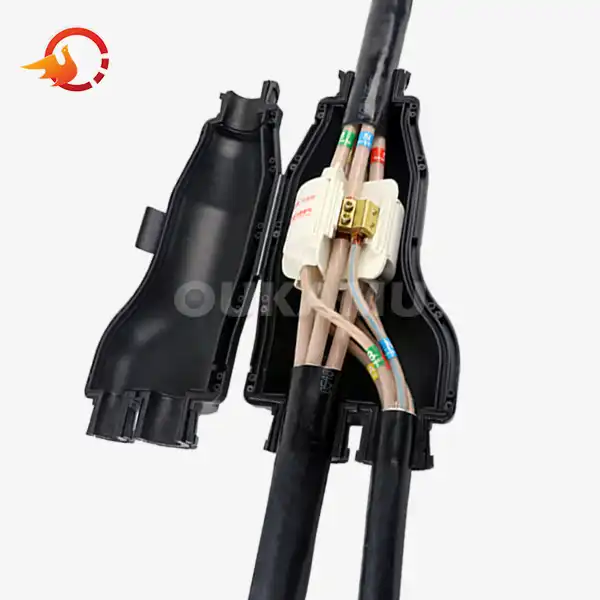
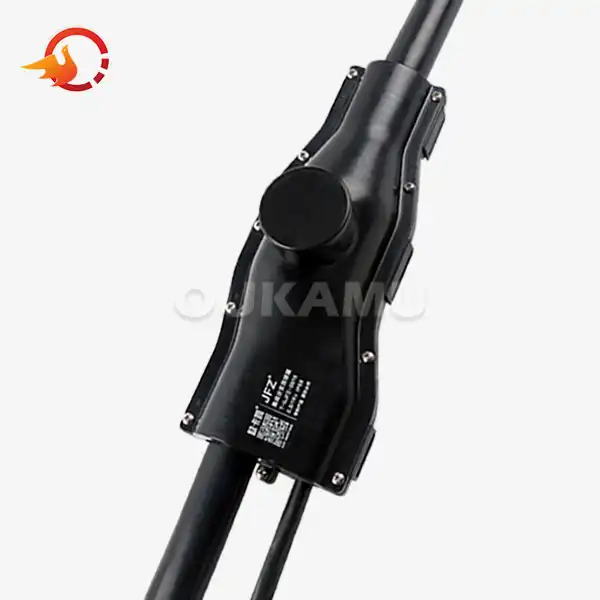
View:389A Cast Resin Branch Joint is a special kind of electrical part that is used to make safe branch links in systems with medium voltage cables without cutting the main wire. Advanced resin insulation technology is used in these joints to cover wires in a high-dielectric resin material. This gives great electrical shielding and stops partial discharges. Because Chinese makers have come up with advanced ways to make these parts that are both cost-effective and high-quality, they are needed all over the world for power distribution networks, industrial installations, and utility building projects.

Understanding Cast Resin Branch Joints
Advanced Resin Insulation Technology
Cast plastic branch joints are a big step forward in the technology used to connect cables. The resin used in these parts forms a strong, long-lasting link that completely encloses the electrical connection. For this encapsulation method, liquid resin is poured into a precisely designed mold that surrounds the cable connection point. The resin then sets to create a shield that protects the cable from outside influences.
When compared to other connection ways, cast resin has better dielectric strength because it is an insulator. This technology keeps wetness out, lowers the chance of electricity problems, and keeps working the same even when the temperature changes. Double safety protection is provided by the gel-filled insulation system, which guarantees long-term dependability in harsh conditions.
Cable Compatibility and Technical Specifications
Modern cast plastic branch joints can handle a lot of different types of cables. Main cables can be anywhere from 25mm to 70mm in diameter, and branch cables can be anywhere from 2.5mm to 16mm. Because of this, they can be used for a wide range of electrical systems, from apartment buildings to industrial sites.
The IP68 grade means that it is completely waterproof, so water can't get in even if it's put in a well or buried directly. This number shows that the joint can withstand being submerged in water more than one meter deep. This makes it perfect for setups that are underground or in harsh environments.
Applications in Power Distribution Systems
A lot of these joints are used in power transfer lines, which need to be reliable. They are used by utility companies for street lights, distributing power to neighborhoods, and connecting electrical systems in businesses. Industrial sites can make branch links in exact places without affecting the main power feed, which is a big plus.
Recent implementations, such as Xi'an Oukamu's new cable jointing technology in private areas of Huanggang Xuefu City, show how these parts improve electricity safety and help the region's business growth. These kinds of projects show how current cast plastic technology can be used to make things that are useful in the real world.
Comparing Cast Resin Branch Joints with Other Branch Joint Types
Superior Performance Over Oil-Filled Alternatives
Several clear benefits become evident when you compare cast plastic joints to oil-filled ones. Oil-filled joints need regular upkeep to monitor the oil level and prevent leaks, which can damage the environment and halt operations. Cast Resin Branch Joint systems eliminate all of these problems, providing an option that requires no maintenance and reduces long-term costs.
When installing sensitive things, the natural safety part becomes even more important. Leaking oil can pollute the groundwater and dirt, which can lead to legal problems and expensive cleanup. This risk is gone with cast plastic technology, which also gives the same or better electricity performance.
Mechanical Strength and Durability Advantages
Cast plastic choices are stronger and more stable at high temperatures than silicone-based branch joints. When the glue dries, it forms a hard structure that can withstand mechanical stress from moving cables, ground settlement, and changes in temperature. This mechanical stability means that the product will last longer and need less upkeep. Cast plastic materials are less likely to catch fire, which makes them even safer in places where fire protection is important. These materials are safe for use in buildings and tight areas because they meet international safety standards for flame spread and smoke production.
Cost-Benefit Analysis and Total Ownership Costs
Cast resin branch joints have big benefits when you look at their long-term costs. Even though the original costs may be about the same as other options, the lessened upkeep needs, longer service life, and lack of ongoing monitoring costs save a lot of money over the lifecycle of the product. Because these joints can be put in place without breaking the main cable, the integrity of the cable is maintained and complicated splicing methods are not needed. This feature cuts down on installation time, worker costs, and the chance of making mistakes during installation that could make the system less reliable.
Procurement Guide for Cast Resin Branch Joints from China Manufacturers
Evaluating Manufacturing Capabilities and Certifications
To choose the right Chinese manufacturer, you need to carefully look at their quality standards and output skills. Leading makers keep their quality management systems up to date with ISO 9001 and get special certifications for their electrical products, like IEC standards compliance. The standard of the products is always the same, and they work with products from other countries. A product's dependability depends a lot on how experienced the people who make it are. Some companies have been focused on developing branch cable connection technology for 17 to 20 years, which shows that they have the deep knowledge needed for advanced product design and consistent production.
Quality Assurance and Supply Chain Management
Chinese makers have an edge over their competitors because they use improved production scales and good supply chain management. Some of the benefits of placing a bulk order are being able to choose the minimum order quantity, having the specs changed, and having shorter wait times that help with project planning. Reliable providers offer full warranties and after-sales help that is tailored to meet the needs of foreign customers. This support includes technical help, startup instructions, and quick responses to quality issues, making sure that the job goes smoothly no matter where it is being done.
Procurement Best Practices for International Buyers
Setting clear standards for quality, delivery dates, and specs is an important part of successful buying. Manufacturers with a lot of experience can provide thorough technical paperwork, test certificates, and compliance reports that help you get your project approved and meet regulatory requirements, especially when dealing with products like the Cast Resin Branch Joint.
During the procurement process, information flows smoothly thanks to communication methods and project management tools. Buyers can stay on track with their projects and their budgets by getting regular reports on the progress of production, quality control, and shipping plans.
Installation, Maintenance, and Safety Standards
Proper Installation Procedures and Techniques
To get the best performance from cast plastic branch joints, they need to be installed according to certain steps. The first step is to carefully prepare the wire by properly removing the insulation and cleaning the sides of the conductors. For proper assembly, the wires must be placed precisely within the joint box, and the sealing materials must be applied correctly.
The non-cut installation method keeps the integrity of the main wire and makes sure that branch links are safe. This method makes installation easier and gets rid of any weak spots that might appear from connecting cables. Being able to place at any point along the cable route is very helpful in cases where routing is complicated.
Maintenance Requirements and Inspection Protocols
Regular care includes checking the joint housings visually for damage, making sure the waterproof seal is still intact, and keeping an eye on the electrical performance by testing it in the normal way. Because cast resin parts are so strong, they usually don't need as much upkeep as other technologies. Protocols for early fault detection help find problems before they become system breakdowns. Thermal imaging, insulation resistance testing, and partial discharge tracking are all useful ways to find out how well joints are working and how to schedule repair in the best way.
Compliance with International Safety Standards
Cast resin branch joints made in China meet a number of foreign standards, such as IEC, IEEE, and local electrical codes. These standards make sure that electricity performance, safety features, and compatibility with the surroundings are all met so that the products can be used reliably in a wide range of situations. Local safety and electricity code rules must be followed during installation. Installers who are properly trained will follow safety rules and follow the manufacturer's instructions more often, which lowers the chance of mistakes during installation that could affect how well the system works.
Why Choose Cast Resin Branch Joints?
Technical Advantages and Performance Benefits
Cast resin branch joints have strong technical benefits that can be immediately translated into practical benefits. The better insulation qualities make the electrical performance better, and the resistance to the environment makes sure that the device works reliably even in tough circumstances. These traits make the system more reliable, cut down on downtime, and lower servicing costs. The small size and compact design make it possible to place in tight areas where other methods of branch connection would not work. This adaptability meets a range of installation needs and helps make the best use of space in equipment rooms and underground installs.
Customization and Scalable Production Capabilities
Chinese makers offer a wide range of customization choices to meet the needs of OEMs and projects. As an example of this freedom, wire size ranges can be changed, environmental standards can be changed, and housing configurations can be changed to meet specific installation needs. Scalable production makes sure that big projects always have what they need while keeping quality standards high. Increasing production quickly helps buyers keep project timelines that are competitive and supports tight project plans.
Innovation and Future Technology Trends
New developments in cast resin technology include materials that are better for the environment, better heat performance, and the ability to connect to smart tracking systems. These new ideas are in line with global goals for sustainability and help the move toward smart power transfer networks. These parts stay at the cutting edge of electrical link technology because new resin formulas and production methods are always being improved. Leading Chinese makers who invest in research and development help keep products getting better and new ones coming out.
Conclusion
Cast resin branch joints are a high-tech answer for modern electrical distribution systems because they combine cutting-edge material science with easy installation. Chinese companies have proven to be trusted sources for these important parts, providing buyers from around the world with low prices, quality assurance, and full support. The technical benefits of cast resin technology, such as better insulation, resistance to weather factors, and operation that doesn't require any upkeep, make these joints a great choice for many uses. As power distribution systems get more complicated and standards for reliability keep going up, cast resin branch joints offer the performance and dependability needed to complete a job successfully.
FAQ
Q1: What factors should I consider when evaluating bulk purchases of cast resin branch joints?
A: When deciding to buy in bulk, you should look at the manufacturer's quality certifications, production ability, and history of working with foreign customers. Check to see if the electrical standards are being followed, and ask for particular scientific information. Check to see if the seller can meet delivery dates and offer full help after the sale.
Q2: How do installation procedures differ from traditional branch connection methods?
A: When it comes to fitting, cast plastic branch joints are much better than the old ways. The non-cut design keeps the main cable's structure and gets rid of the need for complicated connecting steps. Traditional branch cables that are already made can't match this level of freedom because they can't be installed anywhere along the cable route. The simpler installation method cuts down on the time and work needed for installation.
Q3: What international certifications do Chinese-manufactured cast resin branch joints typically hold?
A: Reliable Chinese makers usually have IEC compliance certifications, ISO 9001 quality management certifications, and approvals for electrical products that are suitable for the markets they want to sell to. A lot of them also keep UL listings for uses in North America and CE markings for uses in Europe. These approvals make sure that the product works with both international electrical standards and the fitting rules in your country.
Contact Oukamu for Premium Cast Resin Branch Joint Solutions
With over 17 years of experience in wire connection technology, Oukamu is an expert at making high-quality cast plastic branch joints. Our IP68 waterproof joints can hold main cables from 25 to 70 mm and branch cables from 2.5 to 16 mm. They have new gel-filled insulation and can be installed without cutting the wires. We offer complete solutions for wholesalers, retailers, and project workers all over the world as a reliable Cast Resin Branch Joint provider. Please email our technical team at info@okmbranchcable.com to talk about your purchasing needs and find out how our cutting-edge branch joint technology can help your electricity distribution projects.
References
1. International Commission for Electrotechnical Standards. The IEC Publication Series from 2023 is called "Cable Joints and Terminations for Power Systems - Technical Requirements and Testing Standards."
2. Zhang, Wei, and Liu, Hong. This article was published in the Journal of Electrical Engineering Materials and is called "Advanced Resin Insulation Technology in Medium Voltage Cable Systems." 45, No. 3, 2023.
3. Chen, Ming, et al. "A Comparative Analysis of Branch Joint Technologies for Urban Power Distribution Networks." Power Engineering Review, Vol. 28, No. 4, 2023.
4. Lei Wang. The Asian Manufacturing Technology Quarterly published a paper in 2023 called "Manufacturing Excellence in Chinese Electrical Component Production: Quality Assurance and International Standards Compliance."
5. You, Robert Thompson, and Sarah Anderson. "Lifecycle Cost Analysis of Cable Joint Technologies in Industrial Applications." Electrical Infrastructure Management, Vol. 15, No. 2, 2023.
6. European Committee for Standardization in the Electrical Industry. The CENELEC Technical Report TR-2023-08 from 2023 is called "Installation Guidelines for Resin-Insulated Cable Accessories in Underground Distribution Systems."