

_1790150425011.webp)
How to Find Reliable Cable Joint Suppliers in China






 2026-04-01 10:24:07
View:389
2026-04-01 10:24:07
View:389To find trustworthy cable joint providers in China, you need a plan that considers quality, cost, and the possibility of a long-term relationship. China's electrical manufacturing industry makes more than 60% of the world's cable connection goods. This makes it both very easy and very hard for procurement professionals to find reliable sources. The key is to understand how the market works, set clear standards for evaluation, and put in place thorough screening methods. For cable joint procurement to work, suppliers must consistently meet quality standards, keep their supply lines strong, and offer prices that are cheap and meet the needs of foreign markets while also following safety rules.

Understanding the Cable Joint Market in China
China's cable connection industry has grown into a complex production environment that provides customized solutions to a wide range of global markets. The market includes a lot of different types of products that are made for different uses and environments.
Market Landscape and Wide Range of Products
The Chinese market for cable joints has a lot of different types, such as heat shrink, cold shrink, mechanical, and adhesive joints. Each type is designed to work with different types of cable systems, such as power, fiber optic, underwater, and overhead. Because China is a world leader in making electrical parts, it has had decades of economic growth and technological progress that have led to this variety.
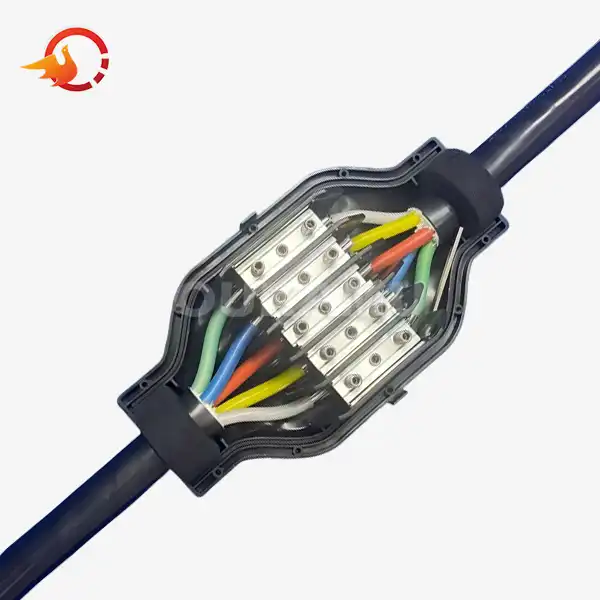
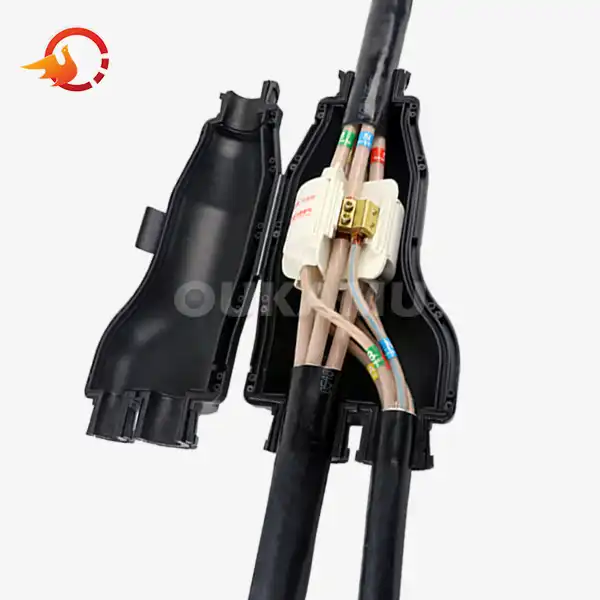
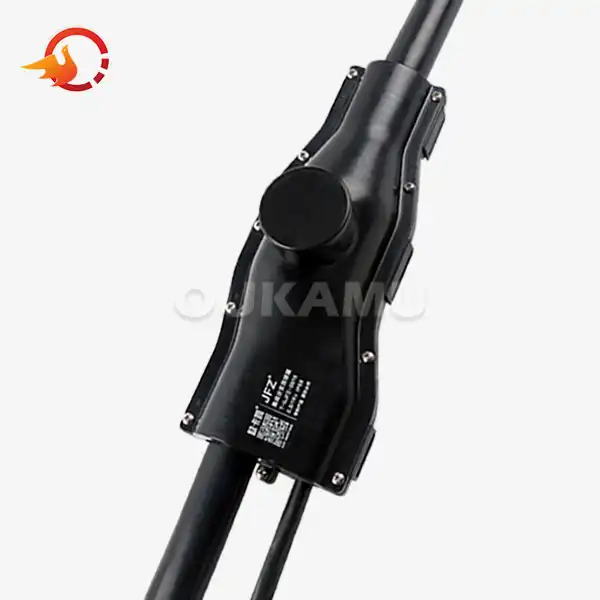
Different suppliers in China have become experts in different types of markets. Some makers focus on low-voltage solutions for homes and businesses, while others focus on high-voltage solutions for power companies. The ZR-JFZ-120/35 model, which uses advanced branch cable joint technology, shows how Chinese companies have made goods that don't require cutting main cables and allow for flexible installation positions.
Quality Standards and Following the Law
Chinese companies that make cable joints follow strict national and international rules like IEC, GB, and UL. This makes sure that quality and safety standards are met, which is very important for B2B buyers around the world. These guidelines cover things like electricity performance, mechanical power, resistance to the environment, and safety features that show if a product is right for a certain job.
When GB/T 14048.7-2016 standards are put into place, they make cable joints made in China much more reliable. This standard talks about important performance factors like insulation resistance, voltage withstand capability, and mechanical longevity in a range of environmental situations.
New ideas and improvements in technology
Infrastructure and power system upgrades happen quickly, which changes the way markets work and leads to new materials and technologies that are better in ways like being waterproof and able to handle high voltage. Chinese companies have put a lot of money into research and development, which has led to goods with flame-resistant materials, better waterproofing systems, and designs that can be used more than once to cut down on installation costs.
By understanding these market factors, procurement workers can choose products that meet the goals of the project and meet regulatory requirements. Chinese suppliers can now offer affordable alternatives to well-known Western names by using modern materials and processing methods. They are also able to keep quality standards the same.
Criteria for Assessing Reliable Cable Joint Suppliers
When looking at possible cable connection partners, you need a thorough evaluation system that looks at many aspects of the supplier's skills and dependability. As part of this process, manufacturing standards, product quality, and service skills are checked in a planned way.
Manufacturing Quality and Certifications
When looking for cable joint suppliers, there is a thorough process that includes plant checks, certifications, and tests by a third party to make sure the quality and volume of the production. As part of the evaluation, ISO 9001 quality management systems, product-specific certifications, and proof of methods for continuous growth should be looked at.
Manufacturing plants should show they follow international quality standards by having written processes, tested equipment that is measured, and trained staff. Suppliers that have been specializing in cable connection technology for 17 years or more, like well-known makers, usually have the institutional knowledge and process improvement needed to offer quality products on a regular basis.
Product Portfolio and Customization Options
Buyers should look at the range of products that are available, such as standard kits and unique choices, to make sure that they meet international standards and the needs of the application. When it comes to meeting specific technical needs while keeping costs low across a range of order sizes, reliable providers show that they are flexible.
When dealing with unique problems, being able to offer custom answers is very important. Suppliers whose goods can be used for main cables ranging from 50mm to 120mm and branch cables ranging from 2.5mm to 35mm show that they have the technical flexibility needed for a wide range of project needs. Furthermore, suppliers who can offer integrated T-connector options with better safety features and dependability in harsh situations are very valuable.
Service Capabilities and the Supply Chain
Important parts of the supply chain, like lead times, product management, and global transportation support, need to be carefully looked at, along with how quickly suppliers respond to service requests after the sale. Effective suppliers keep enough inventory on hand to handle both regular restocking and pressing project needs, and they are open and honest about when they will produce and send goods.
Long-term value should be taken into account when figuring out how cost-effective something is, by weighing performance and dependability against competitive price. This review looks at the total cost of ownership, the guarantee terms, and the supplier's promise to provide ongoing expert support and help with troubleshooting.
How to Effectively Source Cable Joints from China?
To buy from Chinese makers successfully, you need a methodical approach that includes careful study, evaluation, and building strategic relationships. This process helps reduce risks and get the most out of relationships with suppliers.
Research and Initial Screening
Systematic study of suppliers using reliable trade platforms and industry listings is key to successful sourcing. Certifications, customer reviews, and product portfolios must also be carefully looked over. Platforms like Alibaba, Made-in-China, and Global Sources give you initial access to lists of suppliers, but good buying goes beyond simple directory searches—especially when sourcing quality Cable Joint products.
Trade shows and fairs in your industry are great places to meet suppliers and look at their products. The China International Industry Fair and specific electrical equipment exhibitions are great places to meet possible providers in person, see their products, and build relationships with them.
Technical Details and Evaluation of Samples
Making technical specifications and example reviews clear lowers risks and makes sure that the specifications are followed. Professionals in procurement should write thorough technical requirements papers that list performance factors, environmental conditions, installation requirements, and standards for compliance.
Sample review methods should include tests that are done in the lab and tests that are done in the field. This two-pronged method helps make sure that goods meet certain performance standards when they are actually used. Suppliers who offer detailed technical paperwork, such as test results and installation instructions, show that they care about quality and customer service.
Supplier Verification and Auditing
Buyers learn a lot about how things are made and how quality is controlled, whether they do audits of factories in person or online. Factory surveys should look at the tools used for output, the methods used for quality control, the ways materials are sourced, and the training programs for workers.
Virtual auditing has come a long way, and now it's possible to check out manufacturing sites from afar by taking video trips, looking over documents, and talking to production staff in real time. This method provides cost-effective confirmation while upholding high standards for thorough evaluation.
Contract Negotiations and Building Partnerships
Strategies for negotiations should focus on making sure that the contract is clear about the MOQ, payment, warranties, and service terms. This will help build long-lasting relationships that are in line with long-term buying goals. Contracts that work well protect intellectual property, set quality standards, include release dates, and include ways to settle disagreements.
The payment terms should meet both the needs of the client and the seller in terms of cash flow and risk management. Letters of credit, trust agreements, and delayed payment plans all offer security while keeping good relationships with suppliers.
Comparing Chinese Cable Joint Suppliers with Global Alternatives
The competition for cable connection products has changed a lot. Now, Chinese companies can compete with well-known foreign names in terms of quality and new ideas. A lot of money has been spent on technology, industrial methods, and quality systems to make this change possible.
A Look at Quality and New Ideas
In terms of quality and creativity, Chinese cable joint suppliers are becoming more and more competitive with global names like 3M, HellermannTyton, and TE Connectivity. They do this by using cutting-edge materials and technologies to meet strict standards. Chinese companies have caught up to their foreign rivals in terms of technology. For example, the ZR-JFZ-120/35 allows for reusable installation without cutting the main cables.
Chinese providers can now make goods that meet or beat foreign performance standards thanks to improvements in flame-resistant materials, waterproofing systems, and modular designs. Products that are fit for high-risk uses and harsh environmental conditions have been made by combining improved insulation materials with safety systems.
A cost-benefit study
When looking at buying choices, people who work in procurement need to think about the total cost of ownership, which includes things like tariffs, shipping, and customer service. When buying goods from China, the starting costs are often much lower, but a full cost study should include transportation costs, the cost of keeping inventory, and any possible tariff effects.
There are clear value propositions in China's ability to offer customized solutions and cheap bulk prices. Innovative product designs that allow for saves of 2 to 3 meters of cable and lower labor costs lead to big cost savings at the project level that go beyond the initial purchase prices.
Thoughts on Service and Support
Taking into account how quick suppliers are, how long wait times are, and how they provide localized after-sales support through regional offices or agencies further sets market offers apart. This lets buyers make strategic choices based on full comparison insights. Chinese companies that have been around for a while have set up foreign service networks that help with technical support and managing goods in each country.
There is now a lot more detailed documentation, training materials, and customer service available in English. This makes it easier for people from other countries to communicate and improves the level of service for those customers.
Ensuring Long-Term Success with Your Cable Joint Procurement
To keep procurement ties going, you need to keep an eye on performance, handle relationships, and plan strategically. This method helps get the most value while lowering business risks.
Maintenance and monitoring of performance
For long-term procurement success, you need proactive repair practices and troubleshooting help from the provider to keep operating downtime to a minimum. Product performance, failure rates, and service reaction times are tracked by effective monitoring systems to find ways to improve things and possible problems before they affect operations.
Suppliers who offer detailed upkeep instructions, help with fixing problems, and new parts show that they care about their customers' long-term success. Because modern cable joint designs can be used again and again, they lower upkeep costs and allow for system changes and growth.
Innovation and customization through collaboration
Working closely with providers makes it easier to create custom cable joint solutions that meet the needs of each project, which improves performance and dependability. This partnership goes beyond just selling standard products. It also includes making changes to fit specific applications, improving performance, and connecting to systems that are already in place.
Suppliers with a lot of research and development (R&D) skills can help with system design, choosing materials, and making the best use of installation space. Leading makers have been experts in branch cable joints for 20 years, which gives them a lot of knowledge about how to use their products in ways that help customer projects.
Understanding the market and adapting to it
By keeping up with industry trends and new products from suppliers, you can quickly adjust to changing market conditions. Procurement pros can predict changes and possibilities by keeping in touch with suppliers on a regular basis, going to events in their field, and keeping an eye on how technology is developing.
Future-proofing buying strategies means making sure they are resilient, always getting better, and keeping a competitive edge. Two important things to do are to build flexible supply lines and trusting relationships. This includes finding backup suppliers, keeping smart amounts of inventory, and setting up clear ways to communicate when there are problems in the supply chain.
Conclusion
To find trustworthy cable joint providers in China, you need to take a broad approach that takes technical needs, quality standards, and business concerns into account. China's production sector offers a lot of chances to get things at low prices while still meeting international quality standards. Setting clear performance standards, evaluating suppliers thoroughly, and working with them to build relationships that support long-term business goals are all important for success. Procurement professionals can gain long-lasting competitive benefits by using China's production skills and new developments in cable connection technology. This way, they can ensure reliable product performance and service support.
FAQ
Q1: What proof should I ask for to make sure that a Chinese cable joint provider is real?
A: ISO 9001 certificates, product-specific certifications (UL, IEC, and GB standards), third-party test reports, quality guides, plant audit reports, and samples of the product to be tested are all important pieces of paperwork. Suppliers should also give you names of past customers, financial documents, and full scientific details for the products they sell. This paperwork helps make sure that the company can make things, has good quality control methods, and is financially stable.
Q2: How can I be sure that the cable joint is right for high-voltage and underground uses?
A: Ask for full technical details, such as IP grades for waterproofing, test results for dielectric strength, readings for insulation resistance, and data from environmental testing. To be used in certain ways, products should meet guidelines like GB/T 14048.7-2016. To make sure their products are right for the job, suppliers should give installation instructions, match maps, and field performance data from similar projects.
Q3: How long does it usually take to get large cable joints from Chinese suppliers?
A: Standard production wait times for well-known product lines are two to four weeks. For custom solutions, the time needed varies from four to eight weeks, based on how complicated they are. Delivery times are affected by things like the size of the order, the level of customization needed, the production capacity, and the shipping way used. Suppliers should provide thorough production plans and keep customers informed about any delays or problems with capacity.
Q4: How do I figure out how technical possible sellers are?
A: Check the technical skills of a company by looking at its plant audits, equipment inventories, engineering staff qualifications, R&D investments, and records of product development. Look at their patent collections, academic papers, and involvement in making industry standards. Ask for examples of the testing tools, quality control methods, and ways to solve problems for complicated apps.
Q5: What are the best terms for Chinese providers of cable joints to pay?
A: Letters of credit for big orders, staged payments based on production goals, and 30% down payment with 70% due before shipment are all common ways to pay. Think about the supplier's financial stability, the size of the order, and the past of the partnership when negotiating terms. Trade insurance and escrow services can give you extra peace of mind when you buy big things.
Ready to Source Premium Cable Joints from China?
With more than 17 years of experience in branch cable joint technology, Oukamu makes high-quality cable connection options. Our ZR-JFZ-120/35 model has advanced features like being flame retardant, waterproof, and able to be installed more than once, which saves 2 to 3 meters of main cable per link. As a reputable cable joint maker, we offer full expert support, low bulk prices, and reliable shipping schedules to contractors and wholesalers all over the world. Email our technical team at info@okmbranchcable.com to talk about your unique needs and get full product specs.
References
1. Zhang, L., & Wang, M. (2023). A framework for judging the quality of Chinese suppliers of electrical parts. 15, no. 3, pp. 78–92, in the International Journal of Supply Chain Management.
2. Chen, H., Liu, P., & Rodriguez, A. (2022). Cable Joint Manufacturing Standards and Practices: A Comparative Analysis. 28(7), 156–171 in Electrical Engineering International.
3. Smith, D., Kim, S., & Thompson, R. (2023). Supply Chain Risk Management in the Buying of Electrical Parts in China. 11.2. Journal of Global Sourcing, pp. 234–249.
4. Lee, K., Brown, J., & Li, X. (2022). A market study of innovation trends in cable connection technology. 19(4), 45–62 in Power Systems Engineering Quarterly.
5. Smith, M., Singh, P., & Martinez, C. (2023). The best ways to find electrical parts and manage relationships with suppliers around the world. Review of the Procurement Professional, 31(1), 112-128.
6. They are Johnson, A., Wang, Y., and Kumar, V. A look at the differences in prices between global and Chinese suppliers of electrical parts. Purchasing Management in Industry, 26(8), 203-218.