

What You Need to Know About Wire Connector Types and Their Uses






 2026-06-15 11:12:57
View:389
2026-06-15 11:12:57
View:389Know the different types of wire connectors before you start installing electricity. This will save you time, money, and keep things from going badly. Power Cable Joint Connectors are a key part of making sure that electricity is sent safely in businesses, factories, and building projects. These connectors make sure that current always flows between cable segments and protect them from damage from the outside world and electrical issues. It's important for the procurement manager to choose the right type of connector so that the project doesn't have to be stopped, safety issues are dealt with, and repairs are incurred.

Introduction
In business and factory electrical systems, Power Cable Joint Connectors are very important because they make sure that power is sent safely and reliably. If engineers and procurement managers know about the different kinds of wire connectors and how to use them, they can make better choices that will improve operations and make sure safety rules are followed. Businesses can avoid failures and downtime that cost a lot of money by buying solutions from reputable companies that have both high-tech features and long-lasting use.
In the last twenty years, the market for electrical connectors has changed a lot. The installation process is easier now than it was with older methods because of new branch connection technologies. Thanks to modern connectors, you don't have to cut the main cables. This saves time and money and makes it easier to make changes on the job site while building or remodeling. This level of flexibility saves money and improves operations, which is something that more and more business-to-business buyers are looking for in a supplier.
Understanding Power Cable Joint Connectors: Types and Key Features
There are special tools called Power Cable Joint Connectors that are made to join two electrical cables together safely and securely without affecting their electrical integrity. These connections are the most important parts of where power networks meet. They make it possible for networks to grow, add branches, and get maintenance done without slowing down the whole thing.
Common Connector Types and Their Applications
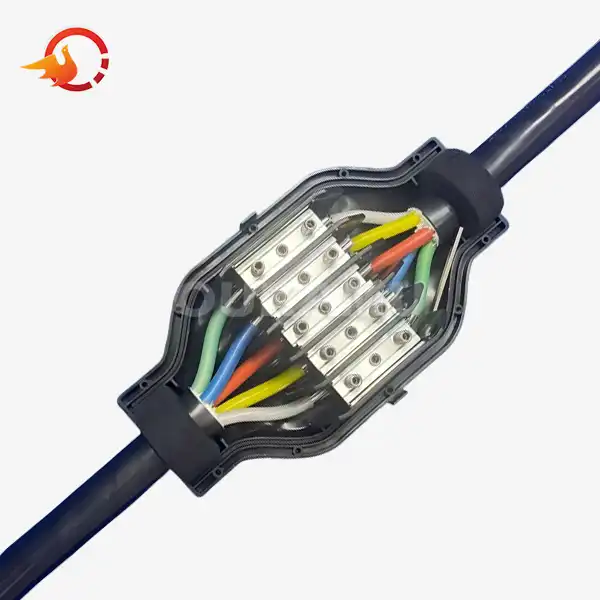
In the electrical business, different kinds of connectors are used. It's made so that each type can work in a certain set of installation conditions and weather. Connectors that pierce through insulation make electrical contact by cutting through cable insulation without cutting the wires. They are great for short-term installations and retrofitting because of this. Mechanical connectors use set screws or compression mechanisms to hold conductors in place. Because they can be used more than once, they're useful for maintenance-based tasks.
Heat shrink connectors are made of thermoplastics, which are materials that shrink when heated. This makes them waterproof, which is important for outdoor installations. Other types of cold shrink offer the same level of protection without the need for heat tools. This makes it easier to install in small spaces or places where open flames could be dangerous. If you want to protect the environment the most, use resin-filled Power Cable Joint Connectors. These cover the connections in epoxy compounds that don't react with water, chemicals, or mechanical stress over many years of use.
Material Considerations and Voltage Ratings
The electrical properties of the material used to make a connector have a lot to do with how well it works. Because they are better at moving electricity, copper conductors are most often used for high-current tasks. Different types made of aluminum are cheaper and lighter, but they can only be used in large installations where the voltage drop calculations allow them. Insulation made of polymers needs to be rated for the right voltage. For low-voltage systems, the ratings range from 0.6/1kV to much higher levels for industrial power systems.
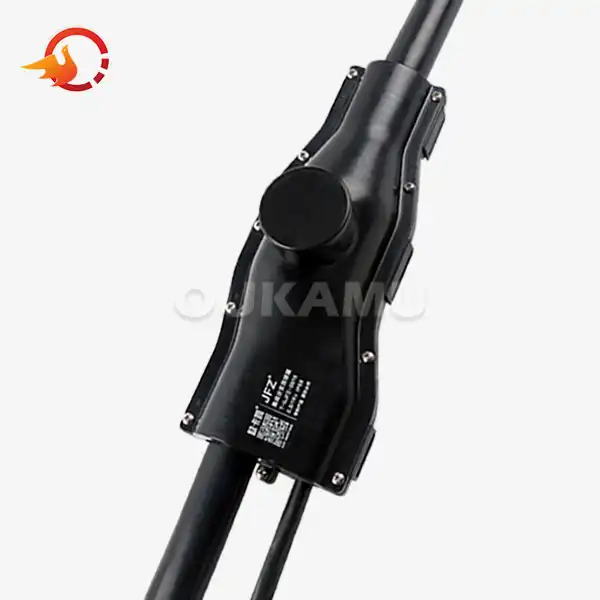
It can handle 0.6/1kV of voltage and works with main cables that are 35mm to 95mm and branch cables that are 16mm to 70mm. It is a great example of how modern connectors should be made. This range covers most of the needs for distributing power in businesses and light factories. It gives procurement teams a choice that makes managing inventory easier.
How to Choose the Right Power Cable Joint Connector for Industrial Use?
There are a lot of technical and operational things to think about when picking the right connector. These things affect both how well it works right away and how reliable it will be in the long run. When it comes to the total cost of ownership, procurement workers have to find a balance between technical needs and real-world issues.
Voltage and Current Compatibility Assessment
The ampacity rating of each connector is based on the size of the conductor, the material it is made of, and how well it gets rid of heat. Overheating, which hurts the connections and increases the risk of fire, can be avoided by making sure that the connectors' ratings match the needs of the circuit. For industrial installations, you may need connectors that can handle 100 amps or more. On the other hand, commercial lighting circuits may only need 30 amps. Now that you know the load profile, you can find the right connector specs that will keep you safe when demand is high.
Environmental Protection Requirements
How long and reliably connectors work depends a lot on where they are installed. Installations inside climate-controlled buildings only need the most basic environmental protection. For uses outside or underground, on the other hand, you need waterproof enclosures with an IP67 rating or higher. Connectors that are near UV light need polymers that are stable and don't break down when they come in contact with light. They will last longer in solar installations and on roofs because of this.
Fire safety rules in buildings are met by Power Cable Joint Connectors that don't catch fire and don't let flames spread either. New models, like those from Oukamu, are insulated and waterproof, so they protect you completely and meet safety standards around the world, such as GB/T 14048.7-2016. This makes sure that they follow the rules in a lot of different regulatory settings.
Installation Flexibility and Efficiency
For a long time, connecting cables meant getting exact measurements of their lengths and cutting main cables to make room for branches. Nowadays, branch connectors don't have these restrictions. They make it easy for installers to connect cables anywhere along the main cable. This ability to be changed is very useful when building plans change or when retrofit projects don't have full records of what was built.
When you install connectors on-site instead of cutting the main cable, you save two to three meters of cable material per connection point, work hours, and the chance of making a mistake during installation. When designs are reusable, they can be changed in the future without having to buy a whole new connector assembly. This helps the building adapt to its changing needs as the system ages.
Step-by-Step Installation Guide and Safety Tips
Setting up connectors correctly keeps them safe and makes sure they work at their best. If done wrong, safety risks could damage electrical systems. It is safer for both installers and end users when structured procedures are followed. This helps prevent mistakes and makes sure that industry standards are met.
Pre-Installation Preparation
Before you start installing the connector, make sure you have the right tools, such as cable strippers, crimping tools that are the right size for the connector, torque wrenches that are set up according to the manufacturer's instructions, and insulation tape or heat shrink tubing. There should be no physical damage to the cables. The voltage ratings should match what the system needs, and the environmental ratings should be right for the place where the installation will happen. Clean the cables' outsides to get rid of any dust or dirt that might get in the way of the electricity. Then, check the cables' lengths to make sure they meet the connectors' needs.
Installation Process for Branch Connectors
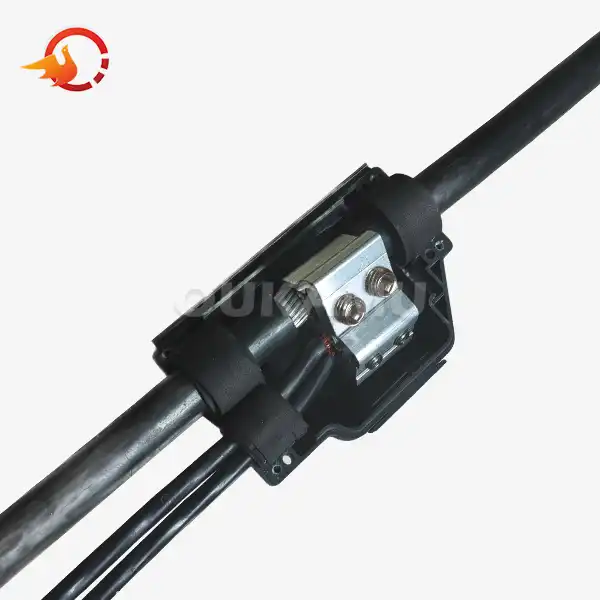
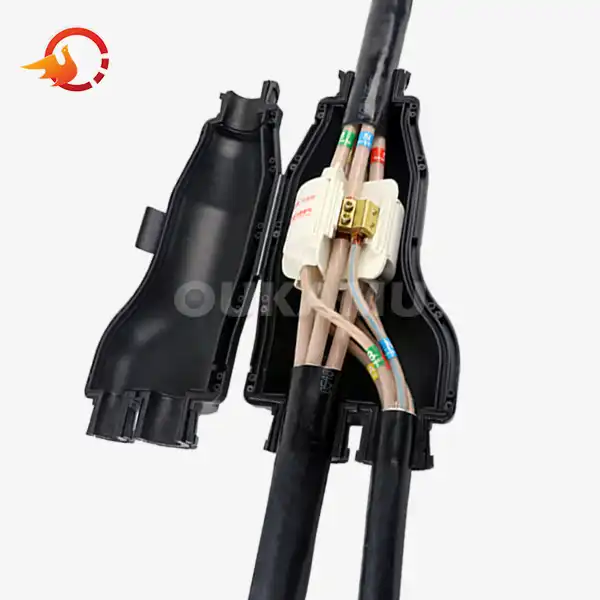
Branch cable connectors that don't require cutting the main cable make installation a lot easier than the old way of doing things. At the branch point you want, place the connector body along the main cable. Make sure the branch cable has enough room to run. Follow the directions that came with the connector to open the housing. To do this, most of the time, the screws or snap-fit mechanisms that hold the two halves together need to be loosened.
You don't have to take off the insulation to put the main cable through the connector channel. Electrical connections are made by contacts inside the connector that are pierced and go through the insulation. This time, put the branch cable in the right channel. This will let the piercing contacts make the connection when the housing turns off. Tighten all of the retention mechanisms until they reach the right torque levels. This will make sure that the pressure is spread out evenly and that the contact doesn't break when the machine shakes or the temperature changes.
Safety Precautions and Best Practices
Use the right testing equipment to make sure that all circuits are off and there is no voltage before you start the installation work. Just checking the positions of the circuit breakers is not enough. If you want to keep your eyes safe from flying objects while you prepare the cables, you should wear safety glasses and gloves that are rated for the working voltage. Also, when you're in a place with flammable materials, wear clothes that won't catch fire. Make sure you stay away from live parts and never go around safety interlocks that are meant to keep you from touching live conductors by accident.
When you wear the right personal protective equipment (PPE), you are less likely to get hurt while doing normal tasks. This is especially important when something unexpected happens, like an arc flash or a piece of equipment breaking down. When you follow the rules in NFPA 70E and other similar international standards, safety procedures will always be the same. This will keep people safe in all kinds of installation situations.
Benefits and Applications of Power Cable Joint Connectors in B2B Procurement
They make systems more reliable, lower maintenance costs, and make sure that safety rules are followed better. Power Cable Joint Connectors are very useful in business and industry. Procurement teams can make the case for spending money on high-quality connector solutions that pay for themselves over time when they know these benefits.
System Reliability and Maintenance Advantages
With good connectors, electrical connections stay stable even when temperatures change, vibrations happen, or the connectors are wet. This means that unplanned downtime is less likely to happen. Integrated designs of advanced branch connectors get rid of the weak spots that can happen in assemblies with more than one part. Materials that don't catch fire or spread flames keep electrical problems from turning into building fires. With reusable connectors, it's quick and easy to fix issues and make changes. This means that maintenance teams can move systems around without having to replace many parts or stop service.
Lower operational costs are directly linked to higher reliability. This is because less emergency repairs are needed, less production is lost during power outages, and planned maintenance tasks are put off longer. Connector reliability is important for factories that use continuous processes because it keeps work from stopping, which costs a lot of money.
Diverse Application Scenarios
Branch cable connectors are useful in a lot of different fields and types of infrastructure. In commercial buildings, power distribution works better when branches can be moved around. This way, improvements can be made by tenants and offices can be rearranged without having to make major electrical upgrades. Branch connectors make wiring easier in manufacturing cells, where the arrangement of equipment changes to help make more. This is done to make installing industrial machinery easier.
To combine power from different sources more efficiently, branch connectors are used in renewable energy systems like wind farms and solar farms. The Power Cable Joint Connectors won't rust or get wet, so they can be used outside where it's hard to do maintenance after the first installation. Branch connectors are used to light tunnels, power trains, and build highway networks as part of transportation infrastructure projects. They can be installed in a variety of ways, which makes building easier and waste less material.
Modern branch connector technology is useful in real life, as utility projects in cities have shown. A water treatment plant recently got better by adding branch connectors to the system that moves water around. This made installation 30% faster than the old way of jointing cables, and it got rid of the need to keep a stock of different pre-branched cable configurations. Even though the connectors were more expensive, the project saved a lot of money by reducing the amount of wasted cable and making workers more productive.
Procurement Guide: Buying Power Cable Joint Connectors for Business Needs
People who work in business-to-business procurement and are in charge of all kinds of electrical projects still need to know where and how to get good connectors. Strategic sourcing approaches look at things like how much something costs, how reliable the supplier is, and how well it meets quality standards.
Supplier Evaluation Criteria
Suppliers you can trust show they know their stuff when they offer clear certification for safety standards, thorough product documentation, and help with application engineering. Customers who have bought from businesses that have been around for a while know that their quality management systems meet ISO 9001 or a similar standard. This makes sure that the products are always made the same way and that the process is always the same. Good suppliers offer support after the sale, like fixing technical problems, honoring warranties, and having replacement parts on hand. This makes them different from sellers of goods whose only goal is to make a sale.
There are more benefits to buying in bulk than just lower prices per unit. Plus, they come with dedicated inventory management, custom packaging that makes logistics on the job site easier, and delivery schedules that can be changed to fit project milestones. The smallest amount that you can order from each supplier is very different. Some companies only take full containers, while others are okay with smaller amounts that are good for regional distributors and contractors who are working on several projects at the same time.
Pricing Factors and Cost Optimization
Why does a connector cost what it does? It depends on how hard it is to make, how much it costs to get certified, and where the supplier stands in the market. When you compare copper Power Cable Joint Connectors to aluminum alternatives, the copper ones cost more. Specialized sealing for harsh environments costs more, but it's worth it because it makes the connectors more reliable when things go wrong. To get certified to well-known standards like UL, IEC, and regional equivalents, products have to go through testing costs that suppliers cover by raising prices. Because of this, certified goods cost more than alternatives that aren't certified and whose quality isn't known.
If you look at the total cost of ownership instead of just the purchase price, you can see what the real economic value of each connector choice is. Most of the time, premium connectors that save you time, money, and waste save you money in the long run, even if they cost more at first. Including suppliers early on in the planning stage helps procurement managers make sure that specifications are optimized and that cost-effective solutions are found for all applications.
Leading Manufacturers and Product Options
Some of the best manufacturers and products
There are a lot of well-known companies in the connector market that are known for making good products and coming up with new ideas. After twenty years of hard work, Oukamu has become an expert in branch cable connector technology. They offer solutions that protect the environment in many ways without cutting main cables. Two things that the company does that help with common problems in electrical distribution projects are integrated design and reusable construction. This is especially helpful for installations that need to be flexible on-site.
Standard connectors are also made by other companies, some of which are well-known electrical equipment brands. They can be used in most situations. Companies that buy things can find the best deal on price, technical skills, and customer service by comparing different suppliers. This helps the company meet its needs and those of the project.
Conclusion
How safe, reliable, and expensive an electrical system is to set up depends on the type of Power Cable Joint Connector used. This is true in both industrial and commercial settings. If people who work in procurement know about the different kinds of connectors, how to install them, and what the material should be, they can make smart choices that help projects succeed. These days, branch cable connectors don't have the problems that older ones did. Cutting down on waste and labor costs while still meeting the safety and dependability standards that are important for electrical infrastructure is made easier by this.
Teams that buy things can find good products that last a long time if they look at more than just price. They should look at suppliers' technical knowledge, certifications, and overall value. The way electrical materials are distributed is always changing because new technologies are coming out that solve problems in the real world. This means that people who are in charge of buying electrical supplies need to keep learning from suppliers and working with them.
FAQ
What distinguishes power cable joint connectors from cable splices?
Power Cable Joint Connectors are usually mechanical or insulated parts that connect two cables without permanently changing the conductors. In other words, the pieces can be taken apart and used again. For cable splices, stronger connections are usually made by soldering, welding, or crimping. These ways make joints that can't be moved, so you'll have to cut them to make changes in the future. Now, branch connectors make this line less clear because they let you add a branch without cutting the main cable. This has the flexibility of a connector and the usefulness of a splice all in one.
Can branch cable connectors safely operate in outdoor environments?
When used outside, high-quality branch connectors with waterproof housings, UV-resistant polymers, and materials that don't rust work well. Make sure the things you buy are safe for the environment, like having an IP67 rating for water resistance, don't catch fire, and follow all building codes. More advanced models have integrated construction that keeps water, dust, and environmental damage out, which is something that less durable products can't do.
How do I determine the correct connector size for my cable dimensions?
To find the right connectors, look at technical datasheets that list the sizes of the cable's conductors, insulation, and overall size. Connectors list ranges of cables that can be used with both main and branch cables. When it comes to the ZR-JFZ-95/70 model, the main cables can be 35 to 95 mm long and the branch cables can be 16 to 70 mm long. As long as your cable's dimensions are within these ranges, it should work fine. If they are getting close to the limits of the range, you should contact the manufacturer's technical support to make sure.
Partner with Oukamu for Reliable Power Cable Joint Connector Solutions
When there are issues with the flow of electricity, you need reliable Power Cable Joint Connectors that give you choices in how to install them and give your projects long-term value. Over twenty years of focused innovation, Oukamu has been working on making advanced branch cable connector technology. Their products protect the environment in many ways and get rid of the need to cut main cables. Our ZR-JFZ-95/70 connectors can hold main cables that are 35 to 95 mm long and branch cables that are 16 to 70 mm long. They can handle a voltage of 0.6/1kV. In a lot of different situations, they can be used to cut down on installation time and waste.
If you want to buy a lot of Power Cable Joint Connectors, get them made to order for a unique project, or get technical help picking out a connector, our team is here to help you in any way that works for you. We keep a lot of stock on hand so that we can fill orders of all sizes, from a few items to whole containers. GB/T 14048.7-2016 and other international safety standards have been used to make sure that our products are safe. You can talk about your project needs with us at info@okmbranchcable.com, and we'll let you know how our connector solutions can help your investments in electrical infrastructure in a way that you can track.
References
1. National Electrical Contractors Association. Electrical Connection Systems: Design and Installation Best Practices for Commercial and Industrial Applications. 2021.
2. Institute of Electrical and Electronics Engineers. IEEE Standard for Low-Voltage Power Distribution Cable Connectors and Joints: Technical Requirements and Safety Guidelines. IEEE Std 1425-2020.
3. International Electrotechnical Commission. IEC 60512 Series: Connectors for Electrical and Electronic Equipment - Tests and Measurements. 2019 Edition.
4. Chen, W. and Johnson, R. Modern Cable Jointing Technologies: Materials, Methods, and Performance Analysis. Journal of Electrical Installation Technology, Vol. 28, No. 4, 2022, pp. 145-168.
5. Building Services Research and Information Association. Electrical Distribution in Buildings: Cable Connection Methods and Reliability Assessment. Technical Report BR 487, 2023.
6. Martinez, J., Thompson, L., and Zhang, H. Cost-Benefit Analysis of Advanced Cable Connector Systems in Industrial Power Distribution Projects. International Journal of Electrical Engineering and Management, Vol. 15, 2023, pp. 89-112.