

Tunnel junction box size options for large infrastructure projects






 2026-06-15 11:19:05
View:389
2026-06-15 11:19:05
View:389When planning big infrastructure projects, picking the right electrical connection options can have a big effect on how long the projects take and how much they cost. A Tunnel Junction Box is an important part of underground electrical systems because it keeps cable connections safe and makes sure the system works safely in harsh conditions. The right size choice strikes a balance between cable capacity, protecting the environment, and ease of maintenance—all of which have a direct effect on how well the project works in the long run. When procurement professionals, project managers, and electrical contractors know the different sizes that are available, they can make decisions with confidence that lower installation costs while still meeting safety standards.

Understanding Tunnel Junction Boxes and Their Size Specifications
For infrastructure projects, you need strong electrical solutions that can handle the rough conditions underground. When it comes to tunnel applications, Tunnel Junction Boxes are very different from standard residential or commercial enclosures. These special units keep important cable connection points safe from water, dust, physical damage, and changes in temperature that happen a lot in subways, highway tunnels, and utility corridors below ground.
Material Considerations and Their Impact on Sizing
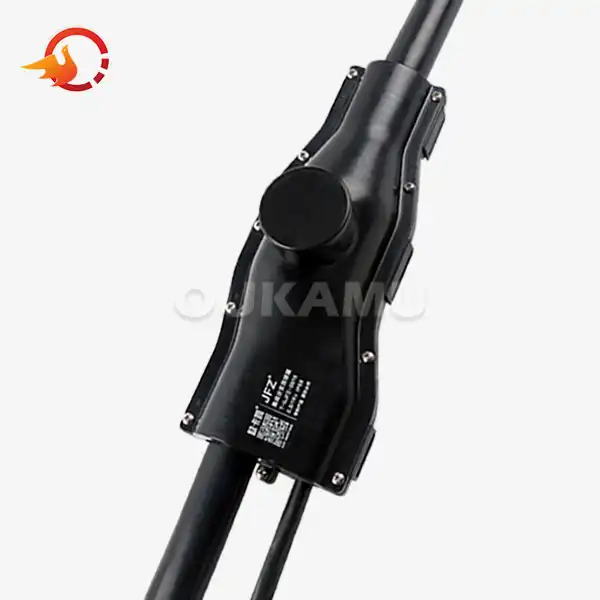
The choice of material has a big effect on the size and weight of the box. Metal enclosures, which are usually made of galvanized steel or aluminum alloys, are better at keeping out physical threats and electromagnetic fields. These units usually have thicker walls, which makes them bigger overall but makes them last longer in tunnels with a lot of traffic. Many types of plastic that are made through injection molding are resistant to corrosion and lighter, which makes them good for uses where chemical exposure or weight limits are a problem. With one-piece injection molding, the construction is seamless, so there are no places where water could get in. This lets manufacturers make the most of the space inside without lowering the level of protection.
Cable Capacity and Internal Volume Requirements
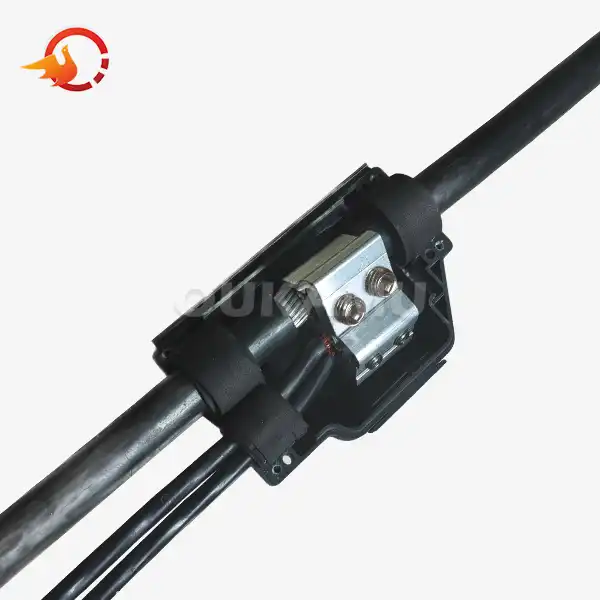
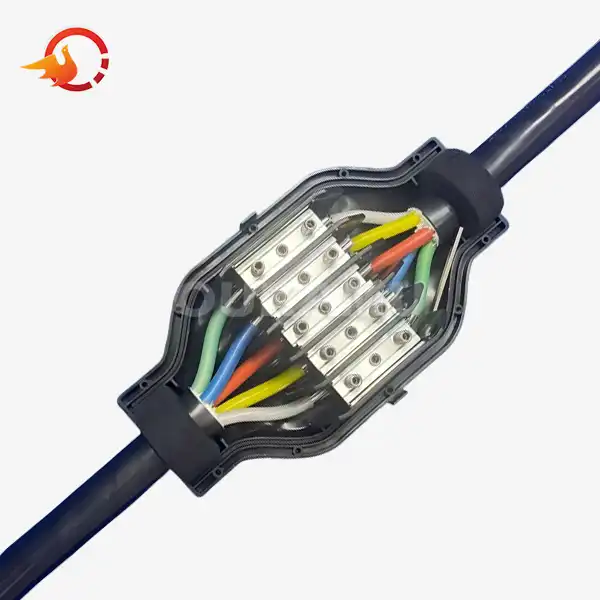
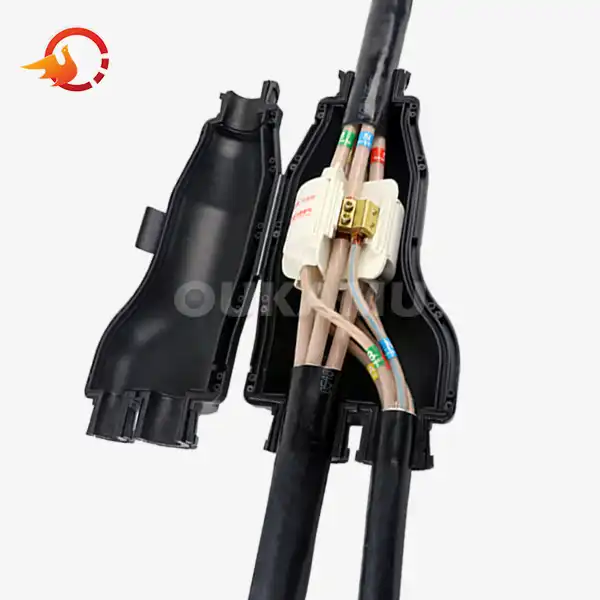
To get the right internal volume, you have to carefully calculate the number of cables and their diameters. An enclosure of the right size can hold all the planned connections and still have enough room for technicians to work during installation and maintenance. For example, the ZR-JFZ-95/35 model works well with this idea because it can handle main cables from 35mm to 95mm and branch cables from 2.5mm to 35mm. With this setup, you don't have to cut main cables when connecting branches. This keeps the integrity of the cables and cuts down on waste. For projects with more than one branch circuit, the boxes need to have bigger interiors to fit more connection hardware and allow for the right cable bending radius, which is an important factor that is often missed during the planning stages.
Protection Ratings and Size Implications
Protection levels for a Tunnel Junction Box are directly related to the size and complexity of the enclosure. Boxes with an IP65 rating or higher have special locking systems, gaskets, and sealing systems that make them bigger than basic enclosures. These features are very important in tunnels where water getting in, dust building up, and changes in temperature can all affect the reliability of the electrical system. Waterproof locks that secure cable entry and exit points take up very little space on the outside but offer great protection by stopping water from moving along cable paths, which is a common way for underground installations to fail.
Dimensional Analysis Approach to Tunnel Junction Box Size Selection
To choose the right size, you need to carefully look at a lot of factors that affect each other. The best enclosure sizes depend on the needs of the project, the environment, and the possibility of future growth.
Analyzing Cable Density and Connection Requirements
Size selection is based on calculations of cable density. Projects need to think about both the current cable needs and the ones that will be added in the future. Infrastructure projects often have changes to their scope or upgrades to their capacity, which means that oversizing is more of a business decision than a wasteful one. Find the total cross-sectional area of all the cables, multiply that by 1.5 to account for the required bending radius, and then add the volume of the connection terminals, circuit protection devices, and grounding components.
When compared to traditional junction methods, branch cable joint technology takes up a lot less space. Products with reusable connections that don't require cutting the main cable get rid of the need to store too much extra cable in enclosures. This new idea lets designers choose smaller Tunnel Junction Box units that still do the same job. This lowers the cost of materials and makes installation easier in tunnel sections with limited space.
Environmental Factor Integration
Extreme temperatures change both the size of the enclosure and the materials that are used. Tunnels' temperatures change a lot depending on the time of year and how they are being used. During use, cable connections produce heat, so they need enough air flow or thermal mass to keep from getting too hot. Naturally, bigger enclosures get rid of heat better, but smaller boxes can work just fine with the right placement and ventilation features. Flame retardant and fire-resistant building materials make buildings safer without necessarily making them bigger on the outside, though they might change the thickness of the walls and the volume inside.
Managing moisture is another important environmental factor to think about. Boxes that are put in low spots in tunnels or places where water tends to gather need better drainage and higher protection ratings. Because of these rules, enclosures need to be bigger and have special internal arrangements so that water doesn't pool around electrical connections.
Scalability and Future-Proofing Strategies
Infrastructure projects usually last for decades, so investing in the ability to grow in the future is a smart move. By choosing boxes with 30–50% more space than they need, system upgrades can be made without having to replace the whole enclosure. This approach works especially well in transportation tunnels, where service interruptions are expensive and hard to plan for. Modular branch connection systems let technicians add circuits anywhere along main cable runs without making a lot of changes. This saves money on the initial installation costs and meets the changing needs of the project.
Comparison of Tunnel Junction Box Sizes and Types for Infrastructure Use
Different infrastructure uses need different enclosure features, which makes the product landscape very varied and can be hard for procurement professionals.
Standard Versus Custom Configurations
Standard enclosure sizes are based on established measurement rules that are based on how cables are usually set up and configured. These products are available right away, have reasonable prices, and have been tested and shown to work well in the field. Custom configurations meet the specific needs of a project, like dealing with odd cable arrangements, special mounting restrictions, or connecting to proprietary systems. Custom solutions have longer lead times and cost more, but they get rid of the need for changes to be made in the field that lower protection ratings or open up safety holes.
Since Oukamu has been making branch cable connectors for more than 20 years, they have come up with solutions that combine standard and custom methods. Our modular designs allow for different cable sizes to fit inside standard Tunnel Junction Boxes. This cuts down on the need for truly custom fabrication while still allowing for flexible installation. Products that are rated for 0.6/1kV applications meet GB/T 14048.7-2016 standards and international safety requirements. This makes sure that projects around the world can work together.
Material Performance Characteristics
Metal enclosures are great for uses that need the highest level of physical protection, protection from electromagnetic interference, or fire resistance. Their strong construction means they can withstand hits from maintenance equipment, vandalism, or accidental contact in tunnels that are still in use. Metal boxes, on the other hand, make installations heavier and need to be carefully grounded to avoid electrical hazards. Size-for-size, metal enclosures usually weigh two to three times more than plastic ones of the same size. This changes the mounting hardware needed and the amount of work needed to install them.
High-quality insulating materials used to make plastic enclosures give them great resistance to corrosion, electrical isolation, and weight advantages. Newer formulas have flame retardant, UV stabilizer, and impact modifiers added to them to make them last longer in tough conditions. Because injection molding allows for a seamless design, gasket failures are eliminated, and better moisture protection is provided. When there is room, plastic boxes are often the most cost-effective choice for tunnel uses that don't need the special properties of metal.
Voltage Rating Influence on Size Selection
Operating voltage has a big effect on the necessary distances for insulation, clearances, and the overall size of the enclosure. When compared to medium or high-voltage installations, low-voltage installations under 1kV allow for smaller designs. Products like the ZR-JFZ-95/35, which can work with 0.6/1kV voltage, make the most of their small size for most tunnel lighting, power distribution, and communication system needs. For projects with higher voltages, you need to specify properly rated enclosures with more space inside, thicker insulation barriers, and better safety features. All of these things make the overall size and cost of the project higher.
Installation and Maintenance Considerations Related to Junction Box Size
When choosing enclosure sizes, practical installation and maintenance needs are often more important than technical specs.
Limits on Site Access and Mounting
Tunnel environments often have strict rules about who can access the area during installation. Crews that are trying to position and secure enclosures have to deal with narrow passages, mounting positions above, and limited working space. Naturally, small Tunnel Junction Box units make installation easier in tight spaces, but enclosures that are too small make it hard to do wiring inside. The best size balances the external footprint with the ease of access inside, so technicians can make connections quickly without having to worry about running out of room.
Metal hanging plates built into the backs of the enclosures make mounting them securely to tunnel walls, cable trays, or structural supports easier. This way of installing things lets you get them exactly where you want them while safely spreading out the weight. Making boxes that are easy to install cuts down on the time it takes to do the work and the number of mistakes that need to be fixed, which costs a lot of money.
Maintenance Access and Service Life
When building infrastructure, long service intervals and low maintenance needs are given top priority. Enclosures that are the right size make inspection and repair easier, which cuts down on system downtime and the costs that come with it. Maintenance tasks are made much easier by boxes that let technicians get to all internal parts without taking the unit off its mounting or disconnecting a lot of cables. Pure copper grounding terminals, like the ones that come with our tunnel junction products, don't rust and keep the electricity flowing reliably for longer, which means that they don't need to be serviced as often.
Advanced branch connection systems can be used again and again, which is more than just a benefit of the initial installation. When changes need to be made to a circuit, technicians can rearrange connections instead of replacing whole cable assemblies or enclosures. This feature protects investments in infrastructure while allowing for the operational changes that come with big projects. Enclosures that allow for this kind of flexibility offer better lifetime value, even if they may cost more at first.
Procurement Tips: Choosing the Right Size Tunnel Junction Box for Your Project
Strategic procurement practices make sure that the products chosen meet the needs of the project and make the best use of the budget.
Defining Comprehensive Project Requirements
A thorough definition of requirements is the first step to a successful procurement. Write down everything that is important, like the number and sizes of cables, the voltage levels, the environment, any mounting restrictions, and any planned future growth. Include electrical engineers, installation contractors, and maintenance workers in the process of writing the specifications to get their input and avoid making mistakes that will cost a lot of money. In the requirements documentation, you should list the minimum protection ratings, material preferences, compliance standards, and any project-specific restrictions that make it hard to choose a product.
Evaluating Supplier Capabilities and Product Offerings
Established companies with a lot of experience with infrastructure projects can provide useful technical support in addition to just supplying products. Companies that work with cable connection technology know how the size of the enclosure, how the cables are managed, and how well the system works all work together. When looking at possible suppliers, you should see how well they can offer customized solutions, technical documentation, help with installation, and quick service after the sale. Manufacturers who keep a wide range of products in different sizes give buyers the freedom to make changes to the design or the scope of the project.
Here are the core advantages procurement professionals should prioritize when evaluating Tunnel Junction Box suppliers:
- Comprehensive product range: Suppliers that offer a range of enclosure sizes, materials, and protection ratings make it easier to find the best specifications for a project, as you won't have to work with as many vendors.
- Technical know-how: Companies with engineering teams that can look at project-specific needs can give helpful advice on size and use that keeps specification mistakes from happening.
- Quality certifications: Products that are certified to international standards like GB/T 14048.7-2016 show that they care about safety and performance, which lowers project risk and makes it easier for regulators to approve them.
- Customization options: Suppliers who can change standard products or make custom configurations can work around specific project requirements without adding too much to the cost or time.
- Inventory management: Vendors who keep enough stock on hand or offer flexible batch buying options can help with both initial installations and ongoing maintenance.
These abilities directly lead to easier procurement, lower overall project costs, and higher system reliability throughout the whole lifecycle of the system.
Balancing Cost Efficiency with Quality Requirements
The total cost of ownership, not just the cost of acquisition, must be taken into account when setting a price. Cheap enclosures that break down quickly, need a lot of maintenance, or are hard to install end up costing more in the long run than better products that cost more at first. Products with advanced features like flame retardancy, corrosion resistance, and reusable connection technology save money in the long run, which justifies small price increases. Find the true value by adding up all the costs over the product's lifetime, such as the labor for installation, the expected upkeep, the number of replacements, and the costs of any downtime.
Flexible purchasing arrangements can be made to fit the project's cash flow needs and construction schedules that are broken up into stages. Just-in-time delivery is possible thanks to suppliers who can handle small to medium-sized orders. This cuts down on the need for on-site storage and keeps materials safe from theft or bad weather. Transparency in lead times lets procurement professionals schedule product delivery around construction milestones, keeping schedules from getting thrown off.
Conclusion
For tunnel infrastructure projects, choosing the right enclosure sizes means balancing a lot of technical, practical, and financial factors. The right size makes sure that the cables can handle their weight, that the environment is protected, and that maintenance workers can easily access them. It also keeps costs and installation complexity low. Products with new features, like the ability to connect to a branch without cutting the main cable, save a lot of material, give installers more options, and have higher lifecycle values. When procurement professionals regularly check the needs of the project, the environment, and the abilities of suppliers, their projects are more likely to succeed. When you buy properly specified Tunnel Junction Box units, the system will be more reliable, require less maintenance, and last longer. These are all very important factors in infrastructure projects where performance is expected to last for decades.
FAQ
How do I determine the correct junction box size for my infrastructure project?
Find the total cross-sectional area of all the cables that will be in the enclosure, multiply that by 1.5 to get the right bending radius, and then add the volume for the terminals, protective devices, and future growth. Size is also affected by the need for a protection rating, the environment, and the ease of maintenance access. Talking to experienced suppliers can help you figure out what to do for your specific application.
What advantages do waterproof junction boxes offer in tunnel applications?
Enclosures that are waterproof and rated IP65 or higher keep out water, which can cause corrosion, insulation degradation, and electrical failures. High humidity, condensation, and occasional water exposure make strong waterproofing necessary for long-term operation that you can depend on. Good waterproof locks at the points where cables enter the house keep water from moving along the cable paths.
Can junction box sizes be customized for special project requirements?
Reliable manufacturers offer customization services to meet specific needs like limited space, odd cable configurations, or special mounting needs. Custom products have longer lead times and cost more than standard products, but they don't need to be changed in the field, which can lower their safety and protection ratings. A lot of projects find that manufacturers with a wide range of products can meet their needs without having to do real custom fabrication.
Partner with Oukamu for Your Tunnel Junction Box Requirements
With 20 years of experience in branch joint technology, Oukamu specializes in coming up with new ways to connect cables. The tunnel junction boxes we sell have high protection ratings, are made of modern materials, and come in a range of sizes to fit even the toughest infrastructure needs. The ZR-JFZ-95/35 model shows our dedication to useful innovation. It can fit main cables from 35mm to 95mm and branch cables from 2.5mm to 35mm without cutting the primary conductors. This saves two to three meters of cable per connection point and cuts down on installation time and labor costs.
International safety standards and GB/T 14048.7-2016 specifications are met by our products, which means they can be used in any global project. Whether you're looking for supplies for a one-time project or for ongoing maintenance, Oukamu has a reliable supply, competitive prices, and helpful technical support. Our flexible batch ordering and detailed product documentation make it easier for electrical contractors and distributors to specify and install our products.
Email our team at info@okmbranchcable.com to talk about your project needs with experienced engineers who know how to deal with infrastructure problems. We'll help you find the best enclosure sizes, protection ratings, and features that balance performance with low cost. As a reliable tunnel junction box manufacturer, we're dedicated to helping your project succeed from the very beginning, when you give us the specifications, until it's fully operational.
References
1. National Electrical Contractors Association. (2022). Standards for Underground Electrical Installations in Transportation Infrastructure. NECA Publications, Washington, DC.
2. International Electrotechnical Commission. (2020). Degrees of Protection Provided by Enclosures (IP Code): Application Guidelines for Tunnel Environments. IEC Technical Report 60529-2.
3. American Society of Civil Engineers. (2021). Design and Construction of Cable Management Systems for Highway and Rail Tunnels. ASCE Infrastructure Standards Committee.
4. Zhang, W., & Kumar, R. (2023). Environmental Factors Affecting Electrical Junction Box Performance in Underground Applications. Journal of Infrastructure Engineering, 45(3), 234-251.
5. European Committee for Electrotechnical Standardization. (2019). Junction Boxes and Cable Connection Systems for Low Voltage Distribution in Civil Infrastructure. CENELEC HD 60670 Series Standards.
6. Mitchell, S. T. (2022). Lifecycle Cost Analysis of Electrical Enclosure Systems in Long-Duration Infrastructure Projects. Infrastructure Asset Management Quarterly, 18(2), 112-129.