
_1790150425011.webp)
Tunnel junction box design standards and certifications






 2026-06-11 10:37:39
View:389
2026-06-11 10:37:39
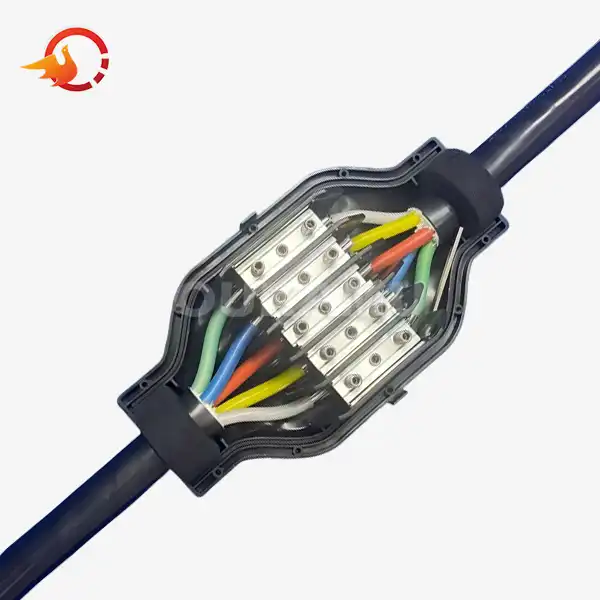
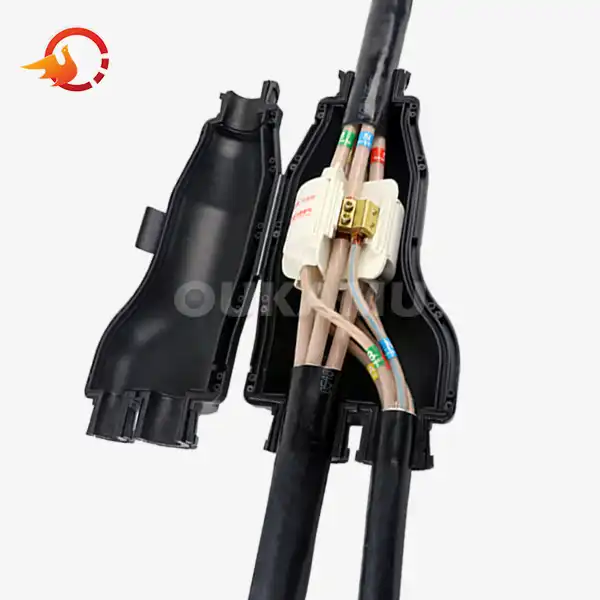
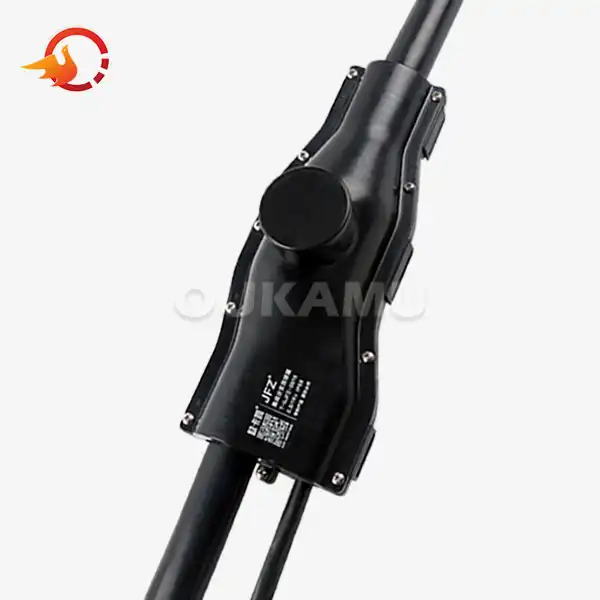
View:389It is necessary to know about tunnel junction box design guidelines and certifications when looking for electrical infrastructure for underground and tunnel systems. When electrical connections are made underground, where elements like moisture, dust, corrosion, and high temperatures can make the system less reliable, a Tunnel Junction Box protects the connections. To make sure they are safe to use, follow the rules, and last a long time, these special junction boxes have to get the right licenses and meet strict international safety standards. Purchasing managers in the US who are in charge of infrastructure projects know that choosing products that meet set design standards protects investments, lowers liability, and makes sure that new products work seamlessly with current electrical systems.

Understanding Tunnel Junction Box Design Standards
The technical standards that manufacturers must meet to produce safe, reliable products are established by design standards for Tunnel Junction Boxes used in underground applications. These standards are overseen by international regulatory bodies such as the International Electrotechnical Commission (IEC), European Norm (EN), and Underwriters Laboratories (UL). They set guidelines for structural integrity, electrical safety, and environmental resistance.
Core Technical Requirements for Underground Applications
Underground electrical enclosures must operate in conditions that surface-level systems rarely encounter. When Tunnel Junction Boxes have to withstand soil pressure, vibrations from traffic or machinery, and possible physical hits, structural stability is very important. The material of the enclosure, whether it's made of modern polymers or metal alloys, must not bend or deform and must keep its shape even when the temperature changes.
For tunnel applications, the electrical insulation needs are higher than those for homes. Products must keep current from leaking even when they are wet or condensation occurs, which can happen in underground places. Insulation resistance testing makes sure that enclosures keep conductive parts away from outside surfaces, which keeps people safe during installation and maintenance work.
Environmental Resistance and Protection Ratings
Environmental resistance includes many important safety factors for systems that are buried. Waterproofing stops water from getting in, which could damage electrical connections or lead to short circuits. Features that stop corrosion keep you safe from chemicals like soil compounds, road salts, and industrial contaminants. Explosion-proofing is needed for many tunnel projects in places where dangerous gases could build up. This calls for custom enclosure designs with flame-path technology.
The IP (Ingress Protection) grade method measures how resistant an enclosure is to solids and liquids. Products with an IP65 rating or higher have dust-tight covers and can handle water jets coming from any direction. These are important features for installing Tunnel Junction Box lighting in places where cleaning or flooding might happen. The National Electrical Manufacturers Association (NEMA) offers rating systems that work with each other and are widely used in North American markets. For example, NEMA 4X enclosures provide similar security while also being more resistant to corrosion.
Compliance Benefits for B2B Procurement
Following well-known design standards has real benefits all the way through the buying process. Interoperability with related infrastructure components is ensured by products that meet international standards. This makes installation easier and less problematic. Following the rules keeps everyone involved in the project from being sued and meets the requirements of the local code for underground electrical work. Insurance companies usually prefer setups that use approved parts, which could lower the costs of premiums for business projects.
Common Certifications for Tunnel Junction Boxes in Underground Use
Certifications turn vague standards into proof that goods meet safety and performance standards that can be checked. These validations by a third party give buying teams faith that Tunnel Junction Boxes will work reliably in tough situations.
Essential Certification Marks
When something has the CE mark, it means it meets the safety, health, and environmental protection rules set by the European Union. Products with the CE mark have been through conformity assessment processes that are important to their intended use. This shows that the manufacturer is committed to following the rules. CE approval lets products move across European lines without having to go through any extra tests. This is helpful for distributors who sell to customers in other countries.
When something gets UL Certification from Underwriters Laboratories, it has been carefully checked against North American safety guidelines. The UL mark on Tunnel Junction Boxes shows that models were put through a lot of tests to make sure they were safe for electricity, wouldn't catch fire, and would last in harsh environments. Project engineers and procurement officers know that UL lists are a good way to tell if a product is good, so they often include UL-certified parts in their project specs.
ATEX and IECEx certifications cover situations where electrical equipment might come into contact with dangerous gases or dust that can catch fire. For these specialized certificates, enclosure seals, temperature limits, and spark prevention devices must pass strict tests. To lower the risk of explosions, tunnel projects near factories or fuel storage areas often need equipment that is ATEX or IECEx approved.
Testing Protocols and Performance Validation
As part of the certification process, Tunnel Junction Boxes are put through a lot of tests that mimic real-life situations. For waterproofing tests, enclosures are submerged under pressure while they are watched for water to get in. Mechanical impact tests make sure that housings can withstand certain amounts of force without damaging the parts inside. Flame retardancy testing proves that materials don't catch fire and don't let fires spread, which are very important in tunnels where escape paths might be limited.
Temperature cycling tests put goods through very hot and very cold conditions to make sure that the materials stay strong and don't change size or shape across a wide range of temperatures. Electrical safety checks check the resistance to shielding, the strength of the dielectric, and how well the grounding works in both regular and fault situations. These strict processes give procurement teams real-world proof that a product can do more than what the maker says it can do.
Procurement Risk Reduction Through Certification
Choosing approved goods speeds up the due diligence process and lowers the risk in the supply chain. Documentation for certification gives standard performance data that lets you compare rival goods in an unbiased way. Regulatory officials can read certification marks, which speeds up the project approval process and lowers the time it takes to install. When problems happen with recognized goods, there are set ways for customers to file complaints and get their money back.
Design Standards vs. Real-World Application: Installation and Maintenance Guidelines
Understanding standards is only one part of good buying. How well products work over their entire service life depends on how well they are implemented.
Installation Best Practices for Underground Environments
Managing moisture is the first step in getting a site ready for work, since groundwater and condensation can damage electrical lines. Installing Tunnel Junction Boxes above the expected water level keeps them from submerging, and the right grade moves water away from where the enclosures are located. If you have to put something below grade, you need waterproof wire glands and blocked entry points. Mounting steps need to take material factors into account.
Attachment places like concrete walls and tunnels are safe, but installers should make sure that the fasteners go through solid material and not damaged parts. The metal hanging plate that comes with good Tunnel Junction Boxes makes installation easier and spreads the load across the back of the enclosure. When you place something correctly, the points where the cables enter should face downwards whenever possible. This lets condensation drain away instead of building up inside the enclosure.
Electrical Connections and Grounding Requirements
When electrical connections are made correctly in Tunnel Junction Boxes, hotspots, voltage drops, and connection failures are avoided. Pure copper grounding connections let fault currents flow through low-resistance paths, which is important for keeping people and equipment safe. Specifications for connection torque should match the sizes and shapes of the wires and terminals. Too much torque can damage the conductors, while not enough torque can cause connections to come away from thermal cycling.
For systems in tunnels, grounding must follow the National Electrical Code and take into account the conditions underground. Equipment grounding wires must stay connected throughout cable runs, and Tunnel Junction Boxes are very important for making connections in the grounding system. Testing the grounding resistance after installation makes sure that the safety systems will work right when there is a fault.
Maintenance Schedules and Inspection Protocols
Maintenance on Tunnel Junction Boxes on a regular basis expands their useful life and finds problems before they happen. Visual checks should be done every three months to look for signs of physical damage, rust, or water getting inside the enclosure. Once a year, internal tests make sure that the connections are tight and look for any signs of moisture buildup that could mean the seal is wearing down.
Documentation techniques help with following the rules and making guarantee claims. Inspecting times, results, and corrective steps should all be written down in maintenance logs. Photographs show how the quality of a work changes over time and how its state has changed. When problems with a product happen, thorough paperwork helps makers figure out what's wrong and quickly fix it.
Comparing Tunnel Junction Box Types Based on Design Standards
Electrical enclosures for underground applications are built in a lot of different ways and must meet various safety standards. By knowing these differences, you can make choices about Tunnel Junction Box procurement that are in line with the goals of the project and your budget.
Standard versus Specialized Junction Designs
Standard Tunnel Junction Boxes meet the basic safety standards for most electrical work, but they might not have the features needed in a tunnel. These economical enclosures typically have IP44 or IP54 ratings, which are fine for setups inside but not good enough for use underground, where water is likely to get in. Most of the time, cheap materials are chosen over long-lasting ones. For example, housings made of thin-gauge steel or basic plastic break or rust in harsh circumstances.
Designs made for tunnels have extra safety features that are needed because they are used in difficult conditions. Heavy-duty waterproof types are made of one piece injection molding, which gets rid of gaps where water could get in. Soil toxins and road deicing agents don't eat away at the materials. Gasket designs keep their tightness even when temperatures change, which keeps the seal's stability over a wide range of temperatures. These improved features cost more at first, but they last longer and require less upkeep.
Material Composition and Performance Characteristics
The choice of material has a big effect on how well a Tunnel Junction Box works and whether it meets licensing requirements. Stainless steel containers are very strong and don't rust, so they are perfect for installs that will be hit or exposed to harsh chemicals. Aluminum alloys are lighter but still strong enough for most uses. However, galvanic rusting can happen when they are mixed with metals that are not the same.
Advanced polymer blends are much lighter than metals and have better corrosion protection. Good plastics keep their shape even when the temperature changes a lot, and they don't break down when they're exposed to UV light. Impact-modified formulas take in pressure without cracking, which is important for placements near roads. Fire-retardant chemicals make sure that materials don't spread fire too quickly, which is what building rules require.
Selecting Products That Match Project Requirements
Selecting the right product means finding a mix between performance needs and price constraints. Environmental studies find risks that Tunnel Junction Boxes need to be able to handle, like different amounts of moisture, temperature, chemical exposure, and physical impact. Minimum qualification standards are set by regulations, which usually include UL listings or other similar approvals. When buying things, project deadlines matter because standard items ship fast while custom specs make wait times longer.
Future Trends and Innovations in Tunnel Junction Box Design Standards
As technology improves and worries about sustainability change how products are made, the electricity infrastructure business continues to change. If people who work in procurement know about new trends, they can help their companies gain from new ideas while still following new rules.
Harmonization of Global Standards
Efforts to harmonize electricity standards across areas are driven by international trade and building up infrastructure. Groups like the IEC are working to create uniform standards that will lower the cost of testing and make it easier to certify products for use in all places around the world. This standardization helps procurement teams by giving them more supplier choices and letting foreign makers bid against each other. As harmonization moves forward, IEC-certified goods become more acceptable in markets that used to need approvals specific to the area.
Smart Technology Integration
IoT-enabled Tunnel Junction Boxes are a big step forward in managing electricity infrastructure. Embedded sensors measure the amount of temperature, humidity, and shaking and send real-time information about the working circumstances. Connectivity lets assets spread out across tunnel networks be monitored from afar, warning repair teams of problems before they happen. Predictive maintenance programs look at sensor data to guess how long a part will last and figure out the best time to replace it.
When used on a big scale, smart Tunnel Junction Boxes make operations more efficient, which more than covers their higher cost. Higher purchase prices were balanced out by less work being done on inspections and less downtime. Monitoring systems gather data that is used to improve future designs and help engineers make the best use of electricity layouts in tunnels. These features are in line with smart city plans that use technology to make facilities work better and cut down on costs.
Sustainability and Material Innovation
Environmental worries affect product development as companies try to lower their carbon loads and make it easier to recycle products at the end of their useful lives. Bio-based plastics and recovered materials are used to build enclosures that don't lose any performance or certification compliance. Energy-efficient industrial methods keep quality standards high while lowering production pollution. Suppliers who include environmental product statements set themselves apart from buying teams that have to meet green standards.
Products that last longer help reach environmental goals by lowering the number of times they need to be replaced and the amount of waste they create. Better corrosion protection and seal technology make service intervals longer, which means that repair tasks have less of an effect on the environment. The circular economy is becoming more important in infrastructure planning, and modular designs that let you change parts instead of throwing away the whole enclosure support this.
Conclusion
To get Tunnel Junction Box design guidelines and certifications, you have to balance technical needs, following the rules, and practical concerns. International standards from groups like IEC, UL, and ATEX establish guidelines for making sure that goods work safely and reliably in harsh basement conditions. Certifications show that a maker follows strict testing procedures that check for waterproofing, electricity safety, and resistance to the elements. A good procurement process takes into account not only the original product specifications, but also how easy it is to install, how much upkeep is needed, and the total cost over the product's entire life. As technology improves, smart features and eco-friendly materials change the ways that electricity infrastructure can be used. However, the basic safety rules that keep people and property safe are still followed. When organizations work with experienced makers, they can get access to new options that are best for tunnel uses while still meeting established standards.
FAQ
What distinguishes tunnel junction boxes from standard electrical enclosures?
Tunnel-specific Tunnel Junction Boxes have extra environmental protection features that work with the conditions underground. Higher IP ratings mean that the enclosure is more resistant to water and dust than normal shelters. Materials don't rust when they are exposed to chemicals in the dirt and water. For confined areas, flame-retardant qualities meet stricter needs. Explosion-proof designs can work in tunnels where gases that can catch fire could build up. These unique features make sure that the system works reliably in harsh underground conditions where regular products would fail prematurely.
How do I verify that a junction box meets North American certification requirements?
Product approval marks are the best way to make sure something is real. Look for UL, CSA, or ETL lists on labels and other paperwork about the product. Ask sellers for proof of certification, such as test results and certificate numbers. You can check certifications in online databases that are kept up to date by certification groups. These databases also let you make sure that product descriptions are still correct. The project requirements should make it clear that only certified Tunnel Junction Boxes will work, and the contract terms should allow for proof before acceptance. Working with known wholesalers who know what the needs of the region are makes the verification process easier.
Can junction boxes be customized while maintaining certification compliance?
Reputable manufacturers offer customization choices for certified Tunnel Junction Box product families. Some examples of changes that can be made are wire entry arrangements, mounting arrangements, or component choices that don't affect the basic safety features of the enclosure. Certification standing isn't usually changed by custom color or marking. When there are big changes to the design, it needs to be recertified by testing labs. Discuss customization needs early in procurement to understand feasibility, timing effects, and possible cost impacts while ensuring finished goods maintain necessary certifications.
Partner with Oukamu for Certified Tunnel Electrical Solutions
For more than 20 years, Xi'an Oukamu Electric Co., Ltd. has been a leader in the development of new cable branch connectors. They have created solutions that solve the real problems that come up with building underground infrastructure. As a Tunnel Junction Box maker dedicated to quality and compliance, we use cutting-edge engineering and top-notch production to make goods that meet international standards like GB/T 14048.7-2016. Our combined method gets rid of the need to cut main wires and gives installers more options, which cuts down on waste and labor costs.
The ZR-JFZ line, specifically types like the ZR-JFZ-95/35, supports voltages of 0.6 kV to 1 kV common in tunnel lighting. The design is flame-retardant, fire-resistant, and waterproof (IP65+), featuring one-piece injection molding and pure copper grounding connections. Our method allows branches at any position without cutting the trunk line, saving 2-3 meters of main wire per connecting point. Whether you're a distributor, a project procurement officer, or an engineering contractor, our team can help with technical issues and offer low prices for all project scales. Get in touch with our experts at info@okmbranchcable.com or visit okmbranchcable.com to learn more about how our solutions enhance your project outcomes with proven reliability and comprehensive after-sales service.
References
1. International Electrotechnical Commission. "Low-Voltage Switchgear and Controlgear - Part 7: Ancillary Equipment - Terminal Blocks for Copper Conductors." IEC 60947-7-1:2009+AMD1:2021.
2. Underwriters Laboratories. "Standard for Safety Outlet Boxes and Fittings for Use in Hazardous (Classified) Locations." UL 886, Eighth Edition, 2019.
3. National Electrical Manufacturers Association. "Enclosures for Electrical Equipment (1000 Volts Maximum)." NEMA Standards Publication 250-2020.
4. European Committee for Electrotechnical Standardization. "Electrical Installations of Buildings - Part 5-52: Selection and Erection of Electrical Equipment - Wiring Systems." EN 50174-2:2018.
5. American Society for Testing and Materials. "Standard Test Method for Penetration Resistance of Hardened Concrete." ASTM C803/C803M-18, 2018.
6. Institute of Electrical and Electronics Engineers. "IEEE Recommended Practice for Electric Power Distribution for Industrial Plants." IEEE Std 141-1993 (R2018), IEEE Red Book, 2018.