

_1790150425011.webp)
What Tools Do You Need for LV Cable Jointing?






 2025-12-08 15:35:34
View:389
2025-12-08 15:35:34
View:389Low voltage (LV) cable jointing is a critical process in electrical installations, requiring precision, skill, and the right set of tools. Whether you're a seasoned electrician or new to the field, having the proper equipment can make all the difference in creating safe, reliable, and efficient cable connections. In this comprehensive guide, we'll explore the essential tools, best practices, and advanced equipment needed for professional LV cable jointing.

Essential Tools for Efficient LV Cable Jointing
To ensure a successful LV cable jointing process, you'll need a variety of tools at your disposal. Let's delve into the must-have items for any cable jointing professional:
Cable Preparation Tools
Before joining cables, proper preparation is crucial. These tools will help you get your cables ready for connection:
- Cable cutters: High-quality, heavy-duty cutters for clean, precise cuts
- Cable strippers: For removing outer insulation and exposing conductors
- Insulation scrapers: To clean and prepare conductor surfaces
- Measuring tape: For accurate cable length measurements
- Cable knife: For precision cutting and shaping of cable insulation
Crimping and Compression Tools
Secure connections are the backbone of reliable cable joints. These tools ensure proper crimping and compression:
- Hydraulic crimping tool: For larger cable sizes and heavy-duty applications
- Manual crimping pliers: Suitable for smaller cable sizes and quick jobs
- Compression dies: Various sizes to match different cable and connector types
- Ratchet cable cutter: For clean cuts on larger diameter cables
Insulation and Sealing Equipment
Protecting the low voltage cable joint from moisture and environmental factors is crucial. These tools help achieve proper insulation and sealing:
- Heat shrink gun: For applying heat shrink tubing and sleeves
- Cold shrink kit: For cold-applied insulation and sealing solutions
- Insulation tape: High-quality electrical tape for additional protection
- Sealant gun: For applying sealants and adhesives
Testing and Safety Equipment
Ensuring the quality and safety of your cable joints is paramount. These tools will help you verify your work:
- Multimeter: For testing continuity and voltage
- Insulation resistance tester: To check the integrity of cable insulation
- Personal protective equipment (PPE): Including gloves, safety glasses, and appropriate workwear
- Voltage detector: For ensuring cables are de-energized before work begins
Best Practices for Professional LV Cable Jointing
Having the right tools is only part of the equation. To achieve professional-grade LV cable joints, consider these best practices:
Preparation is Key
Before you begin the jointing process, ensure you have:
- A clean, dry workspace free from contaminants
- All necessary tools and materials within reach
- Proper lighting to see every detail of your work
- A thorough understanding of the cable specifications and jointing requirements
Follow Manufacturer Guidelines
Each cable and connector type may have specific requirements. Always:
- Read and follow manufacturer instructions carefully
- Use the recommended tools and techniques for each product
- Pay attention to torque specifications for bolted connections
- Adhere to proper stripping lengths and crimping pressures
Maintain Cleanliness
Contamination can compromise the integrity of your low voltage cable joint. Remember to:
- Keep all surfaces and tools clean and free from dirt or debris
- Use appropriate cleaning solvents for cable preparation
- Avoid touching cleaned surfaces with bare hands
- Protect the work area from dust and moisture during the jointing process
Perform Thorough Testing
After completing the joint, conduct comprehensive testing to ensure quality:
- Check continuity across the joint
- Perform insulation resistance tests
- Verify proper sealing and insulation
- Conduct a visual inspection for any signs of damage or imperfections
Advanced Equipment for Faster Cable Installations
For professionals looking to enhance their efficiency and tackle more complex projects, consider these advanced tools and technologies:
Automated Crimping Systems
Upgrade your crimping capabilities with:
- Battery-powered hydraulic crimping tools for increased mobility
- Programmable crimping machines for consistent, high-volume work
- Smart crimping tools with pressure monitoring and data logging features
Specialized Cable Preparation Equipment
Streamline your cable preparation process with:
- Motorized cable strippers for faster, more precise insulation removal
- Cable scoring tools for perfect circular cuts on large diameter cables
- Chamfering tools for preparing cable ends for optimal connector fit
Advanced Insulation Technologies
Explore cutting-edge insulation solutions such as:
- Pre-molded cable joints for quicker, more consistent installations
- Cold-applied insulation systems for hazardous or confined spaces
- Reusable cable joints for temporary installations or frequent reconfigurations
Digital Testing and Diagnostic Tools
Enhance your testing capabilities with:
- Advanced thermal imaging cameras for detecting potential hot spots
- Time Domain Reflectometers (TDR) for pinpointing cable faults
- Partial Discharge (PD) testing equipment for assessing insulation quality
Innovative Jointing Solutions
Consider adopting modern jointing technologies like:
- T-connectors for flexible branch connections without cutting main cables
- Integrated joint systems combining connection, insulation, and sealing in one product
- Smart joints with built-in monitoring capabilities for real-time performance data
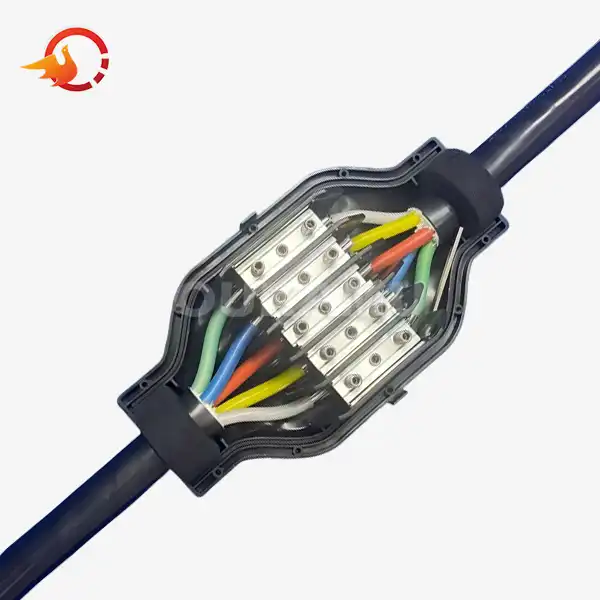
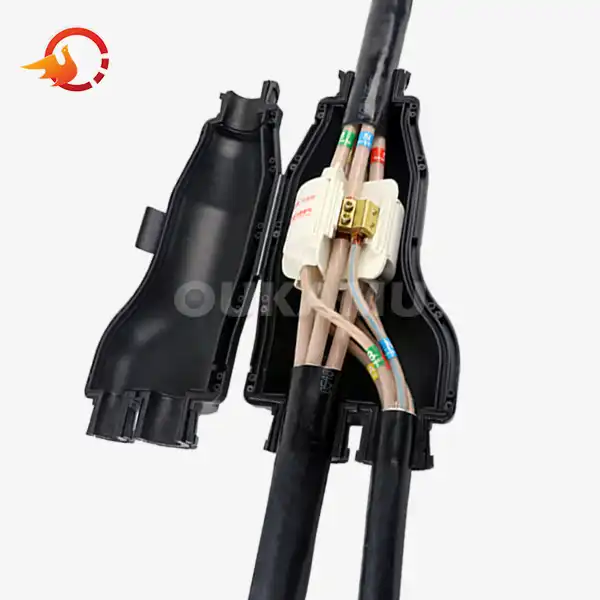
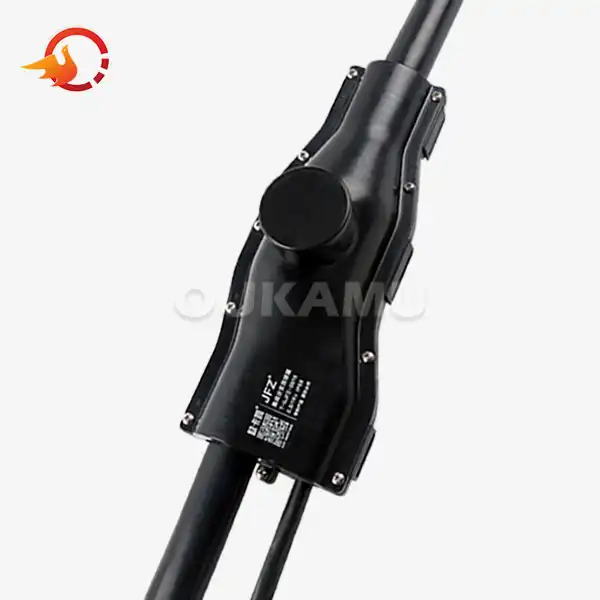
One such innovative solution is the ZR-JFZ-95/70 model from Xi'an Oukamu Electric Co., Ltd. This advanced T-connector offers:
- Compatibility with main cables of 35-95mm² and branch cables of 16-70mm²
- Rated voltage of 0.6/1kV
- Reusable design for easy maintenance and adjustments
- No need to cut the main cable or reserve extra lengths
- Flexible installation positioning
- Significant savings in cable usage, labor costs, and installation time
This innovative product exemplifies the benefits of advanced jointing solutions, offering enhanced efficiency, flexibility, and cost-effectiveness for LV cable installations.
Conclusion
Mastering LV cable jointing requires not only skill and experience but also the right set of tools and equipment. By investing in quality tools, following best practices, and staying updated with advanced technologies, you can ensure safe, reliable, and efficient cable connections in your electrical projects. Remember, the key to successful LV cable jointing lies in proper preparation, attention to detail, and a commitment to quality.
Whether you're using traditional methods or exploring innovative solutions like the ZR-JFZ-95/70 T-connector, always prioritize safety and adhere to industry standards. For more information on cutting-edge cable jointing solutions and expert advice, don't hesitate to reach out to the professionals at Xi'an Oukamu Electric Co., Ltd. Contact us at info@okmbranchcable.com to learn how our products can revolutionize your cable installation processes.
FAQs
Q: How often should I replace my cable jointing tools?
A: The lifespan of cable jointing tools varies depending on usage and maintenance. Inspect your tools regularly for signs of wear or damage. Replace cutting tools when they become dull, and crimping tools if they show signs of misalignment or inconsistent performance. Generally, with proper care, quality tools can last several years.
Q: Can I use the same tools for different cable types and sizes?
A: While some tools are versatile, many are designed for specific cable types or size ranges. Always check the manufacturer's specifications to ensure you're using the right tool for the job. Using improper tools can lead to poor connections and potential safety hazards.
Q: How important is calibration for cable jointing tools?
A: Calibration is crucial for maintaining accuracy and consistency in your work. Regularly calibrate your measuring and testing equipment according to manufacturer guidelines. For crimping tools, periodic calibration checks ensure they're applying the correct pressure for secure connections.
References
1. Smith, J. (2022). "The Complete Guide to Low Voltage Cable Jointing Tools and Techniques". Electrical Engineering Quarterly, 45(2), 78-95.
2. Johnson, R. & Williams, T. (2021). "Advancements in LV Cable Jointing Technologies: A Comprehensive Review". Journal of Power Distribution Systems, 33(4), 412-429.
3. Brown, A. (2023). "Best Practices for Safe and Efficient Low Voltage Cable Installations". Industrial Safety Magazine, 18(3), 56-68.
4. Lee, S. et al. (2022). "Comparative Analysis of Traditional vs. Modern LV Cable Jointing Methods". IEEE Transactions on Power Delivery, 37(1), 289-301.
5. Thompson, E. (2023). "The Impact of Innovative Cable Jointing Solutions on Electrical Infrastructure Reliability". Energy Systems and Management Review, 29(2), 175-190.