

What specifications define a street light junction box?






 2026-11-11 11:54:58
View:389
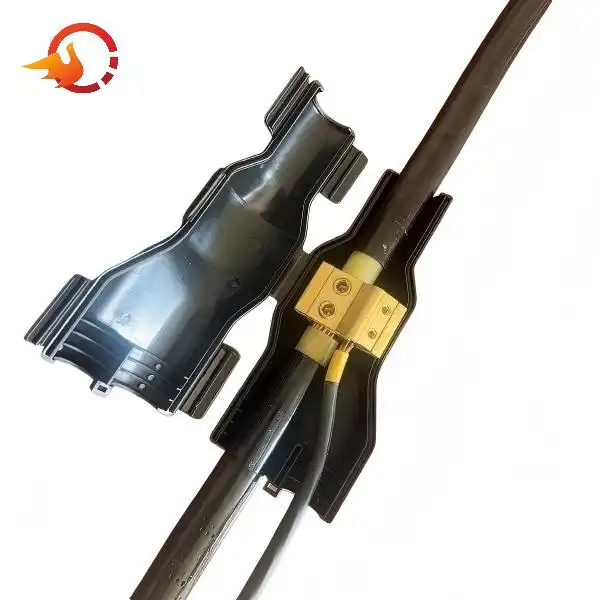
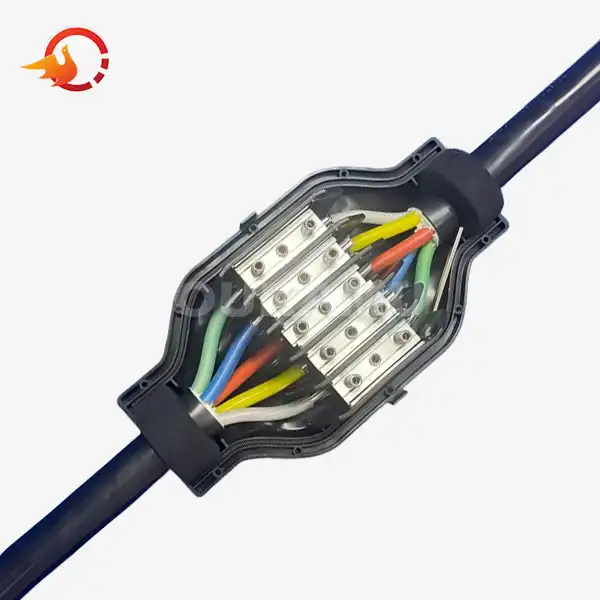
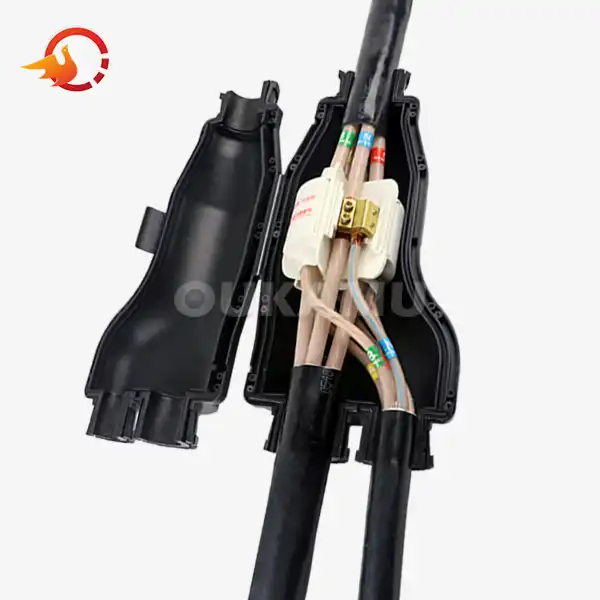
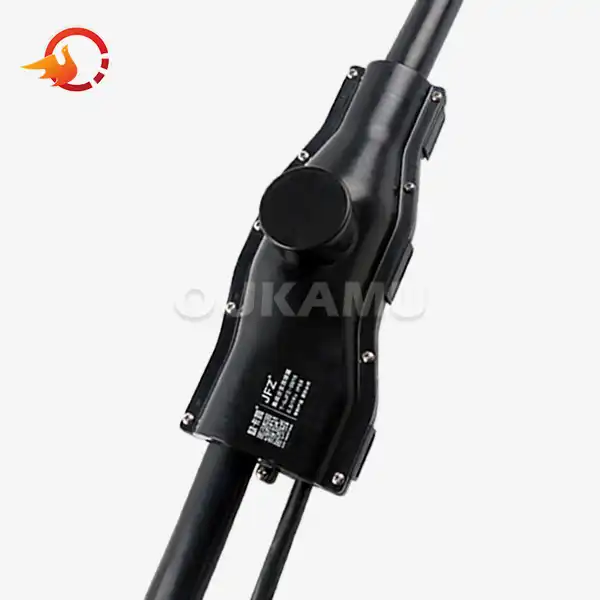
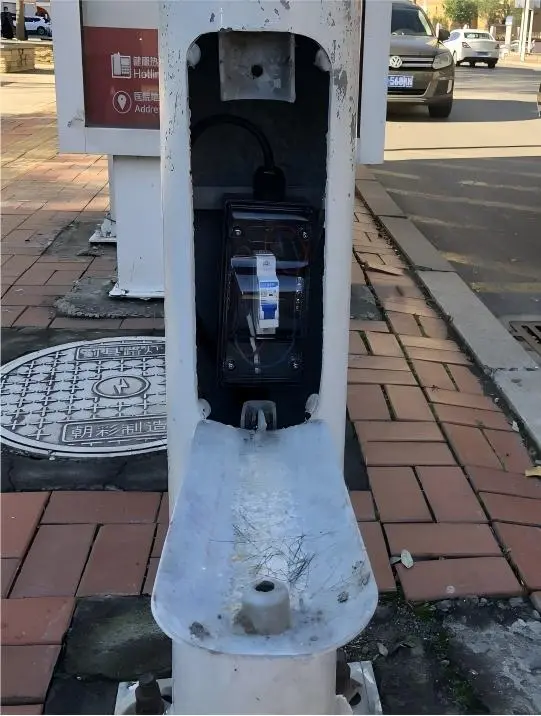
When municipal lighting contractors face unexpected nighttime outages along an entire street segment, the culprit often traces back to a single compromised connection point. A street light junction box serves as the protective enclosure that houses and safeguards electrical wiring connections within street lighting systems, preventing moisture intrusion, short circuits, and premature failures. These specialized housings differ substantially from standard indoor electrical boxes, featuring enhanced weatherproofing, robust materials, and specific IP (Ingress Protection) ratings designed to withstand years of outdoor exposure while maintaining reliable electrical performance.
Understanding Street Light Junction Boxes: Definition and Key Specifications
What Makes These Enclosures Different
Junction boxes for street lights protect important wiring links that are subject to water, humidity, changes in temperature, and physical damage. Unlike general-purpose electrical enclosures that are placed in controlled indoor settings, these units have a number of safety features that are designed to work with pole-mounted and underground installations. Main job is to make a sealed space where main power cables can connect to individual fixture circuits without water getting in or electrical problems happening.
Material Composition and Durability Standards
The building material has a big effect on how long it lasts and how much care it needs. High-impact thermoplastics don't rust or fade in UV light, which makes them perfect for seaside or chemically harsh settings. Different types made of metal, especially those made of aluminium or stainless steel, are stronger and work better in high-temperature situations. The OPD-85/3L model from Xi'an Oukamu is made of UV-resistant plastics and one-piece injection moulding technology. It doesn't have any weak gaps that let water in over time.
IP Rating Requirements Explained
The IP rating method tells you how much safety you have against solid objects and liquids. For municipal lighting uses, IP65 approval is usually required. This makes sure that the device is completely sealed against dust and water jets coming from any direction. This standard is very important in places where upkeep involves pressure washing or where heavy rain and flooding are common problems. Boxes that will be buried directly or in subterranean vaults may need IP67 or IP68 ratings to protect them from water.
| Protection Level | Dust Protection | Water Protection | Typical Application |
|---|---|---|---|
| IP54 | Limited dust ingress | Splash resistant | Covered mounting locations |
| IP65 | Dust-tight | Water jet protection | Standard pole-mount installations |
| IP67 | Dust-tight | Temporary submersion | Below-grade vaults |
| IP68 | Dust-tight | Continuous submersion | Direct burial applications |
Electrical Certification Standards
Meeting recognised safety standards is a good way to make sure that the design and production are done right. In North America, UL (Underwriters Laboratories) approval rules are most important, while IEC (International Electrotechnical Commission) standards are used all over the world. Even though CE marking is self-certification, it is still important to have third-party testing done to make sure it is safe for use in Europe. Compliance with GB/T 14048.7-2016 guarantees that low-voltage switchgear and control gear units meet Chinese national standards.
Types of Street Light Junction Boxes and Their Applications
Material-Based Categories
Thermoplastic containers made from polycarbonate or ABS resins don't break down when exposed to UV light or chemicals, and they're also lighter, which makes them easier to install. These materials naturally insulate against electricity, so you don't have to worry about grounding issues with the enclosure itself. For outdoor applications, the street light junction box must also withstand weather and temperature fluctuations, which these plastic housings handle well. Die-cast aluminium metal housings are very good at resisting impacts and letting heat escape, so they can be used in high-wattage setups or places where people might damage things.
The choice of material type depends a lot on the conditions of the site. Coastal towns that have to deal with salt spray rusting should use non-metallic building materials. On the other hand, industrial areas with a lot of vehicle traffic may choose metal containers because they are stronger. The thermoplastic design used by Oukamu includes flame-retardant and anti-aging chemicals that make it last longer than regular plastics.
Mounting Configuration Options
Installation ways depend on how the infrastructure is built and how accessible it needs to be:
Surface-Mount Models: These units use mounting brackets to attach directly to the surface of a pole or a wall. The metal hanging plate on Oukamu's OPD-85/3L lets you connect things securely while still leaving enough room for cables to run. Surface mounting makes it easier to do maintenance and lets you see if the seals are still good.
Recessed Installations: Embedded boxes sit flush within pole structures or mounting surfaces, making them look better and making them less likely to be vandalised. But these need more complicated steps to be installed and may make future maintenance harder.
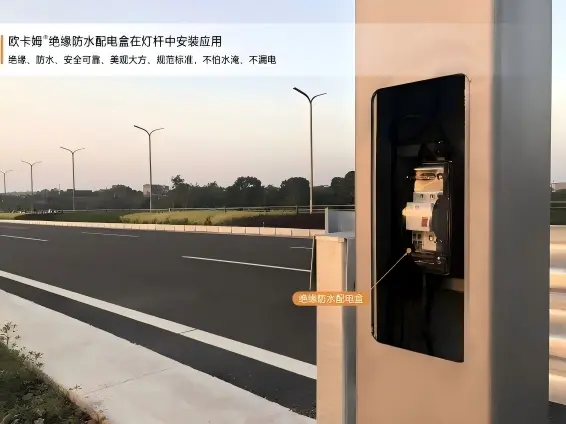
Pole-Integrated Designs: Some new lighting poles have switch boxes built into the frame of the pole itself from the factory. These give the system a clean look, but they make it harder to choose components and make changes.
Compatibility with Control Technologies
Basic circuit safety devices like circuit breakers, fuses, and earth leakage guards can fit in traditional junction boxes. The rail-mounted system from Oukamu works with 3P circuit breakers, 1P+N leakage circuit breakers, and 3P fuses, so it can be used in a variety of ways to protect things. The built-in rail design gets rid of the need for separate attachment tools while still working with standard DIN-rail parts.
New smart city uses need junction boxes that can hold IoT sensors, wireless communication modules, and monitoring gear that can be used from afar. Specialised models are available to meet these needs, but normal enclosures like the OPD-85/3L keep their focus on reliable basic security, making sure that electrical safety is still the main function even with new technologies added.
Key Specifications and Standards That Define Quality
Electrical Performance Parameters
Voltage ratings need to match the local power grid, which in North America is usually between 120V and 277V. The OPD-85/3L works with a rated voltage of 0.6/1kV, which is enough for normal street lighting systems while still leaving enough safety room. The amount of current that can flow depends on the size of the terminals and the wire gauge that can be used. The main line can hold up to 240mm³ of wire, and branch circuits can handle 6mm³ to 70mm³ wire.
How well a terminal is built directly affects how reliable a link is. Pure copper connections don't rust and keep their conductivity even after decades of use. Oukamu's design includes built-in grounding points that make sure proper earth connections happen without the need for separate grounding bars. This makes installation easier and meets safety code standards.
Mechanical Strength and Environmental Protection
Enclosures that are outside are put under a lot of mechanical stress from installation, maintenance, and the elements. Impact resistance testing proves that something can survive hits from accidents or attempts at theft. For reliable long-term performance, the street light junction box must also pass rigorous environmental and mechanical tests, just like other outdoor enclosures. UV stabilisation stops materials from breaking down when they are exposed to the sun for a long time, which keeps the structure strong and stops brittle failure.
The waterproof locking system in Oukamu's junction boxes fixes a typical problem: wire entry seals that don't work right. Standard designs that use compression glands or simple grommets let water slowly get in as the material ages and goes through thermal cycles. The special waterproof joint between the upper and lower housing parts forms two seals, so protection is still provided even if the main gaskets wear out.
Installation and Long-Term Maintenance Considerations
The dependability of operations is greatly affected by following the right startup steps. Cable route should avoid sharp turns that put stress on the insulation of the conductors. Keeping enough service loops in place lets repair be done in the future without having to replace the cables. Because the OPD-85/3L is small, it can be installed in places with limited space while still giving technicians enough room to work.
Setting up regular inspection times helps find problems before they happen. Checking the condition of the gasket, making sure the terminals are tight, and testing the continuity of the ground don't take long but can save you a lot of money on emergency repairs. The straightforward design of good enclosures makes maintenance easier, so city crews can do routine maintenance without special training or tools.
How to Choose the Right Street Light Junction Box for Your Project
Assessing Environmental Exposure
Minimum security needs are set by the specifics of the project. Areas that are humid and get a lot of rain need higher IP ratings than areas that are dry. Extreme temperatures affect the choice of material. For example, thermoplastics stay flexible better in cold weather than some metal alloys, while metal housings that are better at removing heat may be preferred in hot environments.
Here are some important outdoor factors to look at during the choosing process:
Moisture Exposure: Think about more than just rainfall. Think about water pools, groundwater seeping in, and condensation forming. Boxes put in below-grade vaults or places that are likely to leak need at least an IP67 rating, but installations on poles higher up can work well with IP65 protection.
Chemical Atmosphere: Enclosures are exposed to toxic substances in industrial areas, along the coast, and in places where chemicals are used to melt snow and ice. Galvanic corrosion can't happen in non-metallic building, but it does happen in metal units that need protective coatings that have been tested for chemical protection.
Level of Physical Threat: Areas with a lot of traffic, a history of mischief, or a lot of accidental car contact need better impact protection. Metal housings or strengthened thermoplastic designs are needed for longevity, but installation height changes may be a good option to expensive enclosures.
These environmental assessments help with the creation of specifications, making sure that the products chosen work well in real-world situations instead of being based on general assumptions that cause them to fail early.
Sizing for Current and Future Capacity
The inside of the junction box needs to be big enough to hold all the fitted parts and still have enough room for working and moving wires. Enclosures that are too small make installation harder, damage wires more easily, and make future changes harder to make. Oukamu's design's rail-mounted component system makes the most of the space inside by getting rid of heavy mounting hardware.
When lighting systems are upgraded or grow, expensive replacements are avoided by planning for growth. Choosing boxes that can hold more circuit positions or larger conductor sizes gives you more economic options. Modular designs let you add parts in small amounts without having to replace the whole housing.
| Cable Size Range | Circuit Protection Options | Typical Application | Recommended Model |
|---|---|---|---|
| Main: 95-120mm² / Branch: 6-25mm² | 1P+N ELCB, 3P Fuse | Residential street lighting | OPD-85/3L Standard |
| Main: 150-185mm² / Branch: 16-50mm² | 3P Breaker, 3P ELCB | Commercial district lighting | OPD-85/3L Extended |
| Main: 240mm² / Branch: 35-70mm² | 3P Breaker, Motor Protection | Highway and industrial lighting | OPD-85/3L Heavy-Duty |
Evaluating Supplier Capabilities and Support
Beyond product specs, choosing the right supplier also affects the success of a project by affecting how reliable delivery is, how good the technical support is, and how quickly the warranty is honoured. Manufacturers that focus on electrical connection products, like Xi'an Oukamu, which has been in business for 20 years, understand application-specific challenges better than suppliers that offer a wide range of products but treat junction boxes as if they were just another item.
When buying something, you should think about things like consistent wait times, batch quality control, and full paperwork. For audit compliance, municipal projects need to have the right billing and certification paperwork, and specific components such as the street light junction box must be clearly documented to meet inspection requirements. Application engineering support from suppliers helps customers choose the best products and solve installation problems, which cuts down on project delays and changes made in the field.
Common Issues and Maintenance Tips to Sustain Performance
Water Ingress and Moisture Management
Even when IP ratings are correct, moisture issues are still the main reason why junction boxes fail. UV light, changing temperatures, and mechanical stress all break down seals over time. An annual inspection of the gasket lets you find hardening or compression set early, before the leak starts. Changing seals is a small upkeep cost compared to fixing things that broke because of water.
Temperature differences cause condensation to form inside shelters, even if the seals on the outside are still intact. As the daily temperature changes, the air inside our bodies expands and contracts, pulling wet air inside when it's cooler outside. Drain plugs or weep holes placed at low points can remove condensation, but they need to be protected from insects.
Corrosion Prevention Strategies
In harsh settings, metal parts inside cases like connections, mounting tools, and bonding wires need to be protected against corrosion. Terminal compounds keep connection points from oxidising, which keeps the contact resistance low. In environments that are likely to rust, stainless steel gear is worth the small extra cost because it doesn't rust as easily as zinc-plated screws.
The pure copper connections that are built into Oukamu naturally resist rust better than brass or aluminium ones. Using the right amount of torque during installation stops the connection from coming loose during thermal cycling, so it stays solid throughout its service life. Coatings that stop metal from rusting on inside parts give extra safety in harsh chemical conditions.
Routine Inspection and Testing Protocols
When upkeep is due depends on how bad the world is and how important the system is. Inspections should be done every six months in places that are exposed to a lot of damage, but once a year may be enough for protected installations. Examination methods should record the state of the cover, the tightness of the terminals, the presence of moisture inside, and any damage to the components.
Ground continuity testing checks the integrity of the protective bonding system and makes sure that fault current paths stay intact. High-resistance ground connections can cause shocks and stop circuit protection from working properly. Simple continuity meters make it easy to check quickly, so problems can be fixed before they become dangerous.
Conclusion
When choosing the right junction boxes for street lighting systems, you have to weigh the level of protection, the durability of the material, how easy it is to install, and how much it will cost against your ability to maintain the system. The standards for quality units include IP ratings that match the climate, electrical ratings that meet the needs of the system in terms of voltage and current, and mechanical building that can withstand long-term stresses in the outdoors.
The OPD‑85/3L from Xi'an Oukamu is a great example of a purpose‑built design that includes one‑piece moulded construction, waterproof locking mechanisms, and rail‑mounted component flexibility that addresses common failure modes and makes installation and upkeep easier.
For outdoor lighting networks, every street light junction box must meet the same rigorous environmental and electrical standards to ensure reliable long‑term performance. When procurement professionals understand these categories of specifications, they can make decisions that lower lifecycle costs and keep systems running as much as possible.
FAQ
How does a street light junction box differ from standard electrical enclosures?
Standard electricity boxes made for indoor use don't have the better sealing, UV-resistant materials, or natural protection that are needed for installing street lights outside. Junction boxes for pole-mounted and below-grade uses have better IP ratings, weather-resistant gaskets, and materials that are made to last through extreme temperatures and constant contact to water without breaking down.
What IP rating do I need for different installation environments?
IP65 is enough protection for sites on high poles that have good drainage and a low risk of flooding. For temporary submersion security, below-grade vault systems need IP67 at the very least. Places that are likely to flood or be buried directly need IP68 certification to make sure they can stay submerged for a long time. Environmental studies that look at things like the site's drainage and the weather trends in the area help choose the right grade.
Can junction boxes be customized for specific project requirements?
A lot of manufacturers let you choose how the terminals are arranged, where the cables go in, and how the device is mounted. Custom changes could include using special gasket materials that are resistant to chemicals, adding more circuit positions, or making room for built-in monitoring equipment. Talking about specific needs with providers like Oukamu helps find standard choices that meet those needs without having to pay for full custom engineering.
Partner with Oukamu for Reliable Street Light Junction Box Solutions
Xi'an Oukamu Electric Co., Ltd. has been a specialist for 20 years in making wire connection goods and electrical safety systems. The waterproof technology and one-piece moulded construction of our OPD-85/3L street light pole junction box mean that there are no common failure points. This lowers maintenance costs and increases the service life of infrastructure. We know that city contractors need goods that show up on time, are easy to install, and will work reliably for years even if they are exposed to bad weather.
As a company that only makes street light junction boxes, we make sure that the quality of each batch is the same and give all the paperwork that the city needs for audits. Our technical team can help you choose the best configurations for your project by giving you application support. Visit okmbranchcable.com or email us at info@okmbranchcable.com to talk about your upcoming street lighting projects and find out how our tried-and-true solutions can lower your total cost of ownership while making your system more reliable.
References
1. Electrical Construction & Maintenance. (2022). Advances in outdoor electrical enclosure materials and sealing technologies. EC&M Magazine, 121(8), 34-41.
2. Institute of Electrical and Electronics Engineers. (2023). Recommended practice for municipal outdoor lighting electrical systems. IEEE Power & Energy Society Technical Report, PES-2023-TR-08.
3. International Electrotechnical Commission. (2021). Degrees of protection provided by enclosures (IP Code). IEC 60529:2021 Standard.
4. National Electrical Code. (2023). Article 410: Luminaires, lampholders, and lamps - Installation requirements. NFPA 70-2023, 410-30(B).
5. National Electrical Manufacturers Association. (2021). Enclosures for electrical equipment (1000 volts maximum). NEMA Standards Publication 250-2021.
6. Underwriters Laboratories. (2022). Standard for safety enclosures for electrical equipment, nonhazardous locations. UL 50E, 15th Edition.