

_1790150425011.webp)
What safety certifications should tunnel integrated branch connectors have?






 2026-08-14 17:56:02
View:389
2026-08-14 17:56:02
View:389When sourcing electrical connection solutions for underground infrastructure, safety certifications represent the difference between reliable operations and catastrophic failure. Tunnel Integrated Branch Connectors must comply with rigorous international standards including GB/T 14048.7-2016, ISO 9001, CE marking, and UL certifications to ensure they withstand moisture, fire risk, mechanical stress, and corrosive environments inherent to tunnel applications. These certifications validate that connectors meet stringent requirements for flame retardancy, fire resistance, insulation integrity, and long-term durability—essential factors for protecting both personnel and infrastructure in demanding underground conditions.

Understanding Tunnel Integrated Branch Connectors and Their Safety Needs
For underground building projects to work, the electrical connections must be able to work effectively in harsh circumstances. Tunnel Integrated Branch Connectors are important junction points where power is sent to ventilation systems, emergency lighting, monitoring equipment, and communication networks all over the tunnel network.
Why Tunnel Applications Demand Specialized Connectors
Normal electrical connections can't handle the unique problems that come up in tunnel settings. Conditions with high humidity, changing temperatures, the chance of water getting in, and not enough air flow make it easy for low-quality goods to break quickly. It's harder to do maintenance on installations that are buried, so the quality of the product from the start is very important to avoid costly downtime and safety risks.
Using branch connectors that aren't certified or meet standards can cause more problems than just broken equipment. Electrical problems in tunnels can start fires that quickly spread through small areas, weaken structures, or turn off life-safety systems when they're most needed. This is the reason why procurement managers and project engineers choose approved goods over others, even if they cost more at first.
Core Safety Requirements for Tunnel Branch Connections
Effective tunnel branch connectors must protect in more than one way at the same time. Products need strong protection systems that stay in place even after being exposed to water and wear and tear. Flame-retardant qualities stop sources of burning from starting bigger fires. Fire-resistant designs make sure that operations can continue in a disaster, keeping contact and evacuation lights working.
Aside from fire safety, mechanical durability also guards against vibrations from traffic, buildings that settle, and stress during installation. Corrosion resistance makes things last longer in places where chemicals in groundwater or building materials break things down quickly. Insulation against water stops short circuits and current leaks that are bad for safety and efficiency.
Key Safety Certifications for Tunnel Integrated Branch Connectors
In order to find your way around the certification world, you need to know which standards apply to your project and where you live. International standards provide a basic level of safety guarantee, while regional licenses take into account local laws and natural circumstances. Tunnel Integrated Branch Connectors must be evaluated against these frameworks to ensure compliance.
International Standards and Their Significance
Why international standards are important: The Chinese national standard for low-voltage switchgear and control gear systems, along with their link parts, is GB/T 14048.7-2016. This standard tests electrical performance, mechanical strength, temperature rise limits, and the ability to withstand short-circuits very carefully. Products that meet GB/T 14048.7-2016 show that they have been tested thoroughly using methods that mimic real-life working stresses.
Getting ISO 9001 certification proves that a company has quality management systems that keep production standards consistent. Even though it's not specific to a product, ISO 9001 approval means that quality control is carried out systematically throughout the entire production process, from choosing the raw materials to the final review. This lowers the number of variations and errors.
The CE mark means that the product meets the safety, health, and environmental protection standards of the European Union. Products with the CE mark have been checked against the relevant EU directives, which lets them be sold in all EU member states. Electromagnetic compatibility, electricity safety, and limits on dangerous materials are all part of the CE structure.
Regional Certifications and Compliance Frameworks
UL certification from Underwriters Laboratories is a well-known sign of safety in North America. In order to meet UL standards, products must pass strict tests that check for fire safety, electrical insulation, mechanical integrity, and durability in harsh environments. UL-listed parts are needed for a lot of U.S. infrastructure projects, so this certification is important for getting into the market.
European norms, such as EN 12101, talk about fire and smoke control devices in tunnels in great detail. These standards set performance requirements for equipment that needs to keep working during fire situations to protect escape paths and help with fighting the fire.
Buying goods that meet more than one approval standard gives purchasing teams more options for different projects and areas. Companies like Oukamu, which has been specialising in branch cable joint technology for 20 years, look for a wide range of certifications to make sure their products meet all the different rules that apply to them without lowering the safety or performance of their products.
Evaluating Safety Certifications: What Procurement Managers and Engineers Should Look For
To choose approved goods, you need to do more than just check that the certificates are real. Professionals in procurement have to check that the Tunnel Integrated Branch Connector license is real, look at what it covers, and think about how to keep it up to date.
Verification Steps for Certification Authenticity
Real certifications come from testing organisations that are approved and known to be experts in their fields. Purchasing teams should ask for full certification paperwork, such as test results, scope statements, and information on how long the certification is good for. Suppliers with a good reputation make this information easy to find by putting certificates right on product pages or technical data sheets.
Comparing certification numbers to databases of issuing bodies proves that the certificates are real and up to date. A lot of certification bodies have online verification portals that procurement managers can use to check the details of certificates on their own. This step keeps you safe from dishonest suppliers who might show you fake certificates or credentials that have expired.
Assessing Certification Scope and Applicability
Certifications are only valid for certain product setups, voltage levels, and usage situations. It's not automatic that a certificate for links rated for 0.6/1kV operation also covers higher voltage uses. Certifications may also list wire size ranges, temperature limits, or ways to connect the product.
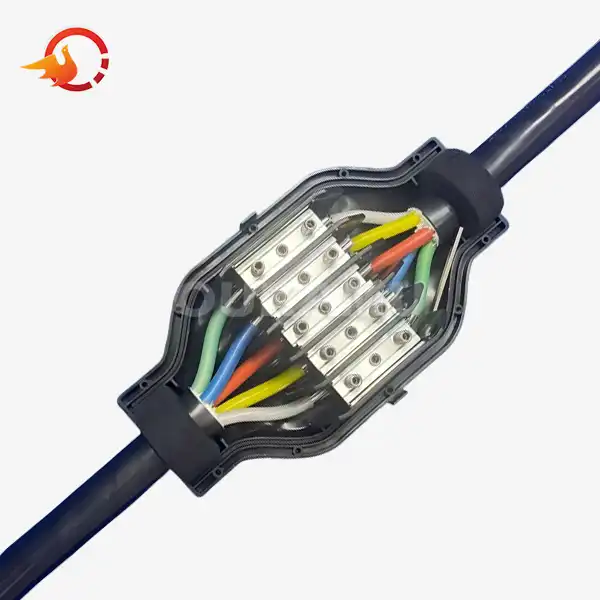
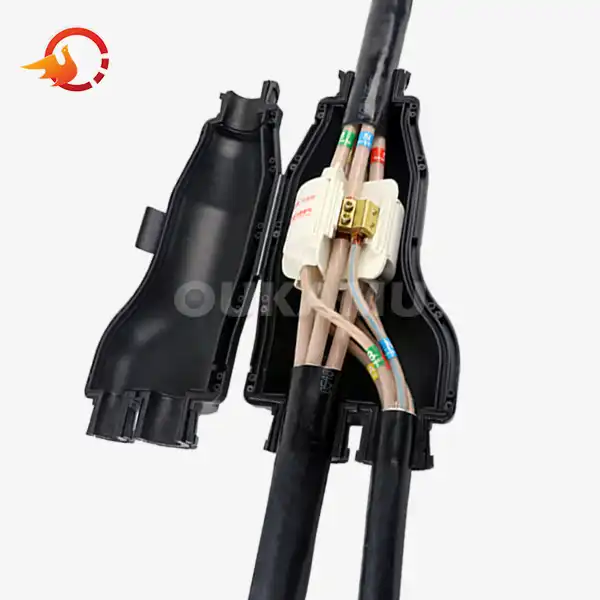
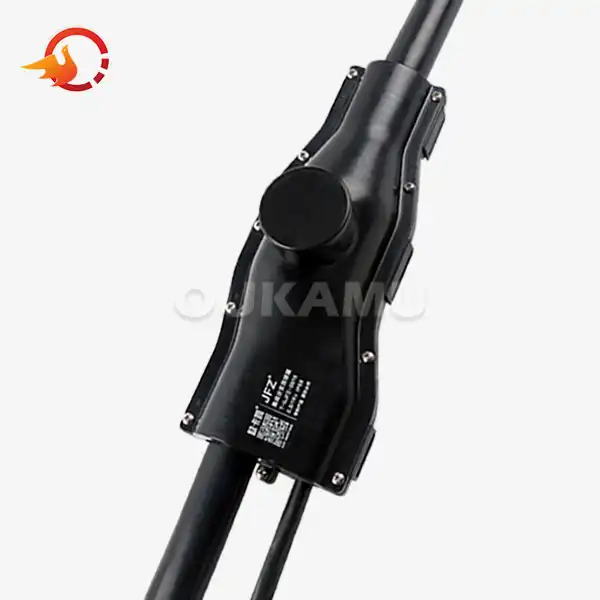
The requirements for buying something should exactly match the factors for a recognised product. The ZR-JFZ-35/16 model, which is made for main cables 10–35mm and branch cables 2.5–16mm at 0.6/1kV maximum voltage, shows how standards work with clear technical limits. When you use products outside of their certified parameters, you lose the safety guarantees and put yourself at risk of being sued.
Comparing Certified Versus Non-Certified Products
Because of rising costs, project teams are sometimes tempted to use non-certified alternatives that promise the same level of performance at a lower cost. This method comes with big risks that buying managers with a lot of experience know about and avoid. When safety claims about non-certified products aren't checked by a third party, the buyer and end user take on all the risk.
| Evaluation Factor | Certified Connectors | Non-Certified Products |
|---|---|---|
| Safety Validation | Independent testing confirms performance | Unverified manufacturer claims |
| Liability Protection | Certification shows that you did your research. | Increased liability exposure |
| Insurance Implications | Could lower premiums and help with claims | Possible omissions from coverage |
| Long-term Reliability | Performance standards that are written down | Failure rates are unknown |
| Regulatory Compliance | Meets the needs of the code | Could break building codes |
In addition to being safer, certified products help meet the needs of project insurance and regulatory approvals. When building inspectors and project engineers define parts that don't meet standards, they can be held professionally responsible. This puts their own careers at risk and puts the project at risk as well.
How to Ensure Safety Certification Compliance When Procuring Tunnel Integrated Branch Connectors
Setting up systematic buying procedures keeps projects from falling behind on regulations and speeds up the processes of evaluating vendors and choosing products. Procuring a certified Tunnel Integrated Branch Connector ensures the integrity of the entire electrical system.
Supplier Qualification and Documentation Requirements
Suppliers who are qualified keep their certifications up to date and are happy to provide full technical documentation. Ask for full product data sheets that list all certificates, test results, and performance factors that apply. Check to see if suppliers really know what they're doing by looking at their technical help and application advice.
Manufacturers that focus on tunnel branch connector technology are more likely to have better product understanding and application help than general electrical sellers. Over the past 20 years, Oukamu has focused on developing new branch cable joints. This shows how specialised they are, which is good for complicated projects that need custom solutions or technical debugging.
Maintaining Certification Integrity Across Custom Orders
For many tunnel projects, special connector arrangements are needed to deal with different cable sizes, installation limitations, or environmental conditions. Custom specs must stay in line with certification requirements, which means that buying teams and makers need to work together very carefully.
Reliable makers keep track of how customisations affect certifications and ask for more testing when changes go beyond what is allowed by the certification. This proactive method stops gaps in compliance and meets the needs of the individual project. Advanced branch connector technology's main benefits are reusable designs and flexible installation positions. These features allow for customisation within approved limits.
Case Application: Municipal Tunnel Lighting Distribution
For a recent urban tunnel project, power had to be sent to LED lighting arrays all along a 2.3-kilometer tunnel. The project called for flame-resistant connections that could handle high humidity and allow repair access without cutting the main wire. The people in charge of buying things chose approved branch connections that met GB/T 14048.7-2016 standards and had insulation built in that was flame-resistant, fire-resistant, and waterproof.
By making branch connections on-site instead of using pre-made cable assemblies, the installation team was able to save a lot of money. This method allowed for final lighting position changes based on the conditions of the tunnel, got rid of two to three meters of main cable per connection point, and cut work hours by 30% compared to the old way of doing things. The project was finished on time, met all licensing requirements, and there were no safety issues during the three years it was in use.
Future Trends and Enhancements in Safety Certification for Tunnel Integrated Branch Connectors
Certification frameworks are always changing to include new technologies, make safety margins tighter, and deal with new risks that come up from operational experience and incident analysis for the Tunnel Integrated Branch Connector.
Emerging Regulatory Requirements and Environmental Standards
Sustainability is becoming more and more important in global infrastructure projects, along with traditional safety criteria. In the future, certifications are likely to include lifetime environmental reviews, rules for recycling, and limits on materials that are dangerous. Products made with anti-aging and anti-electrochemical weathering features will do well when compared to these new standards.
Energy efficiency is another factor that affects the development of certification. Reduced operational costs and environmental concerns can both be met by connectors that minimise resistance losses and thermal energy dissipation. New technologies, such as advanced terminal designs and improved wire connections, make things work more efficiently while keeping safety levels high.
Digital Certification and Real-Time Monitoring Technologies
New technologies, like digital tracking systems and embedded sensors, make it possible for ongoing certification confirmation. With the ability to measure insulation resistance, current, and monitor temperature, smart connectors give maintenance teams real-time performance data that lets them know about problems before they happen.
Digital certification platforms let you instantly check if a product is real and has the right certifications by using encrypted QR codes or blockchain-based tracking. These systems stop fake goods and make it easier to keep track of compliance paperwork for big projects with a lot of link points.
| Performance Parameter | Standard Specification | ZR-JFZ-35/16 Certified Performance |
|---|---|---|
| Level of Voltage | 0.6/1kV | 0.6-1kV with better protection margin |
| Main Line of Cables | Not enough flexibility | 10–35 mm, which can be used for a variety of tasks |
| Range of Branch Cables | Details that don't change | 2.5–16 mm supporting different loads |
| Method of Installation | Cutting the main cable is needed. | Not cutting the main cable—less waste and time |
| Using Again | Usually only used once | Lifecycle costs go down with reusable designs. |
| Protecting the environment | Simple insulation | Built-in fire retardant, fire-resistant, and waterproof |
| Flexibility in installation | Fixed places for branches | Any-position branching for adapting on the spot |
These improvements in speed directly lead to improvements in operations. Projects save two to three meters of main wire per link, cut down on labour costs by making installation easier, and keep material waste to a minimum. The small structure makes installation possible in limited spaces, which increases the number of ways it can be used in different tunnel configurations.
Conclusion
Safety approvals are necessary for Tunnel Integrated Branch Connectors to protect investments in infrastructure, the continuity of operations, and most importantly, people's lives. Purchasing managers and engineers need to make sure that goods meet strict foreign standards like GB/T 14048.7-2016, ISO 9001, CE marking, and UL certifications. Based on these qualifications, you can be sure that connections can handle harsh conditions underground and keep working well for a long time. Partnering with specialised makers that offer certified goods, full expert support, and tried-and-true new ideas makes sure that projects meet government standards and are cost- and time-effective.
FAQ
Do all tunnel projects require the same certifications?
Certification needs change depending on where the project is located, the laws in that area, and the specifics of the application for a Tunnel Integrated Branch Connector. In North America, projects usually need to be UL certified, while in Europe, infrastructure needs to be CE marked. GB/T norms are given top priority in Chinese home projects. In addition to where the application is located, things like voltage ratings, cable sizes, and levels of environmental exposure determine which certifications are needed.
How often do safety certifications require renewal?
How long a certificate is good for depends on the group that issued it and the type of standard it is. Product certifications usually stay good as long as the company that made the product keeps the same specs and production methods. Every three years, audits are needed to renew ISO 9001 quality management certifications. For each order, procurement teams should check the current state of certification. This is especially important when getting goods from new sources or after a long time since the last buy.
What happens if local inspectors don't recognize international certifications?
To solve problems with regional certification recognition, project authorities and suppliers must be able to communicate actively and be ready to do more testing if necessary. Many foreign makers keep certification portfolios that cover more than one framework. This way, they can offer alternatives when certain credentials have trouble being recognised. Working with sources who have experience in a variety of markets and who already have relationships with testing labs makes it easier to solve issues with certification acceptance.
Partner with Oukamu for Certified Tunnel Branch Connector Solutions
Choosing the right Tunnel Integrated Branch Connector provider is important for making sure that your infrastructure project meets safety standards, is reliable, and doesn't cost too much. Over the past 20 years, Oukamu has focused on branch cable joint technology and certified product innovation, which helps them provide all three. Our ZR-JFZ-35/16 type and wide range of connectors all meet GB/T 14048.7-2016 and other international safety standards. They have built-in fire-resistant, waterproof, and flame-retardant protection that makes them perfect for tough tunnel uses.
We know that procurement managers and project engineers need more than just certified products. You need technical support that responds quickly, the ability to order products that fit your specific needs, and reliable delivery that fits your project's tight schedule. Email our team at info@okmbranchcable.com to talk about your particular needs, ask for certification paperwork, or learn more about how our Tunnel Integrated Branch Connector solutions cut down on installation time, waste, and provide better long-term performance. Visit okmbranchcable.com to discover why leading contractors trust Oukamu.
References
1. International Electrotechnical Commission. (2019). Low-Voltage Switchgear and Controlgear Assemblies: Requirements for Cable Distribution Systems. IEC Standards Publication.
2. National Fire Protection Association. (2020). Fire Safety Standards for Transportation Tunnels and Underground Structures. NFPA Technical Committee Report.
3. Zhang, L., & Chen, W. (2021). Electrical Safety Requirements in Underground Infrastructure: A Comparative Analysis of International Standards. Journal of Infrastructure Engineering, 45(3), 287-304.
4. European Committee for Standardization. (2018). Smoke and Heat Control Systems for Tunnels: Performance Requirements and Testing Methods. CEN Technical Specification.
5. American Society for Testing and Materials. (2022). Standard Test Methods for Electrical Connectors in Harsh Environments. ASTM International Guidelines.
6. Wilson, R.K., & Thompson, M.J. (2020). Certification Compliance Strategies for Electrical Distribution Systems in Transportation Infrastructure. Electrical Engineering Quarterly, 38(2), 156-173.