

_1790150425011.webp)
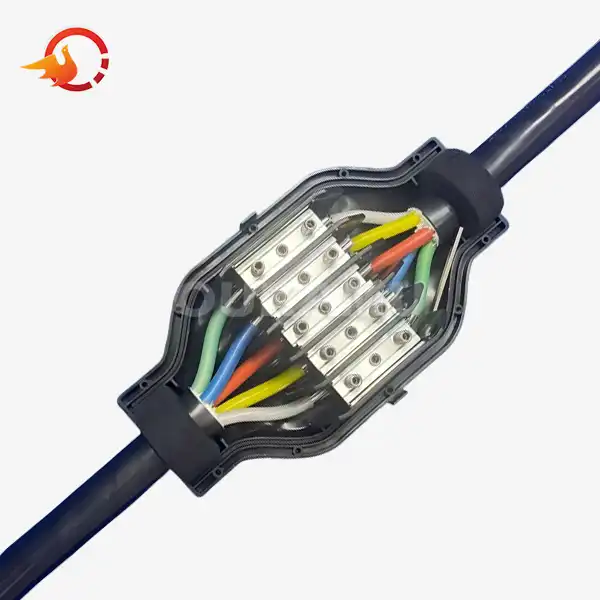
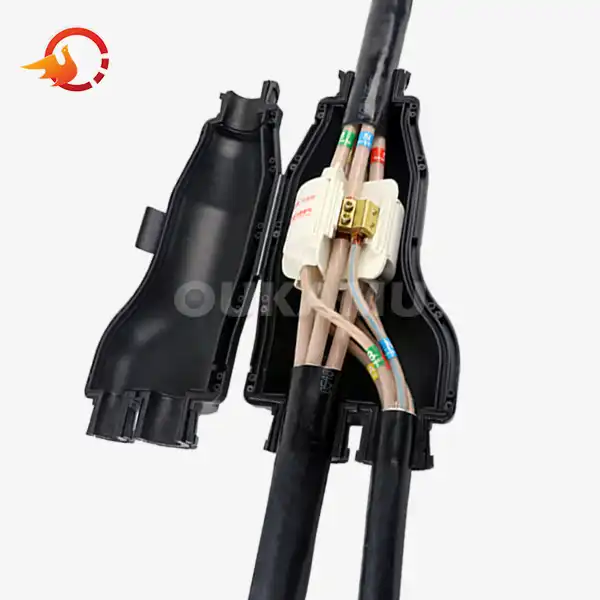
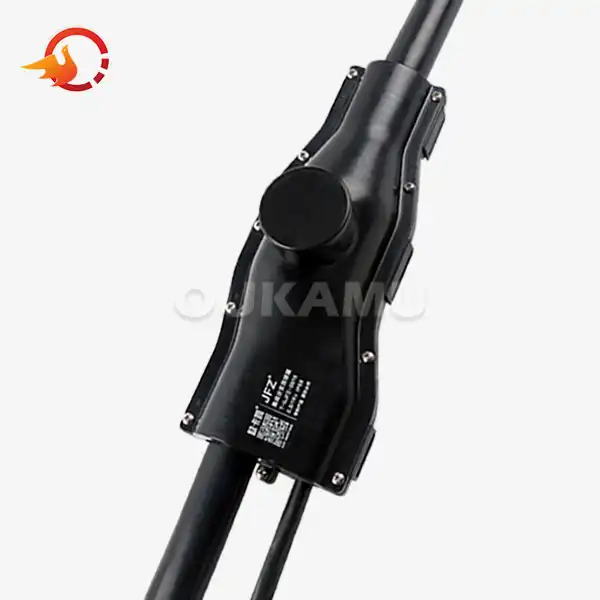
How to source branch cable joints compatible with armored cables?






 2026-08-10 11:19:31
View:389
2026-08-10 11:19:31
View:389Sourcing reliable branch cable joints compatible with armored cables requires careful attention to technical specifications, supplier credibility, and long-term cost efficiency. A quality branch cable joint ensures safe, non-interruptive connections for steel wire armored (SWA) or aluminum wire armored (AWA) cables commonly used in industrial, construction, and infrastructure projects. The key is selecting connectors that match your armored cable's mechanical strength, voltage rating, and environmental demands. Partnering with experienced manufacturers who specialize in on-site adaptable solutions can streamline procurement, reduce installation complexity, and deliver substantial savings in both labor and material costs.

Introduction
Selecting the right Branch Cable Joint specifically designed for armored cables is not merely a technical decision—it directly impacts system safety, operational reliability, and project budgets. Armored cables, reinforced with steel or aluminum wire layers, are engineered to withstand harsh mechanical stresses in demanding environments such as underground installations, industrial facilities, and municipal infrastructure. When paired with incompatible or substandard branch connectors, these cables become vulnerable to electrical faults, moisture ingress, and premature failure.
Branch Cable Joints make power distribution more efficient by making branch links without cutting the main wire. This keeps the system running and makes installation easier. This guide is meant to give procurement workers (like buyers, project managers, and distributors) trust in their ability to find what they need. We will talk about compatibility principles, common problems with buying things, selection criteria, ways to evaluate suppliers, and useful installation tips. By the end, you'll know how to find connectors that work well for a long time, follow the rules, and give you a good return on your investment.
Understanding Branch Cable Joints and Their Compatibility with Armored Cables
What Are Branch Cable Joints?
Power can be distributed from a main cable to several branch circuits without cutting the primary conductor thanks to Branch Cable Joints, which are essential connectors. Modern branch joints use piercing or clamp-on technologies that keep the cable's integrity, unlike traditional splicing methods that cut and terminate the main cable. This method cuts down on installation time by a large amount, cuts down on cable waste, and lets the placement be changed to fit the needs of the real-world spot.
Types of Branch Joints for Armored Cables
There are a number of joint technologies that have come up to meet the specific needs of armored cable systems:
- Heat Shrink Joints: These connectors use heat-activated tubing that contracts tightly around the cable connections. This makes electrical insulation and waterproof seals. Heat shrink options are great for protecting the environment and are often used outside or underground.
- Cold Shrink Joints: Made of pre-expanded rubber tubes that shrink when they are put together without using heat tools. Cold shrink joints make installation easier in the field, require less equipment, and reduce the number of mistakes that happen during installation because of bad heating.
- Pre-Molded Joints: These are factory-made links that are made to fit certain wire sizes and shapes. They offer stable quality and faster installation, but the connection specifications must be perfectly matched.
- Field Molded Joints: These are connections that are made to order on-site using insulating materials that are liquid or putty-based. These give you the most options for wire sizes that aren't normal or complicated installation shapes.
Critical Compatibility Features
Several design factors must be taken into account to make sure that branch joints and armored lines can work together:
- Mechanical Reinforcement: The joint must firmly grip the armored layer of the cable without hurting any of the wires or the protected sheath. If you don't have enough mechanical support, vibrations can cause breakdowns or armor to wear down over time.
- Insulation Properties: The insulation at the joint must match or go beyond the voltage rating of the cable and be able to handle the temperatures that it will be used in. Insulation materials that don't match up properly can cause dielectric breakup or heat failure.
- Environmental Resistance: Armored wires are often used in tough situations, like underground, underwater, or near industrial chemicals. The branch joint needs to offer the same level of protection by being waterproof, flame retardant, resistant to UV light, and resistant to corrosion.
Advantages of Proper Joint Selection
Picking the correct connector for armored cables has many useful advantages. Proper mechanical and electrical integration increases durability and lowers the number of times that maintenance needs to be done. Following international safety rules like IEC 60502, IEEE 404, and GB/T 14048.7-2016 helps get approval from regulators and lowers the risk of being sued. When electrical resistance is kept to a minimum and current spread is optimized, system performance is better. When businesses buy quality joints, they experience fewer unplanned outages, a lower total cost of ownership, and easier asset management over the lifecycle of the cable system.
Challenges in Sourcing Branch Cable Joints for Armored Cables
Common Issues from Mismatched Components
When procurement mistakes happen in Branch Cable Joint selection, they often show up as expensive operations fails. Mechanical failures happen when joints can't support the weight of the armored cable or the stresses of installation, which can cause the connection to loosen or the armor wire to break. Electrical risks can happen when there isn't enough contact pressure or when shielding breaks down, which could lead to arcing, burning, or short circuits. Installation difficulties happen when the joint sizes don't fit the outer diameter of the armored cable or when the connection process needs special tools that field technicians don't have access to.
A distributor in the Midwest recently said that using standard branch connections on SWA wires caused them to fail several times when the temperature changed with the seasons. The difference in the joint's thermal expansion properties and the steel armor's properties led to gradual loosening, which needed expensive emergency repairs and system downtime.
Limitations of Traditional Solutions
A lot of old branch joint technologies were created before modern armored cable designs became popular. Traditional bolted connections often need a lot of work to be done on the cable, like removing armor from long sections, which takes away from the defensive function of the cable. Some older insulation materials may not be able to fight fire or water as well as newer materials are needed to by safety standards. When installing something, the main cable often needs to be cut. This requires precise length calculations and wastes a lot of cable when changes need to be made.
Emerging Market Demands
The procurement environment of today is a reflection of how technology and business needs are changing. Custom modular designs let wholesalers keep standard parts in stock while also offering field-configurable answers for a wide range of connection needs. Better tracking of products with serialization and documentation helps quality control programs and makes warranty claims easier. Buyers now expect stricter quality certifications from third-party testing labs. They also want full test results that cover things like mechanical strength, electrical performance, and environmental endurance.
How to Choose the Right Branch Cable Joint for Your Armored Cable Needs
Evaluating Application Environments
The working environment has a big impact on the factors used to choose joints. When installed indoors in climate-controlled spaces, the focus is on small sizes and blending in with the building's systems. For outdoor uses, strong UV protection and weatherproofing are needed to handle changes in temperature and rain. When used underground, deployments need to be completely waterproof and able to withstand chemicals in the soil and ground movement. When installing things in the air, you have to think about wind loads, ice buildup, and temperature changes caused by direct sunlight.
Technical Specifications to Match
Correct technical alignment is the first step to a successful Branch Cable Joint selection:
- Voltage Rating: The joint must be able to safely handle the operating voltage of the cable system. Ratings like 0.6/1kV are common for low-voltage distribution, while higher ratings are used for medium-voltage tasks. Branch Cable Joint specifically refers to a connection that splits or taps power from a main cable to a branch line, so its voltage rating must match both the main and branch circuits. If you use a joint beyond its voltage rating, the insulation could fail and there could be an arc flash.
- Cable Size Compatibility: Branch joints are made to work with certain types of cable sizes. After 20 years of research and development, the Oukamu ZR-JFZ-70/35 type can handle main wires from 25mm to 70mm and branch cables from 2.5mm to 35mm, making it suitable for a range of distribution setups.
- Current Capacity: The highest continuous current capacity is based on the contact area of the joint and the material's ability to conduct electricity. Joints that are too small cause resistance heating, which speeds up degradation and lowers the system's efficiency.
Material and Technology Considerations
As a result of their excellent performance in the field, producers such as 3M and TE Connectivity trust heat shrink solutions to completely seal out the environment. When working in small areas or when hot work isn't allowed, cold shrink options can help with installation. Siemens and ABB are two companies that have come up with cold shrink product lines that keep the electrical performance while making installation easier.
The choice between pre-molded and field molded joints depends on project scope and timeline. Pre-molded units from well-known companies like Hellermann Tyton offer consistent quality and faster installation, making them perfect for large-scale projects with standard cable requirements. Field-molded solutions can be used for installations or retrofits that use a variety of cable types.
Joint Type Comparison
Different joint designs are used for different types of distribution:
- Branch Joints (T-Connectors): These allow a single point of branching from the main cable, which is great for feeding equipment or giving out extra power. These connectors keep the main wire running while making safe connections between branches.
- Straight Joints: These are used to fix or extend cables without being able to split them out. They bring cables back together after they've been damaged or when two different runs are joined.
- Multi-Way Joints: Allow multiple branch connections from a single main cable location, which improves the efficiency of distribution in installations with a lot of equipment.
| Joint Type | Main Cable Range | Branch Cable Range | Rated Voltage | Typical Application |
|---|---|---|---|---|
| Standard T-Joint (ZR-JFZ-70/35) | 25–70 mm | 2.5 to 35 mm | 0.6/1kV | Light industry and commercial buildings |
| Heavy-Duty T-Joint | 95 to 240 mm | 6–70 mm | 0.6/1kV | Infrastructure and industrial facilities |
| Multi-Branch Junction | 50 to 150 mm | 10 to 50 mm | 0.6/1kV | Power distribution hubs |
| Straight Repair Joint | 16-240 mm | Not at all | 0.6/1kV | Repairing and adding to cables |
Best Practices for Procuring Branch Cable Joints: From Suppliers to Delivery
Evaluating Supplier Credentials
Finding trusted suppliers takes a methodical look at a lot of different factors. Certifications give you basic trust. Look for ISO 9001 certification for quality management, ISO 14001 certification for environmental compliance, and safety approvals for specific products from well-known testing groups like UL, CSA, or CE marking authorities. Lead times are very different between domestic and international sources. Domestic makers may be able to deliver within days, but buying from abroad could take weeks or months, based on how the product is customized and how it is shipped.
The planning of stockpiles and cash flow are affected by minimum order quantities (MOQs). Manufacturers that have been around for a while and have efficient production systems can usually handle smaller initial orders. This lets wholesalers test the market demand before committing to large stocks. Ask possible suppliers how flexible they are with MOQs, especially when it comes to custom orders or releasing new products.
Local versus International Sourcing
When making decisions about geographic sourcing, you have to weigh a lot of different factors. Shorter lead times, easier contact, and faster resolution of quality problems or returns are all benefits of using domestic providers. When you buy in bulk and from established manufacturing regions, international sourcing may save you money and give you access to specialized technologies.
When looking at international suppliers, find out how much experience they have with exporting, how well they speak English, and whether they are willing to provide full technical documentation. It's usually easier to buy from suppliers who have specialized export teams and established logistics partnerships.
Pricing and Total Cost Analysis
The purchase price is only one part of the total cost of acquisition. Many makers offer tiered pricing with breaks at 100, 500, and 1,000 unit amounts. Volume discounts can cut unit costs by a large amount. Customization costs depend on how complicated the change is. For example, small changes to the package or labels may not cost much, but custom wire size ranges or special materials may need tooling investments.
When comparing prices, you need to take into account logistics issues like shipping, insurance, customs fees (for buying things from other countries), and storage. When total landed costs are added up, a unit price that seems cheaper may no longer be competitive.
Requesting Samples and Technical Support
Before committing to large orders, request product samples for evaluation. Quality samples let you see for yourself how well they are made, how easy they are to install, and how well they work with your current cable inventory. Send detailed information about the application along with sample requests so that suppliers can make good suggestions.
Technical support capabilities distinguish professional suppliers from commodity vendors. Look for suppliers offering installation training, application engineering assistance, and responsive post-sale support. Having access to technical experts who know about armored cable systems can help solve problems quickly in the field and keep expensive installation mistakes from happening.
Quality Assurance and Compliance Verification
Rigorous quality assurance protects your business and users safe. Check that goods meet safety standards by using independent test records instead of just what the supplier says. Ask for copies of type test results that cover things like electrical performance, mechanical strength, flame retardancy, and durability in harsh environments.
Review technical documentation including installation instructions, maintenance guidelines, and warranty terms. Comprehensive documentation indicates a manufacturer's commitment to product support and customer success. Where feasible, conduct factory audits to observe manufacturing processes, quality control procedures, and testing protocols. Site visits provide invaluable insights into supplier capabilities and commitment to quality for the Branch Cable Joint.
Installation and Maintenance Tips for Branch Cable Joints with Armored Cables
Proper Installation Procedures
Successful installation begins with thorough cable preparation. Clean the cable surface to remove contaminants that could compromise sealing or electrical contact. Carefully measure and mark branch point locations, accounting for the joint's dimensional requirements and ensuring adequate clearance from adjacent components.
When working with armored wires, make sure that the way the armor is terminated keeps the protective function of the cable while also giving the right grounding. Follow the joint manufacturer's instructions to the letter. Assembling something incorrectly can cancel the warranty and pose safety risks.
Essential Installation Steps:
• Verify cable type and size match joint specifications before beginning work
• Use calibrated tools for accurate conductor preparation and connection torque
• Follow the steps that the manufacturer gives you for installing joint components
• Conduct visual inspection of all connections before final assembly
• Perform electrical testing to confirm proper contact resistance and insulation integrity
• Document installation details including date, installer identification, and test results
Tools and Safety Measures
Professional installation requires appropriate tools and safety equipment. Cable stripping tools designed for armored cables prevent damage to conductors during preparation. Torque wrenches ensure connector bolts achieve specified clamping force without overtightening. Heat guns or torches (for heat shrink applications) must provide controlled, even heating to activate adhesive layers properly.
Safety measures protect installers and equipment. De-energize circuits completely before beginning work and verify absence of voltage using calibrated test equipment. Wear appropriate personal protective equipment including electrical safety gloves, eye protection, and arc-rated clothing when working near energized components. Maintain safe working distances from energized conductors and follow lockout-tagout procedures rigorously.
Maintenance and Inspection Routines
Preventive maintenance extends Branch Cable Joint service life and prevents unexpected failures. Establish inspection schedules based on environmental severity—quarterly inspections for harsh outdoor or industrial environments, annual inspections for protected indoor installations. During checks, look for damage that can be seen on the joint housings, signs of water getting in like rust or water stains, signs of loose connections like discolored wires or oxidation, and thermal damage from overheating like melted insulation or discolored parts.
Common Failure Indicators and Prevention
Understanding failure modes enables proactive intervention. Overheating often results from inadequate contact pressure or undersized joints. It manifests as discolored insulation, softened materials, or unusual odors. Moisture ingress causes corrosion, tracking, and eventual insulation breakdown. It appears as rust on armor wires, water droplets inside enclosures, or reduced insulation resistance readings. Mechanical damage from vibration, impact, or excessive cable movement shows as cracked housings, loosened connections, or exposed conductors.
Prevention strategies address root causes. Ensure proper joint sizing for current loads. Verify installation procedures maintain manufacturer-specified torque values. Provide adequate mechanical support to minimize vibration stress. Protect joints from direct impact through enclosures or barriers. In corrosive environments, apply additional sealing measures or select joints with enhanced environmental protection.
Industry Standards and Compliance
Regulatory compliance ensures installation safety and legal protection. Relevant standards include IEC 60502 for power cables with extruded insulation, IEEE 404 for cable joints ratings, UL 486 for electrical connectors and contact assemblies, and national or regional codes such as the National Electrical Code (NEC) or Canadian Electrical Code (CEC). Maintain current knowledge of applicable standards and verify that purchased products carry appropriate certifications.
Invest in installer training and certification. Manufacturers often provide training programs covering proper installation techniques, troubleshooting, and safety procedures. Certified installers demonstrate competency and reduce installation errors. Documentation of training and certification supports quality assurance programs and may provide advantages during project bidding.
Performance Comparison Table
Understanding how different joint technologies perform across key criteria helps optimize procurement decisions:
| Performance Factor | Heat Shrink Joints | Cold Shrink Joints | Field Molded Joints | Pre-Molded Joints |
|---|---|---|---|---|
| Installation Speed | Moderate | Fast | Slow | Fast |
| Tool Requirements | Heat source required | Minimal | Moderate to high | Minimal |
| Environmental Sealing | Excellent | Excellent | Variable | Excellent |
| Size Flexibility | Moderate | Limited | High | Limited |
| Quality Consistency | High | High | Installer-dependent | Very High |
| Relative Cost | Moderate | Higher | Lower | Moderate to higher |
| Reusability | No | No | No | Limited |
Conclusion
Finding a Branch Cable Joint that works with armored wires needs a methodical process that balances technical needs, provider abilities, and overall cost. The right joint protects the integrity of the armored cable and lets power be distributed in different ways without interrupting the main cable. Successful procurement professionals verify technical compatibility, assess supplier credentials thoroughly, and implement rigorous quality assurance processes. Installation and maintenance practices directly impact long-term reliability, making proper training and documentation essential. By following the guidelines outlined in this comprehensive guide, you can confidently source solutions that deliver lasting performance, regulatory compliance, and measurable value for your electrical distribution projects.
FAQ
Can branch cable joints designed for non-armored cables be used on armored cables?
Using joints not specifically designed for armored cables creates significant risks. Non-armored cable joints typically lack the mechanical reinforcement needed to support the armored cable's weight and rigidity. They may not accommodate the larger outer diameter created by the armor layer, resulting in inadequate sealing and moisture ingress. The armor's metallic layer requires proper electrical grounding, which standard joints may not provide. Always specify a Branch Cable Joint explicitly rated for armored cable applications to ensure mechanical stability, environmental protection, and electrical safety.
What are typical lead times for custom branch cable joint orders?
Lead times vary based on customization complexity and supplier capacity. Standard products with minor modifications such as custom labeling or packaging typically ship within 1-2 weeks. Joints requiring custom cable size ranges or special materials may need 4-6 weeks for tooling preparation and production. Complex custom designs involving unique configurations or extensive testing could extend to 8-12 weeks. When planning projects, communicate timeline requirements clearly with suppliers and request expedited production if needed.
How do heat shrink and cold shrink branch cable joints compare for reliability?
Both technologies deliver excellent reliability when properly installed. Heat shrink joints have decades of proven field performance and offer outstanding environmental sealing through thermally activated adhesive layers. They require heat application tools and skilled technique to avoid overheating or incomplete shrinking. Cold shrink joints eliminate heat tool requirements, reducing installation variability and simplifying work in confined spaces. Their pre-expanded elastomeric construction contracts automatically upon installation, creating consistent sealing. Reliability differences are minimal with correct installation.
Partner with a Trusted Branch Cable Joint Supplier
For more than 20 years, Oukamu has been a leader in Branch Cable Joint technology, providing cutting-edge solutions that change the way electricity contractors and wholesalers work with armored cable connections. Our most popular model, the ZR-JFZ-70/35, shows how committed we are to practical innovation—enabling branch connections without cutting main wires, saving 2-3 meters of cable per installation, and dramatically reducing labor costs and project timelines. With compliance to GB/T 14048.7-2016 and international safety standards, our products deliver the reliability your reputation depends on.
Our branch cable joints feature integrated designs combining insulation, flame retardancy, fire resistance, and waterproofing in compact, reusable packages. Whether you're stocking inventory for retail sales, fulfilling contractor orders, or managing large infrastructure projects, our flexible order quantities and customization capabilities support your business model. We understand procurement challenges—our team provides comprehensive technical support, detailed product documentation, and responsive customer service to ensure your success.
Reach out to our experts today at info@okmbranchcable.com for personalized consultation, access to complete product catalogs, and competitive pricing tailored to your volume requirements. As a recognized manufacturer serving global industrial leaders, we're ready to help you source solutions that meet the highest quality and performance standards. Visit okmbranchcable.com to explore our full product range and discover why leading distributors trust Oukamu for their armored cable connection needs.
References
1. International Electrotechnical Commission, "IEC 60502: Power Cables with Extruded Insulation and Their Accessories for Rated Voltages from 1 kV up to 30 kV," 2014.
2. Institute of Electrical and Electronics Engineers, "IEEE 404: Standard for Cable Joints for Use with Extruded Dielectric Cable Rated 5000-138000 V and Cable Joints for Use with Laminated Dielectric Cable Rated 2500-500000 V," 2012.
3. Standards Press of China, "GB/T 14048.7-2016: Low-voltage Switchgear and Controlgear - Part 7: Ancillary Equipment - Cable Connection Terminals for Copper Conductors," 2016.
4. National Fire Protection Association, "NFPA 70: National Electrical Code," 2023 Edition.
5. Underwriters Laboratories, "UL 486A-486B: Standard for Wire Connectors and Soldering Lugs for Use with Copper Conductors," 2019.
6. Electric Power Research Institute, "Cable Systems Reliability and Maintenance Practices for Underground Distribution Networks," Technical Report Series, 2021.