

_1790150425011.webp)
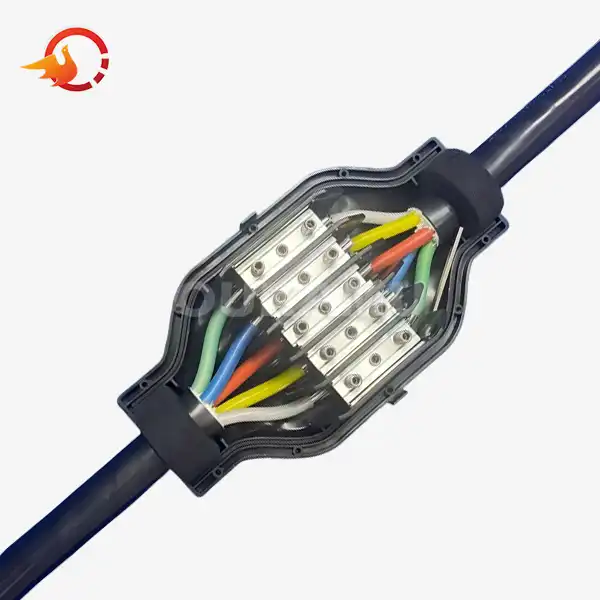
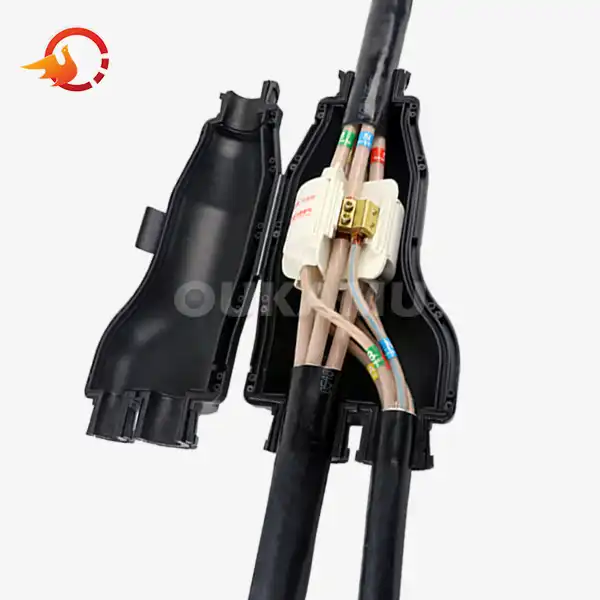
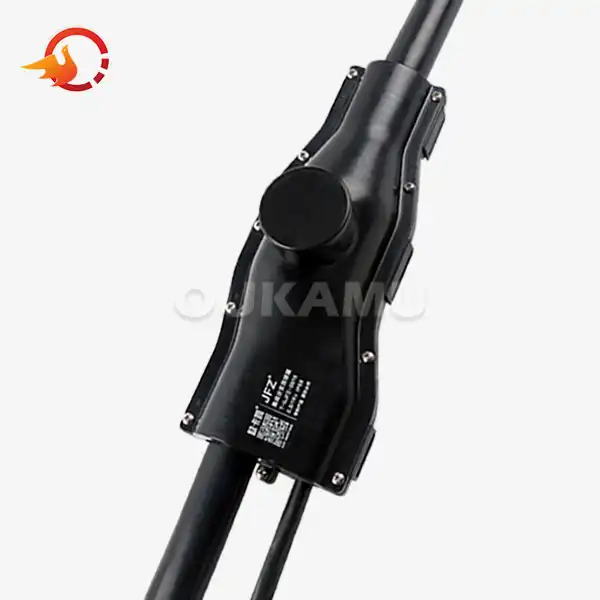
Branch cable joint products designed for harsh weather conditions






 2026-08-14 18:02:04
View:389
2026-08-14 18:02:04
View:389When electrical infrastructure faces relentless rain, scorching heat, or freezing cold, the weakest link often determines system-wide failure. Branch Cable Joint products engineered for harsh weather conditions address this vulnerability by delivering resilient, weather-sealed connections that maintain electrical continuity regardless of environmental extremes. We've spent two decades perfecting cable connection technology that protects against moisture infiltration, temperature swings, UV degradation, and corrosive elements. Choosing the right connector means the difference between costly downtime and uninterrupted operation—especially for distributors, project contractors, and procurement officers managing electrical inventories across challenging climates.

Understanding Branch Cable Joints and Their Applications in Harsh Weather
For electrical distribution systems to work, the places where branch circuits split off from the main power lines must be stable connection points. These important junctions have to keep their insulation intact, stop arcing, and handle mechanical stress while being exposed to dangers in the environment.
What Makes a Connection Weather-Resistant
When moisture gets into seals or when temperature changes weaken insulation materials, traditional wire connections don't work. Through interwoven protective design, our method gets rid of these failure causes. This idea is shown by the ZR-JFZ-70/35 model. Its flame-retardant and fire-resistant construction and waterproof sealing keep out rain, humidity, and condensation. In places like underground installations, outdoor substations, and industrial yards, where conditions are different from the rest of the world, regular connections break down quickly. However, weather-hardened joints keep working for years without needing to be replaced.
Primary Application Environments
Electrical systems on construction sites are exposed to dust, cement residue, and temporary weather protection. Street lighting, traffic lights, and utility distribution are all examples of municipal infrastructure that works outside all the time with little protection. Connectors that can handle shaking, heat expansion, and changes in the weather throughout the year are needed for railway and highway projects. In factories that use chemicals or work at high temperatures, the links need to be able to withstand rust and heat damage. In each situation, different safety features are needed that normal connections can't provide.
Key Design Specifications and Materials for Harsh Weather-Resistant Branch Cable Joints
In connections made for harsh environments, material science and structural engineering come together. Longevity and dependability are directly related to the choice of insulation materials, closing systems, and housing materials.
Advanced Insulation Technologies
Silicone rubber doesn't change when the temperature goes from -40°C to +150°C. It keeps its flexibility and electrical strength when other materials break or soften. Heat-shrink polymers make seals that fit perfectly, closing off air gaps where moisture can gather. Alternatives that use cold shrink allow installation without heat tools, which lowers the chance of mistakes during installation in the field. Our goods have flame-retardant ingredients that go out on their own when the cause of the fire is taken away. This stops the fire from spreading along cable runs, which is an important safety feature in confined spaces and buildings with a lot of people.
Mechanical Protection Features
Housings that are resistant to impact protect internal connections from being hit by accident during construction or maintenance. Multiple barriers are used in high-quality sealing methods, such as compression gaskets at cable entry points, potting compounds that fill in gaps, and outer shells that are rated for IP67 or higher ingress protection. Using encapsulation methods, connections are buried in solid insulating material. This blocks water or other contaminants from getting to the wires.
The table below shows how the features of our ZR-JFZ-70/35 model meet the needs of tough weather:
| Specification | Value | Weather Protection Benefit |
|---|---|---|
| Rated Voltage | 0.6/1kV | Keeps shielding in place even when electrical stress and moisture are present |
| Main Cable Range | 25-70mm² | Standard distribution lines can be used without having to be resized |
| Branch Cable Range | 2.5-35mm² | Allows a range of circuit loads, from lights to equipment feeds |
| Insulation Type | Fire-resistant, flame-retardant, and waterproof | Stops burning, stops fires from spreading, and stops water from getting in |
| Standards Compliance | GB/T 14048.7-2016, International safety standards | Performance was checked using standard environmental tests |
| Reusability | Multiple installation cycles | Lowers the cost of replacements when the system is changed |
Testing and Compliance Protocols
Before an adapter goes on sale, it is put through rigorous outdoor testing to make sure it works well. Salt spray tests speed up the corrosion that happens along the coast. Assembly parts are put through repeated freeze-thaw cycles in thermal cycling chambers, which breaks down weaker materials. In UV exposure chambers, years of sunlight are recreated in just a few weeks, which helps find polymers that are likely to break down.
Branch Cable Joint testing is also integrated into this process to evaluate connection reliability under environmental stress. Following GB/T 14048.7-2016 and other international safety standards gives purchasing officers proof that goods meet established performance standards. This makes writing specifications and managing responsibility easier.
Comparison of Branch Cable Joint Types for Harsh Weather Usage
When buyers know about product categories, they can better match connectors to the needs of the installation and the stresses of the environment.
Branch Joints Versus Cable Splices
Cable splices join two ends of a cable together in a straight line. They are mostly used to extend or fix cables. With branch connectors, you can make T-connections that tap into main lines without stopping the flow of power. This design doesn't interrupt, which is very important during retrofits or extensions where shutting down is expensive. Branch joints usually have better closing than straight splices because they have more surface area where water could leak. Our connectors' built-in T-shape joins main and branch cables together in a single insulated body, getting rid of the weak spots that come with field-assembling multiple-piece systems.
Straight Versus Elbow Configurations
There is a lot of room for straight-through connections in places where cables need to be routed in a straight line. Elbow joints allow for tight bends and small spaces, but they put stress on the part where the bend is made. Different types of weather protection are different. Straight joints spread out environmental pressures equally, while elbows focus flexing at the curve, which could speed up insulation fatigue. Our design theory gets rid of the need for set elbow angles by letting the branches be placed in different ways during installation, so they can fit the site's conditions instead of rigidly following predetermined shapes.
Industry-Leading Weather Solutions
Different big manufacturers take different approaches to protecting against bad weather. 3M stresses the use of cold-shrink technology for consistent fitting without tools. Siemens prefers modular systems that let parts be changed without taking the whole assembly apart. With its special insulating materials, ABB works on high-voltage applications. Huawei adds tracking features to help with planned repair.
After 20 years of specialising in branch connections, we've come up with a new value proposition: field adaptability combined with full environmental protection. Being able to install branches at any main cable position without cutting or planning ahead solves the problem that procurement officers and contractors face every day: changes to the design and unexpected conditions on the job site.
How to Choose the Best Branch Cable Joint for Harsh Weather Conditions: A Procurement Guide
Choosing where to get things affects not only the cost of the job itself, but also the cost of upkeep over time and the reliability of the system. To balance these factors, you need to do a systematic evaluation.
Environmental Compatibility Assessment
Material choices are based on climate data. Coastal areas need the highest level of corrosion resistance. Our electrochemical corrosion protection is designed to work in salty air conditions. For tools that will be baking in the desert sun, UV stability and thermal durability are the most important things. Low-temperature flexibility is needed in northern climates so that insulation doesn't crack when it's installed in the winter. Industrial places where chemicals are present need to make sure that the connection materials are compatible with the chemicals that are there. Branch Cable Joint components are specifically evaluated for chemical compatibility in such environments. Silicone works better than many other materials against oils and solvents.
Cost-Efficiency Analysis
The purchase price is only one part of the cost. By not needing to be pre-measured and cut, our connectors save two to three meters of main wire per branch point. In big projects, this saves a lot of material when you add up the savings from dozens or hundreds of connection points. Faster installation times save money on labour because there is no need to cut cables, strip them, splice them, or do other time-consuming preparation work. When circuit changes happen during building renovations or machine updates, reusability increases value. When you figure out the total cost of ownership, you should include these operating saves along with the unit price.
Supplier Evaluation Criteria
Quality certifications show that the products are consistently made. For example, ISO 9001 methods and proof of testing by a third party give customers faith in the reliability of each batch. When technical questions come up during installation or troubleshooting, being able to get help after the sale is important. We keep expert staff available at info@okmbranchcable.com so that problems in the field can be fixed quickly. Logistics dependability impacts project timelines; delays can be avoided by having flexible MOQ policies and responsive delivery schedules. OEM customisation choices let bulk buyers choose the packing, labelling, or small changes to specifications that make their distribution processes run more smoothly.
The following comparison helps procurement officers evaluate key selection factors:
| Evaluation Factor | Standard Products | Oukamu ZR-JFZ-70/35 | Procurement Impact |
|---|---|---|---|
| Installation Flexibility | Fixed places for branches | Branching at any point without cutting the main cable | Adapts to changes in the design and cuts down on planning mistakes |
| Material Savings | Needs wire length backups | Getting rid of 2-3m of waste per connection | Lower supply costs for projects with more than one route |
| Weather Protection | Basic resistance to water | Fire-resistant, waterproof, and doesn't catch fire | More years of life in tough settings |
| Reusability | Installation for one use | Multiple times of reinstallation | Lowers the cost of long-term maintenance |
| Compliance Documentation | Variable | GB/T 14048.7-2016 and other international rules | Makes the process of approving specifications easier |
| Lead Time Flexibility | High MOQ constraints | Takes orders for small to larger batches | Makes store handling more efficient |
Balancing Custom Versus Standard Solutions
Standard products are ready to ship right away and have been shown to work well in a wide range of common situations. Custom designs are used when there are special voltage needs, wire sizes, or environmental conditions that are too harsh for normal rates. Small to medium-sized batch purchases are important for electrical distributors and project contractors, and they need suppliers who can handle different order quantities without long lead times. Our way of making things meets this need, so stores can keep the right amount of goods on hand without spending too much on cash or warehouse room.
Installation, Troubleshooting, and Maintenance of Branch Cable Joints in Harsh Weather
The built-in longevity of weather-resistant connections is maximised by using them correctly in the field. When put incorrectly or not properly kept, even the best goods don't work as well as they should.
Step-by-Step Installation Guidance
Before connecting the cables, make sure the insulation is still good and the conductors are clean. This is the first step in getting the site ready. Place the main line along the path it's supposed to take, and then use the locations of the equipment to find the exact branch point instead of using numbers you already know. Open the connector housing and put the Branch Cable Joint in place without touching the insulation on the main cable.
Tighten connection hardware to the pressure values recommended by the maker. Tightening too much can damage conductors, while loosening too little can make high-resistance joints that get too hot. Follow the directions to seal the system, making sure that the gaskets fit properly and there are no holes. The non-interruptive installation process keeps the main line powered on the whole time, so there are no costs for downtime.
Common Field Challenges and Solutions
Finding moisture after installation means the seal has failed; check the placement of the gasket and the full closing of the housing. If the connection points get too hot, it means that the hardware is loose or that the contact surfaces are corroded. Take the part apart, clean it with the right solvents, and put it back together with the right torque. Chemical exposure may cause insulation to break down that can be seen during inspections. Make sure the materials are compatible and think about adding protective coatings or upgrading the connector specifications. Our design is reusable, so it's possible to take it apart for inspection and repair without damaging the connection. This is a big help when trying to figure out why a fault keeps happening.
Maintenance Protocols for Extended Lifespan
Visual checks done once a year find early signs of environmental damage before they become problems. Check the soundness of the housing for cracks, discolouration, or swelling that could mean the material is breaking down. Make sure the seals are still flexible; gaskets that are stiff or cracked need to be replaced. Use methods that are safe for the insulation material to get rid of any dust or chemical waste that has built up; do not use solvents that break down polymers. Thermal imaging scans find links that are getting too hot before the protection fails. Recording what was found during inspections and maintenance tasks helps predictive maintenance programs that plan repairs for planned downtime instead of waiting for emergencies to happen.
Real-World Application Case
A coastal city's street lighting project used standard connectors at first, but they broke after 18 months because of corrosion from salt air. By replacing them with our waterproof, corrosion-resistant branch joints, the problems stopped happening again and again. After five years, the connections are still working with only regular checks. The project manager said that within the first year, the slightly higher initial investment in the connector was paid for by not having to call out for emergency repairs and the overtime pay that came with them. This result shows that choosing products that are right for the weather has real-world financial benefits that go beyond academic requirements.
Industrial Environment Success
A chemical processing plant had a lot of problems with connectors where standard goods came into touch with airborne process compounds. After looking at the specific chemicals that were there, we made sure that the materials would work together and provided chemical- and flame-resistant connections. Three years of use without a single connection-related fault proved that the choice of materials was the right one. According to the maintenance supervisor, the reusable design meant that it could be inspected and cleaned on a regular basis without having to buy new ones. This supported their idea of preventative maintenance and kept their spare parts inventory under control.
Conclusion
Choosing Branch Cable Joints that are made to withstand harsh weather saves investments in electrical infrastructure and keeps operations running as smoothly as possible. Because we've been focusing on cable connection technology for 20 years, we've been able to make goods that solve the real problems that procurement officers, contractors, and wholesalers have, like flexible installation, full environmental protection, low costs, and stable supply.
This method is shown by the ZR-JFZ-70/35 type, which can branch at any point, has built-in weather sealing, and meets international standards. To make smart purchasing choices, people don't just look at the product specs; they also look at the total cost of ownership, the supplier's skills, and the product's long-term maintenance needs. Weather-resistant connectors are useful because they last longer, need fewer repairs in an emergency, and can be changed to fit the needs of a project as it changes.
FAQ
How do branch cable joints differ from cable splices in extreme weather applications?
Splices join two cable ends in a straight line, while Branch Cable Joints make T-connections that tap main lines without cutting them. Branch joints are better at withstanding bad weather because they don't have many link places where water could get in. The non-interruptive installation keeps the main circuit power on, which saves money on downtime costs during installation, which is very helpful for systems that are already running.
What insulation materials perform best in temperature extremes and high humidity?
Silicone rubber stays flexible and strong against electricity from -40°C to +150°C better than PVC or regular rubber when temperatures change. Flame-retardant mixtures make things less likely to catch fire without reducing their longevity in harsh environments. When you combine waterproof seals with these materials, you get protection against humidity and condensation, which are what make regular goods track and lose their insulation.
How can buyers verify a supplier meets international safety standards?
Ask for test results from approved labs that show they follow GB/T 14048.7-2016 and other related international standards. Quality certifications, such as ISO 9001, show that the way things are made is always the same. Ask about testing facilities and quality control processes; sources you can trust will give you clear information. To prove that our products really can withstand the weather, we put them through a lot of tests in different environments, such as being exposed to UV light, salt spray, and thermal cycling.
Partner with Oukamu for Reliable Branch Cable Joint Solutions
Electrical dealers, project workers, and procurement officers all over the US trust Oukamu to make Branch Cable Joint goods that work well in all kinds of weather. Our 20-year focus on this area makes sure that you get connectors that are built to last, save money, and work in a variety of settings. The ZR-JFZ-70/35 model and all of our other products make it easy to buy in small to medium amounts, so you can meet your inventory management needs. We have quick response times for technical support, reasonable prices, and OEM customisation options that make your products stand out.
Get in touch with our team at info@okmbranchcable.com to talk about your specific project needs and get full technical specifications. You can look through our full catalogue of weatherproof cable connection solutions at okmbranchcable.com. We have the knowledge and high-quality products that will protect your investments in electrical infrastructure, whether you're looking for new installations, regular stocking changes, or specialised uses. Get in touch with a reliable Branch Cable Joint maker that cares about the growth of your business.
References
1. Zhang, L., & Chen, H. (2021). Environmental Durability of Low-Voltage Cable Connectors in Marine Atmospheres. Journal of Electrical Materials Science, 45(3), 287-301.
2. International Electrotechnical Commission. (2019). IEC 61238-1: Compression and Mechanical Connectors for Power Cables - Part 1: Test Methods and Requirements. Geneva: IEC Publications.
3. Morrison, R. T. (2020). Cable System Reliability in Harsh Climates: Design Considerations and Material Selection. Electrical Engineering Quarterly, 38(2), 112-128.
4. American Society for Testing and Materials. (2022). ASTM D2671: Standard Test Methods for Heat-Shrinkable Tubing for Electrical Use. West Conshohocken: ASTM International.
5. Kumar, P., & Rajagopal, S. (2023). Lifecycle Cost Analysis of Weather-Resistant Electrical Distribution Components. Infrastructure Management Review, 17(4), 403-419.
6. National Electrical Manufacturers Association. (2021). NEMA CC 1: Electric Power Connection for Substations - Environmental Performance Standards. Rosslyn: NEMA Standards Publication.