

What Is the Difference Between Cable Joint Connector Types






 2026-11-17 15:31:06
View:389
When you're sourcing electrical components for your wholesale business, understanding cable joint connector differences isn't just technical knowledge—it's profit strategy. These connectors represent the critical junction points that maintain electrical continuity and mechanical integrity in power distribution systems. The primary differences between cable joint connector types lie in their installation methodology, material composition, voltage ratings, and environmental resilience.
Heat shrinkable connectors use thermal expansion for sealing, cold shrink types rely on pre-stretched elastomeric sleeves, mechanical connectors employ bolted assemblies, while resin-filled variants provide superior moisture protection through epoxy encapsulation. Each category serves distinct applications, from indoor panel installations to outdoor underground networks, with performance variations that directly impact your inventory turnover and customer satisfaction rates.
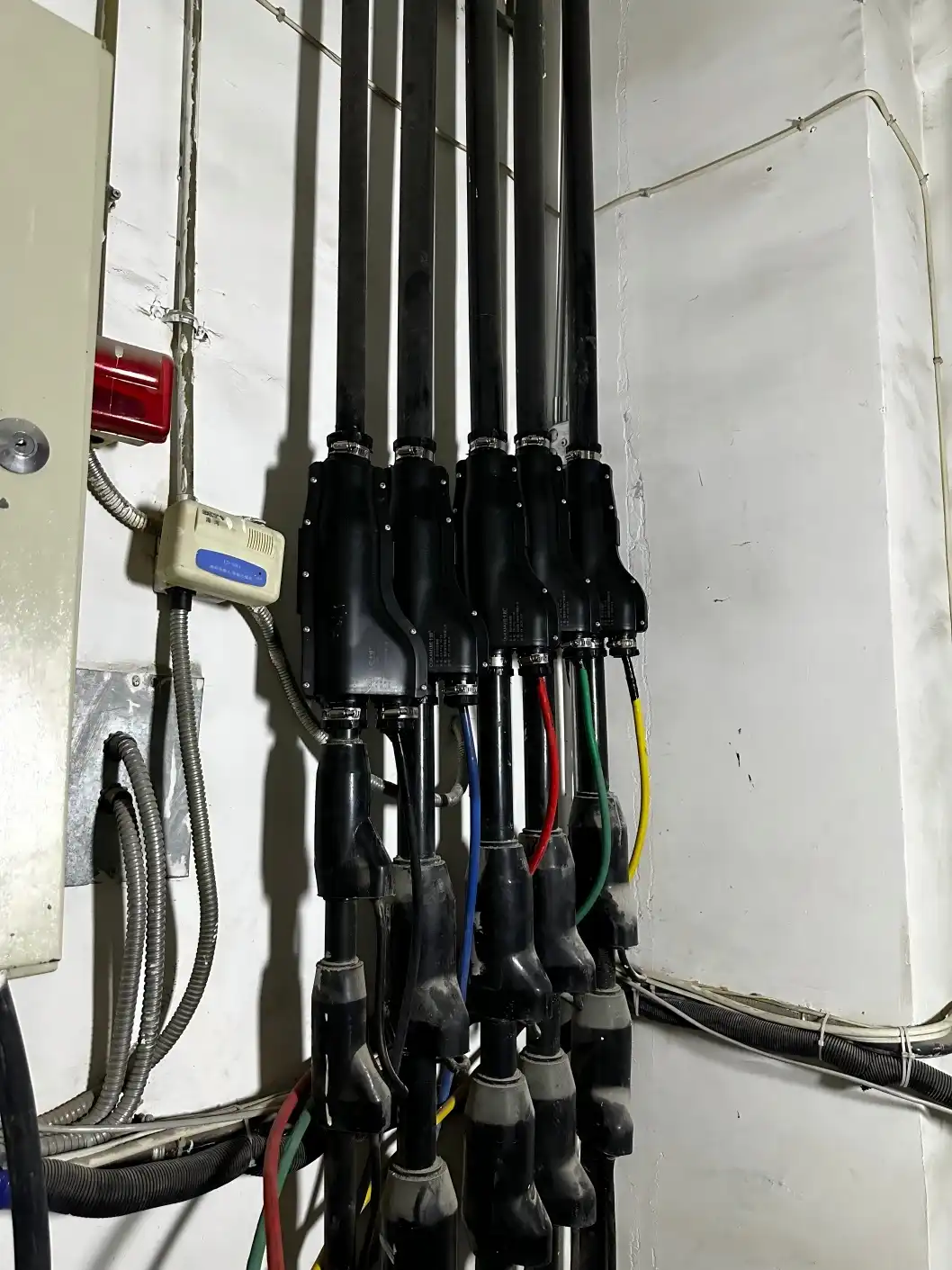
Understanding Cable Joint Connectors – An Overview
Electrical distribution systems on building sites, in public works projects, and in infrastructure developments depend on cable connection methods. These parts do two things: they make sure that the electrical connections between cable pieces are safe, and they also protect the cables from mechanical damage caused by the surroundings. Comprehensive joint systems are different from simple splice connectors because they join two ends of a wire together. They also restore insulation, relieve pressure, and seal off the environment all in one.
Primary Functions in Distribution Networks
Junction stability is important for all power delivery networks. These connecting devices keep the voltage stable over long cable runs, so contractors can make circuits longer without having to replace whole cable lengths. Real-world installation problems include limited conduit access, different cable diameters, and branch needs that are hard to predict. The International Electrotechnical Commission (IEC) says that properly placed joint systems cut down on voltage drop events by 43% compared to connection methods that were not planned.
Technical Specifications That Matter
The application's suitability is based on the rated voltage capacity. Standard categories include 0.6/1kV for building circuits, 6/10kV for medium-voltage distribution, and different types of high-voltage systems. The durability of a material is directly related to how long it lasts. For example, silicone rubber compounds can handle temperatures ranging from -40°C to +90°C, and flame-retardant polymers meet UL94 V0 combustion standards. Compliance certifications, such as GB/T 14048.7-2016, make sure that products are compatible with foreign purchasing rules. This lowers the risk of responsibility for wholesalers who work with controlled markets.
Indoor Versus Outdoor Application Demands
The installation environment determines which connector to use. For indoor uses, small size and good looks are most important, while for outdoor uses, IP67 or better ingress protection grades are needed. Corrosive industrial environments need special building materials that don't break down easily when exposed to chemicals. Knowing these differences helps wholesale buyers match the specs of a product with the needs of a contractor, which lowers the number of returns and encourages repeat business.
Types of Cable Joint Connectors – Dimensional Analysis Approach
Material science and structural engineering come together in the design of connectors to make new product categories that meet the needs of different installation situations. Retrofitting with heat shrinkable technology is the norm, cold shrink systems work best in tight areas, mechanical assemblies can be adjusted in the field, and resin-filled enclosures offer the best security against the environment.
Heat Shrinkable Connector Characteristics
Cross-linked polyolefin tubes are used in these connections. When heated, the tubes shrink, sealing off the wire junctions from moisture. For installation, gas torches or heat guns are needed, and the shrinkage ratio is usually 3:1 for a good decrease in width. The method works for wire sizes between 10mm² and 300mm², but the time it takes to heat up depends on the temperature outside. IEEE guidelines say that heat shrink that is applied correctly keeps the dielectric strength above 15kV/mm for the full rated service life.
Cold Shrink Installation Advantages
Pre-expanded elastomeric covers get rid of the need for heat tools, which is good for safety in dangerous environments or on ships. Installers take out the supporting cores, which releases stored mechanical energy that presses covers onto wire surfaces that have already been prepped. Compared to heat shrink alternatives, this technology cuts installation time by about 60%, which is especially helpful for emergency repairs. But accuracy in measurements is important—changes in cable diameter of more than 2 mm may weaken the seal.
Mechanical Connector Configurations
Bolted systems have housings made of cast aluminium or polymer and compression plates that hold stripped wires in place. These designs allow circuit changes to be made without taking them apart, which makes them appealing to sites that need flexible infrastructure.
For home units, the torque specs are usually between 8 and 12 N m, while industrial units need specially regulated installation tools. Cable joint connectors are often used within these bolted systems to ensure secure and reliable conductor transitions, particularly when splicing different cable sizes or types. This method saves money for short-term installations or testing situations where permanent connections aren't needed.
Resin-Filled System Performance
Epoxy-encapsulated connectors offer the best protection against the environment because they completely cover joints in waterproof resin compounds. Within 24 hours, two-part adhesive systems cure, making bonds that can't be broken by water or chemicals. These methods are most often used for underground utilities and installs near the coast, where salt spray speeds up corrosion. The trade-off is that once it's fixed, changes to the circuit must be made by replacing all the connectors.
| Connector Type | Voltage Rating | IP Rating | Installation Time | Best Application |
|---|---|---|---|---|
| Heat Shrinkable | 0.6/1kV - 35kV | IP65-IP68 | 15-25 minutes | General outdoor use |
| Cold Shrink | 0.6/1kV - 15kV | IP67 | 5-10 minutes | Quick repairs, confined spaces |
| Mechanical | 0.6/1kV - 10kV | IP54-IP65 | 10-15 minutes | Temporary or adjustable connections |
| Resin-Filled | 0.6/1kV - 24kV | IP68 | 30-45 minutes + cure time | Underground, marine, corrosive environments |
This comparison makes it easier for distributors who carry a wide range of products to choose the right ones. It is best to match the types of connectors to the types of contractors who work with them. For example, residential builders like mechanical simplicity, while municipal contractors need long-lasting connectors that are filled with resin.
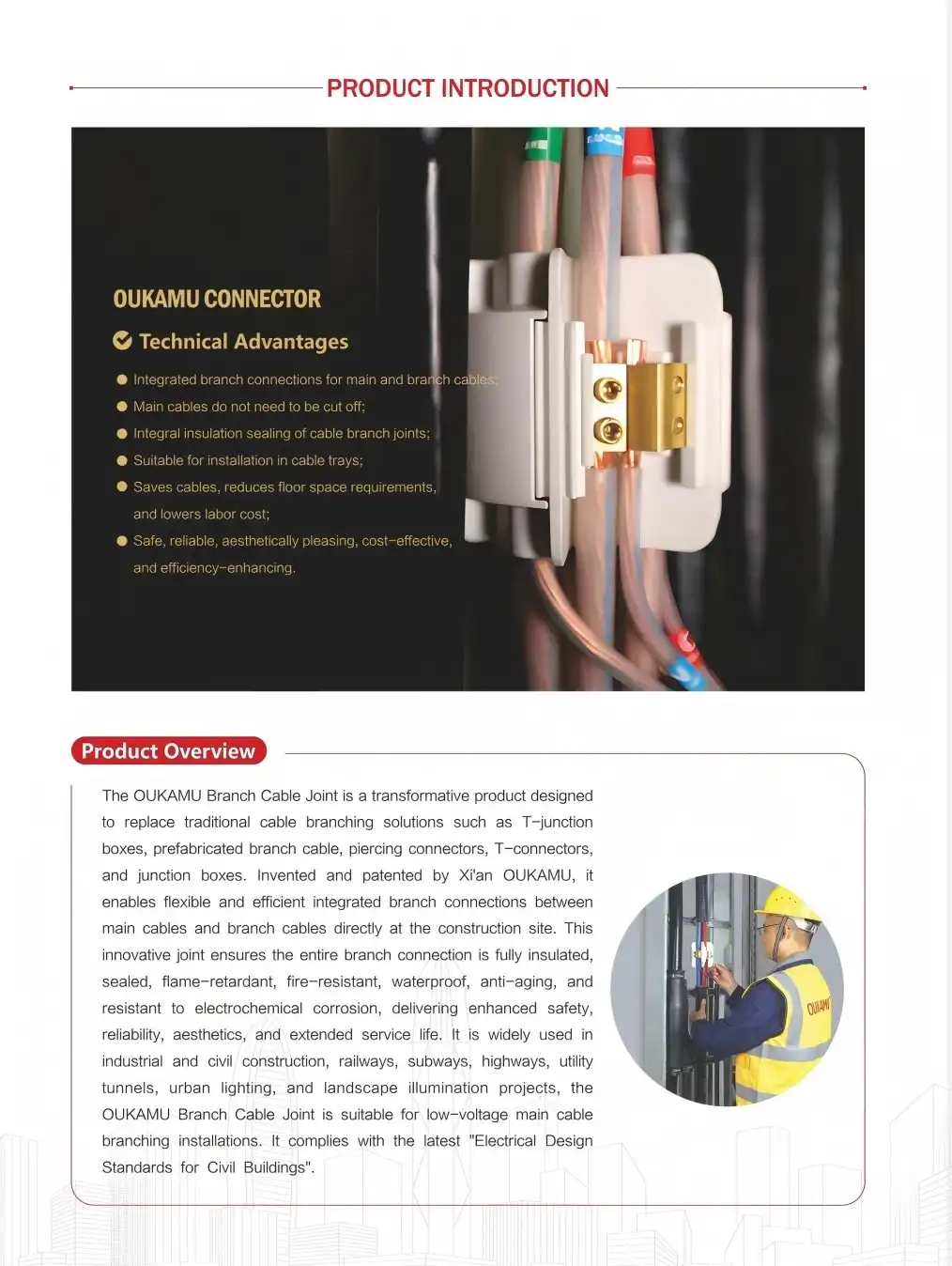
Branch Connection Innovation
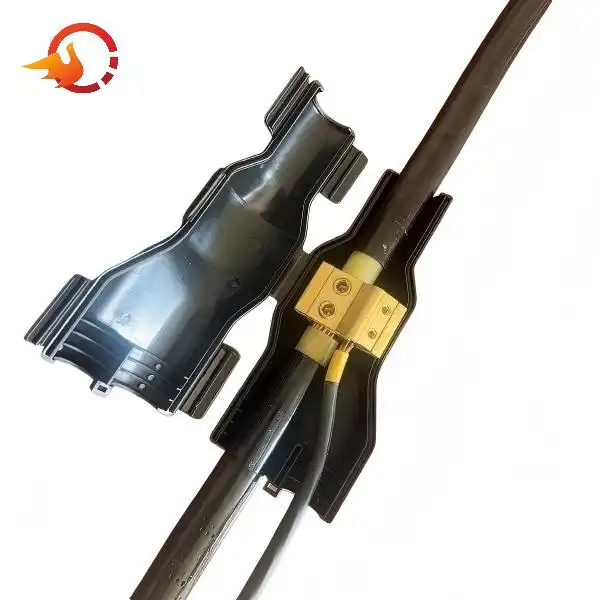
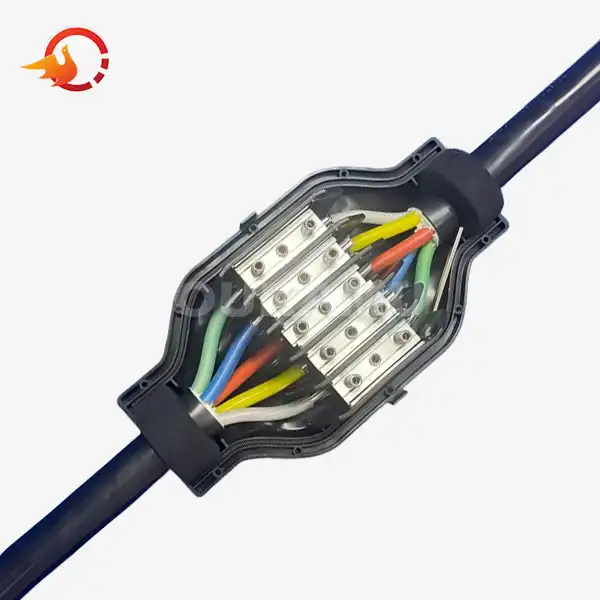
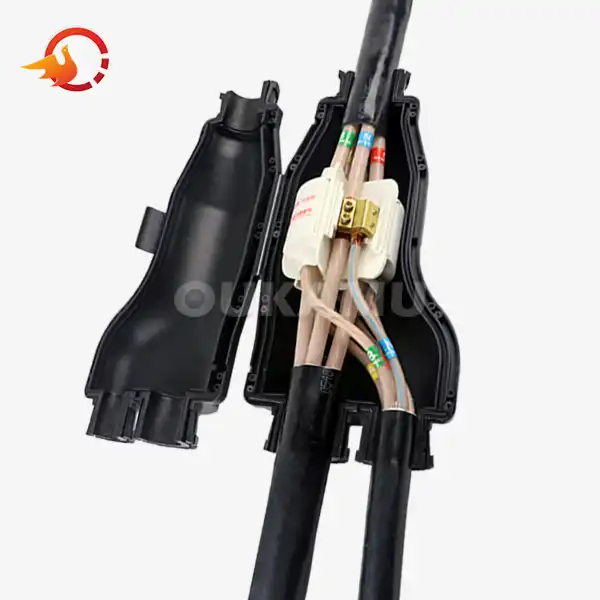
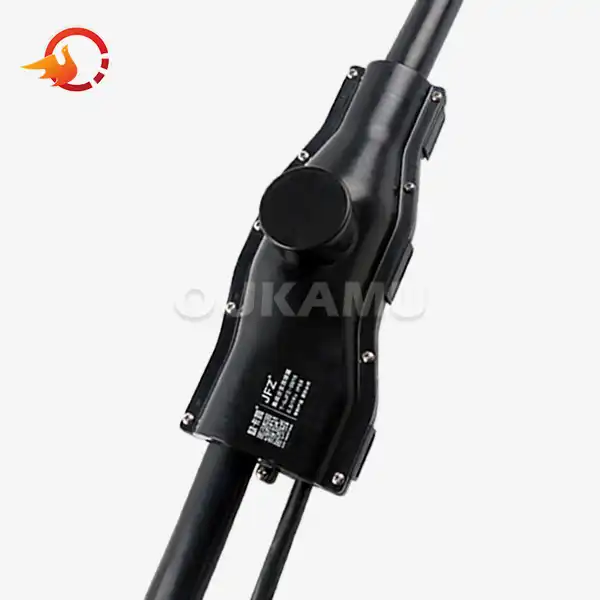
In the past, to add branch links, you had to cut main cables, which wasted material and made the splice places susceptible. This waste is fixed by integrated T-connector technology, which uses smart design. This type, ZR-JFZ-95/70, can handle main wires from 35 mm to 95 mm and branch cables from 16 mm to 70 mm without cutting trunk lines. This method keeps the structural integrity of the cable while letting the branches be placed in different ways during installation.
| Specification | ZR-JFZ-95/70 Parameters |
|---|---|
| Main Cable Range | 35mm - 95mm |
| Branch Cable Range | 16mm - 70mm |
| Rated Voltage | 0.6/1kV |
| Protection Features | Flame-retardant, waterproof, dustproof |
| Compliance Standard | GB/T 14048.7-2016 |
| Installation Method | No main cable cutting required |
| Material Savings | 2-3 meters per connection point |
Because there are no separate junction boxes, the combined structure has a 40% smaller installation size than traditional branch assemblies. As a result of meeting strict fire safety codes, flame-retardant insulation materials are used in high-rise buildings and public infrastructure projects.
How to Choose the Right Cable Joint Connector – Decision Support
Technical specifications must be matched with operational needs in order for procurement decisions to be made. Successful distributors look at customer profiles. For example, residential contractors want things to be quick and easy, industrial clients want things to last and have proof of compliance, and municipal projects need certified environmental ratings.
Application Condition Assessment
The baseline specification is set by the voltage level. Single-phase 220-240V systems are used in homes, three-phase 380-415V systems are used in businesses, and 6kV or higher medium-voltage options may be needed in industrial sites. For fixed systems, the type of cable used is solid copper wires, while for overhead lines, it is stranded aluminium. Extremes in temperature, exposure to wetness, chemical contaminants, and mechanical stress from shaking or ground movement are all environmental factors. Each variable limits the range of products that will work.
Selection Metrics That Influence Lifespan
Some measures of durability are temperature cycle resistance, dielectric strength (kV/mm), and tensile strength (N/mm²). Labour costs depend on how hard the installation is. Since contractors pay techs by the hour, 10-minute cold shrink installations are better than 45-minute resin-filled procedures when time is limited. Cable compatibility includes more than just matching diameters. It also includes insulation types (PVC, XLPE, EPR) and conductor materials (copper, aluminium, copper-clad aluminium).
Cable joint connectors play a critical role here, as their material and design must align with both the insulation type and conductor metal to avoid galvanic corrosion or dielectric mismatch. Maintenance ease is important for buildings that plan to do regular checks instead of just installing something and forgetting about it.
Brand Considerations in Wholesale Context
Established companies like 3M and ABB offer a wide range of products and excellent technical support, which makes them appealing to buyers who want to avoid taking risks and put a high value on vendor reliability. These names cost a lot, but they always make good products and handle warranties quickly.
Regional manufacturers usually offer good prices and good performance for common uses, but the documentation might not be available in multiple languages or have international certifications. The choice strikes a balance between the need for a profit and what the customer wants. For example, workers bidding on city projects need well-known brand names, but home builders are okay with value-oriented options.
Procurement Strategy for Distributors
Bulk buying deals lower unit costs but raise the costs of keeping inventory. For standard SKUs, the minimum order quantity usually starts at 500 units. For custom configurations, it's 2,000 units. Delivery times affect project timelines; local sellers ship within 48 hours, but makers in other countries need 4 to 6 weeks for container freight. Service after the sale is what sets strategic partners apart from retail sellers. Technical training programs help distributor sales teams teach contractor customers, which builds loyalty through sharing knowledge instead of just competing on price.
Exclusive territory deals help distributors who serve regional markets because they keep seller direct-sales channel problems from happening. Payment terms affect cash flow. Businesses that have been around for a while can get by with net-30 terms, but new businesses that are just starting out may need net-60 terms during growth stages. Return policies that deal with material that doesn't move quickly lower the financial risk of bringing new product categories to customers who aren't very open to them.
Installation and Maintenance Best Practices
The performance and service life of a link are directly affected by how it is installed. Different contractors have different levels of skill, which makes safe installation features important for differentiating products. Maintenance protocols make systems more reliable, which cuts down on emergency service calls that cut into contractors' profits.
Heat Shrink Installation Procedure
To start getting cables ready, insulation jackets must be scored with rotating strippers so that the blades don't touch the wire strands. Cleaning solvents get rid of oxidation and other impurities that make adhesive bonding less effective. Putting heat shrink tubes over joint points before connecting the conductors stops having to do extra work. Propane torches give off even heat, so they need to be turned on all the time to avoid overheating in some areas. The tubing should shrink without bubbling or charring. Final inspection shows that all the glue has melted off the ends of the tubes, which means they are properly sealed against the environment.
Mechanical Assembly Technique
By cutting the insulation off of the wire to exact lengths, you can make sure that the tension plates are fully engaged without exposing live metal on the outside of the housings. To avoid undertightening (which heats up the resistance) and overtightening (which bends the wires), torque tools are used. Putting anti-oxidant compounds on aluminium conductors stops galvanic corrosion at the points where two different metals meet. Before putting together housing gaskets, they need to be looked at visually for harm. Compressed gaskets stop fitting well.
Common Installation Errors
According to industry failure analysis data, 60% of early connection failures are caused by improper wire preparation. Moisture gets in when workers skip degreasing steps, which stops the adhesive from activating. When you force over-sized cables into connectors that are too small, or leave gaps between undersized cables, you create thermal hotspots and mechanical stress concentrations. If you skip the hardening times that the maker specifies for resin systems, the polymerisation process will not finish and the chemical resistance will be lower.
Maintenance Protocols for Extended Service
Visual checks every three months find early signs of wear and tear, such as discolouration, cracks, or corrosion layers. Infrared thermography can find resistance increases before insulation fails. Differences in temperature between adjacent cable sections of more than 15°C should be looked into. Every year, retorquing mechanical connections makes up for the effects of thermal cycling that make bolted joints loosen up. Cleaning out the ventilation ports of built-up dirt and dust helps keep thermal management in closed installations in good shape.
Good documentation is important. Writing down times of installation, environmental conditions, and upkeep tasks creates a baseline of performance data. This information is very helpful when people file insurance claims or look into failures, and it keeps dealers from getting sued.
Advantages and Future Trends in Cable Joint Connectors
Choosing the right connection technology has measurable benefits for operations. Improvements to reliability cut down on unexpected downtime costs—according to the Department of Energy, industrial sites lose an average of $260,000 per hour when the power goes out. Improvements to safety keep people safe from arc flash and electrical shock risks. Costs for maintenance go down over time because inspections are done more often and fixing is easier.
Quantified Performance Benefits
Utility company maintenance records show that properly specified connectors extend the life of a circuit by 25–40% compared to improvised field splices. When you use quick-mount systems instead of traditional methods that need special tools and take longer to set up, you can save up to 50% on installation labour.
Cable joint connectors play a critical role in achieving these gains, because their precision fit ensures consistent electrical and mechanical performance across every splice. Material waste goes down a lot—improvements to branch connections get rid of two to three meters of cable waste per junction point. This saves a lot of money on big projects with a lot of distribution points.
Emerging Technology Developments
Graphene nanoparticles are added to advanced polymer materials, which increases thermal conductivity by 300% while keeping electrical insulation qualities. This new idea solves the problem of heat dissipation in high-current applications, allowing for small connector designs that can be used in places with limited space. Smart monitoring integration puts temperature and humidity sensors inside connector bodies so that they can send real-time information about the condition to systems that manage buildings. Predictive maintenance algorithms look at patterns and plan repairs before they happen.
Market Evolution Patterns
As more green energy setups are made, the need for higher voltage rates grows. For example, solar farms and wind turbine networks need strong interconnection systems that can work at 1500V DC or higher. Contractors who are having trouble finding workers like modular quick-install designs because they don't require as much skill and can be put together without tools. Concerns about the environment lead to the creation of biodegradable packaging and reusable connectors, which meet the needs of environmental laws in North American and European markets. These trends affect the plans for new products and the technologies that wholesalers should focus on when they're building up their stock.
Conclusion
Knowing the different kinds of cable joint connector lets bulk wholesalers make sure that their inventory purchases are in line with how contractors usually need them. Different types of technologies—heat shrinkable, cold shrink, mechanical, and resin-filled—are each used for different types of installations, from quick fixes to long-term underwater installations. Cable joint connector selection criteria like voltage ratings, environmental protection levels, and how hard it is to install have a direct effect on how satisfied customers are and how often they buy from the same company again.
Integrated branch connection innovations get rid of wasteful material use and installation delays, giving forward-thinking wholesalers chances to make more money. As more people use renewable energy and older equipment is updated, the need for secure connection options will grow. When distributors build technical expertise and strategic partnerships with suppliers, they put themselves in a better position to take advantage of growing market opportunities and provide real value to contractor customers who are dealing with projects that are getting more complicated.
FAQ
What distinguishes cable joint connectors from splice connectors?
Cable joint connections protect against electrical and environmental hazards by restoring insulation, relieving mechanical stress, and keeping out wetness all in one unit. Splice connectors are only good for making sure that electricity flows from one conductor to another without any environmental protection. Joint systems are best for long-term setups that need to be reliable, while splice connectors are better for short-term connections or low-stakes situations where weather exposure isn't important.
How do I determine the correct voltage rating for my application?
With safety margins, match the voltage values of the connectors to the working voltage of the circuit. Connectors for residential 220-240V circuits must be rated at least 0.6/1kV, those for commercial 380-415V systems must also be rated at that level, and those for industrial medium-voltage networks must be rated at 6/10kV or higher. It is important to always check the local electrical codes and project engineering specs, because government rules may require higher ratings than what theoretical figures show.
When should waterproof connectors be specified for outdoor applications?
Any outdoor installation is at risk of getting wet, so it needs to have at least an IP65 grade of security. For direct burial, underground conduits, and coastal areas, you need IP67 or IP68 ratings that guarantee resistance to water. Better sealing is helpful for all outdoor setups, even ones that are covered, because rain and humidity break down insulation over time. The small extra cost of waterproof connections keeps you from having to pay for expensive service calls and legal problems when they fail.
Oukamu Integrated Branch Connector Solutions for Wholesale Partners
Xi'an Oukamu Electric Co., Ltd. is an expert in branch cable joint technology, which uses twenty years of improved engineering in the real world. Our ZR-JFZ-95/70 integrated T-connector stops trunk cables from being cut, which cuts down on material waste and installation problems that make workers mad and hurt distributors' ability to compete. The design works with main cables that are 35 mm to 95 mm and branch cables that are 16 mm to 70 mm, so it can meet 80% of the distribution needs of commercial buildings with just one model number.
Partnerships give wholesale distributors many advantages over their competitors. Territorial monopoly deals protect investments in regional markets and keep direct-sales channel fights from hurting relationships between distributors. Full technical support includes training for installation, help with fixing problems, and project specification advice. These are all tools that can help your sales teams win bids. Marketing materials come in packages with ready-to-use product sheets, installation guides, and comparison charts that make it easier for your customers to learn about your products.
Different-sized businesses can use flexible terms for buying things. Opening sales begin at 200 units, and payment terms of net-60 make it easier on cash flow during the time it takes to build up inventory. Consignment programs for qualified partners lower financial risk even more while making sure products are always available. Our collection of compliance documentation includes GB/T 14048.7-2016 certification, UL recognition, and RoHS attestations. This paperwork meets the needs of city bid requirements and addresses worries about contractor liability.
You can email our wholesale partnership team at info@okmbranchcable.com to talk about volume prices, available territories, and unique inventory solutions. You can look through our full cable joint connector supplier catalogue at okmbranchcable.com. It has technical specs, installation videos, and case studies with distributor testimonials. Our method is based on strategic relationships with suppliers that help both parties make money and grow the market. Let's look at how integrated branch connection technology can make your electricity distribution business stand out.
References
1. International Electrotechnical Commission. (2019). Electrical installations of buildings - Part 5-52: Selection and erection of electrical equipment - Wiring systems. IEC 60364-5-52:2019.
2. Institute of Electrical and Electronics Engineers. (2021). IEEE Guide for Field Testing of Shielded Power Cable Systems Using Very Low Frequency (VLF). IEEE Std 400.2-2021.
3. Institute of Electrical and Electronics Engineers. (2020). IEEE Recommended Practice for Installation Design and Installation of Vented Lead-Acid Batteries for Stationary Applications. IEEE Std 484-2019.
4. U.S. Department of Energy. (2022). United States Energy and Employment Report.
5. National Fire Protection Association. (2020). NFPA 70: National Electrical Code. 2020 Edition.
6. Underwriters Laboratories. (2021). UL 486A-486B: Standard for Wire Connectors.