

What cable joint kit is suitable for low voltage systems?






 2026-11-13 15:19:29
View:389
When selecting cable connection solutions for building electrical distribution projects, LV Cable Jointing technology stands as the backbone of reliable power systems. For procurement managers handling residential, commercial, or institutional projects, the answer lies in integrated T-connector systems that eliminate main cable cutting while supporting flexible branch configurations. Modern low voltage cable joint kits, particularly those rated for 0.6/1kV applications, have transformed how contractors approach power distribution—delivering installation efficiency, regulatory compliance, and measurable cost savings across multi-floor construction sites.
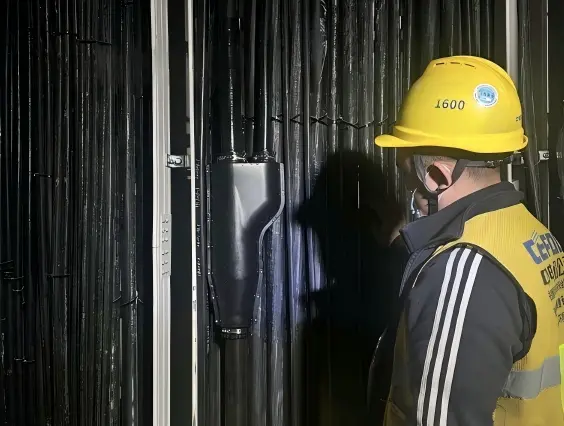

Understanding Low Voltage Cable Jointing and Its Applications
In electrical distribution networks that work below 1kV, low voltage cable jointing is the most important point of connection. These systems allow power to be sent from main distribution cables to branch circuits that supply individual loads in homes and businesses. A big problem in modern construction is making sure that electrical connections are safe, reliable, and able to handle the stresses of the environment. This technology solves that problem.
What Defines Low Voltage Cable Jointing Systems
In low voltage situations, cable jointing means making permanent or semi-permanent connections between conductor segments without affecting their electrical integrity. In contrast to traditional junction boxes that need to cut the cables, modern jointing systems keep the conductor routes constant while allowing branch takeoffs. This method is very important in hospitals and high-rise buildings with multiple floors served by vertical risers. Reliable power directly affects patient safety. The electrical properties don't change when the temperature changes or when there are mechanical movements, which are common in buildings.
Common Joint Technologies in Field Applications
The market is dominated by four main jointing methods. In heat shrink systems, polymer tubes get smaller when heated under controlled conditions. This makes tight seals around the points where they join. Conductors are buried in resin-filled joints that harden over 24 to 72 hours, making them completely resistant to water.
Alternatives to cold shrink use pre-expanded rubber sleeves that don't need any tools other than core removal tools. For quick installs, mechanical connections use compression fittings or piercing contacts, but they usually don't protect the environment as well as enclosed methods. Each technology has pros and cons when it comes to skill level, installation speed, and long-term stability.
Essential Materials and Safety Equipment
For installations to go well, the right materials must be chosen to meet the cable specs. The first layer of safety is made up of insulation tapes that are rated for electricity and temperature. Sealants stop water from getting in at points of entry. Installers need heat guns that are set to the manufacturer's specs, torque wrenches for mechanical fittings, or mixing tools for glue systems, depending on the method.
Personal safety equipment (PPE) is still required. This includes insulated gloves suited for working power, face shields when applying heat, and respiratory protection when working with chemicals. Pre-installation cable preparation tools, such as stripping blades and cleaning solvents, make sure that the conductor surface is in the right condition so that the connection works well.
How to Choose the Right LV Cable Joint Kit for Your System
Choosing the right jointing solutions requires a thorough analysis of project-specific factors that have a direct effect on how well the solution is installed and how much it will cost over its lifetime. The decision framework weighs technical needs against limited budgets and takes into account how easy it will be to do upkeep in the future.
Assessing Your Installation Environment
The installation situation determines the equipment requirements. For indoor uses in climate-controlled electrical rooms, environmental protection is not as strong as it is for outdoor transformer pads that are exposed to rain and UV light. Voltage values need to match the design of the system. Typical building distribution runs at 0.6/1kV, but higher levels are reached in some industrial settings.
Compatibility between cable types is very important; joints that keep the fire resistance of flame-resistant insulation materials are needed. Extreme temperatures in mechanical rooms or on rooftops mean that materials need to be able to withstand thermal cycles. The temperature level in the air, chemical pollution from industrial processes, and the difficulty of getting to a product all play a role in choosing it.
Core Selection Criteria for Procurement Managers
The most important requirement is that the cable diameters must be compatible. Systems that can handle main wires from 35 mm to 95 mm and branch cables from 16 mm to 70 mm give you the flexibility you need for different floor plans without having to keep a lot of stock on hand. Indicators of mechanical resilience include IP ratings for how much dust and water can get in. Ratings of IP65 or higher mean that the product will last in difficult conditions.
The difficulty of installation directly affects labour costs; products that need special tools or crews of more than one person raise project costs above and beyond the cost of materials. LV Cable Jointing adds further complexity, as its proper execution often requires skilled labour and precise handling, which can amplify these installation challenges. Certification to GB/T 14048.7-2016 and other foreign standards that are similar makes sure that the product will pass inspections and follow fire safety rules.
The following comparison shows what factors affect choices across joint technologies:
| Joint Type | Installation Time | Environmental Resistance | Skill Level Required | Reusability |
|---|---|---|---|---|
| Heat Shrink | 20-30 minutes | High (sealed) | Moderate (heat control) | Single-use |
| Mechanical T-Connector | 5-10 minutes | Very High (IP67) | Low (hand tools) | Multiple cycles |
| Resin-Filled | 40-60 minutes + cure time | Excellent (waterproof) | High (mixing ratios) | Single-use |
| Cold Shrink | 15-20 minutes | High (sealed) | Moderate (alignment) | Single-use |
Procurement Considerations Beyond Product Specifications
Supplier reliability affects project timeframes more than the catalogue states. Stocking up for months-long phased installs helps prevent construction delays. Custom designs, such as non-standard wire diameters, need advance planning with producers. Technical assistance and on-site advice from vendors may help you identify the finest items for your building's layout during design. With test findings, local installation instructions, and guarantee conditions, general builders are more likely to approve. After-sales assistance, notably rapid field replies to installation concerns, reduces downtime in deadline-driven projects.
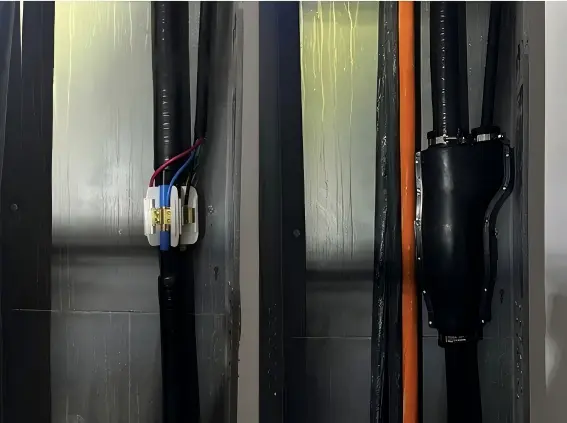

Benefits of Using Quality LV Cable Joint Kits in Low Voltage Systems
Investing in tried-and-true jointing solutions pays off in the form of better system performance and lower operating costs. There is a difference between high-end and low-cost goods when it comes to reliability measures that have a direct effect on building uptime and maintenance costs.
Electrical Performance and Insulation Longevity
During their service life, quality joints keep contact resistance below the limits set by the manufacturer. This keeps heat generation and power losses to a minimum. Tracking and corona discharge, which damage nearby wire segments, can be stopped by using the right insulator materials. Products that meet IEC 60502 standards have stable dielectric strength over the full range of recommended voltages.
Temperature cycling tests show how well materials can handle expanding and contracting, which is very important for risers that have to deal with thermal differences between equipment in the basement and equipment on the roof. Field studies have shown that high-grade insulation materials can last 20 years or more before they need to be replaced. This is because they don't absorb moisture, which is what causes electrical breakdown over time.
Streamlined Installation and Reduced Downtime
When installation goes more smoothly, labour costs go down directly. Systems that don't cut the main cable save two to three meters of cable per branch point, which is a lot of cable in buildings with a lot of floor distributions. Being able to change the places of branches on-site lets design changes happen without having to redo any work.
Integrating the connecting body, insulation, and environmental covering into a single unit cuts down on the number of steps needed to put it together and the chance of making a mistake. Shipped as kits, pre-tested parts make sure that all the necessary materials arrive at the same time, so delays are avoided due to missing parts. This operational simplicity comes in handy when you're in charge of multiple crews working on different parts of a project at the same time.
When the electrical contractor moved to combined T-connector systems in the middle of a 15-story office renovation job in Atlanta, these benefits were clear. The original plan called for standard junction boxes that needed main line division on each floor.
The team used automatic branch connections for the rest of the floors after putting in regular joints through the third floor over the course of two weeks. Cutting down on wire waste by 68%, installation time dropped to four days for twelve floors. The contractor said that they saved a total of $24,000 on material and labour costs, even though the prices of the products were a little higher per unit.
Regulatory Compliance and Global Standards Compatibility
Building inspectors and insurance companies find it easier to approve goods that are certified. UL listing for North American markets, CE marking for European projects, and CCC approval for Asian installs are all signs that the safety performance has been checked by a third party. Flame propagation standards, like IEC 60332, make sure that goods don't help fires spread, which is very important for places with a lot of people.
Environmental certifications, such as RoHS, show that a material's makeup is correct and doesn't contain any banned chemicals. When a project is finished, these certifications are important because they show that the rules were followed. This speeds up the final checks and lets business developments start making money.
Trusted LV Cable Joint Kit Brands and Supplier Overview
Choosing factory partners with a history of success lowers the risks in the supply chain and makes sure that you can use new technologies as they come out. A brand's reputation is based on the performance data that has been collected from thousands of installations.
Leading Manufacturers and Their Specializations
The electrical division of 3M was one of the first to use cold shrink technology, and it still holds a strong position in utility-grade applications that need to be very reliable. Raychem, which is now part of TE Connectivity, created heat shrink systems that are now standard in the industry, especially for installs that need to be done in difficult conditions.
Parker Hannifin offers mechanical connector solutions that focus on quick deployment by allowing installation without tools. LV Cable Jointing is a critical application where such tool-less solutions can significantly reduce on-site labour time, while European companies like Nexans and Prysmian focus on integrating systems and offer unified solutions for joints and cables. These well-known brands put a lot of money into research labs that test their goods under protocols that speed up the ageing process to make it feel like they've been used for decades.
Along with global manufacturers, specialised suppliers have sprung up to focus on niche markets for certain applications. This trend is shown by Xi'an Oukamu Electric Co., Ltd., which has been focusing on branch cable connector technology for 20 years. Their engineering work is focused on solving the problems that building contractors have by making goods that are both cost-effective and reliable enough to meet the needs of business construction schedules.
Value Beyond Product Catalogs
In competitive markets, providers who can offer technical help set themselves apart. Manufacturers that offer field application engineering can help with difficult setups that have to do with oddly shaped cables or limited space. Training programs for contractor crews cut down on mistakes made during installation and warranty claims. For example, some suppliers offer certification courses that contractors use to improve their workforce.
The quality of the documentation is important; clear installation guides that can be read in multiple languages and video lessons that help crew members learn faster. Respondent customer service teams that answer questions before bids help procurement managers make accurate project estimates. Technical hotlines after the sale fix problems in the field before they become major problems that cause delays that cost a lot of money.
As project plans get tighter, supply chain openness has become more important. When an order comes in, suppliers with regional distribution centers guarantee shorter lead times than those who ship internationally. Online sites that show stock let buying teams check stock levels before setting project deadlines. Flexible order quantities can handle both big purchases at the start and smaller restocking orders as the project moves through its stages. When comparing products that are otherwise similar, these operational factors often make the difference.
Best Practices and Safety Precautions When Using LV Cable Joint Kits
Installing certain goods correctly determines whether they work the way they're supposed to. Even high-quality joint kits don't work if they're not used correctly, so following the steps is very important.
Critical Safety Protocols During Installation
Verification of de-energization is the first step that must be taken. Test equipment makes sure there is no electricity before workers touch the wires. Lockout/tagout procedures keep electricity from being turned on by accident during installation. Personal protective equipment should be chosen based on the level of danger. For example, arc-rated face shields protect against residual stored energy in capacitive systems.
When using chemical compounds, you need to make sure there is enough air flow. When mixing and drying resin systems, they give off fumes that you need to protect your lungs from in small areas. Tool condition is important. For example, heat guns that are broken create hot spots that damage insulation, and crimping dies that are worn out don't compress properly. Access needs are spelt out in site-specific safety plans, especially for work that needs to be done at a height on ladders or scaffolding around vertical risers.
Quality Assurance Through Installation Process
Before joining, pre-installation tests check the state of the cables. Surfaces that are dirty from pulling oils or dust from the environment need to be cleaned with approved solutions so that insulation materials can stick properly. To strip a conductor, you need specially designed tools that can take the insulation without damaging the metal. Even small cuts cause stress to build up, which eventually causes the metal to break.
Verifying the dimensions makes sure that the joints will work together; trying to install them on cables that are too small or too big will compromise the sealing. The weather during installation has an effect on the results. For example, resin systems need a certain range of temperatures and humidity to cure properly, and heat shrink uses need cover from wind to keep the heating even. Documenting the installation process, such as taking pictures of important steps, is helpful for guarantee claims and future upkeep.
Maintenance Strategies for Long-Term Reliability
Inspection times depend on how important the application is. Mission-critical buildings like hospitals do yearly thermographic scans that look for high temperatures that could mean that connections aren't working well. Visual inspections find damage to the structure, the entry of water, or cracks in the insulation. Electrical testing is done regularly to check the insulation resistance and contact resistance trends.
Gradual degradation shows that the service is getting close to its end of life before it fails completely. Monitoring the environment at joint sites keeps an eye on conditions that are too high for the design limits. For example, too much humidity or chemical exposure may mean that extra protection is needed.
Maintenance accessibility concerns during the design process make sure that techs can get to joints without taking the whole thing apart, which is something that is often forgotten until service is needed. Keeping accurate records of installation dates and maintenance information lets you make data-driven choices about replacements instead of making repairs when something goes wrong.
Introducing the ZR-JFZ-95/70: A Solution for Modern Building Projects
To solve the problems that electrical contractors face, products need to be made based on real-world conditions instead of ideals found in the lab. This useful way of thinking about engineering is shown by the ZR-JFZ-95/70 branch cable joint system.
Technical Specifications and Compliance
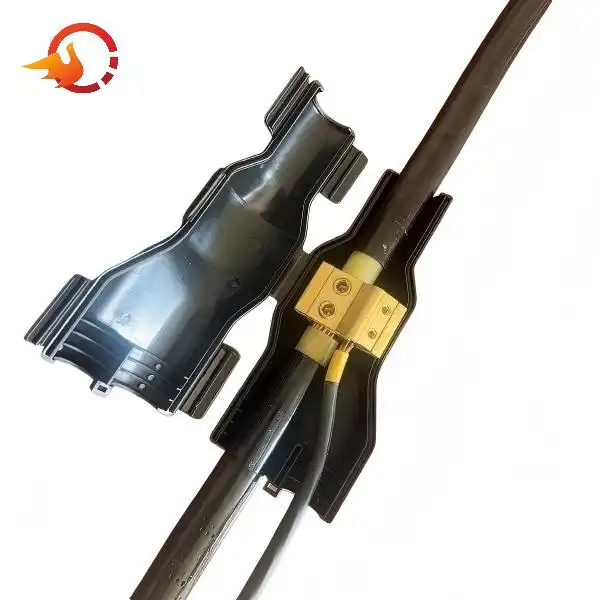
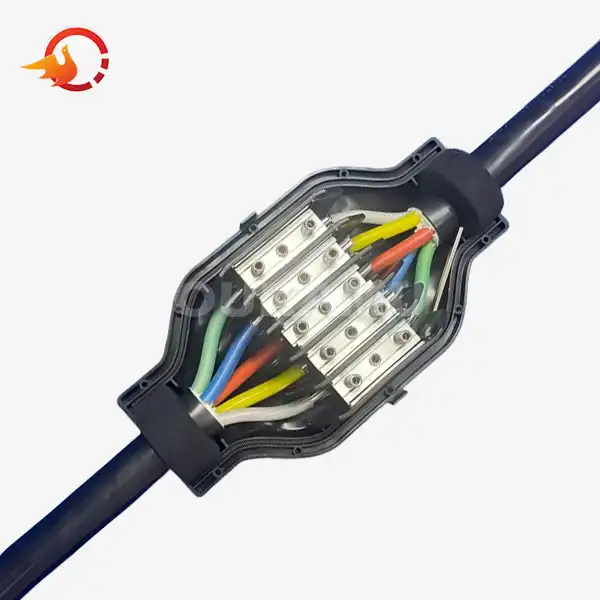
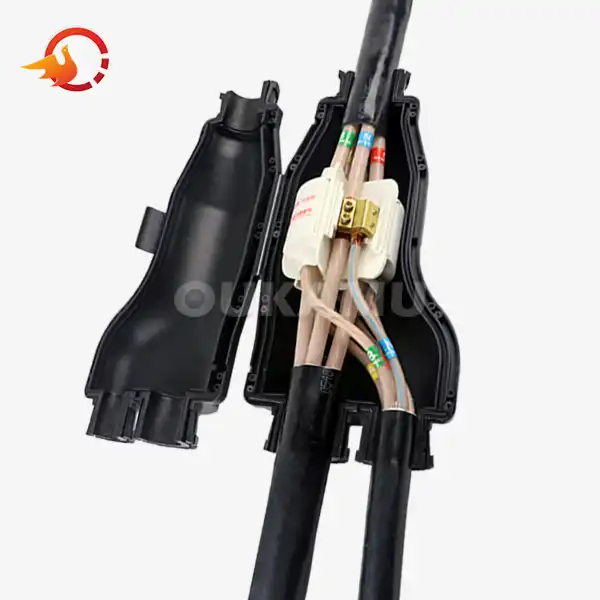
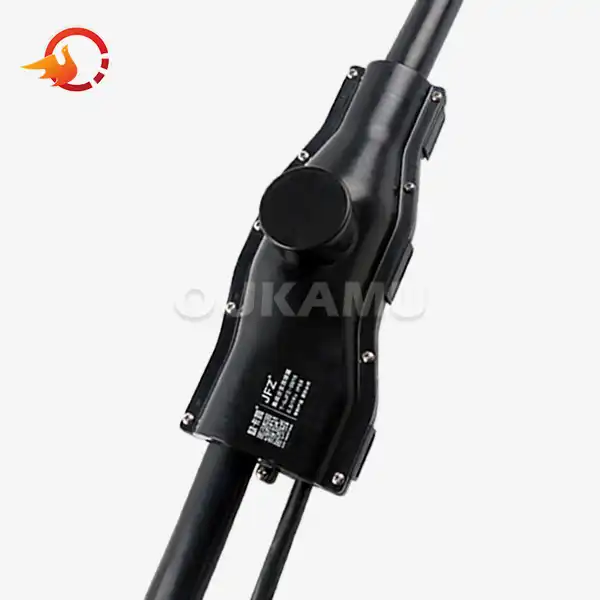
LV Cable Jointing is essential for low-voltage distribution networks, and this built-in T-connector can handle main lines with diameters between 35 and 95 mm and branch cables with diameters between 16 and 70 mm, which is enough for most building distribution needs. The voltage rating of 0.6/1kV is in line with normal low voltage distribution systems.
The building is flame-retardant and fire-resistant, which meets GB/T 14048.7-2016 standards and other foreign safety standards. The sealed design offers IP67 protection against dust and short-term immersion in water, making it suitable for use both inside and outside electrical rooms. Thermal cycles and UV exposure don't break down insulation materials, so their insulating properties stay the same over long periods of time.
| Specification Category | ZR-JFZ-95/70 Parameters |
|---|---|
| Main Cable Range | 35mm - 95mm |
| Branch Cable Range | 16mm - 70mm |
| Rated Voltage | 0.6/1kV |
| Protection Rating | IP67 (dust-tight, water immersion resistant) |
| Compliance Standards | GB/T 14048.7-2016, IEC equivalents |
| Insulation Properties | Flame retardant, fire resistant, anti-aging |
| Installation Method | No main cable cutting required |
| Typical Installation Time | 8-12 minutes per branch point |
Operational Advantages in Construction Environments
The no-cut design keeps the main cable in good shape and lets branch connections happen anywhere along the run. This versatility comes in very handy when floor plans need to be changed during building or when renter improvements mean that power needs to be moved around. Installation only needs basic hand tools, no special heat or mixing equipment is needed.
This lowers the skill requirements and the cost of buying the right tools. The integrated structure blends insulation, mechanical link, and environmental sealing into a single unit, so there is no need for multiple parts to work together. Because they are small, they can be installed in electrical shafts and cable bridges that are crowded and don't have room for big junction boxes.
Saving materials saves money in a measurable way. When you don't have to cut and terminate main lines at each branch point, you save two to three meters of expensive feeder cable per floor in most high-rise setups. When added up over 20 or more floors, these savings make up for higher per-unit joint costs while also cutting down on cable waste. Labour efficiency adds to these benefits; faster installation means more branches are finished per crew day, which speeds up project plans and lowers general conditions costs.
These useful benefits were shown by a new apartment block project in Phoenix. The 22-story building had to get power to 264 apartments spread out over normal floors. At first, the electrical subcontractor thought it would take 18 working days to use standard methods to install the risers and connect the branches.
When combined branch connections were used, the installation time was cut down to 11 days. The builder not only improved the schedule, but also saved $18,200 in materials by cutting down on wire waste and getting rid of junction box hardware. Post-installation checks found no problems that needed to be fixed. This was possible because the installation process was made easier, which reduced the chance of mistakes being made by people.
Conclusion
It's important to find the right cable joint kits for low voltage systems by weighing technical performance, installation efficiency, and costs over the product's lifetime. LV Cable Jointing plays a central role in this evaluation, as modern integrated solutions are clearly better than older ones because they protect the main cable, allow for flexible positioning, and make installation easier.
Quality goods that meet foreign standards provide reliable electrical performance while making the approval process easier. For procurement managers in charge of building projects, the lower material waste, faster installation, and low maintenance needs create a good total cost of ownership, even if the unit prices may be higher. When you work with manufacturers that focus on what contractors need, you can be sure that you'll have access to useful new products that solve problems in business building settings.
FAQ
Can one joint kit accommodate multiple cable sizes on the same project?
Multiple conductor diameters can be used with modular joint systems that have ranges that can be adjusted. The ZR-JFZ line, which has main cables that are 35–95 mm and branches that are 16–70 mm, can handle most building distribution situations without having to keep different SKUs for each size combination.
This versatility makes it easier to keep track of inventory and lets contractors stick to a few main product lines. Compression fittings or expandable contact elements let the connection mechanism adapt to the size of the cable. It is still important to make sure that the joints are the right size; trying to use them outside of the recommended ranges hurts the seals and electrical performance.
What makes heat shrink different from mechanical branch connectors in practical use?
Controlled thermal application with specialised equipment is needed for heat shrink joints to shrink evenly without getting too hot. Installers need a modest level of skill. The process makes connections that last forever and seal well against the environment. It takes 20 to 30 minutes per joint to install, which includes time for cleaning and cooling.
Compression or cutting contacts are used in mechanical T-connectors, which can be put together with hand tools in 5 to 10 minutes. They protect the environment in the same way through integrated covers, but they can be disconnected for future changes to the circuit. The choice depends on whether permanent links are better for the job or whether easy upkeep makes mechanical methods more appropriate.
How do I identify reliable suppliers when sourcing joint kits?
Verification starts with proof of certification. Instead of taking claims at face value, ask for copies of test reports from accredited laboratories. Suppliers who have been around for a while will give you references from projects that their goods worked well on. Certifications for manufacturing facilities, such as ISO 9001, show that they manage quality in a systematic way.
Use pre-purchase questions to find out how good the technical support is; answers that show knowledge show real expertise versus just distribution. Sample evaluation programs let you try them out before you commit to big orders. Longevity as a supplier in the market builds trust—companies that stay in business through multiple business cycles show that their products are popular and that they are financially stable.
Partner with Oukamu for Reliable LV Cable Jointing Solutions
Xi'an Oukamu Electric Co., Ltd. has been focusing on branch cable connector technology for 20 years, so they know how to solve the problems that electrical contractors face on building projects. Our engineers worked directly with installation professionals to create the ZR-JFZ series. This way, we could make sure that the products would work in real life, not just in theory.
The built-in T-connector design keeps the main cable from having to be cut and allows for flexible branch positioning. This directly cuts down on material waste and labour costs that hurt the project's ability to make money. Following GB/T 14048.7-2016 and other foreign standards makes it easier to get inspection approvals, and IP67 protection against the environment makes sure that the product will work reliably for a long time in a variety of installation settings.
Our technical support team can be reached at info@okmbranchcable.com and can help with questions about product selection and application. They can also help procurement managers find the best LV Cable Jointing supplier solutions for their projects. You can find full information about okmbranchcable.com and ask for samples to test in your future installations.
References
1. International Electrotechnical Commission. (2014). IEC 60502-1: Power cables with extruded insulation and their accessories for rated voltages from 1 kV up to 30 kV. IEC Standards.
2. Electrical Installation Wiki. (2019). Cable joints and terminations. Schneider Electric.
3. IEEE Power & Energy Society. (2018). Long-term performance evaluation of polymeric cable accessories. IEEE Transactions on Power Delivery, 33(4), 1852-1860.
4. NECA (National Electrical Contractors Association). (2020). Cable Installation Standards and Best Practices. NECA Publications.
5. Institute of Electrical and Electronics Engineers. (2017). IEEE 400: Guide for field testing and evaluation of the insulation of shielded power cable systems. IEEE Standards Association.
6. Copper Development Association. (2021). Cable jointing techniques for electrical installations. CDA Technical Publications.