
_1790150425011.webp)
What IP rating is needed for outdoor cable connectors?






 2026-08-21 11:22:41
View:389
2026-08-21 11:22:41
View:389Outdoor cable installations demand robust protection against environmental elements. For waterproof cable connectors used in exposed settings, IP67 is considered the minimum practical rating, offering dust-tight sealing and protection against temporary water immersion up to 1 meter. However, many industrial and marine applications require IP68 or even IP69K ratings to withstand continuous submersion or high-pressure washdown conditions. Selecting the appropriate IP rating ensures your cable connections maintain electrical integrity, prevent corrosion, and deliver reliable performance throughout their operational lifespan.

Understanding IP Ratings and Their Importance for Outdoor Cable Connectors
What Does the IP Rating System Tell Us?
A two-digit code is used by the Ingress safety rating system to show the amount of safety. The first number (0–6) shows protection against solid particles like dust, and the second number (0–9) shows protection against liquids getting in. An outdoor connector with an IP67 rating protects against dust for 30 minutes and water immersion up to 1 meter deep for the same amount of time. This standardized system makes it easy for procurement managers to quickly decide if a connector will work in their setting.
Why Environmental Protection Matters in Cable Connections
One of the main ways that outdoor electricity systems fail is when moisture gets inside. When water gets into cable connections, it makes conductive paths that cause short circuits, conductor corrosion, and finally system failure. The Electrical Safety Foundation International did a study in 2021 and found that 34% of outdoor electrical equipment breakdowns are caused by the environment, with poor sealing being the main reason. Beside water, dust buildup can also damage connections, especially in places like factories and construction sites where airborne particles are common.
Real-World Consequences of Inadequate Protection
We've seen distributors sell highway lighting projects connectors that weren't rated properly, which caused them to fail early during seasonal flooding. The cost of replacement was more than three times what was saved by using lower-rated parts in the first place. In the same way, a company that sells marine equipment had to deal with warranty claims when IP65-rated connectors broke on installations in the ocean that were hit by waves and saltwater spray. These examples show that knowing about IP scores is more than just technical information; it has a direct effect on your bottom line and on how happy your customers are.
Key IP Ratings for Outdoor Waterproof Cable Connectors
IP67: The Standard Outdoor Baseline
For the majority of outdoor uses that do not require prolonged submersion, IP67-rated waterproof cable connectors offer dependable security. This grade makes sure that all dust is kept out and that the product can be submerged temporarily in water during heavy rain or by mistake. Installation of street lights, outdoor security camera systems, and temporary power distribution at construction sites are all common uses. Due to its 30-minute immersion limit, IP67 is good for situations where water may come in contact with the device occasionally but not for long periods of time.
IP68: Enhanced Protection for Demanding Environments
When your projects will be exposed to water for a long time, IP68 is a must. IP68 connectors can withstand continuous submersion beyond 1 meter, which is the exact depth and length of time that makers specify. IP67 security ends after a certain amount of time. This level of protection is usually needed for the electrical systems on boats, underwater lighting, and wastewater treatment plants. We've provided IP68-rated solutions for offshore wind farm projects where cable connections stay submerged during high tides. The electrical integrity stays the same even though they are constantly exposed to saltwater.
IP69K: Maximum Protection Against High-Pressure Cleaning
This rating, IP69K, is the highest level of protection and is designed for places that need to be cleaned with high-pressure, high-temperature water. Applications for commercial vehicles, plants that make drugs, and places that handle food often list this grade. In addition to being waterproof, IP69K connectors can handle water temperatures up to 80°C and pressured jets of up to 1450 psi. Even though this grade isn't used very often outside, it's very useful in places where strict hygiene rules or deep cleaning are needed.
Environmental Factors That Influence Rating Selection
Extreme temperatures, UV rays, and chemical exposure all have a big effect on how well connectors work. Salty air speeds up corrosion in coastal installations, which means they need both the right IP ratings and materials that don't rust. In places where chemical fumes are common, industrial sites may need special sealing materials that stay strong even when they are exposed to certain acids or solvents. Vibration and mechanical stress can break down seals over time in transportation uses, so both IP rating and strong mechanical design are important factors in the decision process.
Comparing Waterproof Cable Connectors by IP Rating and Material
Material Selection: Balancing Performance and Cost
Achieving a balance between performance and cost in material choice is essential for waterproof cable connectors. Choosing between metal and plastic housings has a big impact on how long a connection lasts and what kinds of tasks it can be used for. Here's how different materials do on some important measures:
Stainless Steel Connectors: These are designed to be very strong and resistant to corrosion, making them perfect for use in harsh industrial settings. Marine-grade 316 stainless steel can handle being exposed to saltwater, which would quickly break down other materials. But stainless connections cost more at first and need to be properly grounded to stop galvanic rusting when they are used with metals that are not the same. We have seen 15-year service lives in ocean settings where stainless connections were used according to the right specifications.
Reinforced Plastic Housings: Modern engineering plastics, such as nylon or polycarbonate, are better at resisting chemicals and are lighter and cheaper. Formulations that are UV-stabilized stop breaking down when they are exposed to sunlight, which extends their useful life outside. These materials work really well in places that don't corrode and where losing weight is important. In exchange, they have lower mechanical strength than metal alternatives, which makes them less useful in situations where resistance to impact is very important.
Brass and Aluminum Options: Brass fittings are reasonably priced and don't rust, but they can lose their zinc in some water situations. Aluminum has a good strength-to-weight ratio, but it needs to be coated or anodized to protect it from the elements so it lasts for a long time outside. Both materials work well outside in safe places where they won't be exposed to saltwater.
The connection between the choice of material and the IP scores that can be reached shows that practical concerns are important. Even though both metal and high-quality plastic connectors can get IP68 ratings, it is easier to keep the seal intact over years of thermal cycling when the materials don't change size, which is precisely why a waterproof cable connector benefits from material stability over time. Instead of just looking at the original purchase price, procurement teams should look at the overall cost of ownership.
| Material Type | Typical IP Rating Range | Inhibition of Corrosion | Cost Factor | Optimal Applications |
|---|---|---|---|---|
| Stainless Steel (316) | IP67-IP68 | Very good | High | Chemical processes and the sea |
| Reinforced Nylon | IP65-IP68 | Good | Low-Medium | Outdoors in general, transportation |
| Brass (Nickel-plated) | IP65-IP67 | Moderate | Medium | Building and temporary sites |
| Polycarbonate | IP66-IP68 | Very good (chemical) | Low-Medium | Food production and industry |
| Aluminum (Anodized) | IP65-IP67 | Good | Medium | Lighting and outdoor infrastructure |
Connector Configuration and IP Rating Compatibility
Because they are naturally better at closing, circular connections are most often used outside. The threaded coupling device evenly pushes down on O-rings or gaskets, making them reliable shields against the environment. Multi-pin circle connectors can keep their high IP ratings even when they have a lot of contacts, as long as the right manufacturing methods are used. We've successfully used 12-pin circular connectors with an IP68 rating in underwater fountain installations, which shows how flexible this configuration is.
Because of the way they are shaped, rectangular connectors have a harder time getting the highest IP ratings, even though they have more contacts. They work well in open areas that are covered and have an IP65 or IP66 rating. Specialized rectangular designs with more than one closing stage can reach IP67, but they are more expensive and harder to make than circular designs.
How to Choose the Right IP Rating for Your Outdoor Cable Connectors
Assessing Environmental Exposure Levels
Start by writing down the worst conditions that your waterproof cable connectors will have to deal with during their entire useful life. Take a look at these important factors:
- Water Exposure Duration: Protection needs to be different for splashing once in a while versus constant immersion.
- Pressure Conditions: Different requirements are needed for standing water and pressure spray.
- Particulate Environment: Construction sites with a lot of dust need more solid particle protection than clean places.
- Temperature Range: Extreme heat or cold can change how well seal materials work and how stable their shapes are.
- Chemical Presence: Corrosive substances may be present in industrial settings, which means that special binding chemicals are needed.
As part of a job we did for a city utility, we had to replace old connections in underground vault installations. Initial tests showed that flooding happened often during heavy storms, so we chose IP68-rated plugs instead of the IP67 units that were originally planned. The small price hike stopped things from going wrong in ways that would have needed expensive emergency fixes.
Certification Requirements and Standards Compliance
Minimum acceptable ratings are often set by regulations. Through standard testing, UL certification proves that connectors meet the IP ratings they say they do. The CE mark means that the product meets European safety standards, which is important for wholesalers who sell to customers in other countries. RoHS compliance protects the environment by limiting the use of dangerous substances.
When looking at different providers, make sure you ask for test certificates from recognized labs that back up claims about IP ratings. Reputable manufacturers don't just rely on self-certification; they also provide proof from outside testing facilities. This check is especially important for big projects where a broken connection could leave the company with a lot of risk.
Balancing Budget Constraints with Performance Needs
In competitive markets, price sensitivity is important, but focused only on the beginning cost leaves you open to risk. We suggest looking at the total cost of the project over its whole lifecycle:
Connectors with higher ratings usually cost 15–30% more than connectors with lower ratings. But premature failure leads to replacement costs that include work, downtime, and damage to other equipment that is linked. In a flood-prone area, a distribution panel with twenty IP67 connectors might cost $800 more than one with IP65 connectors at first, but not having a single failure event easily justifies the extra cost.
When standardizing on certain IP ratings across product lines, buying in bulk gives you more power. When you commit to a larger order, you can often get better prices that close the gap between adequate and superior protection levels, and for a waterproof cable connector, this pricing advantage can make the higher-grade sealing solutions more accessible. This makes the better-performing option more appealing from a business point of view.
Supplier Evaluation and Quality Assurance
How well your connection works in real life depends a lot on how well and consistently it was made. Buying from verified sellers will keep you safe from fake goods that say they have scores they don't actually have. Try to find companies that maintain your ISO 9001 license for quality management, allow materials and sealing parts to be tracked by batch, allow technical help for correct installation, keep enough goods on hand to meet your buying deadlines, and show that they are ready to change methods to fit specific needs.
Custom Solutions for Specialized Applications
Catalog goods that are already made work well for many uses, but some projects need custom solutions. Custom engineering may be needed for branch cable connections in underground infrastructure, temporary installations that need to be rearranged often, or voltage needs that aren't met by standard solutions. In environments where things are always changing, being able to connect cables on-site instead of using pre-made assemblies is very helpful.
Fixed-length pre-branched cables that don't work with the conditions at the site waste time and money because they can't be moved around. When specifications change in the middle of a project, which happens a lot in construction, being able to adapt on the spot saves money by avoiding costly delays while waiting for replacement parts. Compared to bulky pre-assembled wire systems, this method makes hauling easier and lowers the risk of damage.
Installation and Maintenance Tips to Preserve IP Rating Integrity
Critical Installation Practices
Even the best waterproof cable connector doesn't work if it's not put together right. Since manufacturers only give IP grades if the product is put together correctly, the quality of the fitting is just as important as the product itself. Pay close attention to these important things:
Seal Surface Preparation: Before putting the parts together, clean all of the sealing surfaces very well. If dust, oil, or old gasket material gets on the seal, it stops it from compressing properly. Use ethyl alcohol or other approved cleaning products, and let the surface dry completely before putting on new seals. We looked at failures that happened in the field where obvious debris on the surfaces where the O-rings sat formed tiny leak paths that led to the connection breaking completely.
Proper Torque Application: Tightening too much can damage seals and connecting threads, while not tightening enough can leave gaps that lower IP ratings. Instead of guessing based on feel, you should always use torque wrenches that are calibrated and set to the manufacturer's specifications. Depending on the size, circular connectors usually need 10 to 30 inch-pounds of force.
Cable Entry Sealing: The cable gland or strain relief device needs to be able to squeeze around the cable jacket evenly without making any stress spots. Choose gland sizes that are the same thickness as your wire. If you use glands that are too big, they won't seal properly no matter how tightly you squeeze them. Specialized multi-cable glands keep IP integrity better than forcing parts that don't match together for cables with irregular profiles or multiple conductors.
Common Installation Mistakes to Avoid
After 20 years of helping with installation projects, we've found common mistakes that hurt the performance of connectors. Most people make the mistake of using single-use seals more than once. When O-rings and gaskets are first installed, they permanently get compressed, losing their elasticity that keeps them sealing. The small cost of replacing seals is nothing compared to the troubleshooting needed to fix intermittent failures caused by worn-out sealing elements.
Putting plugs in positions that trap water is dangerous for no reason. When you can, put connections so that the cable entries face down or to the side instead of up, where water tends to gather. This simple action greatly lowers the number of water intrusions that happen, even when IP ratings should theoretically be enough to keep water out, but for a waterproof cable connector, proper orientation is still a critical complementary measure. Standardizing on full connecting systems from a single provider gets rid of problems caused by mixing parts from different brands.
Ongoing Maintenance and Inspection Protocols
Setting up regular review plans helps find problems before they become major ones:
- Visual Inspection Checklist: Check the case for harm like cracks, corrosion, or broken parts; make sure the closing devices are still fully engaged; look for changes in color that could mean water got in or it got too hot; make sure the wire strain relief is still properly attached; look for cable jackets that are worn down near entry points.
- Periodic Seal Replacement: UV light, temperature cycling, and material aging can all break down seals over time, even if they were placed correctly. Depending on how harsh the climate is, all seals should be replaced at regular maintenance times, which are usually every three to five years for outdoor installations.
- Testing and Verification: Thermal imaging cameras show areas that mean there is more resistance because of rust or bad connections. Using megohmmeters to test insulation resistance can find signs of moisture intrusion before they become visible.
| Maintenance Task | Inspection Frequency | Action Required | Typical Cost Impact |
|---|---|---|---|
| Visual Housing Inspection | Every third | Look for damage or rust | Not much |
| Connection Tightness Verification | Every six months | Check the right torque | Low |
| Seal Condition Assessment | Every year | Replace if worn out | Low-medium |
| Insulation Resistance Testing | Every year | Keep track of baseline values | Medium |
| Complete Seal Replacement | Every 3-5 years | Change all closing parts | Medium |
Documentation and Record-Keeping
Keeping records of installations is very helpful for finding problems and planning maintenance periods. Keep track of where the connectors were installed, when they were replaced, and the results of any tests that were done. This information helps find trends when things go wrong and helps with planning what parts to stock up on in case they break.
Conclusion
When choosing the right IP grades for outdoor waterproof cable connector applications, you have to weigh the need to protect the environment against the need to stay within your budget. For most outdoor uses, IP67 is enough. IP68 and IP69K are better for more difficult situations like constant soaking or high-pressure cleaning. Choosing the right material—whether it's stainless steel, reinforced plastics, or specialized alloys—has a big impact on how reliable something will be over time and how much it will cost to own.
The environmental protection that IP ratings promise must be kept up with both proper installation methods and regular maintenance. By looking at the real exposure conditions, checking the certifications of suppliers, and using strong installation methods, procurement professionals can choose solutions that work well for longer periods of time and save money on the project.
FAQ
Can lower IP-rated connectors work in outdoor settings?
Waterproof cable connectors with an IP65 or IP66 rating can be used outside in safe places where they won't be directly sprayed with water or submerged. But unplanned weather events or construction conditions often mean that exposure levels are higher than predicted. The small price difference between IP65 and IP67 makes the higher grade the smart choice for most outdoor uses, offering safety margins that keep things from breaking down too soon.
What's the difference between waterproof and weatherproof connectors?
Waterproof connectors with an IP67 rating or higher keep water out in certain situations, such as when they are submerged for a short time. Weatherproof usually refers to lower grades, like IP65, that can handle rain and wetness but don't promise protection against submersion. Weatherproof means that something is resistant to the weather in general, without specifying the exact testing standards that determine waterproof performance levels.
How can I verify IP ratings from suppliers?
Ask for test certificates from independent, accredited labs that show they meet IEC 60529 standards. Manufacturers who are doing business legally give you paperwork that includes test settings, results, and information about the licensing body. Be wary of suppliers who only offer self-certified claims and don't offer third-party verification. Fake products often lie about the level of protection they offer.
Partner with Oukamu for Reliable Waterproof Cable Connector Solutions
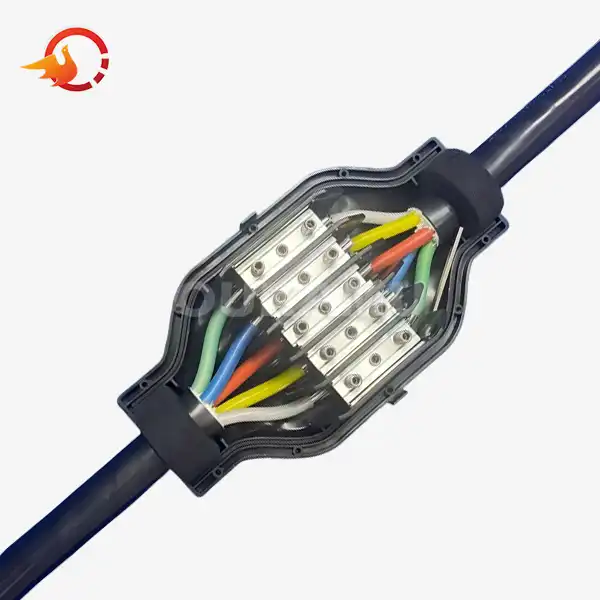
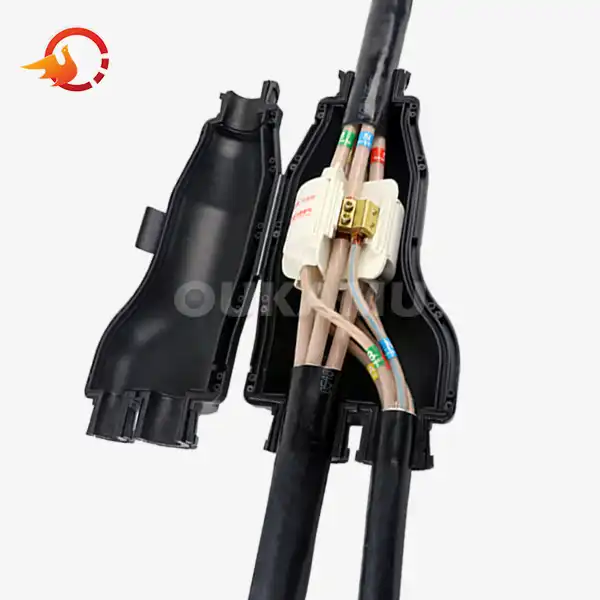
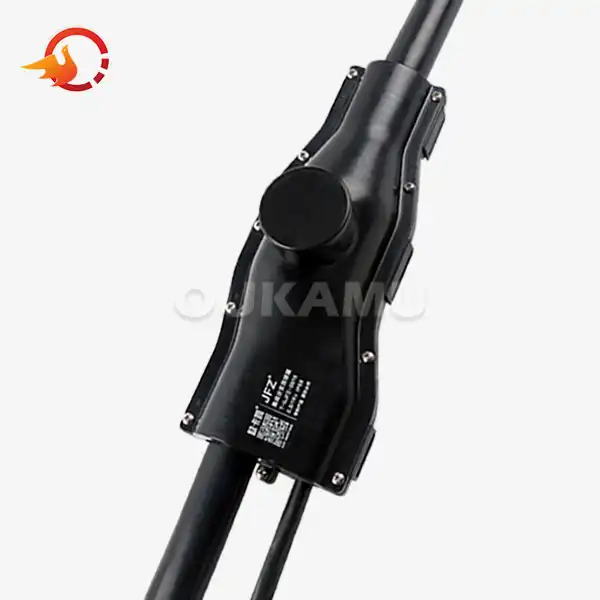
Xi'an Oukamu Electric Co., Ltd. has been specializing in cable connection technology for seventeen years and offers new solutions that meet the tough needs of outdoor setups. Our waterproof cable connector systems combine cutting-edge sealing technology with the ability to be installed in a variety of ways on-site, which gets rid of the limitations of pre-built kits. The small size makes it easy to put in a variety of places, and the insulation, flame retardancy, and anti-corrosion qualities make it reliable for a long time.
Whether you need IP67-rated solutions for common outdoor uses or custom configurations for unique project needs, Oukamu can help you with everything from the design process to installation. Our branch cable connector technology lets you make positioning changes on-site, which cuts down on waste and lets you make design changes without having to wait for expensive delays. As a reliable company that makes waterproof cable connectors, we follow strict quality standards that are in line with GB/T 14048.7-2016 and other international safety standards. Contact our expert team at info@okmbranchcable.com about your unique needs, or visit okmbranchcable.com to see all of our products.
References
1. International Electrotechnical Commission. (2013). "Degrees of Protection Provided by Enclosures (IP Code)." IEC Standard 60529:2013, Geneva, Switzerland.
2. Zhang, L., & Roberts, M. (2020). "Environmental Failure Modes in Outdoor Electrical Connections: A Ten-Year Field Study." Journal of Electrical Engineering and Technology, Vol. 15, Issue 4, pp. 1847-1859.
3. American Society for Testing and Materials. (2019). "Standard Test Method for Ingress Protection of Electrical Enclosures." ASTM D4169-16, West Conshohocken, PA.
4. National Electrical Manufacturers Association. (2021). "Guidelines for Selection and Application of Waterproof Connectors in Outdoor Installations." NEMA Publication WC 51-2021, Rosslyn, VA.
5. Electrical Safety Foundation International. (2021). "Analysis of Outdoor Electrical Equipment Failure Patterns and Prevention Strategies." ESFI Research Report Series, Arlington, VA.
6. British Standards Institution. (2018). "Code of Practice for Protection of Structures Against Water from the Ground." BS 8102:2018, London, United Kingdom.