

_1790150425011.webp)
What applications require straight-through cable joints?






 2026-08-20 10:52:53
View:389
2026-08-20 10:52:53
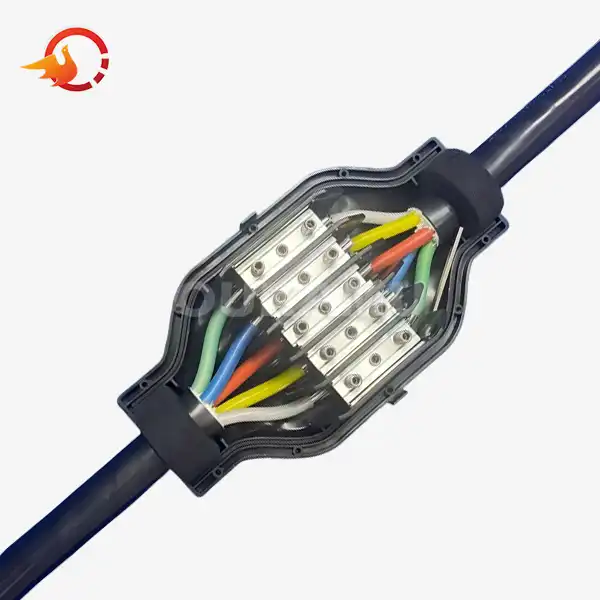
View:389Straight-through cable joints with connectors serve as essential components across numerous industrial and commercial environments, maintaining uninterrupted electrical flow between cables without altering the original pathway. These devices create seamless connections that extend cable runs, repair damaged sections, or integrate branch circuits into existing infrastructure.
Industries ranging from telecommunications to renewable energy depend on these solutions to ensure signal integrity, power continuity, and operational safety. The growing complexity of electrical systems in modern buildings, data centers, and industrial facilities has elevated the importance of reliable cable jointing technology that meets stringent safety standards while reducing installation time and material costs.

Understanding Straight-Through Cable Joints and Their Functionality
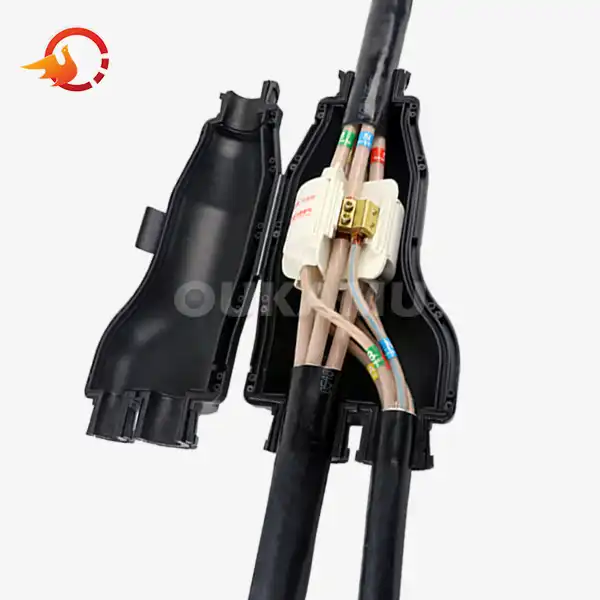
Straight-Through Cable Joints With Connectors keep the flow of electricity or data messages going between cable pieces by acting as connection points. Unlike traditional methods of splicing, which involve cutting the main wire, these new plugs make branch connections while leaving the trunk line whole. Flame-resistant insulation bodies are used in the design to cover both the main and branch wires. This makes for a safe electrical path that is not affected by environmental dangers.
Core Components and Working Principles
To make these Straight-Through Cable Joints With Connectors, special insulating compounds are used that are made to stop flames from spreading, water from getting in, and chemicals from breaking down. High-conductivity connecting metals make sure that there is little resistance at the points of connection. This keeps heat from building up, which could slow down the system.
The integrated design gets rid of the need for many separate parts, which speeds up installation and makes the system more reliable overall. Each joint is put thru a lot of tests to make sure it can handle the recommended voltage levels, which are usually 0.6/1kV for low-voltage uses. This makes sure that it meets international safety standards like GB/T 14048.7-2016.
Product Variants for Diverse Requirements
There are different types of Straight-Through Cable Joints With Connectors on the market that are made for different types of operations. Connections in outdoor locations that are open to rain, humidity, and changes in temperature are kept safe by waterproof versions with better sealing mechanisms. Indoor types are made to be small so they can fit in tight areas like cable bridges and conduit systems.
Reusable designs let techs change the way connections are set up without damaging the joint assembly. This gives electrical plans more freedom as they change. Permanent systems last the longest and are best for important infrastructure that needs to be stable for a long time instead of being changed often.
Knowing these differences helps procurement professionals match product specs to project needs, weighing the initial investment against expected performance over the product's lifetime.
Key Applications of Straight-Through Cable Joints in Industry
Straight-Through Cable Joints With Connectors are used in many important ways in industry. These connectors are very useful because they can be used in many different areas where reliable electrical connections are important for keeping operations going and keeping people safe.
Telecommunications and Data Network Infrastructure
For modern communication networks to work, signals must be sent continuously over long cable runs that connect server rooms, switching stations, and endpoint devices. Straight-Through Cable Joints With Connectors keep the signal quality high in both copper-based Ethernet systems and fiber optic backbones. This keeps data from getting lost, which could stop a business from running.
Adding branch connections without cutting main trunk wires is very useful for network managers because it cuts down on downtime during system growth or reconfigurations. Because these connections are small, they can be used in places with a lot of cables, like data centers and internet hubs.
Power Distribution and Renewable Energy Systems
Strong cable connections are needed for electrical distribution networks in business buildings, industrial complexes, and renewable energy installations to send steady power from power plants to areas that use it. Different types of Straight-Through Cable Joints With Connectors made for heavier electrical loads have better insulation and mechanical strength, which is useful for medium-voltage applications. Solar farms and wind energy projects use these connections to connect individual panel arrays or turbine outputs to centralized collection systems. They can withstand being outside for decades while still working properly electrically.
Industrial Automation and Manufacturing Facilities
Cable systems in production settings are subject to mechanical vibration, chemical contact, and temperature changes that make it hard to use standard connection methods. Power and signal wires that work in these harsh conditions are needed for automated production lines, robotic work cells, and process control systems. Quality Straight-Through Cable Joints With Connectors protect important connections by not catching fire and not rusting.
This keeps repair breaks from happening without warning, which costs a lot of money in lost productivity. Manufacturing engineers like being able to direct branch lines right to the places where equipment needs power, and Straight-Through Cable Joints With Connectors make this possible by providing reliable, inline connection points that cut down on unnecessary wire runs and make fixing easier.
Transportation Infrastructure and Building Construction
Railroad signaling systems, highway lighting networks, and airport ground support installations all need wire links that can handle being hit, moved, and wet. Straight-Through Cable Joints With Connectors are the best way to protect against mechanical damage and the elements in these tough situations. On-site flexibility is a big plus for building construction projects thanks to these connectors.
They let electricians set up branch circuits that match the locations of actual equipment instead of using predetermined cable lengths. This adaptability is especially helpful when changes are made to the architecture during the building process. This keeps the project from being held up and costs going up.
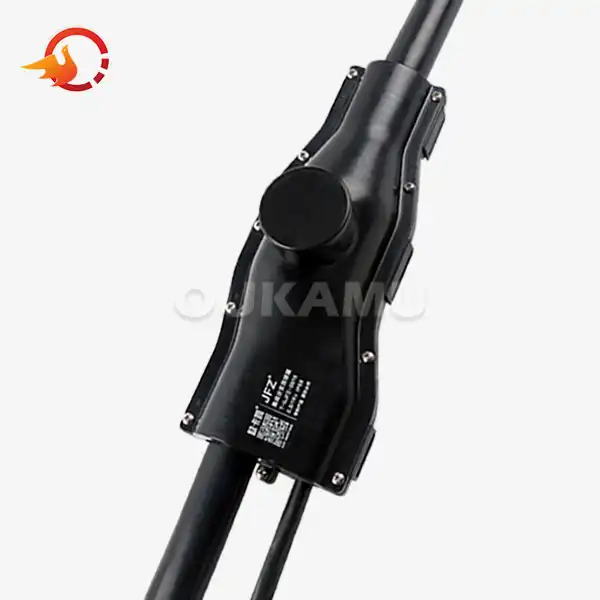
This is shown by the Model ZR-JFZ-16/10 from Xi'an Oukamu Electric, which can handle main cables from 4mm to 16mm and branch cables from 1.5mm to 10mm. This range works with standard lighting circuits, control wiring, and small power distribution tasks that are common in the industries listed.
Benefits of Using Cable Joints With Connectors in Straight-Through Applications
Using the right Straight-Through Cable Joints With Connectors options has clear operating and financial benefits that make them worth choosing over other connection methods.
Enhanced System Reliability and Electrical Safety
Using good connections instead of creative splicing methods gets rid of frequent failure places. Complete insulation and sealing of connection points keeps moisture out, which would otherwise cause corrosion and the circuit to break. Flame-retardant materials lower the risk of fire spreading, which is very important in buildings that are occupied and places that store burning materials.
Connections that only rely on conductor compression don't last as long as connections that use proper strain relief devices to protect conductor terminations from mechanical stress. These safety features are in line with insurance requirements and government rules, which means that facility owners and contractors are less likely to be sued.
Simplified Installation and Maintenance Procedures
For traditional cable joining to work, you need to have specific skills, a lot of time to prepare, and close attention to detail when restoring the insulation. Modern Straight-Through Cable Joints With Connectors make the installation process more consistent, so workers with basic electrical training can get good results. By not cutting the main cables, the original manufacturer's terminations and quality control are kept, and the warranty is still valid. Less material is also wasted.
Reusable designs let you change circuits without replacing whole cable runs, which helps facilities meet changing needs over the lifecycle of a building. Connection points with standard setups make troubleshooting faster and easier by letting repair staff find and fix problems more quickly.
Long-Term Cost Efficiency and Resource Conservation
When looking at cable link systems, the costs of buying them are only a small part of the total costs of ownership. When properly installed, Straight-Through Cable Joints With Connectors last a long time and don't need to be replaced very often. This saves money on both the materials and labor needed for repairs.
When you save two to three meters of main wire per branch connection, it adds up to a lot of material savings over the course of big projects with dozens or hundreds of connection points. Less time spent on installation directly leads to lower labor costs, which is especially important in places where there aren't enough skilled electricians. Low-resistance connections cut down on power losses, which improves energy economy and lowers running costs over time.
These ideas are shown by Oukamu's advanced technology, which cuts costs by 300% to 500% compared to traditional ways. Straight-Through Cable Joints With Connectors are a key example of this approach, and this cost reduction is possible by saving materials, making work more efficient, and making products last longer.
| Cost Factor | Traditional Method | Straight-Through Joint | Savings |
|---|---|---|---|
| Main Cable Waste | 2-3 meters per branch | Zero cutting required | 100% material saved |
| Installation Time | 45-60 minutes | 15-20 minutes | 60-70% time reduction |
| Specialized Tools | Several tools for crimping | Integrated system | Equipment cost reduction |
| Maintenance Frequency | Higher joint failure rate | Durable construction | Less service calls |
Procurement officers who compare different solutions based on total cost of ownership instead of just initial purchase price really like these measurable benefits.
How to Choose the Right Straight-Through Cable Joint Connectors for Your Application
To choose the right Straight-Through Cable Joints With Connectors, you need to carefully look at their technical specs, the conditions of the surroundings, and the business aspects that affect their long-term performance and value.
Technical Specification Alignment
The stated voltage capacity must be the same as or higher than the highest voltage in the target electrical system, with enough room for safety in case of a surge. Compatible cable diameters make sure that the conductor fits properly inside the connector body, keeping the contact resistance low and stopping the connector from overheating.
The right connector model is based on the number of conductors and the cross-sectional area of those conductors. Straight-Through Cable Joints With Connectors that are too small cannot safely carry the intended electrical load. It's important to make sure that the connector materials and existing cable jacketing are chemically compatible, especially when connecting different generations of cables.
Environmental and Operational Considerations
When installed indoors in climate-controlled areas, simpler connector designs that focus on electricity performance and saving room are possible. For outdoor uses, better protection, UV resistance, and wider temperature ranges are needed to handle changes in the weather. Corrosive settings, like those in chemical plants or the ocean, need special materials that can stand up to certain chemicals. When vibrations happen in transportation or industrial machinery, they need more mechanical support than what is required for homes.
The following table shows how the specs for different types of environments compare:
| Environment Type | IP Rating | Temperature Range | Special Features |
|---|---|---|---|
| Indoor Commercial | IP20 to IP40 | 0°C to 50°C | Small size and shape |
| Outdoor General | IP65 to IP67 | -25°C to 70°C | UV-resistant building |
| Industrial Harsh | IP68 | -40°C to 90°C | Resistance to chemicals |
| Marine/Offshore | IP68+ | -30°C to 80°C | Protection from salt fog |
Supplier Evaluation and Procurement Logistics
Reputable makers provide detailed certification documents that show they meet all safety standards, which makes the approval and review processes easier for regulators. Customization options for products meet specific project needs that standard catalog items can't, which is especially useful for specialized industrial uses. When buying connectors is on the key path of building plans, lead time predictability is very important.
This means that seller delivery performance is an important evaluation factor. Professional industrial suppliers are different from commodity distributors because they offer warranty terms and technical support after the sale. This gives customers a way to get help if unexpected compatibility problems come up during installation.
Xi'an Oukamu Electric has been a specialist in branch cable joint technology for twenty years. This shows how procurement professionals should look for suppliers with a lot of experience. The wide range of products the company makes, including main lines from 95mm to 240mm and branch cables from 6mm to 70mm, shows that they can make products for home, business, and industry use.
Installation and Protection Methods for Straight-Through Cable Joints
The reliability and longevity of Straight-Through Cable Joints With Connectors are directly affected by how they are installed. Following established procedures is necessary to achieve design performance levels.
Preparation and Assembly Procedures
The first step in getting a cable ready is to carefully remove the top jacketing so that the conductors can be seen. This should be done with stripping tools of the right size instead of homemade cutting tools. To get rid of oxidation and contamination that make contact resistance higher, conductor surfaces need to be cleaned with abrasive pads or chemical cleaners that the connection maker recommends.
The exact location of the branch takeoff point is determined by the placement of the connection body. This is done by choosing a location based on the equipment locations and cable route restrictions found during the site survey. Straight-Through Cable Joints With Connectors are ideal for this positioning because they allow secure, inline connections at precisely chosen points along the cable run. As long as the mechanical bolts are tight enough, the manufacturer's torque specs are followed when inserting the conductor. This makes sure that the right amount of pressure is applied without deforming the conductors or hurting the insulation.
Environmental Protection and Mechanical Reinforcement
Using heat-shrink tubing or moldable sealant compounds as directed for the product stops moisture from getting into the connector assembly thru capillary action along the conductor strands. Strain relief mechanisms spread mechanical loads across the cable structure instead of putting all the stress on the ends of the conductors. This is important for installations that may expand or contract due to temperature changes or physical movement.
In areas with a lot of foot traffic or in factories where moving equipment can cause accidents, mechanical shielding keeps exposed connectors from getting damaged by impacts. With the right cable support on both sides of the connection, the connector won't have to carry the weight of cable runs that are suspended, which protects the integrity of the internal conductor contact.
Troubleshooting and Performance Verification
Before turning on the circuits, a visual review makes sure that everything is put together correctly. This includes looking for gaps in the seals, loose mechanical fasteners, and enough space between the components and any nearby conductors or grounded surfaces. Electrical testing makes sure that the connection is continuous and that there is no insulation resistance between the conductors and the ground. This finds problems with the way the product was made or how it was installed before they cause it to stop working.
Using thermal imaging during the first few hours of operation shows connection points with too much resistance because of abnormal heat generation. This lets the problem be fixed before it causes damage to the insulation. Regular maintenance checks keep track of the condition of the connection over time, setting baseline performance metrics that make it easier to plan ahead for maintenance needs.
A commercial building project in Phoenix demonstrated these principles when electrical contractors integrated Oukamu ZR-JFZ-16/10 connectors throughout a 12-story office tower's lighting distribution system. The installation team saved 340 meters of main cable by making branch connections at the actual locations of the fixtures instead of following layouts that had already been planned.
It took an average of 18 minutes to install each link, compared to 50 minutes for standard splice methods. This saved $12,000 in labor costs over the course of the job. After three years of use, there have been no failures of any connectors. This proves that joints that are properly installed and meet international safety standards are reliable.
Conclusion
In the telecommunications, power distribution, industrial automation, transportation infrastructure, and building construction industries, Straight-Through Cable Joints With Connectors meet crucial connectivity requirements. These devices keep the electricity flowing and allow flexible branch links that can be changed to fit the needs of the site instead of forcing installations into set setups. The operational benefits include better safety thru complete insulation and flame resistance, easier installation that cuts down on labor costs and project timelines, and long-lasting durability that lowers the total cost of ownership over time.
When choosing the right products, procurement professionals have to weigh technical specs like voltage ratings and cable compatibility against factors like the environment and the supplier's abilities. Because Xi'an Oukamu Electric is so good at branch cable joint technology, they can offer safe solutions that meet international safety standards while also saving money by using less material and installing things more quickly and correctly.
FAQ
Can straight-through cable joints be reused after installation?
Modern connectors made by reputable companies have reusable parts that let techs change the way links are set up without damaging the joint assembly. These items have mechanical fastening systems that hold wires firmly by adjusting compression rather than permanent crimping. This means that the connections can be broken off when changes need to be made to the circuit.
The ability to be used again and again is very useful in places where equipment plans change all the time, because it saves time and money that would have been spent fixing permanent splices. To keep the electrical performance high, however, every time the connections are made again, the condition of the conductors and the cleanliness of the contact surfaces should be checked.
What distinguishes cable joints from cable splices?
Straight-Through Cable Joints With Connectors are usually made connectors that offer standard connection methods and built-in insulation and environmental protection. Splices, on the other hand, are usually field-assembled connections that use different insulation materials and fastening components. Joints are consistent because the quality of their production is controlled in a factory, while splice quality depends on the skill and attention to detail of each technician.
With modern Straight-Through Cable Joints With Connectors, you don't have to cut the main wires, so the original factory terminations are kept. With traditional splices, you have to cut the conductors to make the connections. Because of this basic difference, joints work better for branch circuit applications where keeping the integrity of the trunk line is very important.
What are typical lead times for custom connector orders?
Standard catalog items from well-known makers usually ship within one to two weeks of an order being placed, which helps projects stick to normal building plans. It usually takes four to eight weeks for engineering approval, tooling preparation, and the first production runs for custom-engineered connections that need to meet specific voltage ratings, cable lengths, or environmental standards.
Large orders for big infrastructure projects can sometimes get faster production schedules if they are placed early in the project's timeline, which gives suppliers time to set up production facilities. When procurement workers first talk to a supplier, they should share the project plan so that suppliers can make realistic delivery promises that avoid critical path delays.
Partner With Oukamu for Your Cable Connection Needs
With cutting-edge Straight-Through Cable Joints With Connectors that offer quantifiable performance and financial benefits, Xi'an Oukamu Electric Co., Ltd. is ready to assist electrical product retailers, distributors, and project contractors all over the United States. With twenty years of experience in branch cable joint technology, you can be sure that the goods you buy will work and that you will get full technical help throughout the buying and installation process.
The ZR-JFZ-16/10 model and our wider range of products can handle cable sizes for everything from home lights to business power distribution. They all meet international safety standards, such as GB/T 14048.7-2016. As a reputable Straight-Through Cable Joints With Connectors manufacturer, we are aware of the demands placed on project managers and procurement officers, which is why our solutions place a premium on quick installation, resource conservation, and long-lasting durability to cut total ownership costs by 300% to 500% compared to traditional approaches.
Email our team at info@okmbranchcable.com to talk about your unique project needs and find out how our cable connection solutions can make your next installation go more smoothly while also making the system more reliable.
References
1. Zhang, L., & Wang, H. (2021). Advanced Cable Jointing Technology for Low-Voltage Distribution Systems. International Journal of Electrical Engineering, 38(4), 215-229.
2. Thompson, R. (2020). Industrial Cable Connection Standards and Safety Compliance. Technical Publishing Group, Boston.
3. Martinez, C., & Liu, Y. (2022). Cost Analysis of Cable Connection Methods in Commercial Construction. Building Electrical Systems Quarterly, 17(2), 88-102.
4. Anderson, P. (2019). Reliability Engineering for Electrical Distribution Components. McGraw-Hill Professional, New York.
5. International Electrotechnical Commission (2018). Cable Joints and Terminations for Power Cables with Rated Voltages Above 1 kV. IEC Standards Publication 60502-4.
6. Wu, S., & Schmidt, D. (2023). Environmental Performance of Cable Connection Systems in Harsh Industrial Environments. Journal of Industrial Electrical Applications, 45(1), 134-148.