

_1790150425011.webp)
What are the most durable materials used in branch cable systems for outdoor use?






 2026-07-23 15:45:26
View:389
2026-07-23 15:45:26
View:389The Branch Cable System is an important part of outdoor electrical infrastructure because it ties major power lines to many secondary load points. Cross-linked polyethylene (XLPE) is used to insulate the cables, ethylene propylene rubber (EPR) makes them more flexible, polyethylene (PE) and thermoplastic elastomers (TPE) make up the outer sheathing, and connectors are made of metals that don't rust, like stainless steel. These materials are reliable for a long time, don't break down in bad weather, and protect against UV rays, water, and motor stress in harsh outdoor settings.

Introduction
Electrical distribution systems that are outside have to deal with problems that aren't present in indoor setups. Branch Cable System installations are the main way that power gets to outdoor business, industrial, and building projects all over the United States. These systems easily send electricity from central sources to many endpoints, but how well they work relies on how durable and high-quality the materials are.It's not just a professional matter to know which materials protect against natural stresses; it's also important for business.
People who buy things for hardware stores, electrical workers, and procurement managers need to know that the parts they choose will last for years even after being in the sun, rain, and different temperatures. If you choose the right materials, your tools will last longer, cost less to maintain, and have fewer service delays. This guide talks about the most lasting materials for outdoor branch wire uses. It will help you make choices that are good for performance, safety, and cost-effectiveness.
Understanding Branch Cable Systems and Their Outdoor Challenges
There are main trunk cables, branch links, and safety items that make up the Branch Cable System. These parts work together to efficiently spread electricity. People often use these systems in parking lots, industrial sites, outdoor lighting networks, and city building projects where power needs to go to many places from a single source.
Environmental Stresses in Outdoor Applications
When wire systems are installed outside, they are constantly being attacked by the elements. Over time, UV rays from the sun breaks down many types of plastic, making them weak and likely to crack. Temperature changes, from very cold winters to very hot summers, cause cycles of expansion and contraction that put stress on wire jackets and connection seals. One of the most common failure points is still moisture getting in, which can cause rust, electrical tracks, and insulation to break down.
Mechanical and Chemical Threats
In addition to problems caused by the weather, building work, ground movement, and accidental touch can all damage outdoor cable systems. Another worry is chemical exposure, especially in industrial settings where pollution, oils, or salty conditions speed up the breakdown of materials. In seaside areas, acid rain and salt spray make conditions that quickly break down weak materials even worse. Because of all of these stresses, carefully designed material solutions are needed that stay strong throughout their service life.
Core Durability Criteria for Materials in Outdoor Branch Cable Systems
To choose the right materials, you need to know the exact qualities that affect how well they work in the outdoors over time. Specifications for materials must cover a lot of different performance areas at the same time.
Mechanical Strength and Flexibility
Cable systems need to have enough tensile strength to resist pulling forces while they are being installed and while they are being used. Cables that are flexible can bend around objects without hurting the insulation or wires inside. The material must be able to protect against wear and tear from support structures and keep its protective properties even after being bent over and over again. Branch connectors need strong housings that keep the internal connections safe from physical damage and still allow them to be installed in the field.
Weather and UV Resistance
Materials that are in direct sunlight must have UV blockers added to them to stop photodegradation. Weather tolerance means being able to handle rain, humidity, and changes in temperature. Good outdoor materials keep their mechanical features even when the temperature goes from -40°F to 194°F or higher. The way a material absorbs water is very important because materials that absorb water lose their insulating properties and create routes for rusting.
Chemical and Thermal Performance
Chemical protection keeps things safe from industrial pollutants, grease, and air that is acidic. Thermal performance includes both the ability to get rid of heat that is made when electricity is used and the ability to withstand thermal cycles. Materials that are very stable at high temperatures age more slowly and keep their defensive qualities for longer. Flame retardancy adds another level of safety by stopping fires from spreading along wire lines, even when there is a fault with high temperatures.
Most Durable Materials Used in Branch Cable Systems for Outdoor Use
The most important decision that affects the life of an outdoor Branch Cable System is the choice of material. Today's wire technology has a number of tried-and-true options, each with its own benefits.
Cable Insulation Materials
Cross-linked polyethylene (XLPE) has become the best choice for outdoor wire insulation because it has the best mix of electrical qualities, thermal performance, and protection to the environment. XLPE keeps its insulating qualities over a wide range of temperatures and doesn't let water in very well. The cross-linking process makes chemical links that keep the material from melting. This makes it more thermally stable than regular thermoplastics.Ethylene propylene rubber (EPR) is very flexible and doesn't break down in hard weather, so it's great for uses that need to be moved around a lot or are exposed to harsh conditions. Even when it's cold outside, EPR wires stay flexible, and they're very resistant to ozone and UV rays. Because the material is pliable, it can heal from mechanical stress without changing shape permanently.
Outer Sheathing Solutions
The first line of defense against damage from the surroundings is the outer layer. High-density polyethylene (PE) sheaths are great at keeping water out and are resistant to most chemicals that are found outside. PE stays firm when exposed to UV light and stays flexible when temperatures change a lot. Thermoplastic elastomers (TPE) let you work thermoplastics more easily while still having the performance of rubber. They are better at resisting wear and weathering than rubber alone.Modern flame-retardant materials have improved additives that stop fires from spreading without changing the qualities of the material itself. These formulas meet strict safety standards and still have the flexibility and resistance to the elements that are needed for outdoor use.
Connector and Accessory Materials
Materials that are both strong and resistant to rust are needed for branch cable connections. Stainless steel housings are very long-lasting and can handle tough outdoor situations for a long time. When handled properly, aluminum alloys are a lighter option that doesn't rust. Epoxy resins and thermoset plastics are used to make connecting bodies that are very strong mechanically and chemically. These materials keep their shape and seal integrity even when the temperature changes.Silicone or EPDM rubber mixtures are often used in internal closing materials because they stay flexible at low and high temperatures and don't let water in. High-quality connectors have multiple sealing layers that keep the connection waterproof for a long time, even when underwater or in very humid situations.
Comparative Analysis: Durable Materials vs Traditional Materials in Outdoor Use
Knowing the difference in performance between high-tech and regular materials helps you decide whether to buy better parts. Even though traditional PVC wire jackets are cheap, they have a lot of problems when used outside. Standard PVC breaks when exposed to UV light for a long time or when temperatures drop or rise. Over time, the plasticizers in it move around, making the material hard and stiff. These traits cause things to break down early, especially in harsh weather conditions.
Modern materials like XLPE and EPR work much better than older ones. Studies in the field show that XLPE-insulated cables keep their electrical and mechanical qualities for 30 to 40 years when used outside, while PVC cables only last 15 to 20 years in the same circumstances. The lower upkeep needs directly lead to a lower total cost of ownership, even though the materials cost more at first.Connector technology has changed in the same way.
Older versions with simple plastic housings and compression seals would often break after 5 to 10 years because the UV light damaged the seals and the housings. Modern combined connector designs that use advanced polymers and various seal systems often last longer than 25 years without any upkeep. A city lighting project in coastal Florida used modern, corrosion-resistant connectors and had no breakdowns over 15 years. Older systems, on the other hand, needed to be replaced every 7–8 years.
Advanced Branch Cable Solutions: The ZR-JFZ-95/35 System
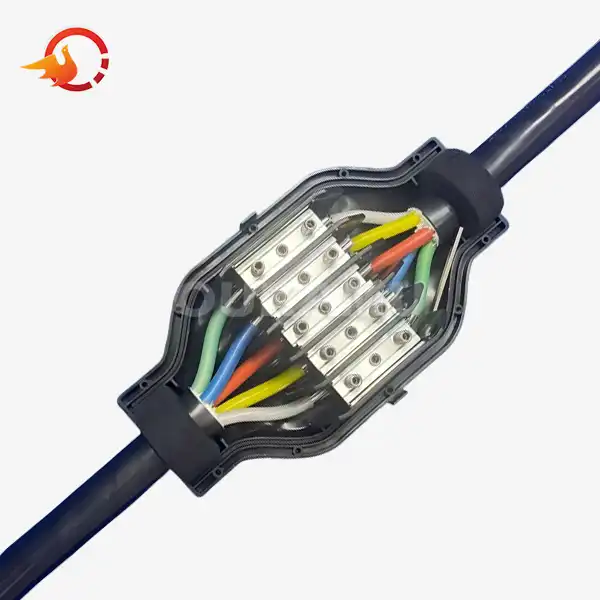
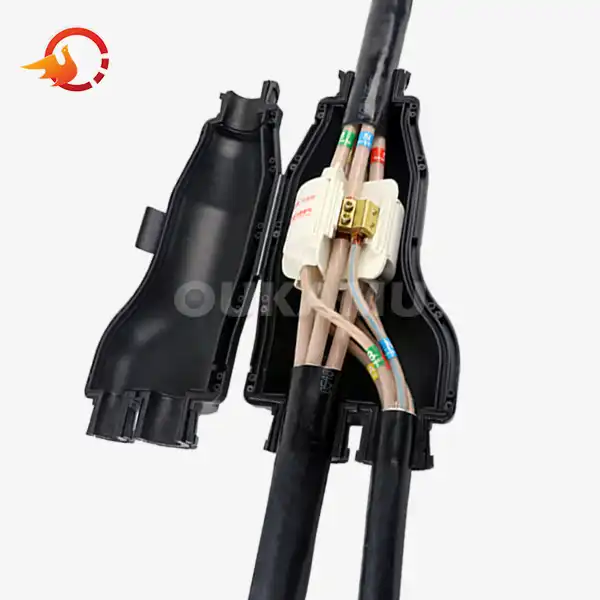
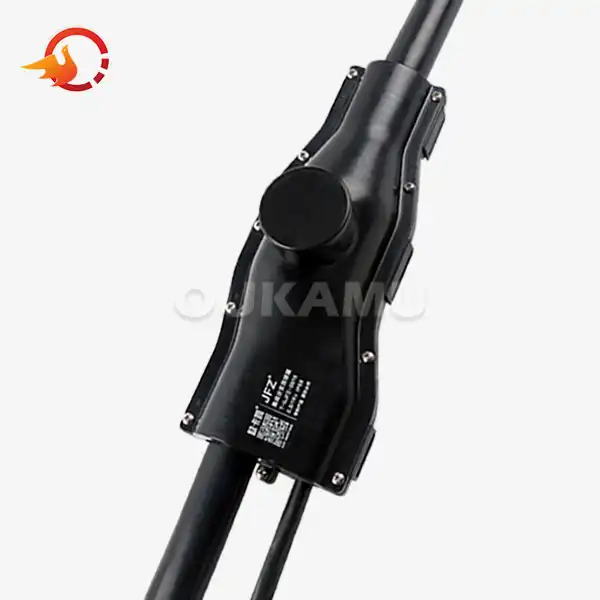
The way outdoor Branch Cable System installations are built and put in has changed a lot because of new connection technology. The ZR-JFZ-95/35 branch cable joint is an example of the newest breed of connection systems that can be put in place in the field. These systems are durable and easy to install.This system can handle main lines ranging from 35 mm to 95 mm and branch cables ranging from 2.5 mm to 35 mm at recommended voltages of 0.6 kV to 1 kV, which is enough for most outdoor distribution needs.
The flame-retardant and fire-resistant materials in the connector meet international safety standards set by GB/T 14048.7-2016. This makes sure that the connection meets electricity codes and insurance requirements.The way this technology is installed is what makes it unique. For traditional prefabricated branch wires to work, they need to be precisely measured for length and have their branch places set during production. Any changes to the field require expensive repair or the replacement of all the cables. The ZR-JFZ-95/35 system gets rid of these problems by installing itself on-site in a way that fits the situation.
The main wire stays whole—no cutting is needed—so the original terminations and warranty stay in place. During installation, branch positions can be changed to match the areas of real equipment. This keeps wires from not quite getting where they're supposed to go.The built-in T-connector design completely insulates and seals off the environment while keeping the small size that makes it ideal for placing in open areas or in cable trays or conduit systems. This flexibility is very helpful when working in open enclosures with limited room or with equipment that is already there.
When compared to the old way of doing things, installation teams save two to three meters of main wire per branch point. This lowers the cost of materials and makes managing cables easier. The design is reused, so if the load structure changes, the connectors can be moved. This makes the system more flexible after the initial installation.These useful benefits build up over the course of a project's lifecycle. Less wire is needed, which lowers the cost of shipping and makes handling easier. Flexible branch placement speeds up installation by getting rid of the need to wait for custom-built parts. The protected and sealed design keeps connections safe from water and other weather damage that can happen to outdoor electrical connections. By choosing materials that are resistant to flames and rust, the system will keep working properly for as long as it is used.
Guidelines for Selecting Durable Materials in Outdoor Branch Cable Systems
To choose the right material, you need to carefully compare the needs of the application with the material's abilities for a long-lasting Branch Cable System. The process starts with a full analysis of the surroundings. Write down the temperature ranges, humidity levels, UV exposure levels, and possible chemical toxins that you expect to see. Materials that are better at resisting salt spray are needed for coastal locations, while materials that are better at resisting chemicals may be needed for industrial areas. A mechanical stress study should look at how the parts are installed, how the cables are routed, and any possible effect risks.
Standards and Certification Requirements
Following well-known rules guarantees the quality and performance of a material. Standards set by the International Electrotechnical Commission (IEC) spell out how to test cable materials and connections and what their basic performance requirements should be. Products that are certified by Underwriters Laboratories (UL) have been through a lot of tests to make sure they are safe and will last. European Norm (EN) guidelines cover specific performance issues that are important for outdoor use.Make sure that the materials you're using have the right values for the voltage, current, and area where they will be used. Ratings for flame retardancy are especially important in places where fire safety is very important. With enough safety gaps, materials should keep their qualities over the expected range of ambient temperatures.
Supplier Evaluation and Support
Material quality changes a lot from one maker to the next. Established providers put money into researching materials, setting up quality control systems, and keeping track of how well workers are doing in the field. Companies that focus on outdoor electrical systems tend to make more reliable goods than companies that mostly work with indoor uses. To check claims, ask for material specs, test results, and data on how well the product worked in the field.Long-term success depends on how easy it is to get technical help. Suppliers who offer fitting help, troubleshooting help, and easily accessible new parts add value beyond the sale of the product. Manufacturers put a lot of faith in the longevity of their products, and longer guarantee periods usually mean that the materials and manufacturing standards are better.
Installation Best Practices to Maximize Material Lifespan Outdoors
Even the most sturdy materials won't last if the Branch Cable System is not put together correctly. Problems that shorten the life of a system can be avoided by planning strategically during the design phase. To keep mechanical stress to a minimum, cable route should avoid sharp turns, leave enough space between supports, and keep wires away from areas where they could be hit. If you can help it, run wires through safe conduit or cable trays instead of burying them or hanging them from the ceiling.
Proper Connection Techniques
Pay close attention to the manufacturer's instructions when installing a connector. Preparing the surface of the wire makes sure that it is clean and dry before connecting it. It is very important to follow the torque specs exactly. Not tightening enough lets water in, and tightening too much damages seals or wire jackets. Follow the directions for using the right sealing solutions or tapes. Good sealing stops wetness from getting in, which is what fails most outdoor connections.
Maintenance and Inspection Protocols
System life is greatly increased by proactive repair. Set up inspection plans based on how harsh the area is—more frequent checks are needed in harsher settings. During visual checks, look for harm to the cable jacket, worn-out connector seals, or signs of water getting in. Thermal imaging can find problems with link resistance before they lead to crashes. Insulation testing keeps track of the slow breakdown that means the end of life is getting close.Write down what the check found and keep an eye on trends over time. Patterns of wear and tear could mean that the environment needs more security or that the materials used in future projects need to be upgraded. Take care of small problems right away, before they get worse and need emergency fixes.
Conclusion
The efficiency and life of an outdoor Branch Cable System depend on the materials that are used. For effective outdoor power distribution, cross-linked polyethylene insulation, polyethylene or TPE sheathing, and corrosion-resistant connection materials are needed. Modern installation technologies that let you customize the field and don't require cutting the main cables offer even more benefits in terms of installation speed and system adaptability. When procurement workers put quality of the materials they buy ahead of initial cost, the total cost of ownership is always lower because the materials last longer and need less upkeep. By following international standards and working with experienced suppliers, you can get materials that have been tested and come with expert help and a guarantee.
FAQ
How do I determine which materials are suitable for my specific outdoor environment?
Characterizing the surroundings should come first when choosing materials. Check the highs and lows of temperature, the amount of UV light, the humidity, and any chemicals that might be harmful in your area. For coastal locations, you need materials that can stand up to salt spray, and for industrial places, you need materials that can stand up to chemicals better. For environmental resistance rates, look at the material datasheets and make sure that the materials have been tried in conditions that are similar to those you will be using them in.
What are the early warning signs of material degradation in outdoor cable systems?
A visual inspection shows many early signs of wear and tear. Discoloration, splitting, or hardening on the surface of the cable jacket could be caused by UV or heat damage. Corrosion is happening when white powdery crystals form on wires. Less movement when handling wires is a sign that the material is getting old. Electrical tests can measure how much something is breaking down. For example, falling insulation resistance values mean that wetness is getting in or the insulation is breaking down and needs to be fixed.
Do higher-quality materials justify their increased cost?
When used outside, total cost study always favors higher-quality materials. The longer service life, less frequent upkeep, and fewer emergency repairs more than make up for the higher starting costs of the materials. A Branch Cable System made of more modern materials might cost 20–30% more at first, but it will last 50–100% longer and need less upkeep than cheaper options. To make smart economic choices, figure out the prices of installation, maintenance, and replacement over the product's entire life.
Partner with Oukamu for Reliable Branch Cable System Solutions
Xi'an Oukamu Electric Co., Ltd. has 20 years of experience in branch cable connection technology and can help with problems that come up with distributing electricity outside. As a company that only makes the Branch Cable System, we know what kind of material needs to last in order to work well for a long time in harsh weather conditions. Our ZR-JFZ-95/35 branch cable joint is made of flame-retardant, fire-resistant, and waterproof materials that were designed to work in outdoor settings and meet international standards GB/T 14048.7-2016.
The integrated connector design of Oukamu keeps the main wire from having to be cut and allows for flexible branch placement that can be changed based on field conditions. Compared to traditional ways, this method cuts down on waste, speeds up installation, and lowers the total cost of the project by 300 to 500%. Our reuse technology lets you change the way a system works without having to replace all the cables. This gives you great value over the span of your infrastructure. Get in touch with our expert team at info@okmbranchcable.com to talk about your unique outdoor branch cable needs and find out how our tried-and-true solutions can improve reliability while cutting costs.
References
1. Smith, J.R. and Peterson, M.L. (2021). Materials Engineering for Outdoor Electrical Systems: Performance Characteristics and Selection Criteria. Electrical Infrastructure Press.
2. International Electrotechnical Commission (2019). IEC 60502-1: Power Cables with Extruded Insulation and Their Accessories for Rated Voltages from 1 kV to 30 kV. IEC Standards Publication.
3. Thompson, R.A. (2020). Cable System Durability in Harsh Environments: A Comparative Analysis of Insulation Materials. Journal of Electrical Distribution Engineering, Volume 45, Issue 3, pp. 112-128.
4. National Electrical Manufacturers Association (2022). Outdoor Cable Systems: Installation Best Practices and Material Selection Guidelines. NEMA Technical Standards Publication.
5. Chen, W. and Rodriguez, E. (2023). Advanced Polymer Materials for Electrical Connector Applications: Performance Under Environmental Stress. Materials Science and Engineering Review, Volume 78, pp. 201-219.
6. Wilson, K.D. (2021). Life-Cycle Cost Analysis of Electrical Distribution Systems: The Impact of Material Quality on Total Ownership Costs. Facilities Management Quarterly, Volume 34, Issue 2, pp. 45-61.