

_1790150425011.webp)
Affordable waterproof junction boxes for tunnel cabling






 2026-07-23 15:47:37
View:389
2026-07-23 15:47:37
View:389Picking the correct safe covers for tunnel electrical systems can make or break project schedules and costs. When working underground, a Tunnel Waterproof Junction Box is the first line of defense against water, dust, and other damaging substances that can damage wire connections. For procurement managers and project workers who are in charge of distributing power and lights in tunnels, saving money doesn't mean sacrificing safety. Modern waterproof junction solutions blend strong sealing technologies with low-cost materials to provide security up to IP65+ levels while keeping project costs low. When you know which specs are important and how to find these parts quickly and cheaply, what could be a procurement headache can become a strategic benefit.
Understanding Tunnel Waterproof Junction Boxes
Inside a tunnel, there are special problems that regular electrical barriers can't handle. Underground systems are always being exposed to things like water seepage, changes in temperature, dust buildup, and sometimes corrosive chemicals from car emissions or industrial processes. We've seen countless projects where contractors initially opted for regular Tunnel Waterproof Junction Box units to save money, only to face costly replacements within months due to water ingress and connection failures.
What Makes Tunnel Applications Different
Traditional Tunnel Waterproof Junction Boxes made for home use, whether inside or outside, don't have the structural strength and sealing features needed for ongoing basement operation. Sometimes tunnels have microclimates where mist forms quickly, water pools during heavy rain, and there isn't enough air flow, so dust and other particles settle on everything. The wire connection places inside these enclosures provide power to important safety and lighting systems, so if they fail, it could be not only annoying but also dangerous.
Technically advanced Tunnel Waterproof Junction Boxes have multiple layers of closing systems that keep water out from all sides. The housing materials in these shelters are strengthened so they can handle being hit by maintenance workers or touching them by mistake. At the points where the cables enter, compression glands and waterproof locks keep the seals in place even if the wires move a little because of temperature changes or vibrations from traffic.
Core Protection Principles
Tunnel Waterproof Junction Boxes work well to keep water out because they follow three basic design rules. The body of the cage must be made of materials that don't break down when they are wet for a long time. Internal sealing gaskets make walls that can withstand pressure between cover plates and housing bodies. This keeps water from getting to electrical connections during floods or pressure washing. Cable entry systems must let wires pass through while keeping the environment completely sealed. This is usually done with compression fittings that can be adjusted to fit different cable sizes.
Modern Tunnel Waterproof Junction Box enclosures also take care of condensation, which is a problem that is often ignored. Even if the outside of the box is completely sealed, changes in temperature between the inside of the tube and the electrical parts can cause condensation to form inside. Good designs include drainage holes or coverings that don't absorb water, so water doesn't build up and damage the links.
Essential Specifications and Design Features for Tunnel Applications
To pick the correct Tunnel Waterproof Junction Box, you need to know which technical details have a direct effect on how well it works in a tube. It's not enough to just find the best-rated product; the choice also has to take into account how well the product meets the needs of the environment while keeping costs low.
IP Protection Ratings Explained
The Ingress Protection rating method gives consistent measures of how well barriers stop solid objects and liquids from getting inside. For tunnel uses, IP65 is the lowest level of security that is allowed. It keeps out all dust and water jets coming from any direction. This rating is for regular repair work in tunnels that might involve high-pressure washing.IP66-rated enclosures guard better against strong water jets and are good for tunnels that have automatic cleaning systems or that are in places where bad weather could cause short flooding. The IP67 and IP68 grades add submersion security, which is needed for tunnels in areas that are likely to flood or have problems with drainage. When you accurately assess the real site conditions instead of over-specifying protection you won't need, it makes sense to find a balance between the amount of protection you need and your budget.
Material Selection: Durability Meets Cost Efficiency
The choice between metal and polymer housings for Tunnel Waterproof Junction Boxes comes down to the needs of the application. High-quality industrial plastics, such as polycarbonate or modified PPO, don't rust and are lighter than metal options, making them easier to install. They also cost less. These materials keep their shape over a wide range of temperatures and don't react badly to chemicals that are often found in tubes for cars.Enclosures made of stainless steel or aluminum are better at resisting impacts and working well in places with high temperatures. Metal housings also do a better job of blocking electromagnetic waves, which is important when Tunnel Waterproof Junction Boxes are close to sensitive transmission equipment. When physical longevity is more important than other factors, the higher cost of metal building pays off.
Cable Entry Methods and Sealing Technology
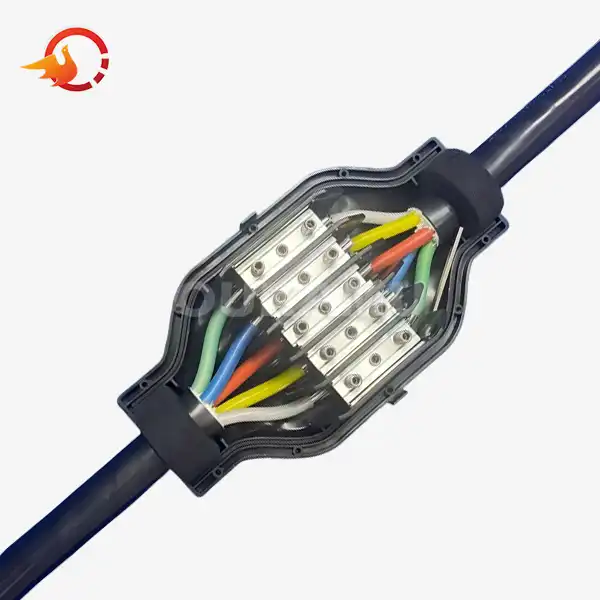
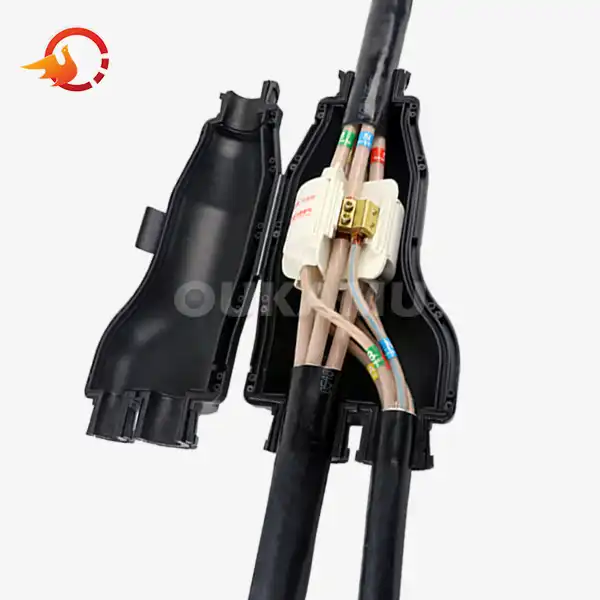
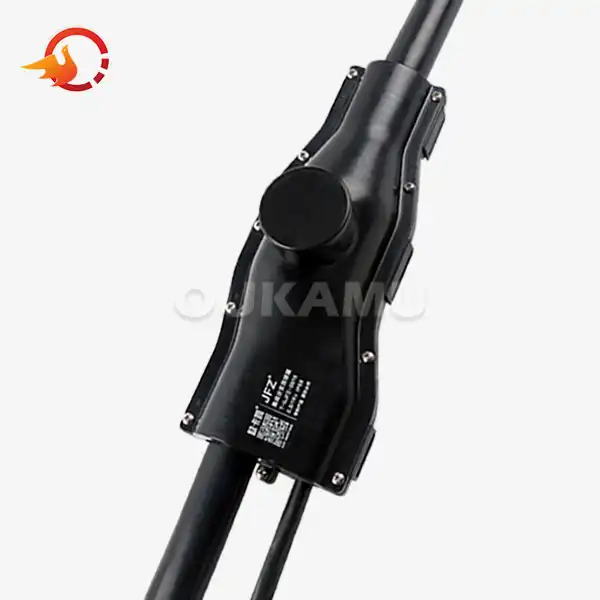
How wires enter and leave the Tunnel Waterproof Junction Box has a big impact on how waterproof they are in the long term. For tunnel uses, you should stay away from top entry setups because water naturally flows downhill and will eventually get through even the best sealed top glands. Side entry is a better middle ground, but bottom entry is the safest because it works with gravity instead of against it. The Oukamu ZR-JFZ-70/35 model is an example of improved cable entry design because it doesn't require cutting the main wires at all.
Main cables from 25 mm to 70 mm and branch cables from 2.5 mm to 35 mm can both fit in this branch cable joint option without breaking the primary wire. The waterproof locking mechanisms keep the wires safe while keeping IP65+ protection levels. The reusable design lets workers change how the connections are set up as the needs of the project change without having to buy a whole new assembly.
Compliance Standards That Matter
There are international safety standards that make sure Tunnel Waterproof Junction Boxes work consistently in certain situations. The IEC 60529 standard describes how to test for IP ratings, and the GB/T 14048.7-2016 standard sets the standards for junction modules used in low-voltage switchgear. Products with UL or ATEX certifications have been tested by a third party to make sure they are safe in regular and dangerous settings, respectively.
Instead of just saying they are compliant, procurement teams should make sure that makers actually give them test results. Reliable providers keep records that show their goods meet the requirements given. This keeps buyers from being held responsible if equipment breaks down. At first glance, the price difference between certified and noncertified goods may not seem like a big deal. However, the value of lowering risk becomes clear when projects are inspected by regulators or insurance companies after an incident.
Affordable Solutions: Comparing Tunnel Waterproof Junction Box Options
To do smart buying, you need to know more than just the purchase price. You also need to know the total cost of ownership. A Tunnel Waterproof Junction Box that is originally less expensive but needs to be replaced every two years costs a lot more than one that is properly defined and lasts ten years or more.
Specialized vs. Standard Junction Boxes
On paper, standard electrical shelters made for outdoor use might have IP65 ratings that look the same as goods made for tunnels. The difference shows up in how long something lasts and how often it needs to be maintained. Standard boxes usually have simple rubber gasket seals that get weaker and less durable over time when they are exposed to moisture all the time. The building materials might be fine for home or light business use, but they might not be able to handle the vibrations, changes in temperature, and chemical exposure that happen in caves.
Tunnel Waterproof Junction Box units use commercial-grade sealing materials that are made to keep their shape and closing power over thousands of heat cycles. The materials that make up the housing won't break down when they're exposed to UV light or cold parts of the tube. These improvements in durability mean that upkeep needs are shorter and emergency replacements happen less often. This lowers lifetime costs even when the initial purchase price is higher.
Cost-Efficiency Through Design Innovation
In traditional Tunnel Waterproof Junction Boxes, cables have to be cut and spliced at the places where they join, which takes more time and uses up more cable length. The Oukamu branch cable joint technology is different from other connection methods because it lets branches tap off main wires without cutting the primary line. This design cuts down on two to three meters of main wire per connection point. The time saved by making installation easier adds up quickly on big tunnel jobs.
The fact that these improved connections can be used again and again saves even more money. Contractors can disconnect and adjust branch connections without having to replace the Tunnel Waterproof Junction Box assembly when tunnel plans change or equipment is moved. In these situations, traditional splice-based links need to be replaced completely, which creates trash and costs more in materials.
Brand Comparisons and Sourcing Options
Tunnel Waterproof Junction Box units are made by well-known foreign names like Schneider Electric, ABB, Siemens, and Legrand. These brands have a history of success in big infrastructure projects. These goods are very expensive, but they come with a worldwide warranty, a lot of professional help, and a lot of documentation. The image of the brand lowers the risk for procurement managers working on high-profile projects where broken tools could hurt their jobs.
As new companies focus on making cable connection options, they often offer similar technology performance at more appealing prices. This group is led by Xi'an Oukamu Electric, which has 20 years of experience focusing in branch cable joint technology. Their Tunnel Waterproof Junction Boxes for tunnels meet the same GB/T 14048.7-2016 standards as foreign brands, but they are less expensive, which is important when you need to equip kilometers of tunnel infrastructure. The main difference is that instead of just looking at name recognition, you should also look at real certifications and test results.
Strategic buyers take advantage of the competition between suppliers by asking for thorough specs and test results. They then compare the suppliers' real performance capabilities with the project's needs. When projects need a lot of products, original equipment maker (OEM) deals or bulk buy agreements with specialized manufacturers can save 20 to 40 percent on costs compared to traditional methods of distribution, without lowering quality.
Installation and Maintenance: Ensuring Long-Term Performance
If you don't place a Tunnel Waterproof Junction Box properly, even the best-designed one will break early. How well these parts are installed and maintained determines whether they last as long as they're supposed to or become a constant source of trouble.
Installation Best Practices
The first step in getting a site ready is to make sure that the fixing surfaces are clean, steady, and set up so that they don't get too much water. We've seen that Tunnel Waterproof Junction Boxes that are mounted on the vertical walls of tunnels below any possible water sources work better in the long run than those that are placed where water could pool. The direction of placement is very important. To keep water from pooling around entry points, place cable openings on the bottom or sides instead of the top.
There are good reasons why cover nuts and cable gland fittings have torque requirements. Water can get in through holes caused by under-tightening, while over-tightening can damage seals or crack housings. Using measured tools to get the torque values stated by the maker doesn't take much more time but makes sealing much better. The ZR-JFZ-70/35 type makes this process easier by having waterproof locks built in. These locks make sure that the compression is right without needing exact torque measurements, which lowers the chance of installation mistakes.
Preparing the cables needs more care than what many workers give them. By carefully cutting off the wire jackets to the right length and making sure the conductors are clean before connecting them, you can stop resistance buildup and heat from happening in the future. With the drip loop method, wires bend downward before going into the Tunnel Waterproof Junction Box. This way, water that runs down the cable doesn't go straight into the opening.
Maintenance Schedules and Inspection Points
Setting up regular review times based on the conditions inside the tube helps find problems early on, before they become major problems. Tunnels for vehicles with a lot of exhaust exposure may need to be inspected every three months, but tunnels for pedestrians or utilities that are usually safe may only need to be checked once a year. Gasket condition, housing integrity, Tunnel Waterproof Junction Box seal status, and interior moisture present should all be on inspection reports.
Cleaning methods must be compatible with the materials and methods used for closing the area. Harsh chemicals that clean quickly can break down some types of plastic or damage sealing materials. Cleaning suggestions from manufacturers are there to make sure that care done with good intentions doesn't damage the product. Once the Tunnel Waterproof Junction Box has been cleaned, it is important to make sure that all of the seals fit back into place correctly and that the covers are tightened to the correct specifications.
Problems that often happen in tunnels are gasket compression set from long-term loads, UV degradation near the openings, and damage from cleaning tools. By keeping extra parts and gaskets on hand, repair teams can fix these issues during regular checks, instead of waiting for them to break completely. Because advanced branch connections are designed to be reused, broken parts can be changed without having to throw away whole Tunnel Waterproof Junction Box assemblies.
Purchasing Guide: How to Buy Affordable Tunnel Waterproof Junction Boxes
Strategic buying takes into account both the short-term needs of a project and the long-term needs of the supplier chain. Finding the right mix here affects both the budget for the project and the dependability of the operations.
Matching Specifications to Requirements
Instead of thinking the worst will happen throughout the whole tube, start by writing down what the real environmental conditions are like where the installations are. There may be parts of a 2-kilometer tube that are wetter, warmer, or more open to pollution than others. Using IP67-rated Tunnel Waterproof Junction Boxes everywhere when only 20% of places need submersion protection is a waste of money that could be used to pay for extra safety features or system backups.
The size of the cables determines how much space is needed inside the Tunnel Waterproof Junction Box. The ZR-JFZ-70/35 can hold main wires up to 70 mm in diameter and branches up to 35 mm in diameter. It works with standard 0.6/1kV tunnel lighting and power distribution circuits. For projects that need bigger enclosures because of larger conductors or higher voltage, it's important to match the capacity to the real needs so that you don't pay for room and capabilities that aren't being used.
What kind of certification is needed depends on where the project is located and what the deal says. For municipal building projects, strict rules must be followed, but for private developments, there may be more freedom. By knowing which certifications are actually important for your application, you can avoid paying extra for approvals that aren't needed and still make sure you meet all the legal requirements.
Bulk Purchasing and OEM Strategies
The number of orders has a big effect on the unit prices of electrical parts. Manufacturers use tiered prices, which means that orders over a certain amount can get big savings. Costs can be cut by 15–30% by correctly estimating the total needs of the project and making a single order instead of several small ones. Framework deals that set fixed prices for certain volumes could be negotiated for projects that last more than one year. This would protect against price increases and get bulk discounts.
Customization by the OEM is another way for projects with specific needs to cut costs. Standard catalog items have features that appeal to a wide range of buyers, which means you may pay for features that you don't need. Working directly with makers to list the exact features, ratings, and configurations your project needs can save you money and even add changes that are unique to the project. Custom designs usually have a minimum order quantity of 500 to 1000 units, which means this method can be used for medium to big tunnel projects.
Supply Chain and Lead Time Considerations
When you use global sources, wait times change, which means you need to plan carefully. It might only take a few days for standard catalog items from well-known manufacturers to ship, but 8 to 12 weeks for special designs or big orders. International packages take an extra 4 to 6 weeks with ocean freight, and sometimes delays happen when customs clearance takes longer than planned. Adding enough "buffer time" to project plans keeps delivery delays of Tunnel Waterproof Junction Boxes from affecting the main road.Landed prices are affected by things like shipping and packing.
Shipping costs are lower for polymer containers than for metal ones, which might make up for their higher per-unit price. Freight costs can be kept down by manufacturers who offer consolidated wrapping that covers goods while making the best use of containers. Oukamu's packing standards make sure that goods arrive undamaged, even after a long trip across foreign borders. They do this by using protective materials that keep the Tunnel Waterproof Junction Box from cracking or sealing during shipping.
After-Sales Support and Warranty Coverage
Access to technical help is more important for Tunnel Waterproof Junction Boxes than many buyers realize at first. There are questions about installation, help with troubleshooting when systems don't work as planned, and needs for paperwork during project reviews. When problems happen, project delays are lessened when suppliers offer quick technical help through multiple methods, such as phone, email, and video chat. Language skills are important for foreign purchasing.
Suppliers with expert staff who speak English get rid of communication problems that make it harder to solve problems.Warranty terms change a lot from one seller to the next, and this should be taken into account when figuring out the total cost. Given that tunnel electrical parts are supposed to last between 10 and 15 years, standard one-year warranties don't offer much safety. Longer warranties or performance promises that cover the costs of repair and reinstallation if something breaks down too soon are a real way to lower risk. Manufacturers with 20 years of experience in cable connection goods, like Oukamu, offer warranties that show they trust their products to last, which should affect your choice to buy.
Conclusion
Finding cheap Tunnel Waterproof Junction Box solutions for tunnel wiring means weighing short-term cost concerns against long-term performance and upkeep needs. When procurement teams know about IP rating standards, material trade-offs, and best installation practices, they can choose goods that provide reliable safety without over-engineering. Advanced branch cable joint technologies from specialized makers are great alternatives to traditional junction methods. They protect the environment well, reduce trash, and save money on labor. Buying in bulk, working with original equipment manufacturers (OEMs), and carefully choosing suppliers are all smart ways to save money on projects without lowering safety or durability standards. The important thing is to match the unique conditions of the tunnel with the right product specs instead of using methods that work for everyone.
FAQ
What IP rating do I need for tunnel junction boxes?
The right IP grade relies on the conditions of the Tunnel Waterproof Junction Box and where the work is going to be done. IP65 protection is good enough for most tube settings because it stops dust from getting in and water jets from cleaning tasks. For tunnels in flood-prone areas or places where water seeps in a lot, the minimum rating should be IP67, which adds resistance to submersion. Instead of over-specifying safety everywhere, look at the real environmental exposure at each placement point. This is because better ratings raise costs without adding value in places where they aren't needed.
Can standard outdoor junction boxes work in tunnels?
Normal outdoor-rated Tunnel Waterproof Junction Boxes don't last long enough or seal well enough for constant tunnel running. Even though the standard sheets might show similar IP ratings, the materials and building methods are very different. Products made for tunnels use commercial-grade closing parts that keep working after thousands of heat cycles and don't break down when they're exposed to water all the time. Standard boxes lose their seals and housing materials more quickly, which causes them to fail early and cost more to fix and replace than buying the right tunnel-rated equipment in the first place.
How often should you check the tunnel junction boxes?
Inspection frequency should match tunnel environmental severity and usage patterns. Vehicle tunnels with a lot of traffic, exhaust exposure, and regular cleaning programs need to have their Tunnel Waterproof Junction Boxes inspected every three months to check the state of the seals and the stability of the housing. Utility or pedestrian tubes that are steady and don't expose people to many contaminants usually only need to be inspected once a year. Setting up inspection plans that check for things like gasket compression, wire entry seals, and the presence of moisture inside helps maintenance teams spot problems before they become major. Keep track of what you find during inspections so you can look for trends that could point to systemic problems that need to be fixed.
Partner With Oukamu for Reliable Tunnel Cable Solutions
Xi'an Oukamu Electric is an expert at providing Tunnel Waterproof Junction Box systems that are both affordable and designed to work well in harsh tube settings. Our ZR-JFZ-70/35 branch cable joint is the result of 20 years of specialized knowledge and a new design that keeps the main cable from having to be cut. This saves 2-3 meters of cable per link and a lot of installation work. The design is flame-resistant and waterproof, and it meets international safety standards like GB/T 14048.7-2016. It offers IP65+ protection in small housings that are good for tunnels with limited room. As a company that makes Tunnel Waterproof Junction Boxes and wants to help wholesalers and project contractors, we offer a variety of ways to place orders, expert advice, and quick customer service throughout the whole process. Email our team at info@okmbranchcable.com to talk about your unique tunnel cabling needs and to get prices and product details for your next job.
References
1. International Electrotechnical Commission. "Degrees of Protection Provided by Enclosures (IP Code)." IEC 60529 Standard, 2013 Edition.
2. National Electrical Manufacturers Association. "Enclosures for Electrical Equipment (1000 Volts Maximum)." NEMA Standards Publication 250-2020.
3. Chen, Y. and Wang, L. "Performance Analysis of Cable Junction Systems in Underground Transportation Infrastructure." Journal of Electrical Installation Engineering, Vol. 45, No. 3, 2021, pp. 178-195.
4. Standards Press of China. "Low-Voltage Switchgear and Controlgear - Part 7: Ancillary Equipment - Terminal Blocks for Copper Conductors." GB/T 14048.7-2016.
5. Anderson, R. "Waterproofing Strategies for Electrical Systems in Harsh Environments." Electrical Construction and Maintenance Magazine, November 2022, pp. 34-41.
6. Zhang, H., Liu, X., and Ma, S. "Corrosion Protection Methods for Electrical Equipment in Highway Tunnel Applications." Transportation Infrastructure Engineering Quarterly, Vol. 18, No. 2, 2023, pp. 89-106.