

_1790150425011.webp)
Underground Cable Jointer Buying Guide for Engineers






 2026-08-19 11:10:33
View:389
2026-08-19 11:10:33
View:389When engineers and procurement professionals invest in cable jointing solutions, they need a reliable roadmap. An underground cable jointer plays a critical role in establishing secure connections within power distribution and telecommunications systems buried beneath streets, buildings, and industrial sites. Selecting the right tools, understanding technical requirements, and partnering with proven suppliers can drastically improve project outcomes while minimizing downtime and safety risks. This guide walks you through the essentials of cable jointing technology, procurement strategies, and equipment selection tailored to today's infrastructure demands.

Understanding Underground Cable Jointers: Roles, Tools, and Requirements
Underground electrical systems depend on skilled technicians who know how to join cables together. Their knowledge makes sure that energy always moves safely from substations to homes, factories, and business buildings.
Core Responsibilities of Cable Jointing Professionals
The job of cable jointing specialists is to join and terminate both armored and non-armored cables. They clean up the ends of the cables, carefully remove the insulation, and make joints that can handle stress from the surroundings. As part of the installation process, positioning jointing boxes and protective enclosures are used to keep links safe from changes in temperature, wetness, and soil pressure.
Before turning on the power, testing protocols make sure that every joint meets operational standards. When problems happen and need to be quickly diagnosed and fixed to get service back up and running, troubleshooting skills come in handy. Safety rules and laws must always be followed, no matter what stage of the job it is in.
Essential Technical Skills and Certifications
To join cables properly, you need to know both how to work with mechanics and electricity. Technicians need to be able to read circuit diagrams, know how to read voltage rates, and be able to tell the difference between different kinds of cables, such as low-voltage transfer cables and high-voltage distribution lines. Different areas have different certification requirements, but in many places you need to finish an apprenticeship or vocational training that covers both the National Electrical Code and local safety standards. Workers stay up to date on new materials and jointing methods thru ongoing professional development.
Must-Have Tools and Equipment
Cable strippers, crimping tools, hydraulic cutters, and heat shrink application devices are all part of a complete toolkit. Modern kits have splice enclosures that are filled with gel and are waterproof and protect against mechanical damage. Top brands focus on comfortable designs that keep your hands from getting tired from doing the same things over and over. Before backfilling ditches, portable testing tools like insulation resistance meters and continuity testers make sure that the joints are still solid. Buying sturdy, well-designed tools pays off because they last longer and require less work to be done on them.
How to Choose the Right Underground Cable Jointer Tools and Equipment
Buying decisions depend on how well the equipment fits the needs of the project. Engineers have to weigh up the initial costs against the long-term dependability, taking into account factors that affect both how well the system works and how much upkeep is needed.
Critical Purchasing Criteria
Material compatibility is the most important thing to think about. Different types of cable insulation, like PVC, XLPE, and EPR, need different heat shrink sleeves and jointing compounds. Ergonomic tool design makes it easier for operators to do their jobs, which increases effectiveness on big projects. Unexpected downtime can be avoided with warranty support and the ability to get replacement parts. When you look at the total lifecycle costs, like training and consumables, along with the purchase price, you can get a better idea of how much something is worth.
Manual Versus Automatic Jointing Methods
When portability is important, manual jointing methods are great for small projects and repairs that need to be done on the spot. Technicians are in charge of every step and change their methods to fit the needs of each place. When output is high, automatic jointing systems speed things up and get uniform results thru automated processes.
Engineers who are working on large network expansions often like semi-automatic tools that are fast and can still be supervised by an operator. Underground Cable Jointer operations, however, may demand extra attention to joint integrity and long-term reliability, which semi-automatic systems can support while maintaining speed. The choice between these methods is based on the size and technical needs of the job.
| Tool Category | Manual Method | Automatic Method | Best Application |
|---|---|---|---|
| Stripping Tools | Adjustable blades, easy to carry | Motorized strippers that keep the same depth | Fixing things in the field by hand; factory jointing automatically |
| Crimping Tools | Hand tools with hydraulics | Electric and pneumatic presses | Low-volume: by hand; production lines: automatically |
| Heat Application | Torches for propane | Hot air stations that set alarms | Manual: for remote places; automatic: for workshop settings |
| Testing Devices | Handheld scales | Integrated tools for diagnosing | There are two types of checks: spot checks and batch validation |
Evaluating Supplier Reputation and After-Sales Service
Project risk is kept to a minimum by working with sources who show they have professional knowledge and can help quickly. Look for companies that have case studies and customer reviews that can be proven. After-sales service packages that include training, access to extra parts, and help with fixing problems make sure that operations don't stop. Global companies usually have large support networks, but local providers might be able to respond more quickly and offer more personalized solutions. A strong procurement strategy strikes a balance between reputation and the practical needs for support.
Procurement Insights: Sourcing Underground Cable Jointer Tools and Equipment
To get around in the global B2B market, you need to plan ahead. Engineers and procurement officers can protect project timelines and budgets by learning about buying methods, how prices change, and how to evaluate suppliers.
Local Versus International Suppliers
Local sources offer quick turnaround times and expert advice that you can get in person. Being close makes it easier to file service claims and hold on-site training classes. International suppliers offer a wider range of products and often give customers access to specialized tools that aren't available in the United States.
Shipping lead times and import rules make things more complicated, but low prices can help with the problems that come with logistics. It is best to look at both options based on how quickly the project needs to be done and how much money is available.
Pricing Benchmarks and Budget Optimization
The prices of cable jointing tools vary a lot. The least expensive manual toolkits for small repairs cost a few hundred dollars, while the most advanced automatic systems for heavy-duty use cost five figures. Consumables like heat shrink tubes and gel-filled repair kits add to the long-term costs. Agreements to buy in bulk from wholesalers lower the cost per item for large orders. Forecasting project demand, getting bulk discounts, and keeping track of when to restock consumables are all parts of budget optimization.
Supplier Evaluation and Warranty Coverage
Risky mistakes can be avoided by carefully checking out suppliers. Ask for product specs, certifications of compliance, and test results from a third party. Check the guarantee terms, such as the length of coverage, what it doesn't cover, and how to file a claim. Post-sale support promises, like technical hotlines and guaranties for replacement parts, set reliable vendors apart from transactional ones. Setting up clear lines of contact before the buy builds trust and makes sure that any problems that come up during deployment are fixed quickly.
A real-life example shows how important it is to do your research on suppliers. An electrician in Texas bought jointing kits from a new company in another country that was offering 30% off. Within six months, several parts broke because the soundproofing materials were not up to par.
Underground Cable Jointer specialists would typically flag such material weaknesses during pre-installation checks, but the electrician had no such expert oversight on this project. The seller's warranty process was slow and unresponsive, so the worker had to pay more to get tools from a different supplier. This story shows how important it is to put a supplier's reputation and good service after the sale ahead of the original cost alone.
Enhancing Safety and Efficiency in Underground Cable Jointing
Safety rules and high-quality operations cannot be harmed. When engineers put these things first, they protect their teams and make sure that projects meet strict quality standards.
Standard Safety Protocols and Regulatory Compliance
When you work with cables underground, you could get an electrical shock or the hole could fall. Using lockout-tagout methods stops electricity from being accidentally turned on during jointing. Wearing insulated gloves, face shields, and clothing that can withstand arcs lowers the risk of getting hurt. Minimum safety standards are set by regulatory frameworks like OSHA standards and IEEE guidelines. Best practices are reinforced by regular checks and safety training, which creates a culture where being aware of hazards is second nature.
Investing in Training Programs
Comprehensive training programs improve the quality of work. Cable theory, splicing skills, and fixing methods are taught in the classroom. Technicians can practice joint preparation with the help of experts in classes where they work hands-on. Courses that lead to certification confirm skills and give employers more faith in the crew's abilities. When companies put money into ongoing training, installation mistakes go down, work gets done less often, and customers are happier.
Premium Tools and Enhanced Productivity
High-quality tools reduce mistakes and speed up the work process. Precise pulling tools keep insulation from getting damaged, which could weaken the joint. Crimping tools that work reliably make sure that mechanical links stay the same and can handle changes in temperature. Gel-filled splice enclosures from reputable manufacturers keep cables waterproof for a long time, which lowers the number of callbacks. When you look at project timelines and incident reports from different contractors side by side, you can see the link between the quality of the equipment, safety, and productivity.
For example, a municipal utility in Ohio upgraded its jointing tools because the joints were breaking down too often. By buying high-quality cable strippers and gel-filled connectors, the utility cut the amount of work that had to be redone by 40% and the time it took to finish jobs on average by 25%. A lot fewer safety events happened because of bad splicing, which proved that the choice to put tool quality ahead of short-term cost saves was the right one.
Future Trends and Innovations in Underground Cable Jointing
The way engineers do wire jointing has changed because of new technologies. Underground Cable Jointer equipment, for example, has evolved significantly with better insulation materials and fault-detection sensors, directly improving field performance. Keeping up with new technologies allows procurement teams to use solutions that make things more efficient and environmentally friendly.
Automation and IoT-Enabled Diagnostic Tools
Automated jointing systems make it easier to do things over and over again, which cuts down on mistakes and improves consistency. IoT-enabled monitoring tools send information about temperature, moisture entry, and electrical performance while checking the state of joints in real time. Cloud-based systems collect this data and make it possible for predictive maintenance to fix problems before they happen. Digital inspection tools like thermal imaging cameras and ultrasound tests find problems that can't be seen with the naked eye, which improves quality control.
Sustainability and Green Procurement Practices
Environmental factors affect choices about what to buy. Jointing materials with smaller carbon footprints are now available from manufacturers. These include bio-based insulation products and reusable splice housings. As part of green procurement practices, suppliers' environmental certifications and efforts to cut down on waste are looked at. Picking goods that use as few harmful chemicals as possible is in line with companies' social responsibility promises and meets government rules for building in an eco-friendly way.
When engineers are planning for the future, they should look for sources that use smart technologies and eco-friendly materials. With these new ideas, not only will operations get better, but they will also be in line with changing industry standards and what customers expect when it comes to environmental responsibility.
Conclusion
To do underground cable jointing right, you need to know a lot about technology, how to buy things, and how to stay safe. Engineers can make sure their projects are successful if they know what skilled Underground Cable Jointers do, think carefully about the different types of equipment available, and work with dependable suppliers. New developments in technology and sustainability present new chances to make things more efficient and less harmful to the environment. Procurement professionals can make decisions that will add long-term value to power distribution and communication infrastructure by using the information in this guide.
FAQ
What certifications do cable jointing technicians need?
What kind of certification is needed depends on the job and the rules in the area. In many places, you have to go thru an internship program or professional training that teaches you about electricity, safety, and how to splice wires by hand. In the UK, credentials like C&G qualifications or NICET certification in the US prove that someone is an expert. Employers should make sure that techs have up-to-date certifications and keep learning about new products and changes to the codes.
Can jointing tools work with all cable types?
Jointing tools are usually made for certain types of wire structures. For armored cables, you need tools that can work with steel wire. For polymer-insulated cables, you need heat shrink systems that can work with XLPE or EPR materials. Even tho there are universal toolkits, for some tasks, specialized tools works better. Before buying the cable, engineers should make sure that their tools will work with it to avoid installation delays and quality problems.
Partner with Oukamu for Reliable Underground Cable Jointer Solutions
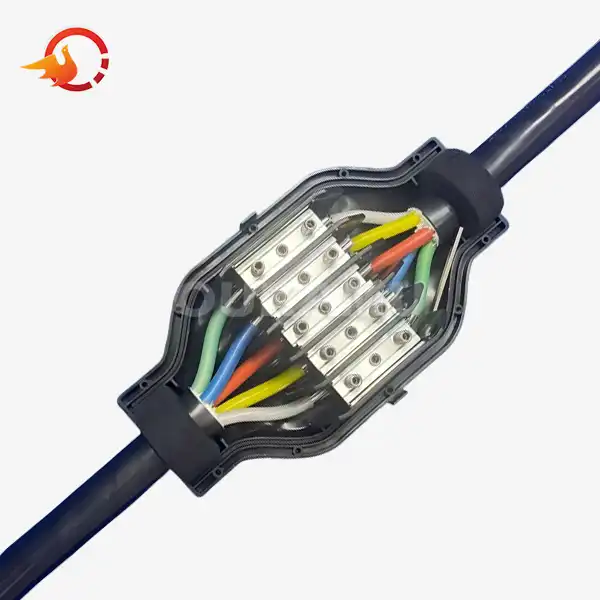
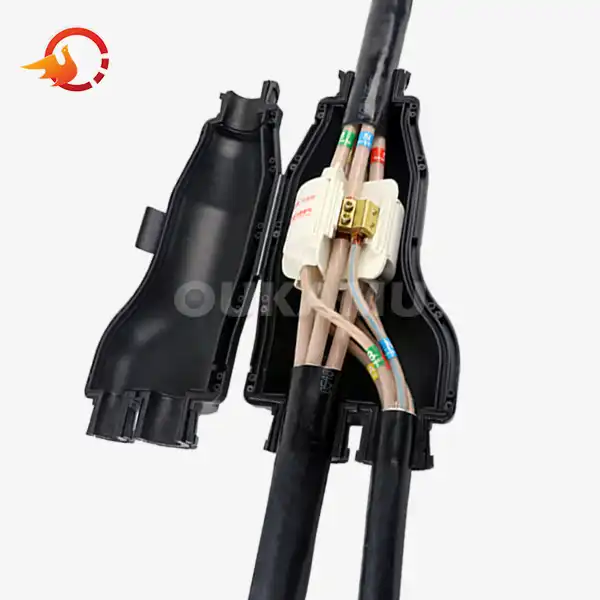
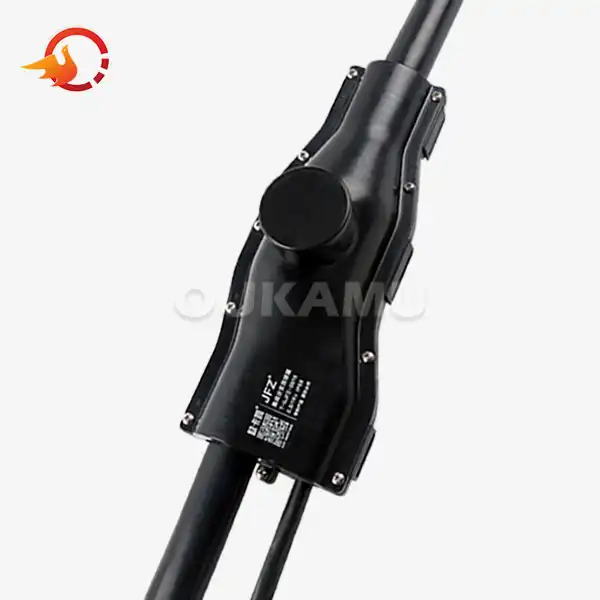
The world market now has Xi'an Oukamu Electric Co., Ltd., which has been specializing in branch cable connections and jointing technology for 20 years. Our IP68 waterproof connectors are good for 4–16 mm main lines and 1.5–10 mm branch cables. They have gel-filled insulation and double safety protection. The integrated design makes installation adjustable on-site without having to cut major wires. This cuts down on waste and labor costs. Oukamu products meet GB/T 14048.7-2016 standards, which means they are safe and reliable. They work with low-voltage flame-retardant and fire-resistant cables. Distributors and purchasing officers looking for a reliable Underground Cable Jointer seller can look at our products at okmbranchcable.com or email us at info@okmbranchcable.com to get personalized advice and low prices.
| Product Feature | Specification | Benefit |
|---|---|---|
| Waterproof Rating | IP68 | Suitable for straight burying and wet places |
| Main Cable Range | 4–16 mm | Allows for a variety of delivery networks |
| Branch Cable Range | 1.5 to 10 mm | Multiple ways to connect for different loads |
| Insulation Type | Gel-filled, two layers of defense | Better safety and durability |
| Installation Method | No main cable cutting required | Cuts down on work time and waste |
References
1. National Electrical Code Handbook, National Fire Protection Association, 2023 Edition.
2. IEEE Guide for Field Testing of Shielded Power Cable Systems Using Very Low Frequency (VLF), IEEE Standard 400.2-2013.
3. Cable Jointing and Termination Techniques for Low and Medium Voltage Networks, Institution of Engineering and Technology, 2021.
4. Underground Cable Installation Best Practices, Electric Power Research Institute, Technical Update 2022.
5. Occupational Safety and Health Standards for Electrical Work, U.S. Department of Labor OSHA Publication 3075, Revised 2022.
6. Advanced Materials and Technologies for Underground Cable Systems, International Journal of Electrical Power & Energy Systems, Volume 136, 2022.