

Underground Cable Joint Installation: Key Steps and Best Practices






 2026-08-05 11:40:57
View:389
2026-08-05 11:40:57
View:389Proper installation of cable connections in underground electrical systems directly impacts system reliability, safety, and operational longevity. Whether you're managing a municipal infrastructure project or maintaining industrial power networks, understanding the nuances of cable joint installation can prevent costly failures and unplanned downtime. A critical component in this process is the Underground Cable Joint, which must be selected and installed with care to ensure a continuous and robust electrical pathway. This guide walks through essential installation procedures, material selection criteria, and procurement considerations to help electrical contractors, distributors, and project managers make informed decisions that balance performance with cost-efficiency.

Understanding Underground Cable Joints – Types, Materials, and Standards
In underground electrical distribution systems, Underground Cable Joints are the most important places to connect cables. They keep the electricity flowing and protect the cables from external stresses. These parts link different areas of cables, allow branch connections, and make network growth possible without affecting the integrity of the system.
Common Joint Types and Their Applications
The market is mostly made up of two main technologies: heat shrink and cold shrink systems. To make strong mechanical and electrical bonds, heat shrink joints need to be heated to stretch the insulating sleeve around the cable connections. Instead of cold shrink, options use pre-expanded rubber materials that shrink around wires when they are installed, so you don't need heat tools.
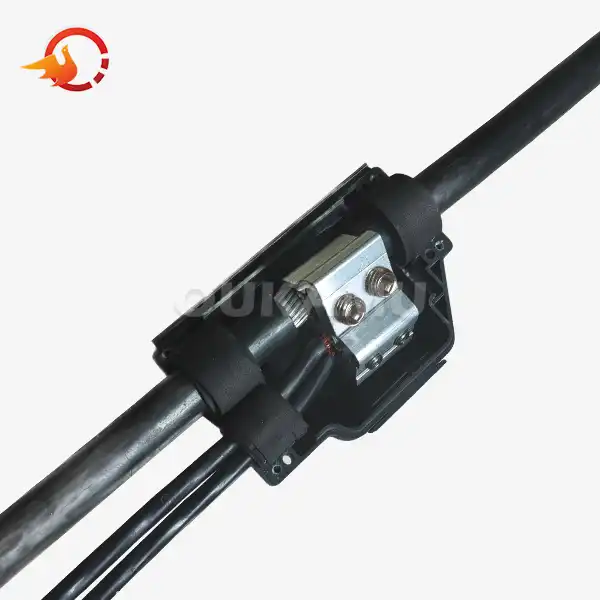
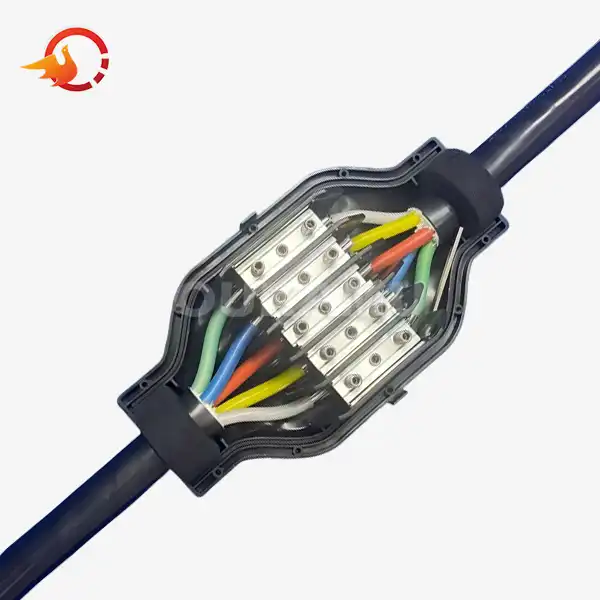
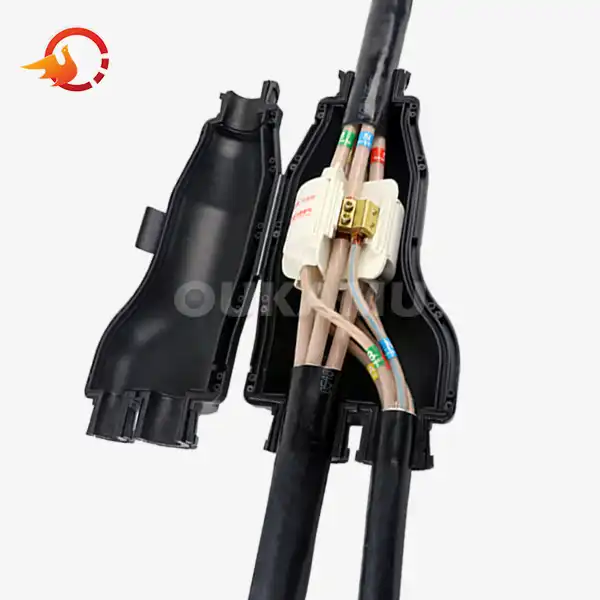
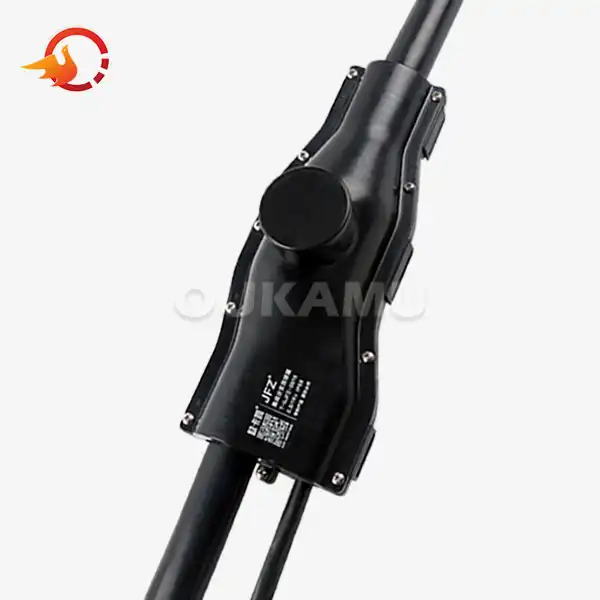
Modern branch cable joint technology has come out as a game-changing alternative to these old ways of doing things. The L-GJFZ-70/16 model from Xi'an Oukamu is a great example of this new idea because it lets installers make branch connections without cutting the main cable. This keeps the trunk line intact while cutting installation time by a huge amount.
Whether to use a single-core or multi-core configuration relies on how much room you have and how much power you need. Single-core joints make it easier to install things in small spaces, while three- or four-core designs make it easier to connect multiple phases in bigger conduits.
Material Quality and Durability Factors
Joint performance under thermal cycling and electrical stress depends on high-quality insulation materials, which are usually cross-linked polyethylene or ethylene propylene rubber. Moisture getting into sealing solutions is a main reason why joints fail in deep places. Gel-filled systems, like the ones in Oukamu's L-GJFZ-70/16, offer double-layer waterproofing and have IP68 ratings that make them suitable for installations that are buried directly or submerged in utility vaults.
Compliance with International Standards
Standards in the industry, like IEC 60502 and IEEE 404, set minimum requirements for how well cable accessories should work. Goods that meet the GB/T 14048.7-2016 standards are guaranteed to work with both Chinese and foreign standards. This is an important thing for distributors to think about when they are buying goods for projects that span borders. Type test results from makers should be included in certification paperwork to confirm insulation resistance, partial discharge levels, and the ability to withstand short circuits.
Step-by-Step Guide to Underground Cable Joint Installation
Systematic installation steps keep mistakes to a minimum and guarantee long-term dependability. For most Underground Cable Joint uses, the steps below are the same, but some may need to be changed for different joint technologies.
Pre-Installation Preparation
The first step in evaluating a site is to compare the cable's specs, such as its conductor size, insulation type, and maximum voltage, with levels of joint compatibility. The Oukamu L-GJFZ-70/16 can handle main wires from 25 mm to 70 mm and branch cables from 2.5 mm to 16 mm, so it can be used in most distribution situations. Conditions in the environment, like wet soil, extreme temperatures, and chemical exposure, affect the choice of materials and how they need to be sealed.
To get tools ready, you need things like wire strippers, measure tools, cleaning materials, and propane torches or heat guns for heat shrink systems. Cold shrink and gel-filled systems make it possible to use a lot fewer tools. Oukamu's branch links only need common hand tools, so you don't have to pay for expensive training or special tools.
Cable Preparation and Inspection
To get exact measurements, cable ends must be stripped, which means taking off the top jackets and insulation layers without damaging the wires. Lengths of strips depend on the type of joint, but for traditional joints, they are usually 150mm to 300mm. Different branch joint systems, like the L-GJFZ-70/16, work in a different way. Installers find the best branch point along the main cable route and then break the insulation there without cutting the trunk line. This method doesn't damage the main cable and lets changes be made in real time based on conditions at the site.
Conductor surfaces need to be cleaned carefully to get rid of oxidation and other things that get in the way of electrical contact. Damages like strand breaks, insulation cracks, or moisture contamination can be seen during a visual check and could affect how well the joint works.
Installation Methods for Different Joint Types
During heat shrink installation, pre-assembled parts are slid onto prepared wire ends, and electrical connections are made using compression lugs or mechanical connectors. Insulating covers are then shrunk into place using controlled heat. To keep gaps from getting stuck, the process needs careful attention to the order of heating and cooling.
Cold shrink systems make this process easier: sleeves that have already been stretched out and are supported on removable cores slide over the connections and then shrink automatically when the cores are taken out. Installing this way takes a lot less time than using heat shrink.
Installation using a branch joint is the best way to make links between taps. Technicians use the Oukamu L-GJFZ-70/16 to place the connector body where they want the branch to go, then use the built-in connector mechanism to pierce the main cable insulation, insert the branch cable, and seal the assembly. Gel-filled chambers instantly spread out around connections, making them waterproof without any extra work. The whole process only takes minutes instead of hours, and the main wire can stay live while other installation work is going on nearby.
Post-Installation Testing and Verification
Insulation resistance testing makes sure the joint is solid before it is powered up. Readings from a megohmmeter should be more than 100 megohms at the rated voltage. Values below 10 megohms mean that moisture may have gotten in or the insulation may be damaged. Partially discharge testing looks for holes or sharp edges inside that could cause an electrical breakdown when the system is under a lot of stress. Modern testing tools can find discharge activity as low as 5 picocoulombs, which is well below the levels that would cause instant failure but high enough to predict long-term damage.
A mechanical inspection makes sure that the cables are properly supported, sealed, and placed in vaults or trenches. Test results, installation dates, and joint sites should be written down so that they can be used for future upkeep.
Best Practices and Safety Guidelines in Underground Cable Joint Installation
To get the best results from a repair, you need to pay close attention to the details of the process and consistently use tried-and-true methods. The most common cause of failure is still not enough closing. When Underground Cable Joints are put together in wet situations without the right moisture barriers, tracking tracks form that slowly break down the insulation's resistance. Many problems with sealing are automatically solved when you use gel-filled or cold shrink systems.
Common Installation Errors and Prevention Strategies
The Hong Kong University of Science and Technology recently upgraded the electrical systems on campus using branch joint technology. This made the systems much more reliable and the installation process much faster. Their project showed that modern designs for connectors make it less likely for people to make mistakes than old-fashioned methods that require multiple steps to lock.
When cables are handled incorrectly—by bending, pulling, compressing, or tensioning them too much—insulation is damaged before joints are even put in place. Insulation integrity is maintained by keeping minimum bend radii (12 times the cable diameter for single-core and 15 times the cable diameter for multi-core). Branch joint systems are better in this situation because the main cables don't have to be cut and rerouted. This means that the original cable configurations aren't changed, which means there are no risks of damage from handling.
Safety Protocols for Electrical Work
De-energization and lockout/tagout processes keep workers from getting shocked by electricity. Even when the power is turned off, residual voltage checking makes sure that the circuit is safe to work with before touching the wires. Protective gear like insulated gloves, face shields, and arc-rated clothing is very important for staying safe when unexpectedly energised or a fault occurs.
Hazardous Material Management
A lot of sealing compounds and cleaning solvents have volatile organic compounds that need to be well ventilated while they are being used. Material safety data sheets tell you how to properly handle, store, and get rid of things. Gel-filled systems, like the ones in Oukamu's goods, use safe, non-toxic chemicals that make them easier to handle and make it easier to follow the rules.
Selecting the Right Underground Cable Joints for Your Project
Performance and project costs are both improved by matching joint specs to application needs. Underground Cable Joints must match or go beyond the voltage ratings for the cable system. The L-GJFZ-70/16 works at 0.6/1kV, which is good for low-voltage distribution networks that are popular in factories, apartment buildings and business buildings.
Voltage Rating and Cable Compatibility
Conductor size compatibility makes sure that the right electrical contacts are made and that the current can flow. The model's range—main lines 25 mm to 70 mm, branches 2.5 mm to 16 mm—covers most distribution situations without the need for different product types.
| Parameter | L-GJFZ-70/16 Specification |
|---|---|
| Rated Voltage | 0.6/1kV |
| Main Cable Range | 25mm - 70mm |
| Branch Cable Range | 2.5mm - 16mm |
| Waterproof Rating | IP68 |
| Insulation Type | Gel-filled, double protection |
| Installation Method | No main cable cutting required |
Environmental and Durability Considerations
Underground systems in cities have to deal with water, chemicals from contaminated soil, and changes in temperature. Joints with an IP68 rating can survive being submerged in water for a long time, which is important for installations in flood-prone places or below water tables. Flame-retardant and fire-resistant materials make high-risk places safer, like tunnels for transportation or factories that process chemicals. These safety features are built right into Oukamu's branch joints, along with anti-aging chemicals that keep their flexibility after decades of use.
Performance Versus Cost Analysis
Heat shrink joints usually cost less at first, but they need skilled labour and special tools to be installed, which raises the total cost. Alternatives to cold shrinking cost more, but they require less work and fewer skills. Branch joint systems are one of a kind because they have low material costs and a very short installation time, which often saves two to three meters of main cable and the labour needed to install it. This results in a lower total cost of ownership. The fact that Oukamu's goods can be used again and again makes them useful for temporary setups or systems that need to be rearranged every so often.
Procurement Insights – Where and How to Buy Quality Underground Cable Joints
More than just affecting the cost of the products, strategic sourcing decisions affect the success of a project. Reputation of the supplier and product approvals are the best ways to tell if a product is of good quality. Manufacturers who have focused on one area for twenty years, like Oukamu for twenty years on branch cable connection technology, show a dedication to always getting better and a high level of scientific knowledge. Certifications from reputable testing labs shown by a third party confirm that the product meets international standards and guarantee consistent quality.
Identifying Trusted Suppliers and Manufacturers
Assessing the skills of suppliers beyond product specs, the long-term value of a partnership depends on how well the supplier can do their job. Superior suppliers are different from commodity vendors because they offer technical support for installation questions, custom product configurations for specific uses, and quick service after the sale. The engineering team at Oukamu can help with installation and change the way connectors are set up to work with different types of cables or in different environments.
Evaluating Supplier Capabilities
The engineering team can do this to meet the needs of project procurement officers and engineering material suppliers.
| Supplier Evaluation Criteria | Importance for Project Success |
|---|---|
| Product Certifications (IEC, IEEE, GB/T) | Ensures compliance and reliability |
| Manufacturing Specialization | Deep expertise in specific technologies |
| Customization Capability | Addresses unique project requirements |
| Technical Support Availability | Reduces installation errors and delays |
| Inventory Management Support | Enables flexible procurement volumes |
| Warranty Terms | Protects against premature failures |
Pricing Structures and Total Cost Considerations
Price lists are good places to start, but savings for buying in bulk, payment terms and freight arrangements have a big impact on total costs. Small to medium batch purchasing is important for electrical contractors and distributors because it lets them get the most out of their inventory without tying up too much working capital. Oukamu's business plan allows for flexible order amounts, which means it can help with both big building projects and smaller retrofit ones. Products that aren't working right are covered by warranties and failure repair plans. Clear delivery schedules and reliable logistics prevent project delays.
Conclusion
The right products, careful installation steps, and strict testing rules are all needed for an Underground Cable Joint installation to go well. Modern branch joint technology has greatly improved the speed and dependability of installation compared to older methods. Main wires no longer need to be cut, and changes can be made on-site more easily. Gel-filled waterproofing, small designs, and tool-free installation methods have all come together to solve problems that electrical workers and dealers have had for a long time. As the need for infrastructure grows and funds for upkeep get tighter, procurement decisions are leaning more toward solutions that lower total ownership costs without lowering safety or performance standards.
FAQ
How long do underground cable joints typically last?
When installed according to the manufacturer's instructions, quality Underground Cable Joints usually last 25 to 30 years, which is the same or longer than the cables they connect. Environmental factors have a big effect on how long something lasts. Joints that are kept dry and at steady temperatures may last 40 years or more, but ones that are flooded, exposed to chemicals, or go through extreme temperature changes may need to be replaced after 15 to 20 years. Gel-filled versions with IP68 ratings show that they last longer in tough circumstances. Regular inspection programs help extend the life of a service.
Can we install cable joints ourselves or should we hire professionals?
How easy it is to install relies on how complicated the system is, how much power is present, and how much help is available. Low-voltage branch joints like Oukamu's L-GJFZ-70/16 have easy installation steps that can be done by trained repair workers who follow clear guidelines. Because they are dangerous and technically complicated, medium and high-voltage systems must be installed by certified cable splicers. Even for easier systems, having a professional install them makes sure that the guarantee is followed and that the system works at its best.
What tests are essential after installation?
Three main tests make sure the joint is solid: measuring the insulation resistance makes sure there is no electrical connection between the phases and the ground; the minimum value required by standards is usually 100 megohms for new installations. For medium-voltage systems, acceptance thresholds below 10 picocoulombs are used for partial discharge testing to find internal flaws that could lead to early failure. A visual and mechanical check makes sure that the sealing is correct, the cables are supported properly, and the unit is in the right place.
Partner with Oukamu for Reliable Underground Cable Joint Solutions
Xi'an Oukamu Electric Co., Ltd. has been making branch cable connectors for 20 years and has come up with new ways to solve installation problems that happen in real life. As a provider of Underground Cable Joints that is dedicated to improving connection technology, we offer products that remove the need to cut main cables, cut installation time by 60–70%, and achieve IP68 waterproofing for long-lasting use. Our L-GJFZ-70/16 model is a great example of this approach. Its gel-filled insulation, flexible positioning, and reusable design make it very cost-effective for distributors, contractors, and project managers. Contact our team at info@okmbranchcable.com to discuss your specific requirements.
References
1. Smith, J.R. and Anderson, M.K. (2021). Cable Joint Technology: Design, Installation and Maintenance. Technical Publishing International.
2. International Electrotechnical Commission (2019). IEC 60502-4: Power cables with extruded insulation and their accessories for rated voltages from 6 kV to 30 kV - Part 4: Test requirements on accessories for cables with rated voltages from 6 kV to 30 kV. Geneva: IEC.
3. Chen, L., Wang, H., and Zhang, Y. (2020). "Comparative Analysis of Heat Shrink and Cold Shrink Cable Joint Performance in Underground Distribution Networks." Journal of Electrical Engineering & Technology, 15(3), 1247-1256.
4. National Electrical Manufacturers Association (2018). NEMA Standards Publication CC 1: Electric Power Connection for Substations. Rosslyn: NEMA.
5. Martinez, R.A. (2022). "Modern Cable Branch Connection Systems: Performance Evaluation and Economic Impact." IEEE Transactions on Power Delivery, 37(2), 891-902.
6. British Standards Institution (2017). BS 6480: Impregnated paper-insulated lead or lead alloy sheathed electric cables of rated voltages up to and including 33000 V. London: BSI Standards.