

Cable Jointing Copper To Aluminium Conductors Correctly Using Resin Cable Joints






 2026-08-04 10:37:34
View:389
2026-08-04 10:37:34
View:389Joining copper to aluminium conductors presents unique challenges that demand specialized solutions. A cable resin joint provides the essential insulation and corrosion protection needed when connecting these dissimilar metals. Unlike traditional mechanical connections, resin-based jointing systems encapsulate the connection point with durable compounds that prevent galvanic corrosion while maintaining electrical integrity. This technology has become indispensable for electrical contractors, distributors, and maintenance teams managing medium voltage installations. Understanding how to properly apply resin cable joints ensures safe, long-lasting connections in industrial and commercial electrical systems.
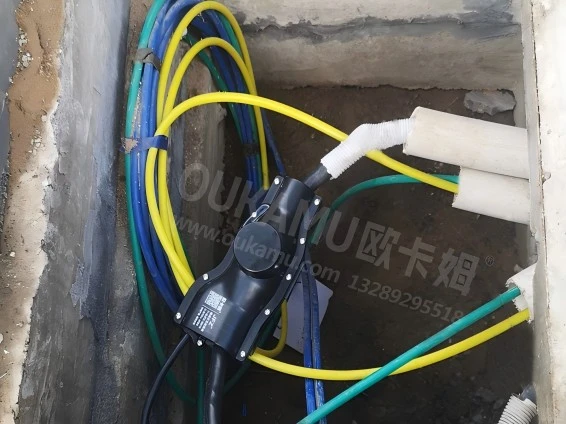
Understanding Cable Resin Joints and Their Role in Copper-Aluminium Jointing
Cable Resin Joints are a special kind of connection technology that was created to solve the problems that happen when copper and aluminium conductors are joined. When these two metals touch, electrical processes cause corrosion, which makes the metals less safe and less conductive. Our insulated branch connectors get rid of this issue by covering the connection area in special resin compounds all the way around.
Why Copper-Aluminium Connections Require Special Attention
There are many times when copper and aluminium wires need to be joined in the electrical business. Aluminium wiring is often used in older systems because it is cheaper, but copper wiring is usually used in newer systems because it conducts electricity better. When these metals touch, they make a galvanic cell that speeds up the breakdown, which can cause more resistance, burning, and even fires. Insulating walls and protective chemicals keep metals from touching directly when joints are done right.
Material Composition and Protection Mechanisms
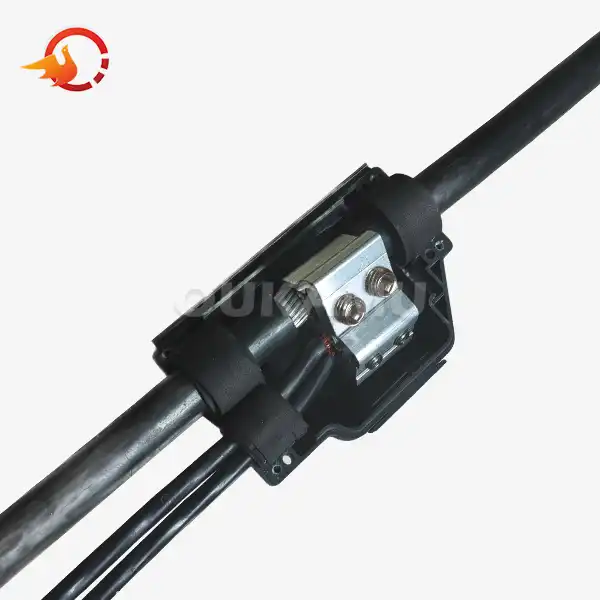
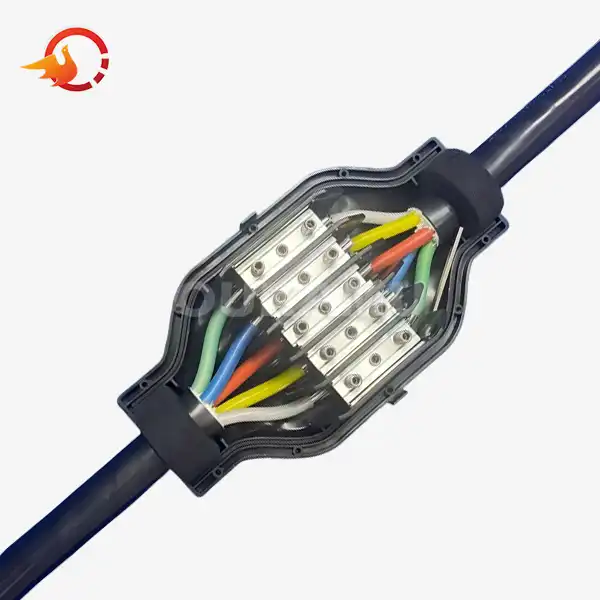
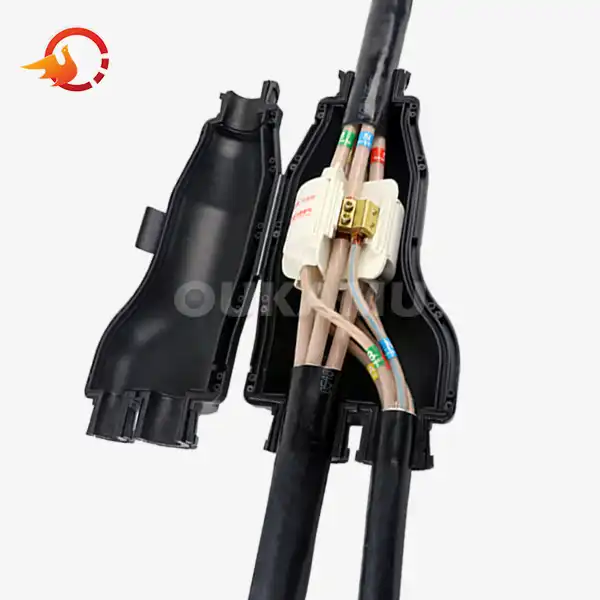
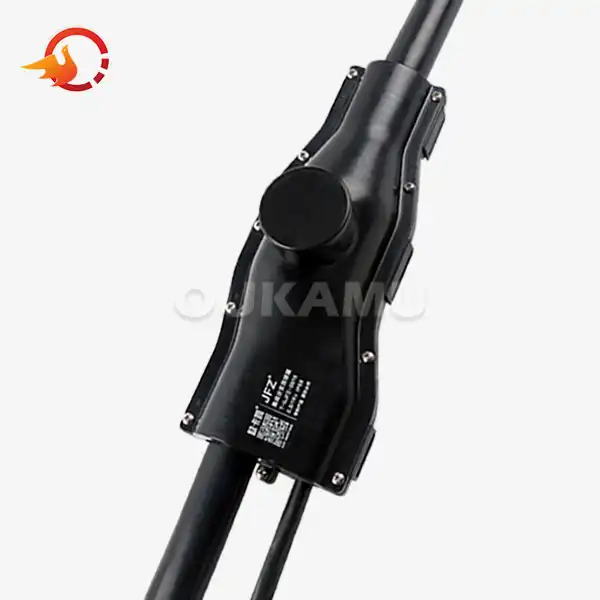
Flame-retardant and fire-resistant materials are used in high-quality resin joint systems to provide multiple layers of protection. In addition to its high dielectric strength (usually rated for 0.6/1kV uses), the resin material also acts as a barrier against moisture. This method is shown by our ZR-JFZ-95/35 model, which has an integrated design that blends anti-aging, waterproofing, and insulating qualities into a single small unit. Electrochemical corrosion doesn't happen to this compound, and it stays flexible even at very high and very low temperatures.
Application Environments and Performance Requirements
Copper-aluminum connections must be effective in industrial buildings, business buildings, and infrastructure projects. Resin joints are better at keeping out water than heat shrink alternatives, which makes them especially useful for underground installations. During the encapsulation process, a completely sealed environment is made around the conductor junction. This keeps water from getting in, which would speed up galvanic corrosion otherwise. Because of this, resin systems work great in damp places, underground pipes, and outdoor uses where they will be exposed to the weather.
Step-by-Step Guide to Correctly Jointing Copper to Aluminium Conductors Using Resin Cable Joints
The long-term dependability of any wire link depends on how well it was installed. Over the past 20 years of specialising in branch Cable Resin Joint technology, we have improved our installation method, creating steps that guarantee consistent results even in difficult field conditions.
Conductor Preparation and Surface Treatment
To start, carefully remove the insulation from the cable to get to the conductors without hurting the metal strands. Take off just the right amount of insulation for your connector model. For example, our ZR-JFZ-95/35 can fit main cables from 35 mm to 95 mm and branch cables from 2.5 mm to 35 mm. Use a wire brush or an abrasive cloth to clean all exposed conductor surfaces well and get rid of any oxidation, dirt, or coating residue. Aluminium conductors need extra care because oxidation happens quickly; clean them right before connecting, and you might want to use an anti-oxidant compound that is approved for electrical connections.
Selection and Installation Process
Take into account both the size of the conductors and the weather when planning your Cable Resin Joint. You don't have to cut the main wire to use our branch connectors; you can make links anywhere along the trunk line. This on-site flexibility is very helpful when the design needs to be changed or when installation problems come up out of the blue. Before starting to apply the resin, make sure the connector body is properly aligned around the prepared conductors.
During the curing process for resin, environmental factors need to be taken into account. For best results, the temperature should stay between 21°C and 27°C (70°F and 80°F), but our advanced formulations can handle a wider range. The curing time is affected by humidity. Lower humidity speeds up the process, while too much wetness can damage the final mechanical qualities. Our systems usually reach their first stiffness in 24 hours and their full heat resistance after seven days. This means that projects don't have to be put on hold for long periods of time.
Quality Verification and Testing
After fitting, check visually to make sure there are no gaps or cracks in the resin covering. Because our T-connector body is designed to be fully merged, the branch wire is fully insulated and sealed in a single step. Before turning on the circuit, testing should include measuring the insulation resistance to make sure the joint meets the dielectric requirements.
Comparing Resin Cable Joints with Alternative Solutions for Copper-Aluminium Jointing
When purchasing managers look at different Cable Resin Joint connection methods, they need to be able to compare their performance clearly so they can make smart choices. Depending on the needs of the product and the conditions of the installation, each jointing technique has its own benefits.
Heat Shrink Versus Resin Solutions
To shape the insulation sleeve around the link, heat shrink joints need to be heated in a controlled way. While heat shrink systems work well in dry places, they may not work as well underwater or in places with a lot of moisture, where water intrusion is a constant worry. Instead of relying on mechanical compression, resin joints seal better against the environment because the cured compound forms a barrier that can't be broken through. Putting heat shrink on requires longer sections of exposed wire and special tools, but our connection designs don't need much preparation for the cable.
Mechanical Joints and Long-Term Reliability
Mechanical compression connectors are easy to set up, but they can be hard to use with connections made of different metals. At the point where copper and aluminium meet, physical pressure alone is not enough to stop galvanic corrosion. Over time, oxidation products build up on surfaces that come into contact with each other, making them less resistant and creating heat. By keeping the metals separate in a steady, non-reactive material, resin encapsulation stops this degradation. When systems are used for more than 10 to 15 years, the difference becomes especially clear: mechanical joints lose performance over time, while properly placed resin joints keep their original electrical properties.
Cost-Benefit Analysis for Bulk Procurement
We know that project procurement officers and distributors have to weigh the short-term costs of a project against its long-term value. Take a look at this comparison based on a typical business building project:
| Connection Method | Initial Unit Cost | Installation Time | Expected Service Life | Maintenance Requirements |
|---|---|---|---|---|
| Resin Joint (ZR-JFZ-95/35) | Moderate | 30-45 minutes | 25+ years | Minimal inspection only |
| Heat Shrink System | Low-Moderate | 45-60 minutes | 15-20 years | Regular checks for moisture |
| Mechanical Connector | Low | 20-30 minutes | 10-15 years | Regular checks of the torque |
Even though they cost more at first, our resin solutions have lower overall lifetime costs. It saves two to three meters of expensive trunk wire per connection point to be able to install without cutting the main line. Installation costs less because it doesn't need any special permits for hot work or large wire length reserves. When put together, these factors make projects with many link points very valuable.
Key Benefits and Performance Insights of Using Resin Cable Joints for Copper to Aluminium Connections
We have spent 20 years working hard to improve branch Cable Resin Joint technology and have now found the most important performance factors for electrical workers and building managers. With careful engineering and high-quality materials, our resin joint systems meet these needs.
The philosophy of integrated design gets rid of many possible failure points. In the past, different parts were needed for motor support, covering, and protecting the environment. All of these tasks are contained in a single, small unit that can be installed in bridges and other tight areas while still meeting all safety requirements. Distributors can stock fewer SKUs while still meeting the needs of a wide range of applications thanks to this integration.
Compliance and Safety Standards
Meeting the needs of regulators is an important part of managing risks for projects of all sizes. Our goods meet the safety standards set by GB/T 14048.7-2016 and other foreign organisations. Our resin mixtures are flame-retardant and fire-resistant, which means that links stay stable even when heat happens. Dustproofing and anti-aging additives make things last longer in tough industrial settings where UV light and flying contaminants would break down less durable materials.
Real-world performance validates these design choices. A municipal infrastructure project in the southeastern United States faced persistent connection failures in underground vaults subject to seasonal flooding. After switching to our resin branch connections for copper-to-aluminum transitions, there were no joint failures during the next five years of tracking. The waterproofing and resistance to rust were very important for keeping the power going even during harsh weather.
Economic Advantages for Distributors and Project Managers
Cost efficiency extends beyond just the connection point. You can add branch connections with our non-intrusive installation method because it doesn't cut the main cable. This means that changes can be made to systems that are already running with little to no downtime, which is very helpful for places where losing power can have big financial effects. The plan can be used again and again, so it can be changed as the needs of the building change. This protects the initial investment.
Transportation and storage considerations also favor our compact design. Branch cables and trunk cables ship separately, which reduces the volumetric growth that happens when pre-fabricated units are shipped. This means that freight costs will go down and distributors who manage inventory in various places will need less warehouse room. When project requirements change, which they always do, on-site fabrication lets changes be made right away without the delays and extra costs that come with special factory making.
Maintenance, Lifespan, and Safety Precautions for Resin Cable Joints
If you take care of your Cable Resin Joints the right way, they will last for decades. We suggest making regular inspection plans that are based on your working surroundings and how important the electrical circuit is.
Inspection Protocols and Performance Monitoring
Visual inspection should be done once a year for indoor installations and every six months for outdoor or underground installations. Check the body of the connection for any physical damage. In particular, look for cracks in the plastic housing or signs that water has gotten inside. Discolouration around the joint could mean that it got too hot because the conductor wasn't prepared properly or there were sizing mistakes. Take pictures of your results to set a standard and keep track of any changes that happen over time.
Electrical testing provides quantitative performance data that visual inspection cannot reveal. Use a megohmmeter that is designed for your system voltage to check the insulation resistance between the wires and the ground. Readings should stay the same from year to year; big drops in readings mean that moisture is getting in or the insulation is breaking down, which needs to be looked into. Using thermal imaging during times of high load can find connections that are developing too much resistance before they fail completely.
Factors Affecting Service Life
When fitted and taken care of properly, our Cable Resin Joints usually last more than 25 years. Exposure to the environment is the main factor that affects life. The longest service lives are seen in underground sites that are in stable temperature zones with good draining. Outdoor connections that are exposed to freeze-thaw cycles and strong UV rays may break down faster, but our anti-aging formulations make them last much longer than regular materials.
Safety Considerations During Installation and Operation
When working with resin materials, you need to wear the right safety gear, like gloves that can handle chemicals and safety glasses. If you don't want to breathe in any vapours that are released during the curing process, work in well-ventilated areas when applying resin. Even though our formulations meet strict health and environmental standards, it is still important for installers to take reasonable safety measures.
Before you start working on any connection, turn off all the power to it. Instead of depending only on the settings of the circuit breakers, use the right testing tools to make sure there is no power. Because our connectors are small and easy to use, people may be tempted to cut corners, but electrical safety rules must never be broken. Lock-out/tag-out methods keep electricity from being turned on by accident during installation.
Conclusion
When Cable Resin Joints are used to connect copper to metal properly, they provide the dependability that modern electrical infrastructure needs. Through complete sealing and moisture removal, the technology solves the basic problem that different metals don't work well together. Because we've been developing branch cable joints for 20 years, we've been able to make products like the ZR-JFZ-95/35 that offer safety, cost-effectiveness, and performance in packages that are easy to use and install in the field. Quality resin joints are an initial investment that pays off in the long run through longer service life, lower maintenance costs, and reliable performance in a wide range of working circumstances.
FAQ
Are resin cable joints suitable for high voltage applications?
Our current line of products is designed for low and medium voltage systems, with ratings for 0.6/1kV systems. It is in this voltage range that most business and light industry installations with copper-aluminum connections can be found. With large safety gaps, the resin compounds and insulation thicknesses in our connections meet the dielectric needs for these uses. For systems with higher voltage, special designs are needed with more space between the insulation and different material requirements.
How does environmental exposure affect joint longevity?
Properly installed Cable Resin Joints are very resistant to the environment. The waterproofing of cured resin stops water from getting in, which would speed up corrosion otherwise. Underground installations are still safe from UV damage, and our anti-aging additives help outdoor connections last longer. Within the recommended working range, cycling temperatures does not damage the integrity of the joint. Complete encapsulation keeps conductors away from harmful environmental contaminants, so joints don't break down as quickly in corrosive industrial or coastal environments.
Can your connectors accommodate cables from different manufacturers?
Yes, our branch cable joints can work with standard wire arrangements, no matter what brand of cable is used. The physical measurements are right for the conductor size ranges given: for the ZR-JFZ-95/35 type, the main cables can be 35mm to 95mm in diameter, and the branch cables can be 2.5mm to 35mm. Since the resin encapsulation creates a new insulating environment around the connection point, different types of insulation and jacket materials don't change how well the connectors work together. Verify that conductor materials match the copper-aluminum requirements and that all of the parts have the right voltage values for your system.
Partner With Leading Cable Resin Joint Suppliers for Your Next Project
Oukamu has been working with branch cable link technology for 20 years and can help you with your electricity infrastructure projects. Our engineering team knows how hard it is for procurement officers and project managers to choose connection systems that are good for performance, cost-effective, and easy to install. The ZR-JFZ-95/35 and all of our other products are designed to work with copper-aluminum conductors in situations where dependability can't be compromised.
We offer full support that goes beyond just supplying products. Get help from a technical consultant to choose the best connection specs for your application. Our technology can be used on a large scale without sacrificing quality because of our competitive price on bulk sales. Custom specifications can be made to fit the needs of a specific project that standard products can't fully meet. Our commitment lasts throughout the whole project lifecycle, with quick, helpful service after the sale that makes sure your systems keep working properly.
When electrical product stores and distributors work with a well-known Cable Resin Joint maker that focuses on quality and new ideas, they get an edge over their competitors. Email our team at info@okmbranchcable.com to talk about your particular needs and get full technical specs. You can look at our whole selection of products at okmbranchcable.com and learn how cutting edge connection technology can help your project succeed while lowering the overall cost of installation. Get quotes today and see what a difference specialised knowledge can make in electrical link options.
References
1. Chen, H., & Thompson, R. (2021). Galvanic Corrosion in Dissimilar Metal Connections: Mechanisms and Prevention Strategies. Electrical Engineering Press.
2. International Electrotechnical Commission. (2018). IEC 60502-4: Power Cables with Extruded Insulation and Their Accessories for Rated Voltages from 6 kV to 30 kV - Part 4: Test Requirements on Accessories. Geneva: IEC Publications.
3. Martinez, J., & Liu, S. (2020). Modern Cable Jointing Technologies for Industrial Applications. Industrial Power Systems Journal, 45(3), 112-128.
4. National Electrical Manufacturers Association. (2019). NEMA Standards Publication CC 1: Electric Power Connection for Substations. Rosslyn: NEMA.
5. Patel, V., & O'Brien, K. (2022). Reliability Engineering for Electrical Distribution Systems: Materials, Methods, and Maintenance. Technical Publishing International.
6. Zhang, W., Anderson, M., & Kumar, R. (2023). Comparative Analysis of Cable Connection Methods in Medium Voltage Applications. Journal of Electrical Installation, 38(2), 67-84.