

_1790150425011.webp)
Types of Cable Joints: A Complete Guide to Cable Jointing Methods






 2026-08-10 11:19:22
View:389
2026-08-10 11:19:22
View:389When selecting cable connection solutions for electrical distribution systems, understanding the full spectrum of cable jointing methods becomes critical for operational reliability and cost management. Cable joints serve as the backbone of power distribution networks, enabling secure electrical pathways between cable segments while maintaining insulation integrity and mechanical strength. Among the primary categories, branch cable joints stand out for their unique capability to create connections without interrupting the main cable, alongside traditional straight joints that extend cable runs and cable splices designed for repair applications. Heat shrink and cold shrink variants offer different installation approaches, while compliance with standards like IEC 60502 and GB/T 14048.7-2016 ensures safety and performance consistency across diverse industrial environments.

Understanding Cable Joint Types: An Industry Overview
The joints between cables are important parts of connections that keep power flowing through electrical networks. Based on what they are used for, the industry divides these goods into three main groups. Straight joints join two cable ends together in a straight line. They are often used to extend the length of cables during installation or to replace broken sections. Repairs are made possible by cable splices, which join together broken wires to restore conductivity and insulation after harm.
Defining Branch Cable Connections
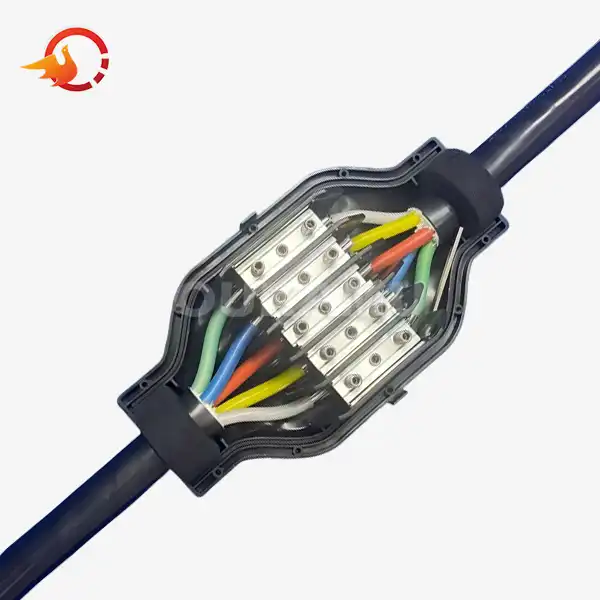
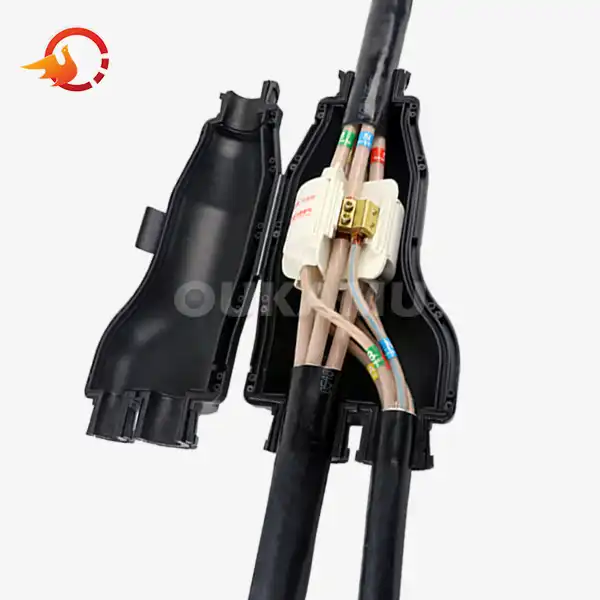
Branch Cable Joints are different because they allow links to be made from one main power line to another without cutting the cable. With this technology, electricians can connect to existing distribution cables at any point along their length and make extra circuits for lighting or powering equipment. While creating a safe, insulated path for the branching circuit, the design protects the integrity of the primary conductor.
Classification by Technology and Materials
Either heat shrink or cold shrink technology is used in modern cable jointing solutions. Controlled heating is needed to make heat shrink joints stick and shape the insulation material to the shape of the cable. Alternatives to cold shrink use pre-expanded flexible materials that shrink when a holding core is taken away. This means that you don't need heat application tools. Choosing the right material affects how quickly it can be installed, how well it works in different environments, and how long it will last in a variety of situations, from underground services to rooftop distribution systems.
International Standards and Compliance Requirements
To make sure safety and accessibility, regulatory bodies set the standards for cable joints. IEC 60502 sets standards for solid dielectric insulated extruded power cables, and IEEE 404 talks about cable joints and separable insulated connections for protected cables. In the U.S. market, following these foreign standards along with local electrical rules keeps installations from going wrong and reduces the risk of liability issues. Products that have been certified by GB/T 14048.7-2016 show that they meet standards for low-voltage switchgear and controlgear. This gives purchasing managers quality standards that they can check. When managing inventory across multiple project sites or coordinating specs between engineering teams and suppliers, these certifications become very useful.
Deep Dive into Branch Cable Joints: Types, Working Principle, and Advantages
Branch Cable Joints solve some problems with delivery that straight lines can't. Their operational design lets main cable circuits stay on while new branch circuits are set up. This cuts down on downtime during changes or additions to the system.
Heat Shrink Branch Cable Solutions
Heat shrink branch joints are made of thermoplastics that flatten evenly when heated. This makes waterproof seals around where cables enter the joint. Usually, these systems have stress control parts that keep the electrical field concentrations at the surfaces of the conductors in check. Installing something needs portable heat sources and skilled workers who know how to control the temperature. The connections that were made are very strong mechanically and protect against the environment well enough to be used outside or in harsh industrial settings.
Cold Shrink Technology Benefits
Cold shrink branch connectors are pre-assembled at the factory on cores that can be taken out. This means that field workers can do the setups without any special tools. When the core is taken out, the pre-expanded silicone rubber structure automatically contracts, fitting wire shapes perfectly. Compared to heat shrink options, this method cuts assembly time by about 40%, which saves money on labour costs for big projects. Cold shrink systems are especially useful in small spaces or places where using tools with open flames could be dangerous.
Working Principles and Technical Operations
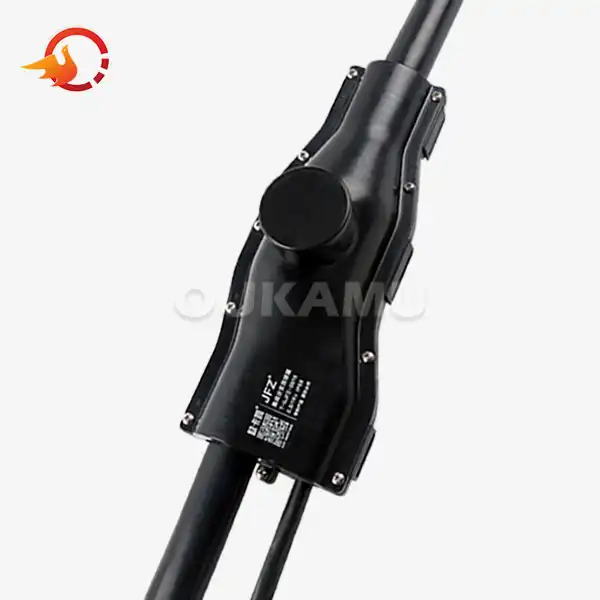
Three built-in safety features allow Branch Cable Joints to operate. Using high-dielectric-strength materials rated for voltage stress, electrical insulation stops current leakage and phase-to-phase faults. Through rigid outer housings that don't bend or wear down easily, mechanical security keeps wires from getting physically damaged. Environmental sealing uses walls that don't let water through and materials that don't rust so they keep working even in wet or chemically hostile environments. The ZR-JFZ-70/35 model is a good example of these ideas because it has built-in T-connectors that can fit main cables from 25 mm to 70 mm and branch cables from 2.5 mm to 35 mm at a 0.6/1kV rated voltage.
Core Advantages for Electrical Distribution Projects
Advanced branch cable technology has strategic benefits that directly affect how well operations run and how well the business does financially. Here are the main benefits that these methods offer:
On-Site Installation Flexibility: Branch connections can be put in at any point along the main cable route; there is no need for set junction points. This flexibility is very helpful when building conditions are different from what was planned, and it gets rid of the cable waste that comes with fixed-branch prefabricated solutions. Real-time tweaks that take into account unexpected problems or changes to the plan during installation are good for projects.
Reusability and Low-Cost Maintenance: Good branch connectors allow taking parts apart and putting them back together again without damaging the materials. Maintenance teams can move branch points or fix broken parts without having to replace the whole cable. This ability to be used again lowers the costs over the course of its life and supports sustainable infrastructure management practices that use as little material as possible.
Superior Environmental Protection: Modern insulated branch joints combine flame-retardant, fire-resistant, and waterproof features into small units. The dustproof design stops particles from getting in and messing up the tracking, and anti-aging chemicals keep the material flexible even when the temperature changes. Electrochemical rust resistance makes things last longer in industrial settings where the air is harsh.
These advantages collectively address procurement priorities around installation speed, long-term reliability, and total cost of ownership. By not having to cut main cables and planning exact branch lengths ahead of time, projects save two to three meters of cable material per connection and simplify scheduling and labour hours.
Comparing Branch Cable Joints with Other Cable Jointing Methods
Selecting appropriate cable connection technology requires understanding how different jointing methods address specific application scenarios and performance requirements.
Use Case Differentiation
When linear cable additions are needed, like when connecting reels during long distribution runs or linking building sections, straight cable joints work great. Their design makes the best use of conductor alignment and insulation continuity at the joint interface. Cable splices are used for emergency repairs, like getting service back up and running after digging, bad weather, or broken equipment. Branch connections create distribution networks from single-feed cables, which can support lighting circuits, equipment feeds, or secondary distribution panels without stopping the flow of primary power.
Installation Complexity and Technical Requirements
For straight and splice joints, the cable needs to be prepared by cutting the conductors, removing the insulation, and carefully aligning the cables. Installation can take anywhere from 45 minutes to two hours, depending on the size of the cables and the complexity of the joints. Branch Cable Joints, especially those that use cold shrink technology, keep the main cable's integrity and cut the installation time down to 20 to 30 minutes. The non-interruptive connection method gets rid of the need to coordinate outages, which means that setups can often happen while normal activities are still going on.
Performance Comparison Across Environmental Conditions
The following table compares key performance characteristics across jointing methods:
| Jointing Method | Typical Rated Voltage | Environmental Sealing | Installation Duration | Primary Application |
|---|---|---|---|---|
| Straight Joint | 0.6/1kV - 35kV | Excellent | 60-120 minutes | Cable extension, new installations |
| Cable Splice | 0.6/1kV - 15kV | Good to Excellent | 45-90 minutes | Emergency repair, damaged cable restoration |
| Branch Cable Joint | 0.6/1kV - 10kV | Excellent | 20-40 minutes | Distribution network creation, equipment feeding |
Material Technology Considerations
Heat shrink systems offer strong mechanical safety and constant insulation across a wide range of temperatures. To install them properly, you need skilled workers and the right heating equipment. Controlling the temperature correctly is also important for getting good results. Cold shrink alternatives get rid of the need for specialised tools while providing the same level of electricity performance. The choice of material often depends on the needs of the project. For example, heat shrink works best in places with a lot of mechanical stress, while cold shrink works best in places that need to be set up quickly or that can't use open flame tools.
If you install heat shrink joints correctly, they can last for 30 years or more in underground situations. Cold shrink systems can last the same amount of time as long as they are safe from UV light. Both technologies keep out wetness and keep their insulation resistance above 1000 megohms when placed according to the manufacturer's instructions. This means they will work reliably for as long as they are designed to.
How to Select and Procure the Right Branch Cable Joint for Your Needs
Procurement decisions around cable jointing solutions balance technical compatibility, regulatory compliance, and commercial considerations to optimize project outcomes.
Technical Compatibility Assessment
The main selection factor is how well the cables fit together. Certain types of conductors can be used with certain products, such as the ZR-JFZ-70/35, which can handle main cables from 25 mm to 70 mm and branch cables from 2.5 mm to 35 mm. Sizes that don't match up weaken connections and pose safety risks. With enough safety margins, the voltage rating must match or go above the system operating voltage. Most commercial and industrial low-voltage distribution uses standard 0.6/1kV Branch Cable Joints. However, higher-rated products may be needed for certain uses.
Procurement Factors for B2B Clients
Lead times are very different between manufacturers and types of products. Items from a distributor's stock that aren't customised may ship within days, while customized specifications may take up to eight weeks to make and test for quality. Minimum order quantities (MOQs) affect smaller contractors and project-specific purchases. Knowing how flexible suppliers are with MOQs can help you get the most out of your inventory investment without risking too much stock.
Pricing structures reflect several cost components. Unit prices go down as more is ordered, which makes buying in bulk appealing for workers who are working on multiple jobs at the same time. When standard products don't meet the specific needs of an installation, the ability to customise them is very useful. Manufacturers that offer OEM services can change the dimensions of connectors, the way cables enter, or the marking requirements to help brands stand out or meet the needs of a specific project.
Evaluating Supplier Credentials
Well-known brands like 3M, Raychem (TE Connectivity), and Siemens hold top spots in the market thanks to their many certifications and track records of success in the field. Specialised suppliers like Oukamu have a lot of experience with branch cable technology. They have been developing products for 20 years, which means they can make better designs and help with applications. When evaluating a supplier, you should look at:
- Certification documentation: Verification of IEC, IEEE, and regional standard compliance
- Quality management systems: ISO 9001 certification indicating consistent manufacturing processes
- Technical support availability: Access to application engineering for product selection and troubleshooting
- After-sales service infrastructure: Warranty terms, replacement part availability, and field service capabilities
- Supply chain stability: Manufacturing capacity, inventory management, and logistical reliability
Optimizing Total Cost of Ownership
The price you pay for something is only one part of how much it really costs. On electrical projects, the cost of labour often exceeds the cost of materials. Products that cut installation time by 50% can explain higher prices by saving money on labour. Costs are also affected by how efficiently materials are used. For example, branch joints that get rid of two to three meters of wire per link save a lot of money on projects with a lot of branch points. The long-term costs of ownership are affected by how reusable and maintenance-friendly a product is. Higher-quality products can be installed more than once, so they don't need to be replaced as often.
When purchasing managers balance these factors, they usually build relationships with suppliers that offer competitive prices, reliable technical support, and on-time delivery. Multisourcing strategies make sure there is a steady supply of goods while taking advantage of competition to get better business terms.
Installation, Maintenance, and Troubleshooting of Branch Cable Joints
Proper installation practices and proactive maintenance protocols maximize cable joint reliability and service life, protecting infrastructure investments while minimizing unexpected failures.
Installation Procedure Overview
Branch Cable Joint installation follows a set of steps that make sure the electrical and mechanical stability. The first step in getting ready is to identify the cables and make sure the circuits are off by using the right checking tools. The insulation of the main cable is cleaned to get rid of any dirt or dust that might make it less adherent or create tracking paths. Preparing a branch cable means cutting the conductors to the right lengths and removing the insulation based on the joint measurements.
The ZR-JFZ-70/35 placement is a good example of how to do a modern branch joint. The T-connector body fits over the main wire at the branch spot that you want, so the main conductor is not cut. Branch cable conductors connect to each other using built-in connectors that cut the insulation of the main cable to make an electrical connection while keeping the insulation around the connection point intact. Around entry points, waterproof sealing parts are put in place, and then flame-resistant outer protection layers are added. The whole assembly process usually takes 30 minutes, and the main cable stays mechanically intact the whole time.
Safety Protocols and Quality Verification
Installers are safe from electrical and mechanical dangers when they wear heated gloves, safety glasses, and clothing that is rated for arcs. Before work starts, voltage testing makes sure that the power is off, and lockout/tagout procedures keep it that way during installation. After it's all put together, an eye check makes sure there are no gaps, cracks, or misalignments. Using a megohmmeter to test the insulation resistance proves that there is no electrical connection between the phases or to ground. For newly placed joints, readings usually go above 1000 megohms.
Proactive Maintenance Practices
Routine inspection schedules should check branch joints once a year in normal settings, and every three months in harsh industrial settings. Visual inspections find physical harm, signs of wetness getting in, or signs of insulation degradation like cracks or changes in colour. Infrared thermography finds problems before they happen by noticing changes in temperature that could mean broken links or problems with internal resistance.
Maintenance for environmental protection includes checking the integrity of the seals and cleaning the outside to get rid of corrosive deposits. Pit inspections are helpful for underground joints because they look for water buildup or changes in the soil's chemistry. For systems that go above, the support gear needs to be looked at and UV damage must be protected.
Common Failure Modes and Remediation
Insulation usually breaks down because of mistakes made during installation, damage to the machinery, or wear and tear over time. Insulation resistance readings that are lower or tracking patterns that can be seen on the insulation surfaces are signs. Joint replacement or, in some cases, adding more insulation layers may be needed to fix damage that is only on the surface.
Ingress of moisture hurts electrical performance by causing rust and contamination of the wiring. If you have persistent moisture problems, you may need to replace the joints and use better sealing methods or make changes to the environment, like making the drainage better. When there are mechanical problems, they show up as loose links, broken conductors, or damage to the housing. Connection problems might be fixed by re-torquing or replacing the connector, but damage to the structure of the joint means it has to be replaced completely.
Professional intervention becomes advisable when troubleshooting reveals problems beyond basic maintenance capabilities, particularly for high-voltage applications or when electrical testing indicates performance degradation. Specialised testing tools and knowledge make sure that the problem is correctly identified and the right steps are taken to fix it.
Conclusion
The choice of cable jointing technology has a big effect on the reliability, installation efficiency, and lifecycle costs of an electrical distribution system. Branch Cable Joints are great for setting up distribution networks without cutting into main power lines. They give you more installation options, which cuts down on trash and labour costs. Procurement managers and project engineers can choose the right goods for the job by knowing the differences between jointing methods like straight joins, splices, and branch solutions.
When making the best buying choices, technical factors like connection compatibility, environmental protection, and regulatory compliance come together with business factors like price, wait time, and source capabilities. Installing things correctly and keeping up with repair schedules will protect your infrastructure investments and keep it running at its best for longer.
FAQ
What distinguishes branch cable joints from standard cable splices?
Branch Cable Joints connect two main cables side by side without cutting the primary wire. This lets the distribution network grow while keeping the purity of the main circuit. Cable splices join two ends of a cable together in a straight line. They are mostly used to fix cables that have been damaged. Branch joints let power run through the main cable while they are being installed, but splices need to turn off the power to both ends of the cable.
Can branch cable joints accommodate different cable types and insulation materials?
Quality branch connectors can work with different types of cables, such as armoured, PVC-insulated, and XLPE cables, as long as they are within their size ranges. At 0.6/1kV, the ZR-JFZ-70/35 type can handle main wires from 25 mm to 70 mm and branch cables from 2.5 mm to 35 mm. Manufacturers should be asked if their products are compatible with certain insulation materials, since some joint designs work best with certain wire structures. Different types that are waterproof and flame-retardant are good for outdoor and fire-prone areas, respectively.
What service life should be expected from properly installed branch cable joints?
Branch Cable Joints that are made to international standards and put according to the instructions usually last 20 to 30 years, just like the cable systems they link. How long something works relies on its surroundings, how much mechanical stress it is exposed to, and how well it is maintained. Underground installations in stable soil usually last longer than 30 years. However, installations that are subject to vibration, chemical exposure, or changes in temperature may need to be inspected and possibly replaced sooner. Regular maintenance, such as eye review and insulation resistance testing, finds problems early on, before they become too big to handle.
Partner with Oukamu for Advanced Cable Connection Solutions
Oukamu specializes as a branch cable joint manufacturer delivering proven connection technology backed by 20 years of focused development. Our ZR-JFZ-70/35 model exemplifies engineering innovation with reusable, non-interruptive installation capabilities that save 2-3 meters of cable per connection while reducing labor costs and project timelines. Compliance with GB/T 14048.7-2016 and international safety standards ensures reliability across demanding applications from construction to industrial maintenance.
We offer customized OEM services supporting your specific project requirements, from modified specifications to tailored packaging solutions. Our integrated design approach combines insulation, flame retardancy, fire resistance, and waterproof protection within compact assemblies suitable for both open and bridge installations. Volume pricing and flexible order quantities accommodate procurement needs ranging from project-specific requirements to inventory stocking programs.
Contact our technical team at info@okmbranchcable.com to discuss your cable connection requirements. Visit okmbranchcable.com to explore our complete product catalog and request detailed specifications for your next project. Let us demonstrate how Oukamu branch cable joint solutions deliver measurable performance and cost advantages for electrical distributors, contractors, and equipment suppliers.
References
1. International Electrotechnical Commission. (2014). Power Cables with Extruded Insulation and Their Accessories for Rated Voltages from 1 kV up to 30 kV – Part 1: Cables for Rated Voltages of 1 kV and 3 kV. IEC 60502-1:2014.
2. Institute of Electrical and Electronics Engineers. (2013). IEEE Standard for Cable Joints for Use with Extruded Dielectric Cable Rated 5000 to 46,000 V and Cable Joints for Use with Laminated Dielectric Cable Rated 2500 to 500,000 V. IEEE Std 404-2013.
3. Standardization Administration of China. (2016). Low-voltage Switchgear and Controlgear – Part 7: Ancillary Equipment – Section 4: Cable Trunking Systems and Cable Ducting Systems for Electrical Installations. GB/T 14048.7-2016.
4. Hampton, R. N. (2018). Electrical Power Cable Engineering (3rd ed.). CRC Press.
5. Thue, W. A. (2017). Electrical Power Cable Engineering: Design, Installation, and Maintenance. McGraw-Hill Education.
6. National Electrical Manufacturers Association. (2019). Cable Joints for Extruded Dielectric Power Cable Rated 5 through 46 kV. NEMA CC 10-2019.