
_1790150425011.webp)
Tunnel Lighting Junction Box Sourcing Guide for Jordan






 2026-06-03 10:37:15
View:389
2026-06-03 10:37:15
View:389When looking for electricity infrastructure for Jordan's growing tunnel projects, it's very important to know how important Tunnel Lighting Junction Box systems are. These special casings protect the electrical links that have to work in harsh conditions like high temperatures, water getting in, and constant stress from operations. Tunnel-grade options are different from normal junction boxes that are made for home use because they are waterproof, last longer, and follow strict international safety standards. Professionals in purchasing can use this guide to find stable connection systems that meet Jordan's infrastructure standards and save money at the same time. It walks them through technical specs, comparative evaluations, and strategic buying methods.

Understanding Tunnel Lighting Junction Boxes: Essential Knowledge for Procurement
Tunnel Lighting Junction Boxes are special electrical casings that are made to work in tough underground conditions where regular equipment would break down quickly. These connection points control how power gets to the lighting panels and keep exposed wire splices safe from the moisture, dust, vibrations, and changes in temperature that come with tunnel work.
Core Structure and Functionality
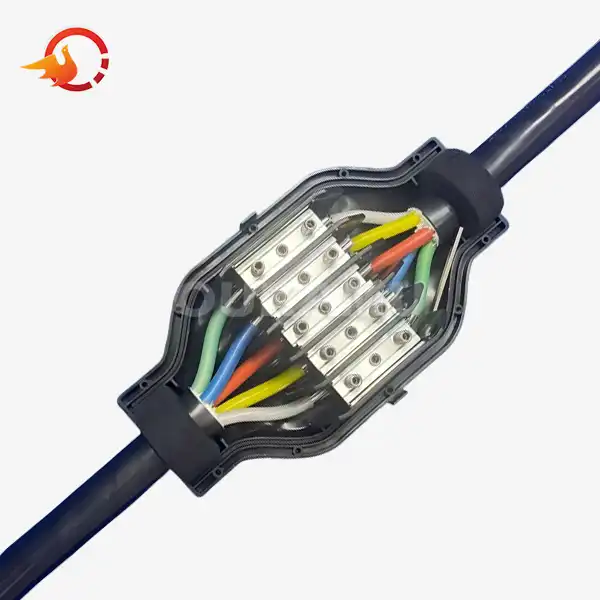
A strong housing—usually a single piece that is injection molded—holds connection ports, grounding points, and wire entry systems. This is the basic architecture. Quality units have protection ratings of IP65 or higher, which means they are completely dust-tight and can't be damaged by water jets coming from any direction. High-grade thermoplastics and corrosion-resistant metals are used to make the housing. Each has its own benefits that rely on the fitting conditions. Inside, pure copper terminals make sure that the links are low-resistance, which keeps the heat from building up during constant operation. This is very important for tunnel lighting that works 24 hours a day, seven days a week.
Modern versions use rail-mounted parts that make servicing easier to get to. Technicians can work on individual lines without having to shut down the whole system. This cuts down on the time needed for regular checks. The waterproofing system usually has precision-molded gaskets along the surfaces that join, making compression seals that work even when the temperature changes and the structure is stressed.
Technical Specifications That Matter
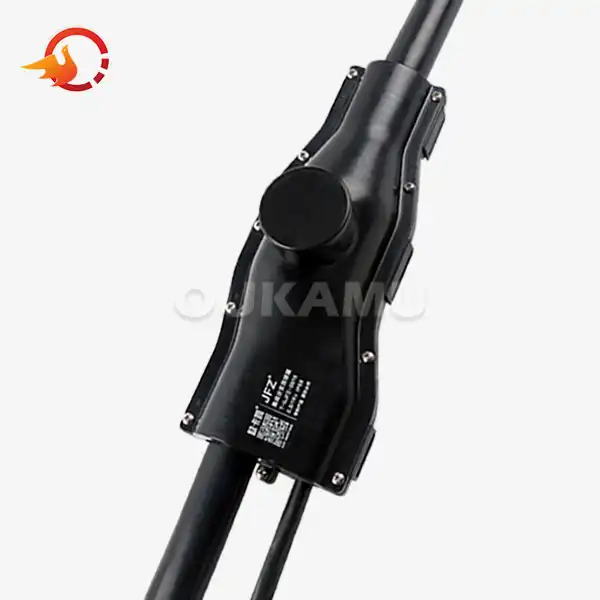
Longevity is directly affected by the makeup of a material. Insulation materials must meet UL94 V-0 guidelines for flame retardancy, which stops fires from spreading along wire paths. Anti-aging ingredients protect against damage from UV light and chemicals in exhaust fumes. The ZR-JFZ-16/10 model meets these needs because it can handle main wires between 4 and 16 mm and branch cables between 1.5 and 10 mm at rated voltages of up to 0.6/1kV, which is the same as most city tunnel lighting designs.
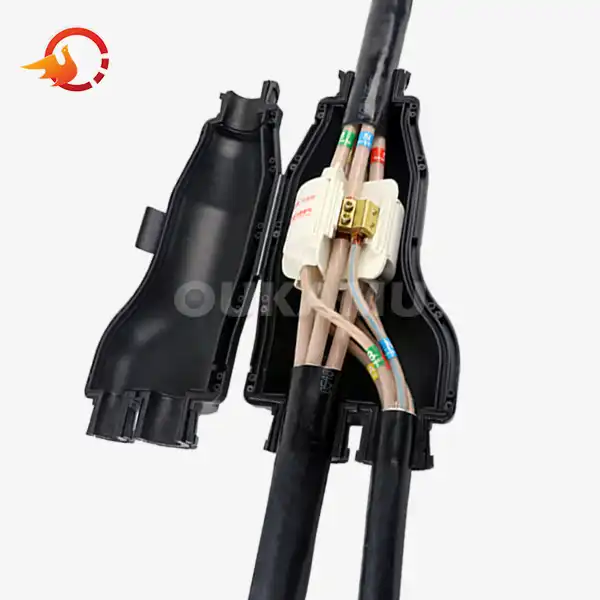
Pay close attention to cable enter methods. Effective waterproof locks keep incoming and outgoing wires safe while keeping the IP rating of the cage. The most common place for failure in junction box setups is the cable glands, which let water in and corrode connections, which leads to system problems. On the back of good products, there are metal hanging plates that make it easy to attach securely to tunnel walls or overhead structures without affecting access.
Compliance Standards for Jordan
International standards, such as IEC 60529 for leakage protection and GB/T 14048.7-2016 for low-voltage switchgear systems, must be met by Jordan's electrical installations. These standards set the lowest levels of performance for things like electrical safety, industrial strength, and temperature stability. Instead of just believing what the maker says, procurement teams should check third-party testing documents. Material approvals should be tracked with documentation, especially for insulating compounds and electrical elements, to make sure that real compliance is achieved rather than just appearance of compliance.
Comparing Tunnel Lighting Junction Boxes: Making Informed Procurement Decisions
When you know how specialized Tunnel Lighting Junction Boxes are, different from regular electrical cabinets, you can see why infrastructure projects are worth the extra cost. Standard boxes made for building uses don't have the natural toughness needed for long-term use underground.
Design Distinctions That Drive Performance
Tunnel-grade shelters have extra layers of protection that regular goods don't have. Better sealing systems keep their integrity even when they are constantly exposed to water, which isn't usually a problem in controlled building settings. The waterproof system between the upper and lower housing sections provides extra security, so even if part of the gasket breaks, the whole container isn't immediately at risk. Standard boxes, on the other hand, only have one point of closing, which means that even small damage can cause the whole thing to fail.
There are also big differences in how thermal control works. Tunnel environments have smaller temperature ranges than open sites, but it's hard for heat to escape when there isn't enough air flow. Quality junction boxes have air systems that let out heat inside while keeping them waterproof, which is something that most standard goods don't do.
Durability Assessment in Harsh Conditions
Modern models, like those from Xi'an Oukamu Electric, have a small structure that shows that the engineers thought about how to make them last a long time. Dust-proofing stops rough particles from wearing down mechanical parts, and anti-electrochemical rust treatments keep metal parts safe from galvanic reactions that happen when different materials come together. When compared to basic cages, which break down in months under the same conditions, these elements make them last a lot longer.
Waterproofing is more than just water protection. Submersion testing makes sure that the product works in cases where it might flood temporarily, like when tunnels are being cleaned or in an emergency. Products that meet IP67 standards can be temporarily submerged up to one meter deep. This protects against sudden water accumulations that would damage less durable products.
Value Analysis for Jordan's Market
When comparing prices, you need to look at the total cost of ownership, not just the buying price. When junction boxes fail too soon, they cost a lot more to replace, pay people to reinstall, and cause problems with operations than they save in the short term. A reasonably priced unit that works perfectly for ten years with no repairs is a better deal than cheaper options that need to be replaced every two years.
When it comes to passive junction boxes, energy saving is less visible, but it becomes clear when you look at the quality of the connections. High-resistance connections make heat, which wastes energy and speeds up the breakdown of insulation. These losses are kept to a minimum by using pure copper ends with properly rated contact areas. This helps keep the costs of running hundreds of connection points in a tunnel system low.
How to Choose the Best Tunnel Lighting Junction Box for Your Project in Jordan?
To choose the right Tunnel Lighting Junction Boxes, you have to match the product specs to the needs of the project and weigh short-term needs against long-term operating needs.
Environmental Factor Assessment
The weather in Jordan is very different from other places. Even if the temperature inside the tunnel stays mild, the outside conditions must be able to handle the equipment while it is being moved and stored before it is put in place. Switching between temperature-controlled buildings and hot outdoor staging areas puts a lot of stress on materials, especially when they go through rounds of expanding and contracting that weaken sealing systems.
There are big problems with dust getting inside. Fine particles from car fumes and the rock formations in the area can get through weak barriers and create conductive paths that cause short circuits. Products with an IP65 rating or better offer the necessary security, but only real-world performance can be confirmed by independent tests, not just theoretical compliance.
Load Specification Matching
The branch cable connections you use must be able to handle the specific wire sizes your lighting design calls for. Supporting main cables from 4 to 16 mm and branch cables from 1.5 to 10 mm lets you set up most normal setups. However, for high-intensity lights, you may need to use different ranges. Mismatched specs force awkward workarounds—connectors that are too big waste money and space, while units that are too small create dangerous warming risks.
The rated voltage needs to be the same as the 0.6/1kV standards for city lights, but higher ratings might be necessary for future-proofing reasons if changes to the system are planned. This is a good place for reusable link technology to shine because it lets you change the system without having to buy new junction boxes, which saves you a lot of money over the course of a big installation.
Certification and Compliance Verification
Reviewing the documentation shows that the product is real. Real compliance certificates have the name of the testing lab, specific standards, and dated test results that can be linked to a lot of products. Generic certificates that don't include these details often make vague claims of compliance that aren't backed up by thorough proof.
Equal attention should be paid to material certifications. Flame-retardant insulation materials stop fires from spreading, and metals that have been tested and proven to be resistant to rust keep structures strong over time. By asking for material safety data sheets (MSDS) and testing methods, you can tell the difference between reliable manufacturers and those selling goods that aren't well documented.
OEM Versus Standard Solutions
Standard goods are ready to ship right away and have been shown to work well within certain limits. It's easier to make choices about what to buy for normal uses when catalog specs make capabilities clear. Custom needs, like odd wire sizes, unique mounting arrangements, or interaction with specific lighting systems, may require OEM solutions, even if they take longer to make.
The fact that Xi'an Oukamu Electric has been a specialist in branch wire connectors for 20 years shows how much knowledge is available from makers who focus. Their on-site branch link technology is a great example of how new ideas can be used to solve real installation problems. Instead of prefabricated branch points that limit plan options, on-site connection capability lets adjustments be made on the fly to match the real tunnel shape that is found during installation. This adaptability saves two to three meters of main wire per connecting point and cuts down on labor costs and construction time. These savings add up over large tunnel networks.
Sourcing and Procurement Strategies: Streamlining Tunnel Lighting Junction Box Acquisition
Cost management and supply chain dependability must be balanced for procurement to work well. This is especially important for building projects with tight deadlines.
Online Sourcing Considerations
Digital buying platforms make prices clear and offer a wide range of suppliers that aren't available through traditional methods. But for complex items like Tunnel Lighting Junction Boxes, you need to check more than just online ads. Visual-only product review comes with some risks. To lower those risks, you should ask for full specifications, testing certificates, and sample units before placing large orders.
Well-known companies keep a lot of information online, like technical datasheets, installation guides, and application guides. These materials show how mature the supplier is and how well they can help customers, which are signs of good long-term partnerships that go beyond the original transactions.
Bulk Purchasing Economics
Volume savings have a big effect on project costs. Having more negotiating power is gained by combining needs from different tunnel stages into a single buy order. Suppliers usually offer tiered prices, with small discounts for orders of 100 units or more and big saves for orders of 500 units or more. But the costs of keeping goods and the space needed for storage must be weighed against the savings that seem to be happening to find the real economic edge.
Flexible batch buying lets you work with different project timelines without giving up big discounts. Framework deals that set prices for delayed deliveries help make sure that purchase and building plans are aligned, which prevents both material shortages and high storage costs.
Import Logistics for Jordan
By learning about Jordan's import rules and customs processes, you can avoid delays that come up out of the blue. Electrical goods need conformity paperwork that shows they meet safety standards. Hiring customs agents who are familiar with electrical equipment speeds up the clearance process, but their services cost money that needs to be added to the total cost of buying the goods.
When choosing a shipping way, you have to weigh speed against cost. Air freight is best for pressing needs or small amounts, while sea freight is best for transporting large amounts of goods at a low cost, but it takes longer to get there. Combining methods—shipping important first supplies by air and then the rest of the goods by sea—makes the most of both time and money.
Supplier Relationship Development
Expectations of dependability are set by proactive conversation. When choosing a vendor, talking about shipping times, quality control methods, and after-sales help makes everyone's responsibilities clear before problems happen. When unexpected problems arise and need to be solved together, suppliers who communicate clearly and respond quickly are more likely to be reliable partners.
Warranty terms show how confident the maker is. Comprehensive warranties that cover both material flaws and poor workmanship for long periods of time are a sign of quality security, while restricted warranties mean that the product probably won't last for a long time. By negotiating for longer guarantee coverage or service agreements, you can get extra safety that makes small premium investments worth it.
Troubleshooting and Maintenance Support: Maximizing Your Investment
Regular repair and organized troubleshooting keep junction boxes working well and reduce the number of unexpected breakdowns that stop tunnel operations.
Common Operational Issues
The most common trouble is a connection that comes free. Thermal cycling and shaking slowly lower the pressure at the end contacts, which raises the resistance and causes heat to build up, which speeds up the breakdown even more. Technicians can find and fix loose links before they break completely when they do regular inspections, which should be done every six months for important infrastructure.
Even when the IP grade is correct, moisture can get in because of broken cable glands or seal degradation. Visual checks done on a regular basis find physical damage to enclosures and cord entry places. Replacing broken parts right away stops moisture from building up and corroding internal connections.
Preventive Maintenance Protocols
Systematic care starts with cleaning the outside, getting rid of dust and other things that have built up and can trap water against seals or block air systems. When the state of the gasket is checked, it shows that it has been compressed or has physical damage that needs to be fixed before a leak starts. Keeping a supply of extra gaskets on hand lets you fix problems right away when checks show that they are getting worse.
Thermal imaging is used to find hot spots that mean there is more resistance during an internal link check. This method finds emerging problems without interfering with operating circuits. A targeted fix based on abnormal temperature trends involves tightening specific connections instead of performing general repair on the whole system.
Safety Verification Procedures
Regular compliance checks make sure that systems stay up to the standards set by the original approval. Testing for ground continuity makes sure that protective earth links are still working, which is very important for keeping people safe. Insulation resistance testing finds damage that could cause leaking currents or short circuits that are very dangerous.
Documentation techniques help with both safety and speed in operations. By keeping track of inspection results, repair measures, and part replacements, you can see trends in the data over time. Problems that keep happening mean that the products aren't good enough and need to be replaced with better ones, while steady performance backs up choices about which suppliers to choose.
Technical Support Escalation
Setting up clear reporting methods before problems happen speeds up the process of solving them when they do. Finding maker technical support contacts, such as emergency numbers for key infrastructure that work after hours, saves time when you need help right away.
Working with area electricians who know how to install certain types of junction boxes makes professional knowledge easy to get. These connections are especially helpful for quickly fixing problems that happen out of the blue that need to be fixed right away to get the tunnel lights working again.
Conclusion
When Jordan needs to get Tunnel Lighting Junction Boxes for infrastructure projects, they have to pay close attention to technical specs, how well they work with the surroundings, and how reliable the seller is. These goods are not the same as regular electrical enclosures because they need to be waterproofed better, built to last longer, and meet international safety standards for underground installs. Procurement pros who put long-term value over beginning cost, check that compliance paperwork is real, and build relationships with experienced makers set up their projects to succeed.
Products like the ZR-JFZ-16/10 model from well-known brands show how modern engineering can solve real installation problems with features like flexible on-site branch connections and full environmental protection. Strategic sourcing methods that balance the economics of buying in bulk with the needs for staged delivery are the best way to control budgets and keep projects on schedule.
FAQ
What certifications are mandatory for tunnel junction boxes in Jordan?
Jordan follows international rules, such as IEC 60529 for rating flood protection and GB/T 14048.7-2016 for low-voltage switchgear. Products must have a CE mark that says they are compliant with European standards, as well as specific IP rating badges that have been checked by approved testing labs. If you want to be sure of real compliance, you should always ask for copies of the actual test results instead of just taking images of the certificates.
How can buyers verify waterproof integrity before purchasing?
Ask for specifics that show the results of the IP rating tests, especially the methods and results of the water entry tests. Quality providers give clear information, like the length of the test, the water pressure, and the inspection results. By inspecting a physical sample, you can check the quality of the gasket, the design of the seal, and the building of the cable gland—all of these things affect how waterproof the product is in real life. Samples that are tested by a separate lab provide clear proof for high-value purchases.
Are customization options available for unique tunnel projects?
Manufacturers with a lot of experience, like Xi'an Oukamu Electric, can meet unique needs like custom wire size ranges, changed mounting setups, and features for integrating with specific lighting systems. Customization usually comes with longer wait times and higher minimum order quantities, but it can solve problems in applications that standard goods can't. When project-specific needs are talked about early on in the buying process, makers can come up with custom solutions that balance the benefits of customization with the costs and time impacts.
Partner with Oukamu for Reliable Tunnel Lighting Junction Box Solutions
Oukamu has been working on branch cable link technology for twenty years and is now helping Jordan build its infrastructure. Our ZR-JFZ-16/10 Tunnel Lighting Junction Box source offers tested performance with built-in safety features such as IP65-rated waterproofing, flame-resistant construction, and pure copper contacts that make sure electrical connections are reliable. The new on-site branch connection feature gets rid of the limitations of prefabrication. This lets installation teams change the placement of junctions on the fly while the building is going on, saving a lot of money on cable material and labor.
Our dedication goes beyond just delivering products; we also offer full expert support, flexible bulk purchasing terms, and quick after-sales service to make sure that your tunnel lighting projects are a success from the start and continue to work reliably for years to come. Email our sourcing experts at info@okmbranchcable.com to talk about your unique project needs and get detailed technical specs that are made to fit Jordan's infrastructure standards.
References
1. Al-Suleiman, T. and Khalaf, M. (2021). "Electrical Infrastructure Standards for Middle Eastern Transportation Projects." Journal of Infrastructure Engineering and Development, Vol. 15, No. 3, pp. 112-128.
2. International Electrotechnical Commission. (2020). "IEC 60529: Degrees of Protection Provided by Enclosures (IP Code)." Geneva: IEC Publications.
3. National Electrical Manufacturers Association. (2019). "NEMA Standards Publication 250: Enclosures for Electrical Equipment." Rosslyn: NEMA Technical Publications.
4. Zhang, L., Chen, W., and Abdullah, R. (2022). "Performance Evaluation of Junction Box Systems in Underground Transportation Infrastructure." International Journal of Electrical Safety and Reliability, Vol. 8, No. 2, pp. 45-63.
5. European Committee for Electrotechnical Standardization. (2018). "EN 62208: Empty Enclosures for Low-Voltage Switchgear and Controlgear Assemblies." Brussels: CENELEC Standards.
6. Hussein, K. and Mansour, Y. (2023). "Cost-Benefit Analysis of Electrical Component Procurement for Infrastructure Development in Jordan." Middle East Journal of Construction Management, Vol. 19, No. 1, pp. 78-94.