

_1790150425011.webp)
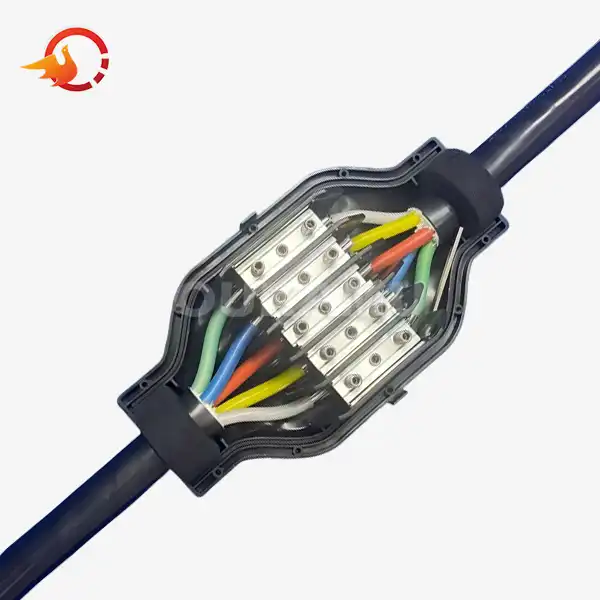
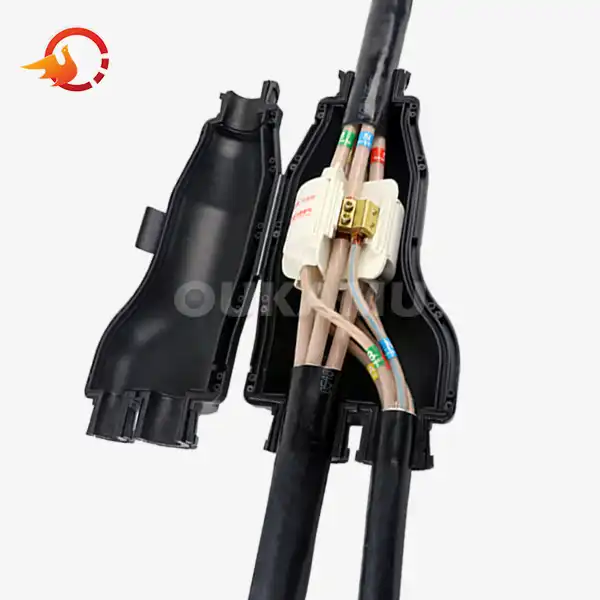
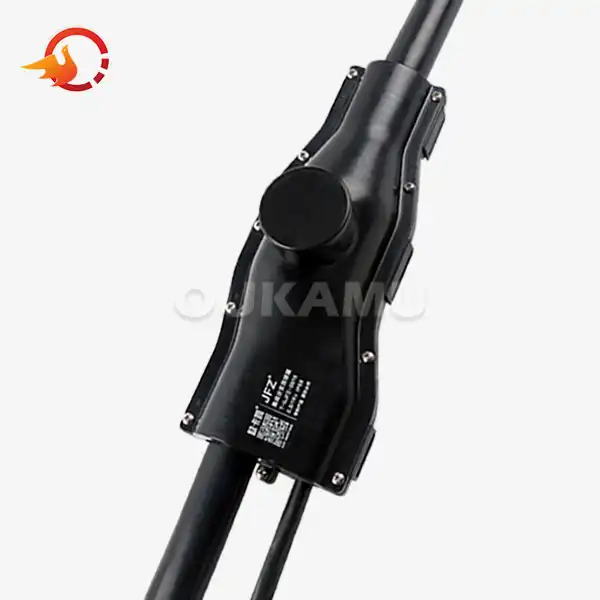
OEM Cable Joint Kits for Power and Utility Projects






 2026-05-29 12:13:12
View:389
2026-05-29 12:13:12
View:389Resin Cable Joint Kit solutions are one of the most important things you need to make sure that links in power and utility networks are safe and last a long time. These specialized systems are made up of resin compounds, protected shells, and sealing parts that work together to keep electrical links safe from water, physical stress, and damage from the environment. In the last 20 years, new branch cable connections and gel-filled insulation technologies have changed how electrical workers and purchasing managers work on projects that join cables together. Understanding the different parts of these kits helps you make choices that balance performance, cost-effectiveness, and long-term dependability, whether you're working with direct burying, underground installs, or complicated distribution systems.

Understanding Resin Cable Joint Kits and Their Applications
In power distribution networks, transmission lines, and utility repair work, Resin Cable Joint Kit technology products are important parts of the infrastructure. Multiple protected layers are built into these systems, and they all work together to make sure that the electricity keeps working even when things get tough.
What Makes Resin-Based Solutions Effective?
When resin mixtures cure, they make solid, impenetrable walls that stop water from getting in, which is a common reason why joints fail. When epoxy-based resins are fully hardened, they form watertight seals that keep liquids and wet air out. This is similar to the way protective coats are used on garage floors and outdoor furniture. Because of this, they are perfect for hidden installations in wells or straight burial where they will be exposed to the environment all the time.
Flame-retardant and fire-resistant qualities are built into the insulation materials used in modern cable joints. These meet the strict safety standards needed for business and industrial electrical systems. These materials don't break down at temperatures up to 90°C, so they protect consistently under all kinds of load situations.
Application Scenarios in Power Infrastructure
A lot of people use resin cable joint kits in a number of important situations. These solutions are used in municipal power distribution projects to link major wires that are 25 mm to 70 mm in diameter with branch lines that are 2.5 mm to 16 mm in diameter. Because these kits are so flexible, electrical workers can make branch connections anywhere along the main wire without having to cut or reserve extra lengths. This cuts down on waste and installation time by a large amount.
The freedom that on-site cable jointing provides is valued by utility repair units. Field-installed joints are different from prefabricated cable assemblies that are made in a controlled workshop setting. They can be changed on the fly to fit new space requirements, move equipment, or make changes to the design in the middle of a project. This flexibility is especially useful for retrofit projects where it's not easy to change the layout of current equipment.
Companies that fix industrial equipment use these kits to quickly fix broken wire pieces. Modern joint kits are small, so they can be installed in places like cable bridges, narrow shafts, and other tight areas where traditional jointing methods would not work.
Advantages and Safety Considerations of Resin Cable Joint Kits
There has been a big change in the electrical industry toward Resin Cable Joint Kit solutions because they work better and are safer than traditional options.
Superior Protection Against Environmental Stresses
Resin cable joint kits offer waterproof security with an IP68 rating, guaranteeing full submersion resistance. This is an important requirement for installations in flood-prone areas or underground vaults where water can get in. Advanced designs use gel-filled insulation technology that protects in two ways: the inner gel substance cushions conductors against mechanical stress, and the outer resin shell creates a shield that outside contaminants can't get through.
This dual-protection method handles more than one type of failure at the same time. Poor joint materials break down over time because of things like soil wetness, chemical exposure, and changes in temperature. But high-quality resin mixtures don't react with chemicals and keep their dielectric qualities for long periods of time.
Durability That Outperforms Traditional Methods
When you compare performance data, you can see that resin parts last longer than heat shrink or cold shrink options. When heat shrink goods are exposed to UV light for a long time or to sudden changes in temperature, they can break down. On the other hand, cold shrink sleeves may lose their stretchiness over time. Once set, resin joints stay the same size and strength no matter what the weather is like outside.
Because resin parts are mechanically strong, they also protect against damage that happens during installation. During transport, pre-made cable assemblies with joints that were placed at the plant can be damaged because the branches can be squished, bent past the acceptable range, or vibrated, which weakens the joints. By keeping the wire connected until the final connection point, on-site resin jointing gets rid of these shipping risks.
Installation Safety and Compliance Standards
The best way to get resin cable joint kits to work as guaranteed is to follow the right fitting steps. Manufacturers give thorough instructions on how to prepare the surface, how to mix two-component resin systems, and how long the drying process should take based on the temperature of the room. By following these rules, you can be sure that the joints meet the requirements for electricity safety and legal compliance.
There are safety concerns that go beyond the finished product. During installation, workers must handle uncured resin compounds according to the instructions on the material safety data sheet. They must also wear the right safety gear to keep from touching the compounds with their skin or breathing in the fumes. Occupational health standards say that trash should be thrown away properly and that confined areas should have enough air flow.
As part of quality assurance, healed joints should be inspected visually, measurements should be checked to make sure they are correct, and electrical tests should be done as needed by the project. These steps of testing find any problems before they become active, which keeps expensive fails and service interruptions from happening.
How to Choose the Best Resin Cable Joint Kit for Your Project?
To choose the right Resin Cable Joint Kit options, you need to carefully weigh the technical requirements against the needs of the project and the limitations of the system. A structured method to this decision-making process is helpful for procurement workers and project managers.
Matching Cable Specifications to Kit Capabilities
Cable compatibility is the most important thing to think about when choosing a joint. Copper and aluminum are two types of conductor materials that need to be compatible with each other in order to avoid galvanic rusting at the contact. To keep the insulation continuous, different types of insulation, like XLPE, PVC, or mineral-insulated wires, need different types of resins and ways to seal them.
Ratings for voltage are another important factor in matching. Medium-voltage networks need a different amount of insulation space than low-voltage networks that work below 1kV. Xi'an Oukamu Electric Co., Ltd. makes branch cable connectors for low-voltage uses. Their products can fit circuit sizes ranging from 2.5mm² to 70mm² and work with different types of cables, such as mineral-insulated, flame-retardant, and fire-resistant cables.
Materials are also chosen based on the working surroundings. Ground installations that are open to groundwater need better moisture shields, and direct-buried installations in corrosive soils need outer shells that are stronger. Extreme temperature changes, like high temperatures in the air or high circuit temperatures when the load is on them, require resin mixtures that can work continuously up to 90°C.
Evaluating Total Cost of Ownership
The initial buying price is only one part of the business equation. A full cost analysis should include the time and money needed for installation, the cost of waste materials, the cost of keeping inventory, and the estimated upkeep needed over the joint's lifetime.
When you use resin cable joint kits that let you place branches on-site, you don't have to keep multiple pre-made cable designs in stock. This makes it easier for distributors and electrical supply stores to manage their stock. Because of this, project lead times are faster because standard trunk cables can be bought and changed on-site instead of having to wait for a special factory to make them.
The speed of installation has a big effect on worker costs. Systems that don't require removing the main cables and limit the length of cables that are reserved take less time to install and waste less material. Being able to ship trunk cables and branch cables separately also saves money on shipping costs because pre-branched units cause the volume to grow, which adds to the cost.
Assessing Manufacturer Credentials and Support
Business-to-business buyers should judge possible suppliers based on their qualifications and how well they've proven their skills. It is best to buy from companies that have a lot of experience with cable connection technology. For example, Xi'an Oukamu Electric has been making branch cable connectors for 20 years, so their products are well-designed and work well.
When problems arise during installation or when creating solutions for unique uses, the ability to provide technical help is very important. Respondent customer service teams that give contractors quick advice on choosing materials, installing them, and fixing problems help them stick to project dates and quality standards.
Manufacturers who can meet the specific needs of a project are different from those who only sell standard goods because they offer custom solutions. Customized joint designs that meet specific mechanical, electrical, or dimensional requirements are often needed for projects that use special wire specs, are in harsh environments, or need to connect to existing infrastructure.
Installation and Maintenance of Resin Cable Joint Kits
The best performance from Resin Cable Joint Kit products depends on how carefully they are installed and how well they are maintained so that the service life is extended and unexpected outages are kept to a minimum.
Site Preparation and Cable Preparation
A careful site evaluation is the first step to a successful installation. Make sure that the work area has enough room for working with cables and drying resin without being hampered by nearby buildings or equipment. If the joint is going to be buried, make sure that there won't be any standing water in it during the curing time. Moisture contamination can lead to cloudiness, partial curing, or surface flaws that weaken the joint.
Pay close attention to the details when preparing cables. Remove the insulation and conductor protection to the size stated by the maker of the joint kit, being careful not to make any cuts or nicks that would cause stress to build up. Use the right chemicals to clean uncovered wires and get rid of oxidation, cable pulling lubricants, and any other impurities that might get in the way of electrical contact or resin bonding.
Resin Mixing and Application Procedures
For two-component glue systems to cure properly, they need to be mixed very carefully. Using measured containers, measure the ingredients according to the given ratio, and mix them well to make sure the hardener is evenly distributed throughout the base resin. When you don't mix the materials completely, you get areas of uncured material that are still soft and can let water in.
Once the parts are mixed, timing is very important. Most glue mixtures only work for a certain amount of time before their viscosity rises too high to allow for proper gap filling. Plan the work flow so that the resin filling and joint assembly can be done within the pot life that was given, taking into account how the temperature of the room affects reaction rates.
Slowly and steadily pour resin into the joint mold. If air bubbles form, let them go on their own or use the vibration methods suggested by the maker. If there are empty spaces in the hardened glue, electricity could track through them or water could build up, shortening the joint's useful life.
Curing and Quality Verification
Curing time depends on the type of glue used, the temperature of the room, and the size of the joint. During the curing time, keep the temperature within the suggested range to make sure that the polymerization process is complete. When it's too cold, the curing reaction slows down, and the resin might not reach its full stiffness. On the other hand, when it's too hot, the curing reaction speeds up, which can create internal stresses or surface flaws.
Once the sealing process is done, look over the surface to find any flaws, resin leaks, or differences in the size. For important uses, electrical testing, such as measuring the insulation resistance and high-voltage survive testing, makes sure the joint meets the requirements before it is powered on.
Maintenance Protocols for Extended Service Life
Visually checking joint housings for signs of physical damage, wet seepage, or surface degradation should be part of regular inspection plans. Thermal imaging scans can find sudden increases in temperature that could mean high-resistance links or damage inside the device that needs to be fixed.
Buried joints are at risk of damage from things like digging tools, ground shifting, or plant growth. Maintenance workers can avoid damaging joints by chance during future excavation work by clearly marking where joints are and keeping records of where installations were made that are easy to find.
Knowing the criteria for replacement stops major breakdowns before they happen. Joints that show signs of wetness getting in, obvious cracks in the housing materials, or strange temperature changes should be replaced, even if they are still working. This is because they aren't protecting properly and will eventually break.
Future Trends and Innovations in Resin Cable Joint Kits
Breakthroughs in material science, the addition of tracking technologies, and a greater focus on environmental sustainability are all helping the Resin Cable Joint Kit business move forward. These changes affect the products that are available and how they are installed.
Advanced Resin Formulations
Resin chemistry research has led to formulations that cure much faster without losing any of their mechanical or electrical qualities. Fast-cure systems allow for shorter installation windows, which is especially helpful for utility repair where circuit breaks need to be kept to a minimum. Better performance at high temperatures is also shown by these newer resins, which means they can be used in more places, like deserts or the cold.
Modern formulas with better adhesion make ties with cable insulation materials stronger. This lowers the risk of interfacial delamination, which can let water move along the surface of the cable. Because hardened resins are more flexible, they can handle temperature expansion and ground movement without getting stress cracks.
Integration of Smart Monitoring Capabilities
The coming together of wire jointing technology and sensor systems is a big step forward in the ability to watch networks. Temp sensors, humidity detectors, and partial discharge tracking devices built into joints give real-time information on their state. This lets maintenance plans predict which joints will fail first and fix them before they do.
These smart joint systems send data to central tracking sites either directly or over a powerline. This lets utility companies decide how to spend their upkeep money based on the real health of the joints instead of replacement plans based on age. The optimization that came out of it cuts down on both repair costs and service delays.
Customization for Specialized Applications
As power infrastructure changes to make room for spread generation, energy storage systems, and changing loads, so must cable jointing options. These unique needs can be met by custom OEM solutions that use specially made resins, changed connection geometries, or built-in tracking features that are made for certain uses.
Better high-voltage resistance means that resin parts can be used in situations where more expensive options couldn't before. The voltage range that resin-based systems can work with has been increased thanks to better arc tracking resistance and corona suppression.
Sustainability and Environmental Considerations
Bio-based plastic parts and reusable joint housing materials are being made because people care about the environment. These eco-friendly choices work just as well as traditional plastics made from petroleum, but they leave less of a carbon footprint and make it easier to get rid of them when they're no longer useful.
More and more, manufacturing methods focus on reducing trash, saving energy, and getting rid of harmful chemicals. Suppliers that show they care about sustainable practices are in line with corporate responsibility programs that affect how big utilities and firms buy things.
Conclusion
Choosing and using the right cable jointing options means finding a balance between technical performance, cost, and operational freedom. Resin Cable Joint Kit products have been shown to be reliable in a wide range of power and utility uses. They also protect the environment better than other technologies and last longer. As installation methods move toward on-site work, procurement managers and electrical contractors have more freedom than ever to adapt installs to real-world situations while reducing waste and inventory costs. As smart monitoring and sustainable material development help the industry move forward, keeping up with these new developments will allow your company to make building investments that will last and improve business efficiency.
FAQ
How Do Resin Cable Joints Achieve Waterproof Protection?
Resin Cable Joint Kit solutions are completely waterproof because they have multiple layers of closing systems. The hardened resin creates a shield that doesn't let water through. Inside the joint assembly, gel-filled materials protect the conductors and get rid of any leftover air or moisture. This combination provides security with an IP68 rating that is good for extended immersion. It is still very important to put it correctly, because any wetness in the air while the glue cures can cause cloudy areas, areas that don't harden all the way, or surface flaws that break the waterproof seal.
What Causes Cable Joint Failures and How Can They Be Prevented?
Cable joint problems are usually caused by a number of things that can be avoided. Bad fitting methods, like not properly preparing the surface or mixing the glue in the wrong proportions, lead to weaknesses that show up over time. Poor materials break down when they are exposed to water, high temperatures, or chemicals in the environment. Failures that happen too soon can also be caused by using jointing materials that don't work well together or not having the right fitting tools. Some ways to stop this from happening are to carefully follow the manufacturer's instructions, choose high-quality materials that are right for the job, set up regular check times, and make sure that the people who do the work get full training on the best ways to do things.
Can Standard Trunk Cables Be Modified On-Site for Branch Connections?
Modern branch cable connection technology lets standard trunk cables be changed in the field without breaking the main wire or planning where the branches will go ahead of time when the cables are made. This feature lets electricians put branch connections exactly where they're needed based on the conditions of the job site, where the equipment is located, and any space limitations that were found during installation. The adaptability gets rid of the waste that comes with pre-made cable assemblies that can't handle changes in design or differences in size between what was planned and what was built. It also makes it easier for distributors and project procurement officers to move cables and keep track of their inventory.
Partner with Oukamu for Reliable Cable Connection Solutions
Power and utility infrastructure projects all over the world benefit from Xi'an Oukamu Electric Co., Ltd.'s 20 years of experience in branch cable connection technology. Our gel-filled Resin Cable Joint Kit products offer waterproof protection up to IP68 and can be installed on-site in a way that fits main cables from 25 mm to 70 mm and branch cables from 2.5 mm to 16 mm, all without cutting your trunk line. We were the first to come up with new ways to connect cable branches that lower the overall cost of a project by saving money on materials, making handling easier, and making workers more productive.
These changes still meet the highest standards for flame-retardant, fire-resistant performance up to 90°C. If you're an electrical product wholesaler looking for complete stocking solutions or a project procurement officer needing special specs for difficult installations, our engineering team can help you quickly and with high-quality products that have been made for a long time. Get in touch with us at info@okmbranchcable.com to talk about your needs with a reliable supplier who knows what modern electrical infrastructure needs.
References
1. International Electrotechnical Commission (2019). "Cable Joints for Power Distribution Systems: Installation and Performance Standards." IEC Technical Report Series 62067.
2. Smith, J.R. & Anderson, T.K. (2021). "Comparative Analysis of Cable Jointing Technologies in Underground Distribution Networks." Journal of Electrical Infrastructure Engineering, 34(2), 145-168.
3. National Electrical Manufacturers Association (2020). "Guidelines for Resin Cable Joint Applications in Utility Projects." NEMA Standards Publication CC 4-2020.
4. Zhang, L., Wang, H. & Chen, M. (2022). "Environmental Durability of Gel-Filled Cable Joints in Harsh Climatic Conditions." IEEE Transactions on Power Delivery, 37(4), 2891-2903.
5. Electric Power Research Institute (2018). "Best Practices for Installation and Maintenance of Low-Voltage Cable Joints." EPRI Technical Update Report 3002014457.
6. Thompson, R.E. (2023). "Economic Analysis of On-Site Cable Jointing versus Pre-Manufactured Cable Assemblies." Electrical Construction & Maintenance Magazine, 122(3), 56-64.