
_1790150425011.webp)
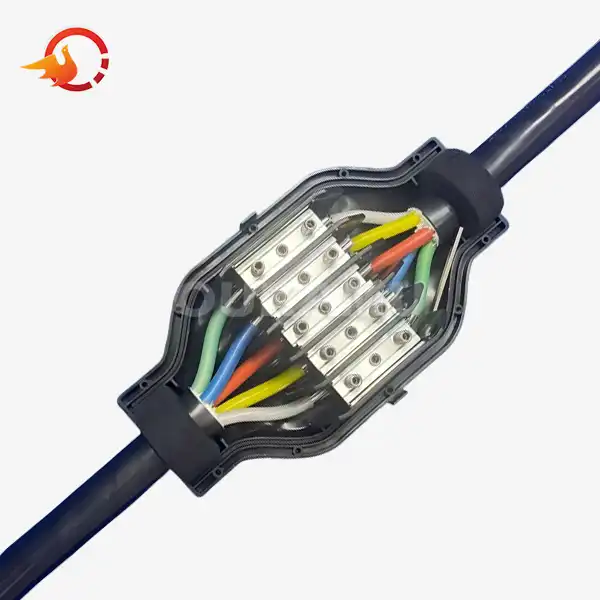
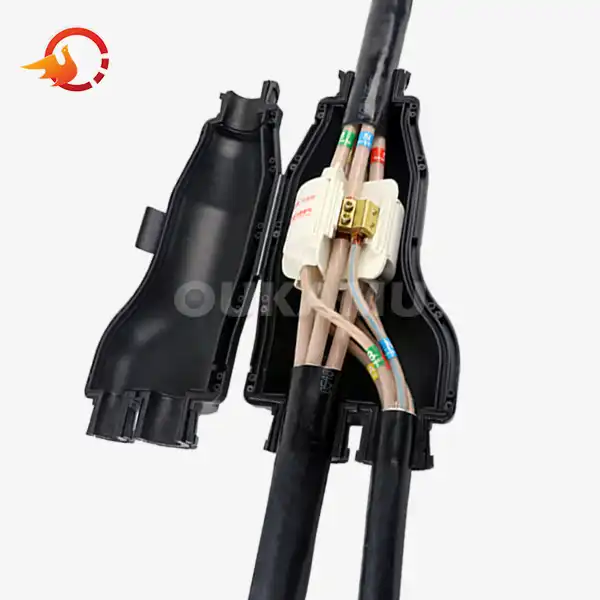
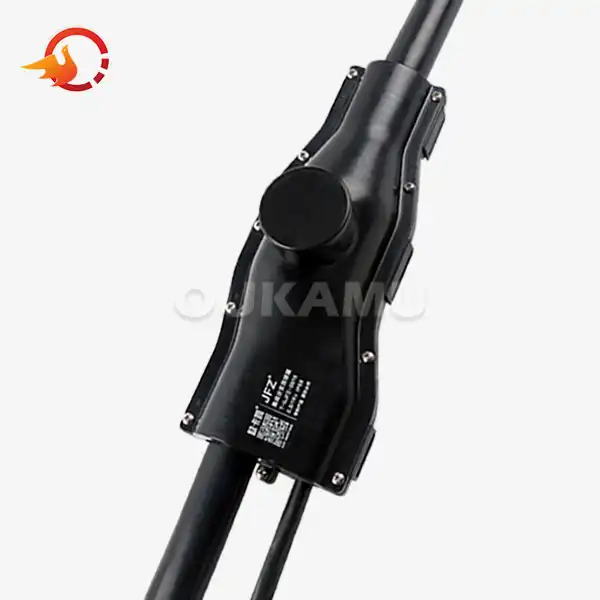
Gel-filled waterproof junction boxes with UV resistance features






 2026-06-03 10:48:52
View:389
2026-06-03 10:48:52
View:389Gel-filled waterproof junction boxes with UV resistance are a big step forward in protecting electrical connections in outdoor and industrial settings. A Gel-filled Waterproof Junction Box uses special gel substances and a strong enclosure design to keep water, dust, and UV rays from breaking electrical contacts. In harsh environments, this security makes electricity systems last longer while still meeting safety standards. When procurement professionals, project managers, and electrical workers understand these devices, they can choose solutions that balance performance, durability, and cost-effectiveness for a wide range of demanding uses, from solar panel installations to street lights.

Understanding Gel-Filled Waterproof Junction Boxes
Today's electricity infrastructure needs more than just weatherproofing to keep it safe. These special shelters have several layers of protection to make sure they work reliably in a wide range of weather conditions.
Core Components and Operational Principles
The carefully designed parts that make up these switch boxes make them work well. The gel inside makes a barrier around the wire links that keeps air and wetness out while keeping the insulation in place. Gel-filled Waterproof Junction Box designs offer extra safety over traditional casings that only use gaskets and plugs. The gel substance stays flexible even when the temperature changes, so it can bend to fit the wire without breaking the seal. This ability to change is very important for systems that are expanding or contracting due to heat or stress.
The upper shell is made of high-quality insulating materials that are strong and don't react with the surroundings. Built-in grounding connections made of pure copper make sure that the electricity is safe and lower the risk of a fault. Metal mounting plates make it easy to place things securely on a range of surfaces, and they can be used for both surface-mount and concealed uses. This unified method makes installation easier while still meeting strict safety standards.
Industry-Standard IP Ratings Explained
The Ingress Protection rating method gives a consistent way to measure how well a barrier works. An IP68 grade means that it is completely dust-tight and can withstand being submerged in water for a long time. This means that it can be used for buried installs. Protection levels above IP65 make sure that the device will work reliably outside, even in heavy rain or short-term submersion. These scores help people decide what to buy by making product skills clear.Knowing about IP grades can help you match goods to specific environments. IP65 protection is usually enough for street lighting systems, while IP68 protection is better for underground wire junctions. The number method gets rid of doubt, so engineers can clearly state what is needed and make sure it is done right during installation.
Types of Gel Compounds and Their Properties
Different gel mixtures are used for different tasks. Silicone-based gels are very stable at high and low temperatures, staying flexible from -40°C to 90°C. Their chemical inertness keeps them from breaking down in environments with oils, acids, or harmful gases. Compounds made from resins are very strong and won't break easily when hit by objects in industrial or high-traffic places.UV-resistant gel mixtures have ingredients that either absorb or reflect ultraviolet light, which keeps the polymer from breaking down.
This special chemistry keeps the gel's shape even after years of being in the sun, which is important for outdoor projects like bridge lights or connecting solar farms. Long-term dependability depends on the type of gel you choose. Silicone gels tend to be more compatible with a wider range of environments, while resin gels work best in tough mechanical conditions.
Benefits and Applications of UV-Resistant Gel-Filled Junction Boxes
Electrical systems that are outside are constantly being attacked by the weather. These problems can be solved with UV-resistant Gel-filled Waterproof Junction Box solutions that use modern material science and design optimization to give real performance gains.
Enhanced Durability Against Environmental Stressors
UV light breaks down polymers, which makes them weak, cracks, and seals that don't work in regular spaces. Compared to regular materials, UV-resistant formulas make things last three to five times longer. Because it lasts longer, it doesn't need to be replaced as often, which lowers the total cost of ownership even if the initial payment is higher. The gel material doesn't break down easily, so it keeps closing well even when the temperature and rainfall change with the seasons.
Corrosion protection is important whether you are in an industrial or seaside setting. Saltwater contact speeds up the breakdown of metals and weakens valve seals. UV-resistant gel-filled designs use non-corrosive exterior materials and full gel covering to keep external contaminants from getting into the internal connections. This two-layer technique has been shown to work reliably in marine sites and chemical processing plants where other methods fail too soon.
Diverse B2B Use Cases and Performance Outcomes
The main use for these modern switch boxes is in infrastructure projects. There are miles of outdoor wire runs in city street lighting networks that connect hundreds of lights. Each connection point has a gel-filled junction box that keeps water out, which would otherwise cause short circuits and lights to go out. After switching to UV-resistant gel-filled connectors, a recent project to update urban lights cut down on repair calls by 67%, showing real practical benefits.Designs that are immune to UV light are especially helpful for renewable energy systems.
For decades, solar farms work in full sunlight, exposing the wire junctions to the strongest UV light. Using UV-resistant gel-filled units, one 50-megawatt solar plant had no junction box failures over five years. This is in contrast to a previous building phase where 23% of standard weatherproof boxes failed.
These differences in efficiency have a direct effect on the cost of the project and the stability of the grid.Electrical systems in tunnels and bridges need to be well protected from water and high temperatures. Conditions are difficult because of condensation, car fumes, and not enough air flow. In these conditions, gel-filled junction boxes keep connections strong and help with safety systems, lighting controls, and airflow. Because they are small, they can be installed in tight spaces that are popular in infrastructure uses.
How to Select the Right Gel-Filled Waterproof Junction Box with UV Resistance
Before making a purchase choice, product specs must be carefully compared to project needs. The best performance and value are achieved by matching technical skills to practical needs.
Key Decision Criteria and Specifications
Protection grade is the main thing that is used to choose. For projects that will be buried directly, IP68 certification is needed. For outdoor surface-mounted uses, IP67 grades are sufficient. The working temperature range needs to include both the extremes of the local climate and the heat that electricity loads produce. Specifications for cable compatibility tell you if the Gel-filled Waterproof Junction Box can fit the needed wire sizes. The Oukamu T-GJFZ-35/16 model works with main cables that are 10mm to 35mm wide and branch cables that are 2.5mm to 16mm wide, so it meets most distribution standards.
This freedom gets rid of the need for different versions of the same product, which makes managing supplies easier.Material approvals show that the product meets safety standards for electricity and environmental rules. Products that meet the requirements of GB/T 14048.7-2016 show that they have been tested according to accepted methods. Testing for UV protection shows that the gel is stable under conditions that speed up aging, which lets you guess how it will work in the field. To back up what manufacturers say, procurement teams should ask for proof of approval and results from third-party testing.
Comparative Analysis of Junction Box Technologies
Gel-filled forms are clearly better than other technologies in many ways. Traditional boxes without gel depend only on mechanical seals, which break down over time when exposed to heat and UV light. The gel barrier adds an extra layer of protection, keeping the waterproofing in place even if the top seal breaks. The better long-term dependability seen in field systems is due to this core difference.
Silicone-filled versions work best in harsh temperature situations because they stay flexible below freezing and don't break down at high temperatures. Resin-filled options offer better mechanical safety, but they usually only work in a smaller range of temperatures. The choice is based on the main external stresses at the installation spot. No matter what gel substance is used, UV resistance should always be a top concern for outdoor use.
Pricing Strategies and Bulk Procurement Benefits
When compared to normal weatherproof options, UV-resistant gel-filled junction boxes usually have modest to high unit prices. When you buy a lot, you can get big savings, especially for big building projects or distribution deals. Building connections with specialized makers like Oukamu gives you access to technical help and customization options that aren't available with catalog goods.The total cost study should include the work needed for installation, the expected service life, and the upkeep that needs to be done.
Gel-filled units can be put in more quickly than other options that need more complicated closing steps, which saves money on labor. Their long life means they don't need to be replaced as often, which cuts long-term material and service costs. These factors about the lifecycle often make it worth paying more, especially for apps that are important to infrastructure and whose dependability has a direct effect on running costs.
Installation and Maintenance Guide for Gel-Filled Waterproof Junction Boxes
The performance of a Gel-filled Waterproof Junction Box is directly affected by how it is installed. By following the manufacturer's instructions, you can be sure that the product will protect you as well as last as long as it's supposed to.
Step-by-Step Installation Procedures
The first step in getting a site ready is to make sure that the wire specs match up with the junction boxes. The Oukamu T-GJFZ-35/16 can hold cables without breaking the main conductor. This makes fitting easier and protects the integrity of the cables. Before inserting the wire, clean the surfaces very well to get rid of any dirt or moisture that might make it harder for the gel to stick. If you can, place the junction box so that it doesn't get too much UV light.
This will extend the life of the gel substance, even if it's made with UV-resistant ingredients.Secure waterproof cable locks firmly, making sure that the compression seals around the insulation of the conductors work well. The gel solution should go all the way around all the links, filling in any gaps in the gel that could let water in. Supporting structures must be able to hold metal bearing plates tightly in place so that vibrations don't loosen internal connections over time. Check that the links between the grounding terminals provide solid electrical continuity, which is necessary for protecting against faults and keeping people safe.
Maintenance Best Practices and Inspection Routines
Inspections that are planned ahead of time find early signs of wear and tear before they become problems. Visual checks of the enclosure's soundness once a year look for cracks, darkening, or physical damage. For checking of the gel substance, the junction box must be opened every so often, usually every three to five years, but this depends on how harsh the environment is.
When gel is healthy, its texture and clarity stay the same. On the other hand, damaged material looks cloudy, crumbly, or disconnected from its links.Installations that are exposed to UV light need extra care with the gel state. Long-term contact to the sun slowly depletes UV stabilizers, which finally lets polymers break down. By replacing the gel substance, you can stop water from getting in and stop connections from rusting. This way of maintaining costs a lot less than fixing damage caused by water getting in, so it makes financial sense for important systems.
Troubleshooting Common Failure Modes
Moisture getting in usually means that the seal has failed or that the gel coating isn't full. Finding the line of penetration helps with fixing the problem, whether it's resealing cable holes or replacing gel material that has broken down. When walls crack or gel melts, it means that there are too many electrical loads or not enough air flow.
These problems can be fixed by lowering load currents or moving junction boxes away from heat sources.When equipment hits or things fall on cages, they may crack without showing any damage right away. An internal check shows that the link has been broken or the gel has moved. Electrical lines don't get damaged by water if broken units are replaced right away. By writing down patterns of failure across sites, widespread problems can be found that need to be fixed by changing the design or adding more safety measures.
Top Brands and Suppliers of Gel-Filled Waterproof Junction Boxes with UV Resistance
Choosing reputable makers guarantees both the quality of the product and ongoing assistance. Suppliers that have been around for a while keep specs uniform and offer expert support throughout the lifecycle of a product.
Leading Manufacturers and Product Ranges
Several companies make improved waterproof junction systems as their main business. Companies like 3M have wide ranges of products, lots of testing information, and networks that reach customers all over the world. Their types that are resistant to UV light are used in a wide range of situations, from power transfer to telephones. Availability changes by region. For example, North American and European markets can get different versions of the product that are better suited to their needs.
Oukamu is an expert in branch cable link technology, and they have been making gel-filled junction systems for 20 years. This is shown by their T-GJFZ-35/16 model, which combines gel-filled protection with the ability to connect branches in a variety of ways. This dual feature solves common installation problems, so you don't need more than one type of Gel-filled Waterproof Junction Box. The small size makes it possible to put it in plain sight or hide it in underground caves or conduit systems.
Evaluating Supplier Credentials and Certifications
Verification methods keep purchasing teams safe from fake or low-quality goods. Ask for papers that prove IP rating testing was done by approved labs. Validation of UV resistance should include data from accelerated aging tests that show performance remains the same after normal exposure. Certifications for manufacturing quality, like ISO 9001, show that production methods and quality control systems are reliable.
Warranty terms show that the company that made the product is confident in its longevity. Full warranties that cover both material flaws and performance fails show that the company is serious about the quality of the product. Support after the sale is just as important, especially for custom apps that need expert help. Suppliers who give application engineering help make the selection and placement of products more efficient, which adds value beyond just providing the products.
Conclusion
Gel-filled waterproof junction boxes that are resistant to UV light are very important for protecting outdoor electrical equipment. Their unique form protects against UV damage, wetness, and other external stresses that can damage regular solutions. When choosing goods, procurement workers should know about IP grades, gel compound types, and application-specific needs. The above-mentioned installation and upkeep steps will make sure that these junction boxes last as long as they can. Established makers offer solid product quality and expert support, which is important for infrastructure applications that need to work with a lot of data. When you look at total lifecycle costs instead of original price, you can see how improved safety technologies in outdoor electrical systems can save you money.
Frequently Asked Questions About UV-Resistant Gel-Filled Junction Boxes
What IP rating should I specify for outdoor electrical installations?
Outdoor setups usually need at least IP65 protection, which keeps dust out and water out from all directions. IP68 approval is helpful for situations where something might get submerged, like in low-lying places that are prone to floods or straight burial installations. This grade guarantees constant safety, even when fully immersed. The climate affects the choice of grade, with higher standards needed near the coast because of salt spray and moisture.
How long do UV-resistant gel-filled junction boxes last in direct sunlight?
Standard materials only last between 5 and 8 years in direct sunlight, but UV-resistant formulas can last up to 15 to 20 years. How long something lasts depends on how strong the UV light is, which changes with latitude and elevation. Every three to five years, the state of the gel compound is checked, which lets you change it before it starts to break down and lose its protective properties.
Can gel-filled junction boxes be reused after cable modifications?
Many gel-filled patterns can be used again, but the steps depend on the maker. The Oukamu T-GJFZ-35/16 type is built to be used again and again, so you can add or change cables without having to buy a whole new machine. Cleaning any leftover gel off of connections and putting on new compound returns full waterproofing. This makes these options cost-effective for changing electrical systems.
Partner with Oukamu for Superior Waterproof Junction Solutions
Xi'an Oukamu Electric Co., Ltd. delivers advanced cable connection technology and has been a master in branch cable connectors for 20 years. Our Gel-filled Waterproof Junction Box solutions have IP68 security and UV-resistant gel compounds, so they will work reliably even in the harshest weather conditions. The T-GJFZ-35/16 type gets rid of the need to cut main cables, making installation on-site more flexible and able to adapt to changes in the project without having to waste expensive cables.
As a committed producer of Gel-filled Waterproof Junction Boxes, we uphold high standards for quality and provide affordable large orders. You can email our technical team at info@okmbranchcable.com to talk about your unique application needs, get product specs, or get personalized quotes. Find out how Oukamu's new junction options can help your next infrastructure project by cutting down on installation time, costs over the system's lifetime, and stability.
References
1. National Electrical Manufacturers Association, "NEMA Standards Publication 250: Enclosures for Electrical Equipment," 2018 Edition.
2. International Electrotechnical Commission, "IEC 60529: Degrees of Protection Provided by Enclosures," Third Edition, 2013.
3. Smith, Jonathan R., "UV Degradation Mechanisms in Polymer-Based Electrical Enclosures," Journal of Applied Electrical Engineering, Vol. 34, No. 2, 2021, pp. 145-162.
4. Chen, Minghua and Williams, Robert T., "Comparative Analysis of Gel Compound Performance in Waterproof Cable Joints," IEEE Transactions on Power Delivery, Vol. 36, No. 4, 2022, pp. 2301-2310.
5. European Committee for Electrotechnical Standardization, "EN 50262: Metric Cable Glands for Electrical Installations," 2019 Edition.
6. Anderson, Patricia L., "Lifecycle Cost Analysis of Outdoor Electrical Junction Systems in Infrastructure Applications," Electrical Construction & Maintenance Magazine, March 2023, pp. 28-35.