

How to troubleshoot common issues in branch cable system wiring?






 2026-06-17 14:58:01
View:389
2026-06-17 14:58:01
View:389If you want to fix issues with the wiring in a Branch Cable System, look for signs like power outages, connections that get too hot, or circuit failures. Electricity is sent along paths that are all linked to each other by a Branch Cable System. Problems need to be systematically found by using multimeters, insulation testers, and visual checks when they happen. Maintenance teams can quickly get things back up and running when they know what's wrong, whether it's loose connections, worn-out insulation, or bad installation. This way, safety rules are followed and industrial and commercial buildings don't have to close for too long.、

Introduction
Branch Cable Systems are the main way that electricity gets to all the different areas in both businesses and homes. These systems make sure that electricity moves quickly and safely from the main supply lines to places that need it for things like lighting, power tools, and other important tasks. Wiring issues are more than just a bother when they happen. When things aren't working, they lose value, safety risks rise, and the tools don't last as long.
This guide is for people who buy things for other businesses, like maintenance supervisors, purchasing managers, project engineers, and electrical distributors. It tells them how to fix problems in the real world. You can keep your business running, meet international safety standards, and make smart decisions about where to invest in cable systems if you know about common problems and how to fix them. Being good at troubleshooting protects your bottom line and makes sure that partnerships with suppliers bring long-term value, whether you're looking for parts for new installations or taking care of infrastructure that's already there.
Understanding Branch Cable System Wiring and Common Issues
A Branch Cable System is made up of things like main trunk cables, Branch Cable System connectors, junction boxes, safety devices, and distribution points. Electricity can be split from the main lines and sent to different ends of the system in this way. This makes the system flexible and scalable, and it can be used in buildings, factories, and business complexes.
Typical System Architecture
There is a main cable that brings power from the electrical panel to the building. Some places have Branch Cable System connections that connect to this main line and send electricity to those places or items. As long as the joints are properly connected and insulated, electricity won't leak out and cause damage to the environment. Protective parts watch the current flow and cut the power off if something goes wrong.
Common Wiring Problems Encountered
An installation of Branch Cable Systems keeps having a number of issues. Connections can become loose over time due to changes in temperature, vibration, or bad installation. This leads to resistance, which makes heat that could start a fire. There is a short circuit when two conductors touch each other or a surface that is grounded. Because of this, the circuit breaker trips right away, which could hurt the electronics. Insulation can break down because of old materials, water getting in, or chemicals being exposed. This can put electrical safety and system integrity at risk.
When people install things, they often mess up because they don't read wiring diagrams correctly, use the wrong cable size, or don't follow the instructions from the manufacturer. Many times, these mistakes aren't found until there are more people using the system or things change in the environment. They can pick better parts and make maintenance plans that keep costs low and operations running smoothly over time if they know about these issues.
Step-by-Step Troubleshooting Methodology for Branch Cable Systems
The best way to troubleshoot a Branch Cable System is to follow a set steps, beginning with figuring out what the problem is and ending with making sure the fix works. This organized method cuts down on the time needed to make a diagnosis and keeps everyone safe during the whole process.
Initial Problem Identification and Documentation
First, find out as much as you can about what went wrong. When did the trouble start? What do you see? Do you lose power all the time, have it work sometimes, seesaw, or hear strange sounds? Write down any changes that may have been made recently to the building, the weather, or the electricity that could be linked to the issue. This background information can help you figure out what the real reasons are a lot of the time.
The next step is to look at everything. You should look for damage you can see in the Branch Cable System runs, connectors, and junction boxes that you can reach. This could include discoloration from being too hot, physical deformation, water buildup, or burning smells. Check to see if all the connections are still tight and in the right spot. Make sure there are no signs of rodent damage, construction damage, or damage from the environment that could make the Branch Cable System weak.
Diagnostic Testing Procedures
Find out about the electrical parameters by using the right testing tools. A digital multimeter measures resistance at connection points and checks for voltage. It also makes sure the circuit stays connected. If the reading for resistance is high, it means that the connections are loose or corroded and need to be fixed. Insulation resistance testers (meggers) use high voltage and leakage current measurements to make sure that Branch Cable System jackets are solid. If the readings are below what the manufacturer recommends, there are problems with the insulation that need to be fixed right away.
You don't have to touch the hot spots that thermal imaging cameras find along Branch Cable System runs and at connection points. Differences in temperature show issues that are beginning to arise before they turn into complete failures. Clamp meters measure the flow of electricity through each Branch Cable System. This helps find loads that aren't balanced or short circuits that use too much power.
Root Cause Analysis Framework
There are three types of problems that you need to sort: electrical, mechanical, and environmental. When there are electrical problems, like the wrong voltage, phase imbalance, or harmonic distortion, the system doesn't work as well. A mechanical problem could be damage to the body, poor support, or connectors that don't work. Some environmental factors are getting wet, having to deal with high or low temperatures, chemicals, or damage from vibrations.
Problems should be tracked in a planned way from the signs to the source. If several endpoints lose power, it means there is a problem with the main trunk. If only one endpoint loses power, it means there is a problem with a Branch Cable System connection. Patterns on a circuit breaker show whether a fault is due to overheating, a short circuit, or a ground fault. Each type of fault needs a different fix.
Safety Protocols During Troubleshooting
You need to be very careful when you work with electricity. If you can, turn off the power to circuits before you look at them or fix them by hand. Make sure there is no voltage with a tester with the right rating. Never assume that switches that are not connected actually cut power. Make sure you have the right safety gear, like insulated gloves, safety glasses, and clothes that can handle arcs, when you have to work on systems that are live.
Follow lockout/tagout rules to make sure that after maintenance, only people who are allowed to can turn the power back on. Keep moving parts away from bare metal, and only use tools that are rated for the voltage you will be using. These safety measures keep technicians safe and protect electrical systems while they figure out what's wrong.
Comparing Branch Cable System Troubleshooting with Other Cable Systems
Branch Cable System configurations are much better than traditional radial or trunk-only systems when it comes to maintenance and fixing problems. These differences help people who work in procurement pick the best solutions for how they do their jobs.
Radial systems make simple connections from one endpoint to another by running separate Branch Cable Systems from distribution panels to each endpoint. When one Branch Cable System run clearly causes a problem, it's easy to figure out what's wrong. However, this method is pricey and takes up a lot of space in places where there are a lot of Branch Cable Systems. In trunk systems, the main Branch Cable Systems are big and connect to a lot of junction boxes. From these boxes, different circuits branch off. There are more places to connect, which can make it harder to find the fault's source.
These new Branch Cable Systems with built-in connectors combine the best parts of the two methods. Because the design is modular, Branch Cable Systems can connect to trunk cables without having to cut or join them. This protects the main cable and lets it be distributed in different ways. Errors are easier to find and fix in this architecture because they tend to affect only a few Branch Cable System connections rather than whole system segments.
Another big difference is how easy it is to get to. When pre-fabricated Branch Cable Systems break, they usually need to be replaced from top to bottom. Field-installable connectors, on the other hand, let you fix only the broken parts. Because things are modular, they can be fixed in minutes instead of hours. This saves time and money on labor. When you use reusable connectors in your solutions, you can move or change the purpose of parts as the layout of your facility changes, so you don't have to buy new tools.
Best Practices and Safety Measures During Branch Cable System Troubleshooting
It is safe for both people and electrical infrastructure to follow set standards and safety procedures when troubleshooting and fixing a Branch Cable System.
Regulatory Compliance Requirements
International standards, such as IEC 60364 for electrical installations and the National Electrical Code (NEC) in the US, set the minimum safety standards for Branch Cable Systems. It is all about low-voltage switchgear and controlgear assemblies in GB/T 14048.7-2016. It tells Branch Cable System connection systems how to work technically. Keep the proof that all the parts meet the requirements and make sure that they all look good.
Compliance audits make sure that installations are still meeting regulatory requirements as they get older and more changes are made to them. It's very important to show that standards were met when there are insurance claims, safety investigations, or facility transfers. When people are looking to buy something, it should be made clear that they only want certified items that come with test reports that prove how well they work.
Installation Quality Assurance
There are a lot of problems that need to be fixed because of mistakes that were made when the hardware was first installed. By giving Branch Cable Systems the right support, you can keep them from being stressed mechanically at the connection points. Following the minimum bend radius rules helps keep the insulation and integrity of the conductor safe. The right conduit systems, cable trays, or direct burial must be used to protect the environment for the site and the Branch Cable System.
How reliable something is in the long term depends on how good the connection is. Torque specs make sure there is enough contact pressure to keep the parts from breaking. When you prepare wire the right way, you get rid of the rust and dirt that make it stronger. When you put dielectric compounds on connections, they don't rust in places that are wet or have chemicals that are reacting with them.
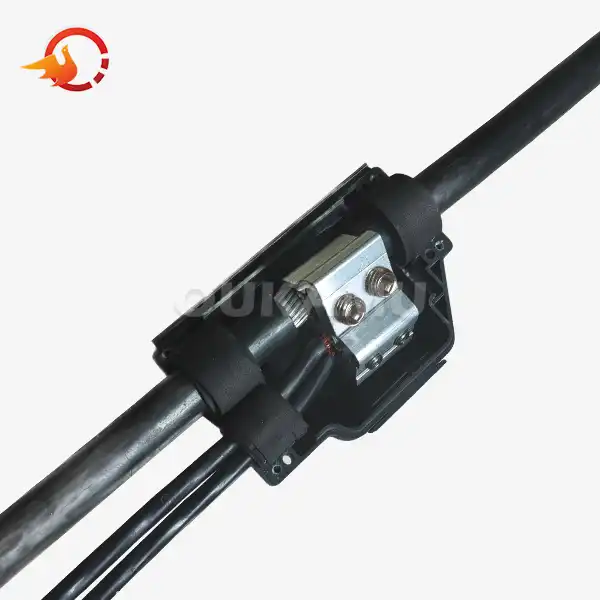
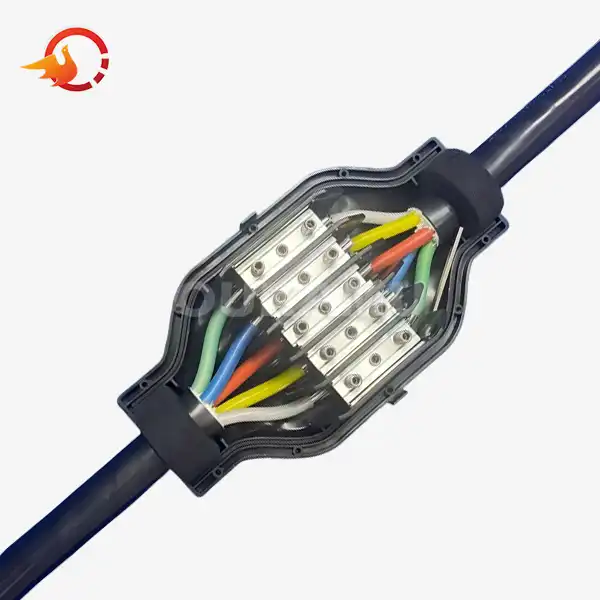
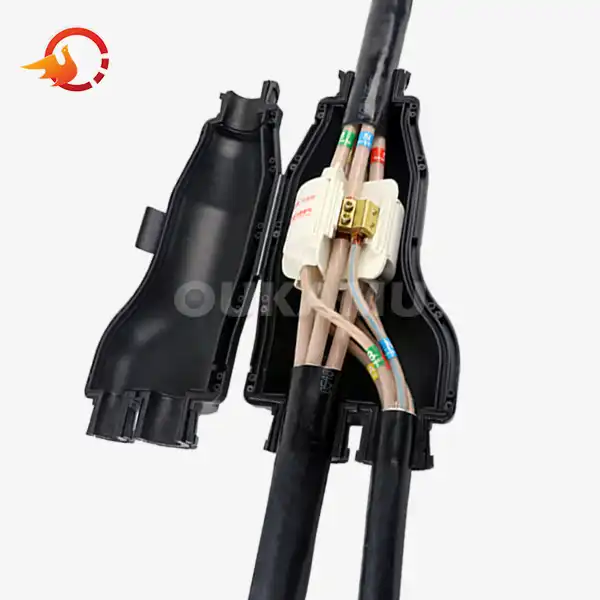
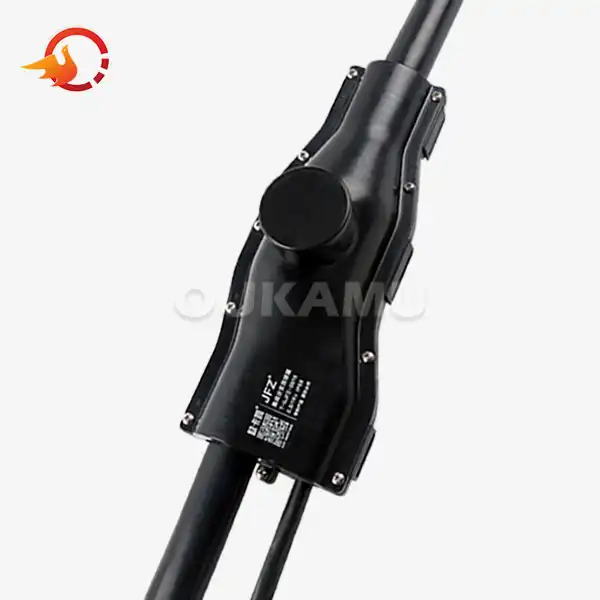
Products like the ZR-JFZ-95/35 Branch Cable System connector are made with quality in mind. They can connect Branch Cable Systems with a voltage range of 0.6V to 1kV and can fit main cables from 35 mm to 95 mm and Branch Cable Systems from 2.5 mm to 35 mm. It's safer because the materials don't catch fire, and the main cable doesn't need to be cut because it's all built in. This keeps the trunk cable in good shape and makes it less likely that mistakes will happen during installation. Connections are safe in places like underground or high-moisture areas where the environment can break them down quickly, like when they are waterproof sealed.
Preventive Maintenance Programs
Problems are found before they break down with proactive maintenance. When inspection times are planned around the situation and how important the system is, people can step in at the right time. Every three months, visual inspections find damage that is easy to see. Once a year, thermal surveys and insulation testing find damage that isn't so easy to see. Things that are very important should be checked on more often, especially when they are used in harsh conditions.
The maintenance records show how the system has been working and how it is breaking down over time. They also show how long the system will last. With this information, people can make smart choices about what to replace, so things don't get thrown away too soon or break in terrible ways. Keeping track of the different ways that installations fail helps procurement teams make better part specifications and pick suppliers whose products work better in the field.
Leveraging Professional Support and Advanced Solutions for Branch Cable System Issues
For installations that are too big or that are hard to understand, professional help and new technologies that make diagnosis easier can be very helpful for fixing Branch Cable System issues.
Certified Installation and Support Services
When you work with suppliers who have been in business for a while, you can get specific information and learn how to set things up correctly. Installers who are certified know what each product needs and how to avoid common problems. Problems with commissioning and warranty claims will go down because of this. When you have strange problems, technical support from the manufacturer can help you figure out what's wrong and tell you which products are best for each job.
Warranty coverage keeps parts from breaking down too soon and shows that the company that made the product trusts its quality. Maintenance work costs can be planned for better with longer warranties and service agreements. It is very helpful for contractors and distributors who work with many different clients to have these partnerships. When customers and suppliers get along well, projects go faster and everyone is happier.
Innovative Monitoring Technologies
Smart Branch Cable System monitoring systems are the next big thing in maintenance that keeps things from breaking down. Built-in sensors check the voltage, current, and temperature at key connection points and send the data to central monitoring platforms. When parameters are not in their normal ranges, they automatically send a message to the maintenance teams. In this way, they can act before things go wrong. When you look at old data, you can see how systems were used and how stressed they were. This helps you plan upgrades and add more space.
In sensor data streams, predictive maintenance algorithms look for signs of failure with the help of machine learning. These systems learn what healthy working conditions are and report ones that don't look right so they can be checked out. With these kinds of features, unplanned downtime is less likely to happen, and maintenance resources are better used because teams can fix problems where they are found instead of checking everything all the time.
Optimized Procurement Strategies
You can save money on each item when you buy in bulk from a reputable seller. You can also be sure you have enough for both new projects and repairs that need to be done right away. It's easier to keep track of specs, training, and spare parts when you stick to well-known product families. Custom solutions are made to fit specific needs that standard products can't, like when you need to use special insulation materials, have Branch Cable System voltage ratings that aren't normal, or make sure that the level of environmental protection matches the conditions at the site.
For twenty years, companies like Xi'an Oukamu Electric Co., Ltd. have been experts in Branch Cable System connection technology and now they share what they know with the market. With their ideas, you don't have to cut main cables when you add Branch Cable Systems. This keeps the warranties on the trunk cables and the strength of the structure safe. Instead of making compromises around set connection points, flexible installation positioning changes based on what's available on the site. There is less waste because of these benefits, as two to three meters of main cable are saved per connection point, and there is less work to do, so a project can be finished faster.
When it comes to big installations, the money saved adds up. By saving money on materials, installing systems faster, and making maintenance easier over the course of their lives, costs can be cut by up to 500%. With reusable connectors, you can switch out parts of a system without having to buy a whole new one. This helps the building change with the needs of the business. Many procurement professionals are interested in advanced Branch Cable Systems for these reasons. They weigh the initial costs against the total costs of ownership.
Conclusion
Fixing problems with the Branch Cable System wiring is what keeps things running and protects people and things from electrical dangers. Visual inspection, electrical testing, and root cause analysis are some of the systematic diagnostic methods that maintenance teams use to quickly fix problems and make sure they don't happen again. When you buy high-quality parts from companies with a lot of experience, you don't have to troubleshoot as often and it's easier to fix things when they break. Modern ways of connecting Branch Cable Systems that don't need tools, have parts that can be used again, and have safety features built in work better than older methods. They make sure that the money they spend on electrical infrastructure will last and meet changing operational needs by giving equal weight to short-term usability and long-term dependability.
FAQ
How often should branch cable systems be inspected?
How often a Branch Cable System is inspected depends on where it is and how important it is. A full inspection of a standard commercial installation should be done once a year. This should include both visual and thermal imaging. In harsh environments with high humidity, chemical exposure, extreme temperatures, or a lot of vibration, inspections need to be done every three months. You need to check on critical infrastructure that supports important operations or safety systems once a month. Power surges, physical impacts, flooding, or changes in performance are all strange things that need to be looked at right away, even if maintenance isn't due for a while.
What indicates a branch cable connection requires immediate attention?
A lot of red flags need to be looked into right away. When the connector housings change color or shape, it means that the Branch Cable System connections are too loose or there is too much current. If you smell burning near a junction, the electricity needs to be turned off right away because of a problem. When power goes out on some Branch Cable Systems, it means that connections are breaking down. Circuit breakers keep going off when certain pieces of equipment are working with too much signal or a short circuit. The Branch Cable System insulation is immediately dangerous for shock and fire if it has any cuts, cracks, or exposed conductors that can be seen. This needs to be fixed right away before the system can be turned back on.
Can troubleshooting be handled internally or does it require specialists?
Troubleshooting tasks like visual checks, continuity tests, and voltage checks can be done by maintenance staff who have been properly trained and are wearing the right safety gear. But to do complex diagnostics, like checking for insulation resistance, thermal imaging analysis, or working on live high-voltage systems, you need to get special training and a license. Many jobs can only be done by licensed electricians because they are covered by insurance and are legally responsible for them. Setting clear limits on what is and isn't possible stops people from acting in dangerous ways and lets them know when they need professional help to solve the problem faster and safer than they can do it on their own.
Partner with Oukamu for Reliable Branch Cable System Solutions
There are tried-and-true connection technologies that make installation easier and improve Branch Cable System reliability over time that you need to know a lot about in order to fix wiring problems correctly. When it comes to making high-tech Branch Cable System connectors that fix common problems with older systems, Oukamu is the company to go to. It's less likely that an installation mistake will happen with our ZR-JFZ series because it doesn't cut the main cable. One more thing it does is protect the trunk cable, which is not possible with other splicing methods. The built-in T-connector design makes connections that are safe, can't be changed, and follow the rules set by GB/T 14048.7-2016. They won't catch fire and won't get wet, so they're great for tough jobs.
We know what buyers want because we sell Branch Cable Systems to distributors, contractors, and industrial facilities all over the world. They want reliable performance, competitive pricing, and quick technical support that keeps projects on track. Costs are cut by more than 300% with our solutions because they save money on materials, speed up installation, and make maintenance easier over the course of longer service lives. There are options to buy in bulk for both big projects and stocking up on supplies, and specifications can be changed to fit the needs of a certain use.
Please feel free to talk to our technical team about the issues you are having with the distribution of electricity. You can email us at info@okmbranchcable.com to find out more about how our tried-and-true connector technology can lower the total cost of ownership for your infrastructure and make it more reliable.
References
1. Chen, W., & Martinez, R. (2021). Electrical Distribution Systems: Design, Analysis, and Maintenance Strategies. Technical Engineering Press.
2. National Fire Protection Association. (2020). NFPA 70: National Electrical Code, 2020 Edition. NFPA Publications.
3. International Electrotechnical Commission. (2019). IEC 60364: Low-Voltage Electrical Installations – Part 5-52: Selection and Erection of Electrical Equipment. IEC Standards.
4. Thompson, J. A. (2022). "Predictive Maintenance Techniques for Industrial Cable Systems." Journal of Electrical Safety and Reliability, 45(3), 112-128.
5. Zhang, L., & Kumar, P. (2020). Modern Cable Connection Technologies: Innovation and Applications in Power Distribution. Industrial Electronics Publishing.
6. Standards Press of China. (2016). GB/T 14048.7-2016: Low-Voltage Switchgear and Controlgear Assemblies – Particular Requirements for Assemblies for Specific Applications. China Standards Publishing House.