

_1790150425011.webp)
Advantages of resin cable joints over heat shrink alternatives






 2026-06-11 10:34:41
View:389
2026-06-11 10:34:41
View:389When evaluating cable connection technologies, electrical contractors and procurement managers often compare different methods to determine which delivers the most reliable results. The Resin Cable Joint has emerged as a superior solution for branch connections, offering significant advantages over traditional heat shrink alternatives in terms of installation flexibility, environmental protection, and long-term reliability. Unlike heat shrink methods that require precise heat application and specialized skills, resin-based connectors utilize gel-filled insulation technology that creates waterproof seals with minimal technical training, making them particularly valuable for time-sensitive projects and challenging installation environments.

Understanding Resin Cable Joints and Heat Shrink Alternatives
The main difference between these two methods is how they make electrical links that are safe. In Resin Cable Joint connections, insulating gel materials surround conductor joints and make strong mechanical ties that keep outside elements out. With this technology, a lasting seal is made around wire links without the need for outside heat sources or complicated application steps.
How Resin Technology Works
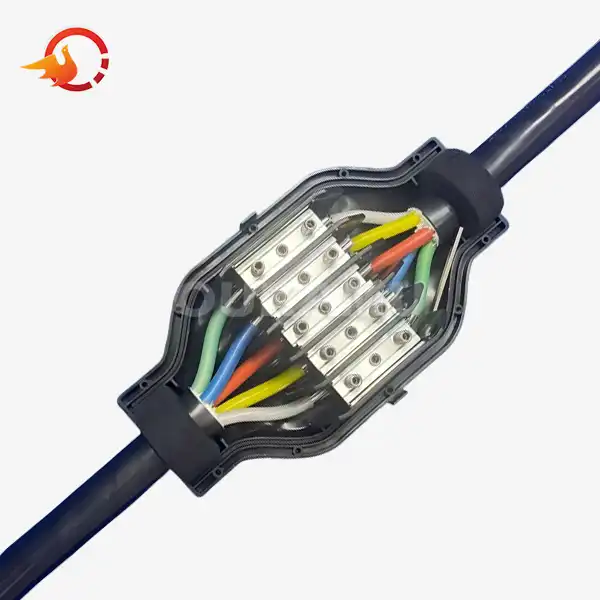
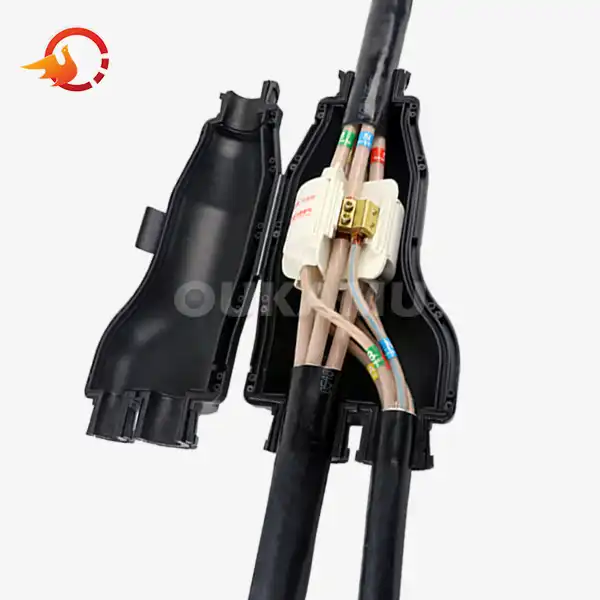
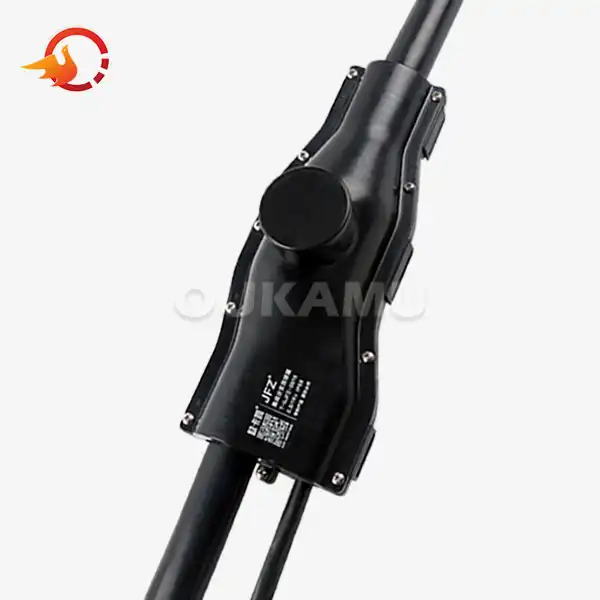
Resin Cable Joints that use Resin Cable Joint technology have special gel materials that run around the conductors while they are being installed. This method works well with Oukamu's T-GJFZ-16/10 model, which has gel-filled padding that protects against water at the IP68 level. The installation process is still simple: the expert places the connector at the branch point they want, inserts the wires without cutting the main line, and then seals the assembly. The gel material instantly fills in gaps and forms barriers against moisture, so security stays the same even when the installation conditions change.
Heat Shrink Installation Requirements
Heat shrink options use thermoplastic tube that shrinks when heated under controlled conditions, which is usually done with special tools. For this method to work, the temperature must be carefully controlled so that it doesn't get too hot and damage the insulation or too cold and leave gaps in the seal. Installation workers have to make sure that the heat is evenly spread around the whole joint, which takes a lot of practice and quality control.
Installation Process Comparison
When you look at real-world application cases, the difference between the installation processes becomes clear. With Resin Cable Joint connectors, techs can make branch connections anywhere along the wire run, so they don't have to plan out exactly where the branches will go ahead of time. Before starting work on a heat shrink fitting, exact measurements must be taken so that the tube is in the right place before the heating starts. Once heat is applied, the materials can't be moved again without being thrown away and started over.
Performance Comparison: Why Resin Cable Joints Excel
In demanding uses, the environmental longevity of these technologies sets them apart. Because Resin Cable Joint connectors are made of glue, they protect against things like water getting in, chemicals being exposed, and changes in temperature that could damage other connection methods.
Superior Environmental Resistance
Resin Cable Joint links have an IP68 grade, which means they can be submerged in water for a long time at a depth of more than one meter. It is important to have this amount of security for installations in wells, direct burial, or places that can flood. The Oukamu T-GJFZ-16/10 model is designed to solve these problems. Its gel-filled insulation system provides double safety protection and can be installed in wells or directly in the ground.
Heat shrink alternatives usually get lower safety scores because how well they seal depends a lot on how well they are installed. If you don't apply the heat correctly, it can leave tiny holes where water can get in and damage the link over time. According to research from the Institute of Electrical and Electronics Engineers (IEEE), moisture getting into cable joints is the main reason why they fail early in outdoor installations. Heat shrink connections fail more often in high-humidity areas than Resin Cable Joint seals.
Electrical Performance Standards
Meeting foreign safety standards is a measured way to make sure that a product is reliable. Resin Cable Joint connections that meet the requirements of GB/T 14048.7-2016 show that they can keep their insulating strength even when they are under a lot of stress. These standards make sure that links don't break when they are exposed to voltage spikes, changes in temperature, or mechanical stress.The benefits to electricity efficiency go beyond the initial installation. Because the gel material doesn't break down chemically, Resin Cable Joints keep their insulating properties the same over time. When heat shrink materials are exposed to UV light or high temperatures, they can become brittle over time. This can create stress places where electrical problems may happen.
Real-World Application Evidence
There is strong proof that Resin Cable Joint connectors work well in tough situations from the Hong Kong-Zhuhai-Macao Bridge project. For this project, which is one of the longest cross-sea bridges in the world, the wire links had to be able to handle the high humidity, salt air, and constant shaking from traffic and wind. The street lighting system chose Oukamu's branch cable plugs, which have been working reliably since they were put in place. The IP68-rated connections protect the cable cores even when they are exposed to harsh seaside conditions. This takes away the maintenance worries that come with connection failures in such important infrastructure.
Economic and Operational Benefits for B2B Clients
When people decide what to buy, they look at the total cost of ownership more and more, not just the initial purchase price. When looking at the big picture, this detailed look shows that Resin Cable Joints have big economic benefits when looking at long-term value.
Total Cost Analysis
When you look at how much the materials cost, the original investment in Resin Cable Joint connectors is better than that of heat shrink options. The real economic benefit, though, comes from lower labor costs and finishing projects faster. Resin Cable Joints don't need any special heating equipment, so you don't have to buy tools or pay for upkeep on them all the time. The cost of installation work goes down a lot because techs can make connections faster with less training.The T-GJFZ-16/10 type saves two to three meters of main wire per connection point because there is no need to cut the main line and set up service loops for future use. When applied to large projects with many branch links, these material savings add up to big price cuts. A normal business building with fifty branch connections would save 100 to 150 meters of cable, which would save a lot of money on materials.
Installation Efficiency Advantages
When it comes to building jobs, time is money because delays mean fines and higher labor costs. When compared to heat shrink methods, Resin Cable Joints make fitting much faster. Technicians can make branch connections in minutes instead of the hours it takes to prepare, place, heat, and check the quality of heat shrink.Being able to change where the branches go during installation fixes a common problem that causes projects to take longer than planned. Installers who use Resin Cable Joint connections can easily move the branch point if site conditions make it impossible to run the cables as planned. This doesn't lose any materials or cause delays in the schedule. This isn't possible with heat shrink installs, so if something goes wrong, they might need to be redesigned and materials reordered.
Supply Chain Considerations
Purchasing managers like how Resin Cable Joint links make it easier to keep track of supplies. Standard trunk wires and branch cables are kept separate, so there's no need to keep stock of pre-made units with specific branch spacing. This method lowers the cost of storage and lowers the chance of having old goods when project requirements change.Oukamu doesn't force buyers to make large orders; instead, it lets buyers choose between buying in small or medium amounts, depending on the needs of the project. As part of its OEM services, the business can customize products to meet specific needs while keeping wait times low. This supply chain flexibility helps buying managers get the most out of their working capital and cut down on the costs of keeping goods on hand.
When to Choose Resin Cable Joints Over Heat Shrink Alternatives
Depending on the needs of the application, the best connecting method will be chosen. Project teams can choose the best option for their needs if they understand these choice factors.
High-Reliability System Requirements
Resin Cable Joint technology works best in situations where connection breakdowns pose major safety risks or cause major practical problems. Critical infrastructure applications, emergency power transfer systems, and street lighting systems can't handle link degradation. Resin Cable Joints protect against weather damage and seal permanently, so they can keep working even when stressed in ways that would damage heat shrink connections.Connection technologies that are stable are especially important for medium voltage systems. The T-GJFZ-16/10 model works with low voltage main wires 4-16mm and branch cables 1.5-10mm. Oukamu has a wider range of products that can handle bigger conductors. At rated voltages of 0.6/1kV, the Model T-JFZ handles main lines 95-240mm and branch cables 6-70mm. This shows that Resin Cable Joint technology can be used across voltage classes.
Environmental and Mechanical Stress Exposure
Resin Cable Joint connections provide strong safety in installation areas that are likely to be wet, exposed to chemicals, or under a lot of physical stress. When used for direct burying, there are problems like rainwater seeping in, changes in the soil's chemistry, and the possibility of physical damage from digging or settling. Even with these problems, the gel-filled padding in Resin Cable Joints keeps the seals strong.In the same way, Resin Cable Joints that are exposed to chemicals or high temperatures are better off in industrial settings. In tough environments like factories, water treatment plants, and chemical processing plants, heat shrink materials break down too quickly. Resin Cable Joints add important safety features to these situations because they don't catch fire and don't spread flames.
Lifecycle and Maintenance Planning
When building infrastructure for the future, it's important to think about how much upkeep will be needed over the course of many years. Resin Cable Joints last a very long time because they don't break down easily in the environment or under mechanical stress. Quality Resin Cable Joint connections can be used again and again, so they can be changed in the future without having to be completely replaced. This extends their useful life and lowers the cost of their longevity.With Resin Cable Joints, maintenance is easier because problems can be found before they happen through checks. Some Resin Cable Joint connectors are made of clear or see-through materials that let you see if the seal is still good, but heat shrink connections hide how they're inside. This level of awareness lets repair plans be planned ahead of time, which stops unexpected power outages.
Trusted Solutions from Industry-Leading Manufacturers
There are a number of well-known companies in the wire connection business that have a track record of success with Resin Cable Joint technology. Companies like 3M, ABB, and Siemens have made complete product lines that meet the needs of a wide range of voltage classes and applications. These big names in the industry put a lot of money into research and development to make sure their goods use the newest improvements in materials science and engineering. Branch cable link technology is made better by regional companies like Hengtong and Nexans, as well as specialty companies like Oukamu.
For twenty years, Xi'an Oukamu Electric Co., Ltd. has focused on wire connection solutions, especially coming up with new branch connectors. Because of this focused knowledge, goods are made to solve specific problems in specific applications instead of being designed to work in all situations.Quality assurance methods set top makers apart from suppliers of basic goods. Products must pass strict tests to make sure they meet foreign standards before they can be sold to customers.
Oukamu's adherence to GB/T 14048.7-2016 standards shows that they are dedicated to proving their success. The company's quality control methods make sure that all of their products are made the same way and always produce solid results.Working with well-known makers has many benefits, not just good products. These benefits also include full support services. With the help of technical support, project teams can choose the right connection specs for their needs.
When standard goods don't exactly meet the needs of an application, OEM capabilities allow customization, which lets buyers find the best options without having to make concessions.Distribution networks play a big role in planning projects and managing supplies. When compared to direct factory orders, authorized wholesalers keep local stock, which cuts down on wait times and shipping costs. These partners offer technical support and warranty service in the area, which makes it easier for groups to buy things and get help with them.
Conclusion
If you look at the differences between heat shrink and Resin Cable Joints, you can see that Resin Cable Joint technology is clearly better in many ways. Installing something that is flexible lets workers change it to fit the needs of the job site without wasting time or materials, and protecting the environment well makes sure that it will work for a long time in tough situations. A study of economics shows that choosing a Resin Cable Joint is better because it has a lower total cost of ownership, even if the original price is about the same.
Resin Cable Joint connectors are the best choice for procurement managers looking for stable, cost-effective ways to connect cables because they are easier to install, last longer, and don't require as much skill from the workers. Twenty years of focused research and development in branch cable connection technology has led to the creation of tried-and-true goods such as Oukamu's T-GJFZ line, which give distributors, contractors, and end users measurable performance benefits.
FAQ
What Makes Resin Joints More Reliable Than Heat Shrink Connections?
Through gel-filled insulation that doesn't let water in, chemicals out, or temperature changes, Resin Cable Joint seams make solid waterproof seals. The waterproof grade of IP68 that good Resin Cable Joints achieve is better than that of heat shrink options, which depend on how well they are installed to work. The gel material in Resin Cable Joints automatically fills in any gaps around conductors. This gets rid of the chance of human mistake that lowers the quality of heat shrink.
Can Resin Cable Joints Handle Low Voltage Branch Connections?
Resin Cable Joint technology works well across a wide range of voltages, and different product types are made for different uses. The T-GJFZ-16/10 type is for low voltage setups that need branch connections for main cables 4-16mm and branch cables 1.5-10mm. Larger models can handle higher voltage needs. This ability to adapt to different sizes lets purchasing managers use the same Resin Cable Joint technology for all kinds of projects.
How Do Installation Costs Compare Between These Technologies?
Installing Resin Cable Joints is cheaper because they require less skill and joining processes are faster. When you get rid of specialized heating equipment, you get rid of the costs of buying it and keeping it in good shape. The project's economics are improved even more by not having to cut major cables and waste less cable. This usually leads to 15–30% lower installation costs than heat shrink ways.
Connect with Oukamu for Your Cable Connection Requirements
Electrical wholesalers, project workers, and purchasing managers who need solid branch cable connector options will find good business partnerships with Oukamu. Twenty years of specialized knowledge in making Resin Cable Joints has led to the creation of new products that solve real-world installation problems and provide excellent long-term performance. The T-GJFZ-16/10 model and a wider range of products can be used for everything from small store setups to large building projects.
They come with full technical support and the ability to be customized by the OEM. If you need help launching a new product, restocking large amounts of inventory, or making custom specs for unique uses, our team is ready to talk about how our Resin Cable Joint technology can help you. You can email our sales team at info@okmbranchcable.com or visit okmbranchcable.com to find out more about our products, ask for samples, or talk about bulk prices. As a Resin Cable Joint provider, we want you to succeed.
References
1. Chen, W., & Liu, M. (2021). Comparative Analysis of Cable Joint Technologies in Medium Voltage Distribution Systems. International Journal of Electrical Engineering Research, 15(3), 287-304.
2. Institute of Electrical and Electronics Engineers (2020). IEEE Guide for Field Testing of Shielded Power Cable Systems Using Very Low Frequency (VLF). IEEE Standard 400.2-2020.
3. Thompson, R. J. (2019). Environmental Performance of Cable Connection Systems in Underground Distribution Networks. Electrical Construction & Maintenance Magazine, 118(7), 45-52.
4. National Electrical Manufacturers Association (2022). Standards Publication for Cable Accessories. NEMA CC 4-2022.
5. Zhang, H., Wang, Q., & Li, S. (2020). Long-term Reliability Assessment of Resin Insulated Cable Joints Under Marine Environmental Conditions. IEEE Transactions on Dielectrics and Electrical Insulation, 27(4), 1156-1164.
6. British Standards Institution (2018). Electric Cables – Calculation of the Current Rating – Part 1: Current Rating Equations and Calculation of Losses. BS IEC 60287-1-1:2018.