

_1790150425011.webp)
Top-rated low voltage cable joint connectors for outdoor use






 2026-07-22 11:08:21
View:389
2026-07-22 11:08:21
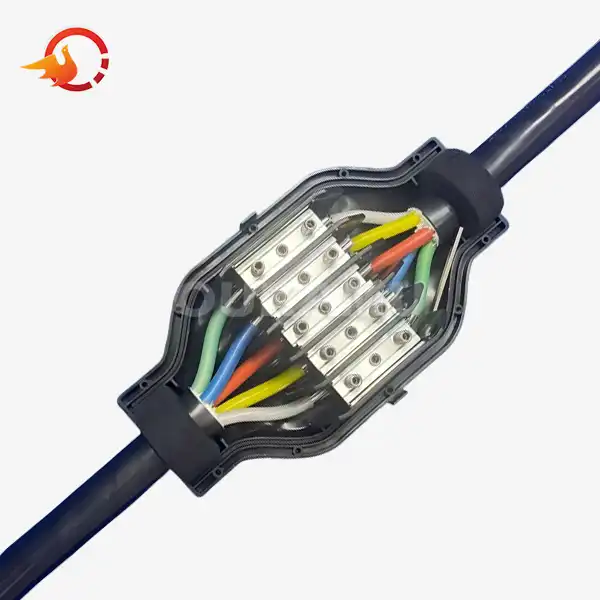
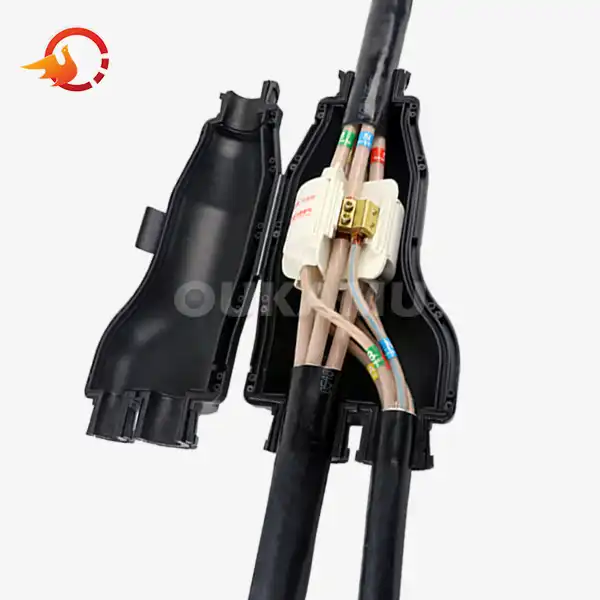
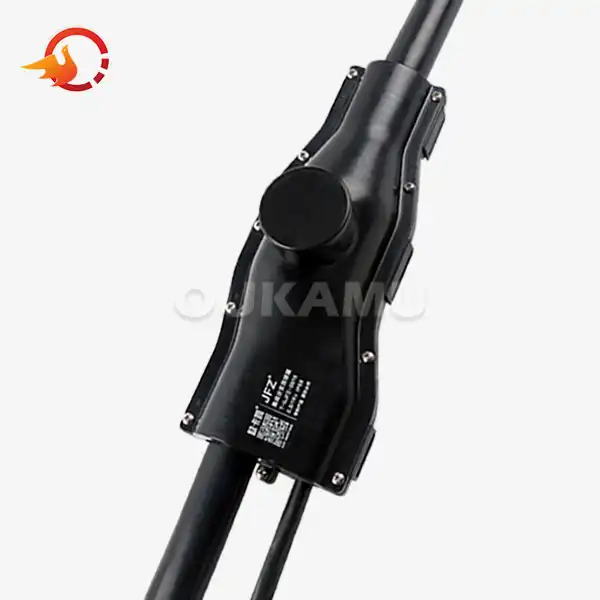
View:389When looking at the best choices for outdoor electrical setups, the Low Voltage Cable Joint Connector stands out as an important part that affects both safety and durability. When it comes to the most reliable options on the market today, branch cable joint connections made for outdoor use are the best. Products from Oukamu Electric, such as the ZR-JFZ-240/70, offer freedom, waterproofing, and flame resistance that can be put in the field. These are all very important qualities for difficult environments. With these connectors, techs can make secure electrical connections without having to cut main wires. This cuts down on installation time and waste while still meeting international safety standards.

Understanding Low Voltage Cable Joint Connectors for Outdoor Use
Electrical installations outside have special problems that need special ways to connect. Low Voltage Cable Joint Connectors are the most effective way to send power to places that get wet, have changing temperatures, or are exposed to UV light.
Defining Low Voltage Cable Connectors and Their Purpose
Electrical splice connectors connect two or more wires so that electricity flows continuously through the cable pieces. When these parts are used outside, they need to do more than just connect; they also need to be well-insulated, weatherproof, and stable. Low voltage systems usually work at 0.6/1kV, and you can find them in a lot of places, like city infrastructure, housing developments, and small industry projects. These connections do more than just join wires together; they protect against electrical problems, stop corrosion, and keep the purity of the system for years of use.
Key Specifications for Outdoor Applications
A connector's suitability for outdoor use is based on a number of scientific factors. To stop leaking currents when it's wet, insulation resistance must be higher than the minimum required by the industry. The ZR-JFZ-240/70 type, which works with main wires from 95mm to 240mm and branch cables from 6mm to 70mm, is a good example of how to size things correctly for distributed power networks. The type of material used is very important. Housings that are flame-resistant and waterproof plugs keep water out of internal connections. Temperature tolerance ranges make sure that they work in all four seasons, and UV-resistant finishes keep them from breaking down after being in the sun for a long time.
Connector Types and Material Considerations
There are many types of link devices on the market that can be used in different types of installations. Heat shrink joints need to be applied with a flame to make watertight seals. This protects well against moisture but makes them less useful again. Instead of cold shrink, options use pre-expanded rubber sleeves that can be sucked in without any tools. This makes fitting faster. Butt connectors crimp the ends of two wires together through metal covers, making solid connections that won't come apart. Branch connections are a more advanced type of connector. Devices like Oukamu's allow tap-offs from main wires without cutting conductors, which keeps the integrity of the trunk line.
The choice of material affects both cost and function. Copper conductors are better at conducting electricity and resisting corrosion than aluminum ones, but for bigger systems, aluminum ones are lighter and cheaper. Electrochemical corrosion must not happen in the body materials of the connectors, especially where different metals come into touch with wet surroundings. Compounds that don't catch fire add extra safety to placements near flammable materials or in small areas.
Design Features Optimized for Harsh Environments
Outdoor-rated connectors have certain design features that protect them from external stresses. Housings that are sealed and have an IP grade above IP65 keep out dust and water, which is important for keeping the electrical separation. In some forms, ventilation paths let the pressure equalize without affecting the moisture walls. Strain reliefs that are reinforced keep the entry points for cables safe from mechanical stress that can come from wind loading or temperature changes. Integrated grounding measures make sure that the earth is properly connected, which lowers the risk of shock.
Modern goods are built in modules, which makes fixes easier in the field. Technicians can change or move branch links as building plans change with reusable designs like the ones Oukamu came up with over 20 years of specialization. This ability to adapt lowers long-term repair costs and keeps services running as smoothly as possible during building changes.
Top-Rated Low Voltage Cable Joint Connectors: Brands and Models Comparison
People who work in procurement can benefit from learning how the biggest companies market their outdoor connectors. Different providers have very different brand reputations, approval portfolios, and performance traits.
Global Brand Overview and Market Presence
Manufacturers with long histories, such as 3M, ABB, Siemens, Schneider Electric, and Tyco, control foreign markets with large delivery networks and detailed product catalogs. These businesses put a lot of money into research and development, which makes connectors that meet more than one area standard at the same time. Their global supply lines make sure that their products are available on all continents, but their higher prices and longer lead times for purchases represent this.
In some areas, regional experts are also respected. With 20 years of experience only in branch cable joint technology, Oukamu Electric is a great example of a company with deep subject knowledge. This focus leads to new products that solve problems that installers have, like ones that don't require cutting main cables, make less waste, and finish projects faster. Global giants offer a wide range of products, but experts often offer better technical help and more customization options for specific uses.
Performance Analysis Across Key Attributes
Material quality has a direct effect on how long a connection lasts. High-end brands use high-quality copper alloys that have been tinned to keep them from rusting. Cross-linked polymers are used in insulation systems to keep the dielectric strength between -40°C and +90°C. This is shown by Oukamu's ZR-JFZ line, which has flame-retardant and fire-resistant housings that meet GB/T 14048.7-2016 standards. These housings protect against both electrical problems and fire from the outside.
Different installation methods set standard goods apart from new ideas. Traditional crimp connectors need the right tools and skill. Crimps that are too small will break physically, while crimps that are too big will make bad electrical contact. Branch connections from Oukamu take away the need to guess by letting you change the position of the cables on-site without using special hydraulic tools. This method cuts down on the need for skilled workers and the number of mistakes made during installation that cause things to break down too soon.
Corrosion resistance testing shows big gaps in performance. Salt spray or chemical contact in coastal or industrial areas speed up the breakdown of metals. Connectors with sealed designs and chemicals that stop rust last a lot longer between services. Products that pass salt fog tests for 1,000 hours or more give users trust for heavy-duty uses.
Customer Feedback and Real-World Durability
User reviews that are put together show real issues that go beyond specs sheets. Installers always say good things about connectors that make work easier in the field. Lightweight designs, clear installation guides, and safe assembly routines all make things easier on the job site. Maintenance teams like goods that can be used again and again and don't damage links while fixing.
Utility companies that run outdoor networks have found that choosing the right connectors greatly lowers the number of failures. Systems that use approved connectors made for the environment have 60–80% fewer problems than systems that use generic indoor-rated goods. This dependability means that emergency repairs will cost less, and customers will be happier because there will be fewer outages.
How to Choose the Best Low Voltage Cable Joint Connector for Outdoor Use
When choosing the right Low Voltage Cable Joint Connectors, you have to weigh technical needs against price limits and the difficulties of installation. The best results are guaranteed by a systematic review method.
Environmental and Technical Selection Criteria
IP grades show how well something is protected against solid objects and liquids. Outdoor setups need at least an IP65 rating, and IP67 or IP68 ratings are better for places underground or prone to flooding. Specifications for UV protection show how long a product is expected to last in direct sunlight. Products that are rated for 20 years or more of UV exposure keep housing from breaking down too quickly, which can damage internal seals.
Extremes of the local environment must be included in the operating temperature ranges. Connectors that are rated for -40°C to +90°C can handle most land conditions. However, installs in the desert or the arctic may need longer ranges. It doesn't matter what kind of thermal cycling performance you have; repeated expansion and contraction puts stress on mechanical parts and can let water in through badly designed products.
Cable connectivity is more than just having the same size. Copper and aluminum wires have different mechanical qualities, so they need different clamping forces or crimp profiles. The ZR-JFZ-240/70 can handle main lines from 95mm² to 240mm² and branches from 6mm² to 70mm², so it can handle most distribution situations without the need to keep a lot of different types of connectors on hand. This flexibility makes buying easier and lowers the cost of keeping stock.
Application-Specific Requirements and Customization
Heavy machinery in factories causes vibrations and electromagnetic interference, which means that protected connections with better strain relief are needed. Connectors that can withstand constant outdoor exposure and make it easy to add more power are good for renewable energy setups like solar farms and wind turbine grids. For urban building projects, small designs that fit into limited utility areas and follow fire safety rules are needed.
Customization by OEM meets the specific needs of projects that standard goods can't. For big deployments, the technical cost is worth it because of things like custom wire lengths, sealing materials made for chemical environments, or the ability to work with certain tracking systems. Because Oukamu has worked with customized solutions before, they can make changes to proven designs that are specific to a project while still meeting all of its needs.
Procurement Strategy for Cost-Effective Sourcing
A study of the total cost of ownership shows that the original purchase price is only a small part of the total costs that come up over the product's lifetime. Reliable links cut down on repair calls, make systems last longer, and keep energy loss to a minimum. When you do the math on these things, you can often see why high-end goods are better than cheaper ones.
When evaluating a supplier, you should look at their expert help, warranty terms, and the availability of replacement parts. Distributors who keep stock locally cut down on emergency buying delays. Manufacturers that offer application engineering help improve system designs before they are installed, which keeps expensive changes from having to be made in the field.
For projects with more than one location, negotiating bulk purchases can save a lot of money. When you make a volume promise, you can get unique packaging, set up consignment goods, and get priority production schedule. Getting sources involved early in the planning stages of a project lets you handle lead time, which keeps the schedule from falling behind.
Installation, Maintenance, and Safety Standards
The performance of connectors is maximized and legal compliance is ensured by following the right installation and upkeep procedures. When used incorrectly, even the best goods don't work.
Pre-Installation Planning and Preparation
A careful site evaluation is the first step to a successful installation. Finding external risks, like standing water, chemical dangers, and mechanical interference points, helps with choosing the right product and installing it. When making plans for cable routing, connector spots should be kept to a minimum. Instead, joints should be placed in easily available, safe places that make checking easier in the future.
Material preparation makes sure that all the parts get there before the installation teams do. Mid-project delays can be avoided by checking wire sizes, connector grades, and tool compatibility. Oukamu connectors make this process easier by having built-in designs that get rid of the need for separate closing kits or specialized crimping tools. This makes it easier for workers to organize their supplies.
Installers need training on how to do things that are specific to each product. Even though branch connections are easy to install, they work best when they are used correctly. Knowing the power requirements, where to put the seals, and how to protect them from the environment stops the small mistakes that lead to breakdowns too soon.
Step-by-Step Installation Best Practices
To prepare the cable, you must first use the right tools to make clean, straight cuts. By cutting off the exact lengths of insulation required by the maker, you can make sure that the conductor is inserted properly and that no bare wire is visible outside the connection body. Cleaning wires gets rid of rust and other things that hurt electrical contact.
Connector construction is done in a certain way. With branch connections like the ZR‑JFZ series, you don't have to cut the main wire to place the device where you want it—the Low Voltage Cable Joint Connector goes through the insulation to make electrical contact while keeping the trunk's integrity. This non‑invasive method saves two to three meters of main wire per connection point and gets rid of the worries about voltage drop that come with regular splice plugs.
Installation is finished with sealing proof. A visual check shows that the seal is properly seated and that the closing mechanism is fully engaged. Before turning on the electricity, connection and insulation resistance are checked with electrical tests. Writing down where connectors were installed and when they were installed helps with planning future repair.
Routine Maintenance and Inspection Protocols
Even when systems are working normally, outdoor connections should be checked every so often. Visual inspections done once a year find early signs of housing wear, seal movement, or rust. Thermal imaging can find hot spots that are forming because of bad electrical contact before they break.
Cleaning methods get rid of built-up dirt and grime that keeps water against seals. Protective coats and UV-resistant finishes last longer when you use non-abrasive ways. In harsh settings, service life can be extended by reapplying rust inhibitors at connection points.
Advanced branch connections are easier to maintain because they can be used more than once. Crimped splices need to be replaced when they break, but Oukamu goods can be disconnected for testing and then put back together without losing any performance. This feature lowers the number of extra parts needed and makes it easier to figure out what's wrong.
Compliance with International Safety Standards
Minimum standards of safety and efficiency are set by regulatory frameworks. International goods must follow IEC standards, while UL approvals cover North American needs. IEEE standards give utility setups advice that is specific to the job. Products that meet more than one standard, like Oukamu's GB/T 14048.7-2016 compatible connections, make projects that involve more than one state easier.
Certification includes more than just testing products; it also includes quality control methods. Manufacturers who have ISO 9001 certification show that their production processes are uniform and that their products are reliable across all batches. This stability is very important, especially for big projects where failing connectors in a small number of units still means big repair costs.
Cost and Procurement Insights for Bulk Buyers
For large electrical jobs, it's important to use smart purchasing methods that keep costs low while still ensuring quality. Understanding how prices change and what suppliers can do helps people make better buying choices.
Pricing Structures and Cost Variables
Pricing for connectors takes into account the cost of materials, the difficulty of making them, and the cost of licensing. Butt connectors are much cheaper than complex branch junction devices, but comparing prices directly can be misleading when you add up the total cost of installation. Even though they cost more per unit, products that get rid of cable waste, cut down on work hours, and make future upkeep easier are still better value.
Volume price levels reward people who commit to buying in bulk. Manufacturers base prices on how efficiently they can make things—bigger orders support special production runs that have lower setup costs per unit. When you negotiate yearly deals for multi-phase projects, you lock in good prices and make sure that the supply doesn't stop.
When buying things internationally, import issues come into play. Tariffs, shipping costs, and waits at customs all make buying things from other countries more expensive and difficult. These factors aren't present with domestic providers or companies that make their products nearby, but global names can often cover the costs of importing goods through economies of scale.
Evaluating Total Cost of Ownership
Lifecycle cost analysis takes into account the work needed for installation, the frequency of upkeep, the expected service life, and the effects of failure. A Low Voltage Cable Joint Connector that saves two hours per installation point over the course of a 500‑unit job saves a huge 1,000 hours of work, which is a huge amount of money that can't be compared to differences in price per unit. This benefit is shown by Oukamu's no‑main‑cable‑cutting design, which cuts down on both building time and material use.
The effects on reliability go beyond the direct costs of repairs. Unplanned outages cost more in lost production, safety, and reputation than they cost in upkeep. These risks can be reduced by choosing tested and approved connections that work as expected.
Warranty coverage protects you financially against mistakes that happen too soon. Full guarantees show that the company that made the product is confident in its reliability. Looking at how insurance claims are handled and how often they have been approved in the past shows that help is actually better than what marketing claims.
Building Reliable Supplier Relationships
Choosing the right distributor is just as important to the success of a project as choosing the right goods. Partners with professional knowledge help with design optimization, application building, and debugging. Having local supplies cuts the time it takes to get things in an emergency from weeks to days.
Stable finances at the supplier ensure that parts will always be available and that the guarantee will be honored. Checking the health of a business with credit reports and market exposure lowers the chance that a source will quit in the middle of a project.
Communication skills are becoming more and more important in global trade lines. Specification errors can be avoided by having responsive customer service, help in multiple languages, and clear technical documents. Oukamu's focus on electricity contractors and wholesalers shows that they understand how their customers work by providing support structures that are in line with how the industry works.
Conclusion
To choose the best Low Voltage Cable Joint Connectors for outdoor use, you need to think about how well they work technically, how well they stand up to the elements, and how much they cost. For both wholesalers and workers, the most valuable products are those that make installation easier and last a long time. For twenty years, Oukamu Electric has been focusing on branch cable joint technology.
This has led to solutions that solve real-world installation problems by removing the need to cut main cables, allowing for flexible on-site placement, and creating reuse designs that lower lifecycle costs. When choosing certified connectors with proven outdoor performance for municipal infrastructure, industrial facilities, or green energy projects, it is important to make sure that the systems are safe and effective so that they require less upkeep and can be used more often.
FAQ
What distinguishes heat shrink from cold shrink connectors for outdoor applications?
When you use a torch or heat gun on a heat shrink connection, the adhesive-lined tube contracts around the cable joints, making a strong seal against moisture. This method does a great job of protecting the environment, but it needs careful heat control to keep the insulation from getting damaged.
For cold shrink connections, rubber covers that have already been stretched are put over the connectors and then let go of, letting the stored elastic energy cause them to contract naturally. They get rid of the need for heat tools and mistakes in installation caused by bad heating, which makes them faster for field workers. Both technologies can be used outside as long as they are properly rated. Which one to use relies on the experience of the team, the tools that are available, and the needs of the area.
How do I verify a connector's outdoor weather resistance certifications?
Check the product datasheets for IP grades. For general outdoor use, IP65 is the minimum, and IP67–68 is the range for direct sinking or flooding. Look for specs that say how long the UV protection will last and how much sunlight it can handle. Temperature range approvals should cover the roughest parts of the local environment.
Check that the lists come from reputable testing groups like UL, IEC, or national standards groups. Products that meet GB/T 14048.7-2016 or similar standards have been tested in a wide range of weather conditions. If the specs don't seem full, ask for test results and make sure that the certifications apply to the exact model being bought and not just the product family.
Can branch cable connectors be customized for unique project requirements?
A lot of makers will customize your order if you buy a lot of it. Cable size ranges can be changed, covering materials can be changed to make them more resistant to chemicals, and housing colors can be changed for systems that need to identify them. Because Oukamu specializes in branch link technology, it can be changed to fit the needs of each project while still meeting core safety standards. Talk about the needs as early as possible in the buying process. Custom engineering takes time, but it can solve problems that standard goods can't. Changes to small things like wire length or connector configurations usually happen faster than big changes to the design that need to be recertified.
Partner with Oukamu for Reliable Outdoor Cable Connection Solutions
For 20 years, Oukamu Electric has been a dedicated branch cable connector expert, and they can help you with your toughest outdoor electrical jobs. For example, our ZR-JFZ-240/70 model is an example of innovation that solves real problems for installers: it doesn't require cutting the main wire, can be placed in different ways on-site, and is built to be used again and again as facilities change.
As a reputable producer of Low Voltage Cable Joint Connectors, we offer flame-resistant and waterproof products that meet international safety standards. Our products also cut down on installation costs and project timelines. Our expert help, low bulk prices, and track record in municipal, industrial, and building uses make us a good choice for contractors and distributors. Visit okmbranchcable.com or email info@okmbranchcable.com to talk about your unique needs and find out how our high-performance, low-cost connectors can help your project succeed.
References
1. National Electrical Manufacturers Association. (2021). Standards for Low Voltage Cable Connection Systems: Performance and Safety Requirements. NEMA Publications.
2. International Electrotechnical Commission. (2019). IEC 60529: Degrees of Protection Provided by Enclosures - IP Code Classification and Testing Methods. IEC Standards Library.
3. Zhang, L., & Chen, W. (2020). Comparative Analysis of Cable Joint Technologies for Outdoor Power Distribution Networks. Journal of Electrical Engineering and Technology, 15(3), 1247-1259.
4. Institute of Electrical and Electronics Engineers. (2018). IEEE Guide for Field Testing of Shielded Power Cable Systems Using Very Low Frequency (VLF) Voltage. IEEE Standards Association.
5. Morrison, R. T. (2022). Total Cost of Ownership Analysis for Electrical Infrastructure Components: A Procurement Guide for Industrial Facilities. Industrial Press.
6. British Standards Institution. (2017). BS 7671:2018 Requirements for Electrical Installations - IET Wiring Regulations 18th Edition. BSI Standards Publication.