

_1790150425011.webp)
How to select branch cable systems compatible with existing electrical infrastructure?






 2026-07-20 17:18:59
View:389
2026-07-20 17:18:59
View:389Before choosing a suitable Branch Cable System, you should look at the power levels, conductor specs, and environmental conditions of the equipment you already have. When these factors are matched to connection standards, integration goes smoothly without having to cut main cables or make a lot of changes. Modern branch cable options, like the ZR-JFZ-95/35 type, allow for flexible placement on-site. This takes the guessing out of where the branches should go and still meets safety standards like GB/T 14048.7-2016. To keep downtime to a minimum, procurement workers should look for systems that are technically compatible, cost-effective, and easy to install.

Introduction
Branch Cable Systems are an important part of today's electricity infrastructure because they make it easy to distribute power in business and industry settings. Making sure that these systems work with current electrical networks is very important for keeping things safe, efficient, and in line with regulations, whether you're in charge of buying supplies for a hardware shop, an electrical project, or parts for workers.
We know how hard it is for procurement managers and sellers to find the right balance between a wide range of products at fair prices, stable supply lines, and quality that can be relied on. This guide is especially for buying managers, engineers, distributors, and OEM clients who want to know how to choose Branch Cable Systems that work well with existing systems and cause as little downtime as possible while also improving long-term operating efficiency.
Understanding Branch Cable Systems and Compatibility Requirements
What Are Branch Cable Systems?
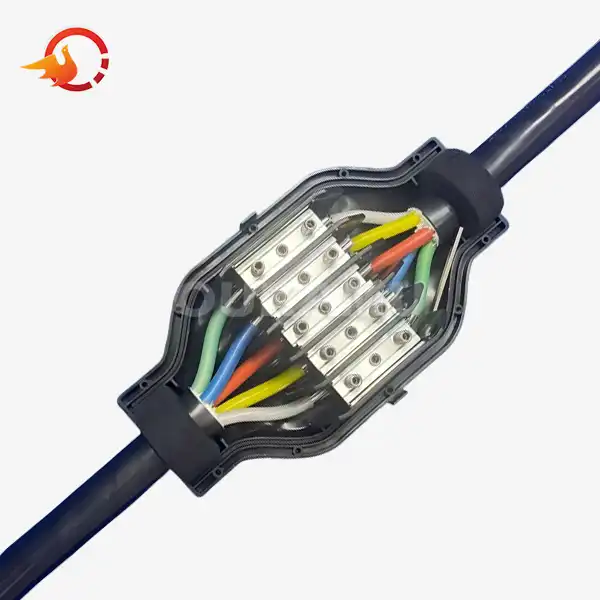
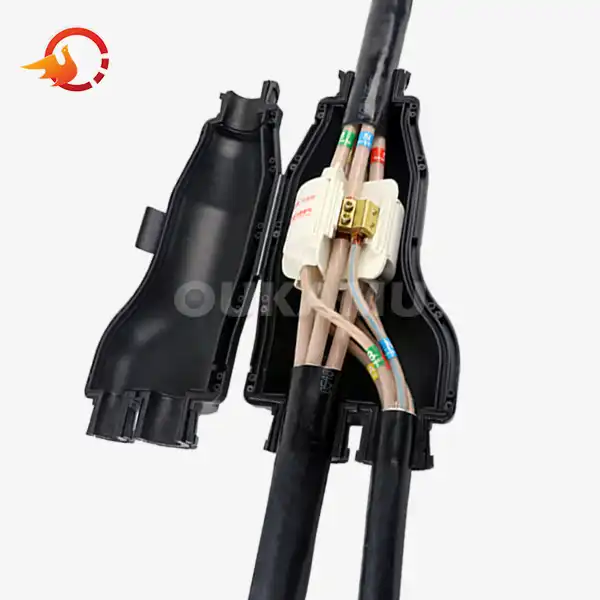
Branch Cable Systems are made up of wires, connectors, and other parts that work together to send energy from major feeders to many branch circuits. These systems come in different types, such as low- and medium-voltage versions, and use copper or aluminum wires based on the needs of the application. The technology has come a long way—modern solutions don't require cutting major lines, which protects the integrity of the infrastructure and lets branches move around automatically.
How These Systems Function Within Industrial Networks
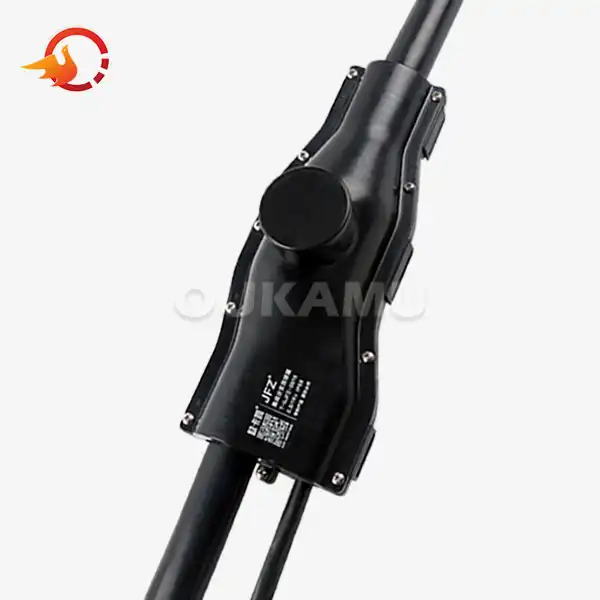
The nervous system of electricity distribution in business and industrial settings is the Branch Cable System. They send electricity from central distribution points to lights, machines, and tools all over the building. The ZR-JFZ-95/35 type, which works with main cables that are 35 to 95 mm in diameter and branch cables that are 2.5 to 35 mm in diameter and a rated voltage of 0.6/1kV, shows how specialized connections can make this process easier without breaking the main cable's continuity.
Common Compatibility Challenges
When purchasing things, people often run into problems with voltage rates that don't match, connector standards that don't work with each other, and following foreign wiring rules like IEC and NEC. These problems get even worse when adding new parts to systems that are already in use. Mismatched voltages can break equipment, and connectors that don't work with each other can make links that are dangerous and even start fires. To avoid making mistakes that cost a lot of money and make sure you follow safety rules, you need to understand these factors. This will protect both your investment and the safety of your end users.
Key Criteria for Selecting Branch Cable Systems Compatible with Existing Setups
Technical Parameters to Define
The first step in the selection process is to clearly define the technical parameters, such as voltage, current, insulation type, and mechanical factors, such as environmental protection rates and flexibility. The rated voltage needs to be compatible with your system. For example, most business uses use 0.6/1kV, which means that all options in this range will work. Peak loads should be able to be handled by the current carrying capacity with enough safety gaps. For main lines, this usually means conductor cross-sections between 35 mm and 95 mm.
Installation Context Considerations
The placement setting has a big effect on the choice of product. Flame-retardant, fire-resistant, and waterproof qualities are needed in harsh industrial settings. On the other hand, business indoor settings may value small designs that can be used for both bridge and open setups. Temperature ranges, humidity levels, and contact to substances that corrode all have an effect on the choice of material. Flame-retardant and fire-resistant materials of the highest quality are made for tough underground uses and last a long time in tough circumstances.
Compatibility Screening Process
Galvanic corrosion and temperature mismatch can be avoided by matching the types of insulator and circuit materials. For dependability, copper-to-copper connections are still the best. However, aluminum wires need extra care to keep them from oxidizing. Checking connector standards makes sure that they work with each other physically. The combined T-connector body design, which joins main and branch lines without any problems, gets rid of many of the problems that come with traditional connections.
Assessing Supplier Certifications
Supplier certificates make sure that the product meets the standards. Along with foreign safety approvals, make sure that the company follows GB/T 14048.7-2016, which sets standards for the assembly of low-voltage switchgear and controlgear. Companies that have been making branch cable joints for 20 years, like those that make advanced reuse systems, have the skills needed for long-lasting reliability. These factors make systems more reliable, make installation easier, and lower operating risks. They give procurement professionals in charge of complicated electrical projects a clear way to work with the projects.
Comparing Branch Cable Systems with Alternative Wiring Solutions
Branch Cable Systems Versus Busbar Systems
Busbar systems are good for distributing power in big buildings because they can handle a lot of current and can be put together in different ways. But they aren't flexible enough for spread apps and need a lot of infrastructure investment up front. Branch Cable Systems provide similar performance while being able to adapt to different setups and repair situations. Being able to change the places of branches on-site allows for changes in the design without having to throw away already-made parts, which is a huge benefit in project settings that are always changing.
Traditional Wiring Limitations
Point-to-point wiring that has been used for a long time can be hard to scale up and down. Each link point needs its own termination, which adds to the time and cost of installation. As systems get bigger, managing the cables gets harder, and finding the source of problems means following each run individually. Branch Cable Systems combine these links using built-in connectors. This makes installation easier because you don't have to cut main wires or plan ahead for branch spacing.
Cost and Installation Complexity Analysis
By comparing measures like cost, installation difficulty, and dependability, buying teams can figure out which option meets their business needs the best. Branch Cable Systems save two to three meters of main cable per connection point, cut down on staff costs by making installation easier, and shorten the time needed. Compared to standard methods, these changes save a total of 300% to 500% on costs. The small, combined structure takes up very little room, which makes it easier to place in tight spaces while still providing full insulation, fire resistance, and environmental protection.
Installation and Integration Best Practices
Stepwise Installation Guide
The first step in a proper installation is to check the current infrastructure's specifications and mark the best places for branches to join. Modern systems like the ZR-JFZ-95/35 have a no-cut design that protects the integrity of the main wire. Installers can move the connection body to where they want it without cutting the conductors. The built-in T-connector body can hold both main and branch wires securely by mechanically attaching them and then covering them with fully insulated, moisture-resistant materials.
Safety Protocols to Mitigate Risks
Safety rules stress turning off circuits during installation, using the right checking tools to make sure there is no voltage, and following lockout-tagout processes. When torque standards are followed correctly, links don't become loose, which can cause heat and arc flaws. The branch wire is fully insulated and sealed to protect it from the environment. This keeps it safe and stops rust or leaks from happening throughout the system's lifetime.
Integration Without Operational Shutdown
Strategies for adding new wiring without stopping operations help keep facilities productive in places where downtime costs a lot. Section-by-section changes are possible with phased installation methods, and temporary links can be made during transition times thanks to the reusable nature of advanced branch connectors. Real-time adjustment lets you work around on-site space issues like narrow shafts and bends, so you don't have to risk damaging pre-fabricated parts by forcing them to fit.
Post-Installation Quality Assurance
Long-term dependability is ensured by quality assurance and repair steps taken after installation. Some tests that are suggested are checking the insulation resistance, making sure there is consistency at all connection points, and using thermal imaging to find hot spots that mean connections aren't working right. Inspections make sure that regulations are being followed and keep records of the quality of the work for insurance reasons and future upkeep.
Procurement Considerations for Branch Cable Systems
Identifying Credible Certified Manufacturers
To do effective buying, you need to find reliable, qualified makers with a track record in cable connection technology, particularly in the Branch Cable System. Companies that have been making branch cable connectors for twenty years have the experience to handle difficult fitting situations. Certifications that meet international safety standards and follow GB/T 14048.7-2016 are concrete proof that a product is of good quality and follows the rules.
Evaluating Product and Service Offerings
When you evaluate a product, you should look at more than just its technical specs. You should also look at its service offers, such as its OEM capabilities, customization options for unique needs, and expert support. Manufacturers that offer personalized help with the decision process make it easier for procurement workers to find the right goods for the job. Some of the benefits of buying in bulk are volume discounts and priority placement during supply chain breakdowns, which are important things for wholesalers to think about when handling seasonal changes in inventory.
Online Versus Local Purchasing Options
This part helps buyers decide whether to buy something online or in a store, by weighing the benefits of instant availability, wider range, and lower prices. E-commerce platforms help retailers quickly list and sell products, and direct ties with manufacturers give them access to custom solutions and expert advice. Transportation efficiency is one of the logistics issues to think about. When compared to bulky pre-branched units, trunk cables and branch cables shipped separately lower volumetric costs.
Supplier Reputation and Support Terms
By paying attention to a supplier's image, warranty terms, and expert help, you can make sure that the purchases you make are in line with your budget and operational goals. The warranty should cover problems with the way the product was made and how well it works, and having access to expert help makes fixing problems easier during installation and use. Stable supply chains and easy inventory management lower the risk of running out of stock, which can delay projects. This way, cost-effective, high-quality Branch Cable Systems can be made to fit complex industry needs.
Conclusion
Finding Branch Cable Systems that work with the electricity that's already there means matching technical requirements, placement options, and how much they cost. Modern options like the ZR-JFZ-95/35 model show how advanced connector technology gets rid of traditional installation problems, protecting the integrity of the main wire, allowing dynamic branch placement, and lowering costs all around.
People who work in procurement should give more weight to sellers who have a lot of experience, strong qualifications, and a wide range of support services. By making sure that the voltage ratings, conductor specs, and environmental protection needs of your infrastructure are all met, you can make sure that the electrical distribution systems are safe, reliable, and cost-effective, and that they can adapt to changing operating needs.
FAQ
How do I verify branch cable system compatibility with my existing infrastructure?
Write down the voltage grade, material and size of the conductors, the type of insulation, and the environmental conditions of your equipment to make sure they are compatible. Check these specs against the technical details of the product to make sure that the voltage ratings are the same, the wire cross-sections are within the range of what the socket can handle, and the environmental protection ratings are right for the installation. Before buying, make sure they are compatible by asking for technical datasheets and talking to companies that make wire connection solutions to ensure that the Branch Cable System will work with the rest of your infrastructure.
What industry standards should branch cable systems meet?
Branch Cable Systems should follow GB/T 14048.7-2016 for low-voltage switchgear assemblies, as well as the appropriate IEC standards for installations in other countries and the NEC rules for installations in North America. These standards control how well insulation works, how well it resists fire, how much power it can carry, and how safe it is. Verification of compliance is provided by certification documents from recognized testing labs. This is necessary to meet legal requirements and make sure that the system will work reliably in the long run.
Can I retrofit branch cables into different voltage circuits?
Before installing new branch cables, make sure they are compatible with the voltage. You should never connect systems that are rated for lower voltages to circuits that are rated for higher voltages. The 0.6/1kV ZR-JFZ-95/35 type is good for most business and light industry uses. It is possible to go from lower voltage rates to comparable ones, but going from one voltage level to a very different one requires a whole new system. Talk to experienced electrical experts to find out if a retrofit is possible and to make sure that the work meets the codes for your particular situation.
Partner with Oukamu for Compatible Branch Cable System Solutions
Xi'an Oukamu Electric Co., Ltd. has 20 years of experience in branch cable connection technology and can help you with your buying needs. Our ZR-JFZ-95/35 model is the result of years of constant improvement. Its flame-retardant, fire-resistant, and waterproof design makes it perfect for a wide range of uses and gets rid of the need to cut main cables. Because we only make Branch Cable Systems, we know how hard it is for wholesalers and project procurement officers to keep a wide range of products in stock, keep profit margins under control, and make sure supply lines stay stable.
Our built-in T-connector design saves two to three meters of main wire per connecting point, lowers labor costs by making installation easier, and cuts costs by 300% to 500% overall compared to old ways of doing things. We allow flexible small and medium-sized orders, can work with custom specs for unique projects, and keep enough inventory on hand for both yearly changes and the release of new products. You will get technical support at every step of the way, from the initial compatibility check to installation help and problems after launch.
Contact our team at info@okmbranchcable.com or visit okmbranchcable.com to get detailed specs, talk about the benefits of buying in bulk, or set up a meeting. We offer reliable product quality, prompt after-sales service, and all-encompassing solutions that turn electrical infrastructure projects from difficult purchases into competitive advantages.
References
1. National Electrical Manufacturers Association. (2020). Standards for Low-Voltage Power Cable Connections. NEMA Publications.
2. Institute of Electrical and Electronics Engineers. (2019). IEEE Guide for Cable Connections in Industrial Applications. IEEE Standards Association.
3. International Electrotechnical Commission. (2021). IEC 60502: Power Cables with Extruded Insulation and Their Accessories. IEC Central Office.
4. Zhang, W. & Liu, H. (2018). Modern Electrical Distribution Systems: Design and Installation Practices. Industrial Press.
5. Electrical Safety Foundation International. (2022). Best Practices for Branch Circuit Installation in Commercial Facilities. ESFI Technical Reports.
6. China National Standardization Administration. (2016). GB/T 14048.7-2016: Low-voltage Switchgear and Controlgear Assemblies. Standards Press of China.