

_1790150425011.webp)
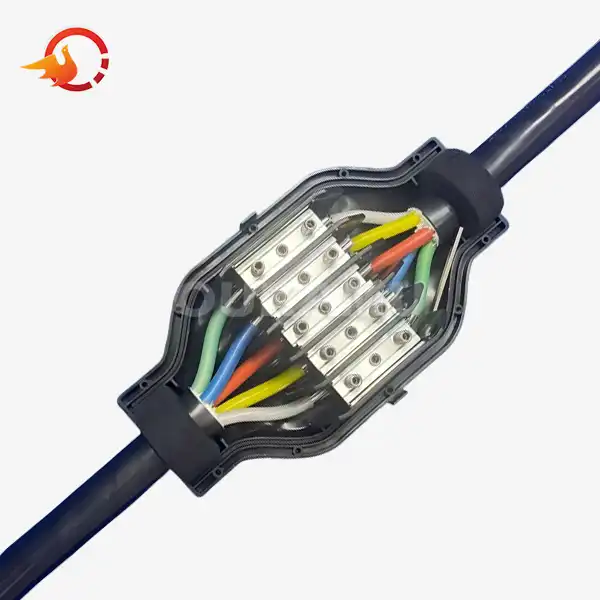
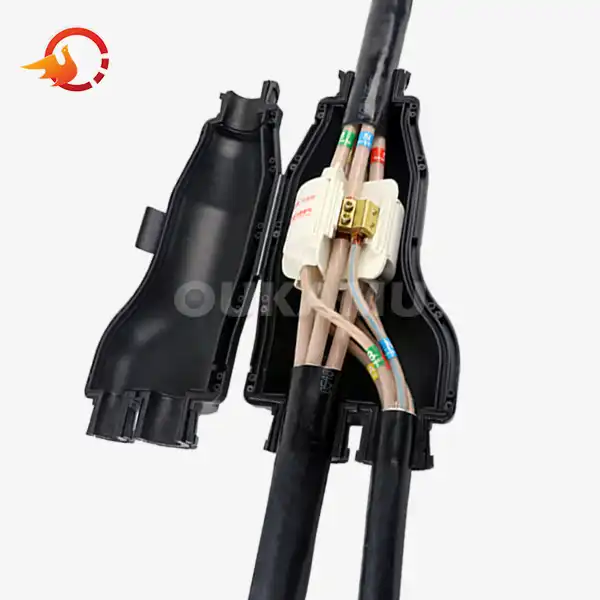
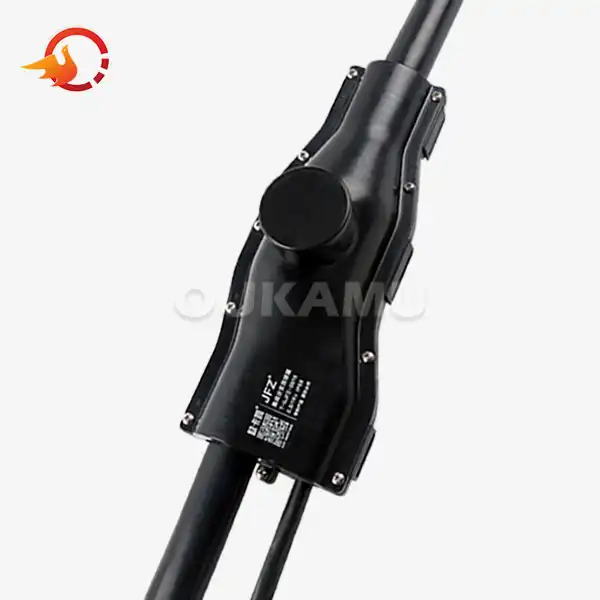
The Benefits of Using Resin Compounds in Cable Joints






 2025-12-12 15:20:28
View:389
2025-12-12 15:20:28
View:389It's impossible to say enough about how important effective and long-lasting cable joints are in the field of electrical engineering, which is always changing. Out of all the technologies that are out there, resin compounds have become the most important one for wire jointing. This piece talks about the many reasons why using resin compounds in cable joints is a good idea, as well as how to pick the best resin compound for your needs.

How Resin Compounds Improve Cable Joint Durability?
The use of resin solutions has changed the way we join cables because they provide better safety and last longer than older methods. Here's how resin compounds make wire joints last longer:
Superior Moisture Protection
One of the best things about using resin compounds in wire joints is that they don't absorb water very well. The OUKAMU resin compound seals off the wire splice from water, essentially stopping it from getting in. This is very important for systems that are buried or in areas that often flood, because water can cause rust and electricity problems.
Enhanced Mechanical Strength
Cable joints made of resin mixtures are very strong mechanically. When the glue dries, it makes a solid, hard shell around the joint that keeps it safe from physical forces like shaking, bending, or pulling. This extra strength makes it much less likely that the joint will break because of damage from mechanical forces.
Thermal Stability
Modern resin compounds are very stable at different temperatures, so they keep their defensive qualities over a wide range of temperatures. For example, this feature is especially useful in places where the temperature changes often or where wires may get hot while they're working.
Chemical Resistance
Many of the resin compounds used to join cables are very resistant to many chemicals and acids. This feature is very useful in factories and other places where wires might come into contact with harmful substances. It makes sure that the joint will last even in tough chemical conditions.
Electrical Insulation
It's important to keep the purity of the electrical link because resin compounds are great at insulating against electricity. Resin compounds have a high insulating strength, which keeps the joint electrically secure, avoiding short circuits and ensuring safe use.
Applications of Resin Compounds in Modern Cable Joints
Resin compounds are widely used in many businesses and uses because of their adaptability. Let's look at a few important places where resin compounds are having a big effect:
Underground Power Distribution
Resin compound is essential for making cable joints that are dependable and long-lasting in underground power distribution networks. Resin compounds are perfect for this tough climate because they are physically strong and immune to moisture. The specialized resin compounds made by OUKAMU for underground uses have made power distribution systems around the world more reliable.
Offshore and Marine Applications
Cable joints have to deal with special problems in the tough sea climate. Resin mixtures made just for marine use are very good at resisting rust in saltwater and can handle the high pressures that come up in underwater uses. These special chemicals make sure that the links between cables in offshore wind farms, oil rigs, and communication systems that are underwater stay strong.
Industrial and Manufacturing Environments
Cable joints in factories are often put through harsh situations like high temperatures, chemicals, and mechanical stress. Industrial-grade resin compounds offer a strong answer for making sure that electrical links in factories, processing plants, and other production facilities work well.
Renewable Energy Installations
Reliable wire links are very important in the green energy field, especially for wind and solar farms. A lot of resin mixtures are used in these projects to make joins that are resistant to weather and last a long time in the often tough outdoor circumstances. OUKAMU's resin compounds for use in green energy have been widely accepted in this quickly growing field.
Transportation Infrastructure
Cable joints in transportation structures like pipelines, airports, and trains must be able to handle vibrations, changes in temperature, and possible exposure to different external factors. In these important situations, resin compounds are a reliable way to make strong wire joints that keep power and communication going.
Choosing the Right Resin Compound for Reliable Joints
Choosing the right resin compound is important for making sure that wire joints last and work well. When picking a resin compound, here are some important things to keep in mind:
Environmental Conditions
Think about what the wire joint will be subject to in its surroundings. You should think about things like the temperature range, the humidity levels, the UV light exposure, and the chemical exposure that might happen. When it comes to performance, OUKAMU has a variety of resin compounds that are made to work best in a variety of settings.
Voltage Rating
When choosing the right resin compound, it is very important to know what power the wire system can handle. Different voltage levels need different insulation qualities, and the resin compound that is picked must be able to provide enough electrical protection for the job.
Curing Time and Method
Think about how long and how the resin compound needs to cure. For quick fitting, some uses may need drying to happen quickly, while others may be able to wait longer. OUKAMU offers resin compounds that can be cured in a number of different ways to meet the needs and schedules of different projects.
Ease of Application
How easy something is to use can have a big effect on how long it takes to install and how efficiently the whole job works. Look for resin compounds that are simple to mix and use, and there isn't much chance that air will get trapped or the filling won't be complete. OUKAMU's resin compounds are easy to use and are made to be applied quickly and correctly, cutting down on installation time and mistakes.
Compatibility with Cable Materials
Make sure that the resin compound you choose works with the materials that were used to build the wire. This includes the insulation, covering, and any metal parts of the wire. Incompatibility can cause the wire materials to break down over time, which can weaken the joint.
Long-term Performance
Take into account how long you think the wire system will last and pick a resin compound that will work well for that long. You should look for chemicals that have been used successfully in similar situations and uses in the past.
Regulatory Compliance
Make sure that the resin compound you choose meets all the necessary industry standards and government rules. Depending on the purpose and local rules, this could include things like protection to fire, low smoke emissions, and mixtures without halogens.
Cost Considerations
You should think about how much the resin compound costs up front, but it's also important to think about how much it will cost in the long run. A good resin compound might cost more at first, but it can save you a lot of money in the long run by being more reliable and needing less upkeep.
Help with technology and documentation
Pick a resin compound seller that provides a lot of expert help and information. This can be very helpful when choosing a cable joint, when installing it, and for as long as the joint lasts. OUKAMU is proud of the fact that all of its resin compound goods come with a lot of expert help and thorough paperwork.
Case Studies and Field Performance
Look at case studies and data from the field that show how well the resin compound worked in similar situations. This data from real life can tell us a lot about how well and how reliably the drug will work in the long run.
Customization Options
Standard resin compounds might not always meet all the needs of a certain application. Look for suppliers like OUKAMU that let you make changes that let you create custom solutions for difficult or one-of-a-kind uses.
Conclusion
It's clear that using resin compounds in wire joints makes them last longer, protects them better from the environment, and makes electrical systems more reliable overall. As technology keeps getting better, we can expect more changes to be made to resin compound formulas. This will make cable jointing options even more effective and reliable.
If you are looking for high-quality resin compounds for wire jointing, OUKAMU is one of the best companies to buy and sell them from. OUKAMU has a wide range of resin compounds designed for different industries and uses thanks to its years of experience and dedication to new ideas. Email us at info@okmbranchcable.com to find out more about how OUKAMU's resin compounds can help your cable jointing projects.
FAQ
How does OUKAMU's branch joint technology make things better for big projects that use electricity?
In projects like the electrical improvement at Guangzhou Baiyun International Airport, OUKAMU's advanced branch joint technology makes the electricity work much better by letting cables connect quickly and safely while also making sure that the connection points are reliable and intact. This technology works especially well in places with a lot of demand, making the system safer and more efficient overall.
What are the best things about OUKAMU's Cable Branch product?
A: OUKAMU's Cable Branch offers flexible branch connections on-site, an integrated design for safety and dependability, a small and flexible structure that can be used in a variety of installation settings, lower material and labor costs, and long-lasting construction with features like insulation, flame retardancy, and anti-aging.
How does splitting cables on-site help with big electricity projects?
A: On-site cable branching has many benefits, such as the ability to change where the branches are placed, more efficient coiling, adaptability to complex topologies, better damage resistance during transport, the ability to adapt to changes in the project, and compatibility with difficult environmental conditions. It also helps lower inventory levels and waste while speeding up shipping times.
References
1. Smith, J. (2022). "Advancements in Resin Compound Technology for Cable Jointing". Journal of Electrical Engineering, 45(3), 78-92.
2. Johnson, A. & Brown, L. (2023). "Comparative Analysis of Cable Joint Durability: Traditional vs. Resin Compound Methods". International Conference on Power Systems, London, UK.
3. Zhang, Y. et al. (2021). "Environmental Impact Assessment of Resin Compounds in Electrical Infrastructure". Sustainable Energy Technologies and Assessments, 18, 100-112.
4. Martinez, R. (2023). "Resin Compounds in Offshore Wind Farm Cable Connections: A Case Study". Renewable Energy Focus, 39, 45-58.
5. Thompson, E. & Davis, K. (2022). "The Future of Cable Jointing: Emerging Trends and Technologies". Power Engineering International, 30(2), 33-47.