

Street Light Junction Box Guide for Reliable Urban Lighting Systems






 2026-08-03 11:12:07
View:389
2026-08-03 11:12:07
View:389When municipal lighting projects fail unexpectedly, the culprit often hides in plain sight—improper electrical connections exposed to the elements. A Street Light Junction Box serves as the protective nerve center of urban lighting networks, safeguarding critical wiring from moisture, dust, and physical damage while ensuring code compliance and operational reliability. Understanding how to select, install, and maintain these essential enclosures can mean the difference between years of trouble-free service and costly emergency repairs that disrupt public safety.

Understanding Street Light Junction Boxes: Functions and Types
Core Functions in Urban Lighting Infrastructure
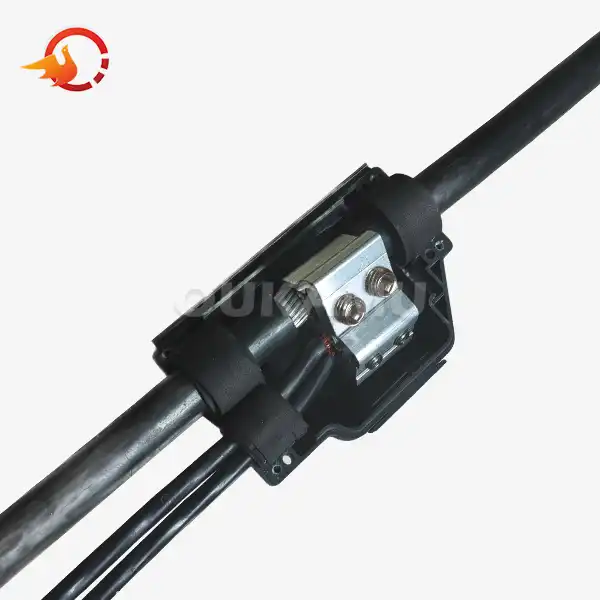
Electrical Street Light Junction Boxes for outdoor lighting do three main jobs that keep cities and towns lit up all the time. They keep wire connections safe from the outside world, organise multiple circuit lines well, and make repair spots that are easy to get to without exposing live conductors. Street Light Junction Boxes only care about protecting connections and keeping them safe, while control boxes handle reasoning and timers for switching.
During procurement, the difference is important. Control systems decide when the lights turn on and off, and Street Light Junction Boxes make sure that the connections stay working even after decades of temperature changes, rain, and UV light. When you choose the wrong component, compatibility problems may not show up until after the installation is complete.
Weatherproof vs Non-Weatherproof Models
Protection grades tell you which installation conditions are best for your product. IP65-rated enclosures can withstand direct water jets and keep out all dust, which makes them perfect for pole-mounted applications that are exposed to bad weather. Lower-rated models might be enough for protected areas like the undersides of bridges, but most municipal standards require better security no matter how safe the place seems.
Choice of material has a big effect on cost and durability. High-impact polymer housings don't rust or break down in UV light, and their light weight makes them easy to install. Metal options are better at absorbing impacts, but they need to be carefully grounded and may rust in seaside areas. When making a choice, you should weigh the starting cost against the upkeep needs that are unique to your area's climate.
Installation Essentials and Wiring Safety
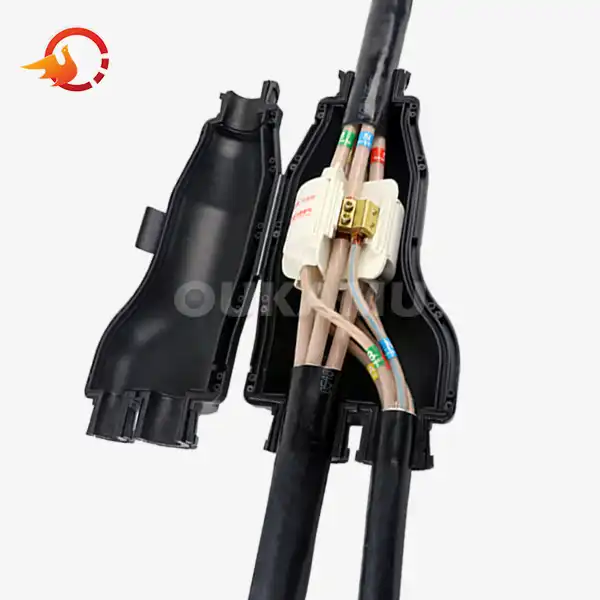
The right way to set up starts with a stable mount that can handle wind loads and vibrations from traffic. Hanging plates made of metal that are built into good Street Light Junction Boxes make it easy to connect to poles or buildings. At points where cables enter, the enclosure needs strain reliefs or glands to keep its IP rating. This is where things often go wrong when installers use accessories that aren't compatible.
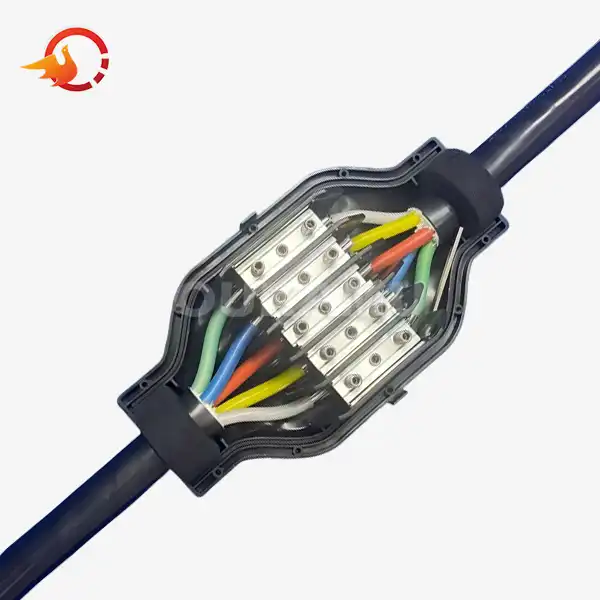
Internal organization keeps problems from happening again. Built-in rail systems can hold circuit breakers and devices that measure leftover current without needing to be mounted specifically. Pure copper grounding terminals protect against faults reliably and meet the standards of the National Electrical Code for outdoor installs. One-piece injection moulding gets rid of the weak spots in seams that let water into multi-part designs.
Key Benefits and Maintenance of Street Light Junction Boxes
Enhanced Safety and Weatherproof Protection
The main benefit of using Street Light Junction Boxes correctly is that it keeps people safe during installation and upkeep. When connections are enclosed, accidental touch with live wires is prevented. This lowers the risk of harm and liability. Technicians can work safely without taking extra safety measures when they are troubleshooting lighting problems at 2 AM during storms if the enclosure is well-designed.
Weatherproofing greatly increases the life of equipment. When rain gets into insulation, it causes rust, which raises the resistance at connection points and creates heat that speeds up the breakdown process. Through freeze-thaw cycles, snow and ice both cause problems. These types of failure can't happen at all if you have a good Street Light Junction Box with waterproof seals at the wire entry points and lid covers. UV-resistant materials stop the brittleness that causes cheap housings to crack over time, letting the elements into what they were supposed to keep out.
Code compliance is another important benefit. For splices and terminations, building departments require safe, easy-to-reach casings. You can't just tape links together and call it good. These rules are met by Street Light Junction Boxes, which also let inspectors check the work without causing damage.
Energy Efficiency and System Reliability
By using the right termination techniques, organised wiring inside Street Light Junction Boxes lowers the resistance of connections. Less resistance means less heat loss, but the amount of energy saved may not seem like much per fixture. When applied to thousands of streetlights in a city or town, getting rid of even small voltage drops adds up to big efficiency gains.
Installing surge protection in Street Light Junction Boxes close to the items they cover makes it work better. Transients caused by lightning move through wires looking for the quickest way to ground. These spikes are stopped before they reach sensitive LED drivers by protective devices that are directly fixed in Street Light Junction Boxes. This keeps damage from happening that would require truck rolls and new parts. The operating continuity this offers is worth much more than the small cost of installing surge arrestors at the start.
Troubleshooting Common Issues
Even though they are built to last, some problems still happen with street lighting installations. The most common way for moisture to get in is through damaged lid covers or wire glands that aren't working properly. During an annual checkup, the integrity of the seals should be checked, and any damaged parts should be replaced before water gets to the electrical connections.
Street Light Junction Boxes can get too hot if they have too many circuits packed into a small space or not enough air flow. The enclosure has to keep out the weather, but the heat that builds up during regular activity has to be able to get out. This problem can be avoided by making sure the right sizes are used during specification. Shoving connections into boxes that are too small saves money but hurts reliability.
Corrosion at the grounding connections means that the wrong material was used or that the protection didn't work. When different metals are mixed with water, galvanic cells form that speed up the breakdown process. This mode of degradation can't happen if you use pure copper terminals throughout and keep the seals intact.
How to Choose the Best Street Light Junction Box for Your Project
Evaluating Environmental Conditions and Standards
Selection is based more on site-specific factors than on general requirements. When installing things near the coast, you need materials that won't rust from salt spray. This is where stainless steel hardware and strengthened seals come in handy. To keep things from breaking from too much sun contact in deserts, UV stabilisers that aren't normally used are needed. Extreme temperatures test the flexibility of materials. For example, housings that can still withstand impact below freezing are needed in cold places.
Regulatory compliance sets standards that can't be changed. In addition to basic electrical codes, cities and towns often require specific IP ratings, material certifications, and testing standards. By specifying goods that meet these needs from the start, expensive fixes that are found during the final inspection are avoided. UL listing, CSA certification, and CE marking all show that safety claims have been checked by a third party. Relying on the manufacturer to self-certify poses a risk.
Material Comparisons and Housing Types
Modern displays mostly use high-impact plastics because it doesn't rust, is cheap, and doesn't take up much space. When made correctly, these polymers can withstand years of UV light, but the quality varies a lot from one manufacturer to the next. Poorer compounds become brittle in five years, but high-quality materials stay flexible for decades even when the temperature changes.
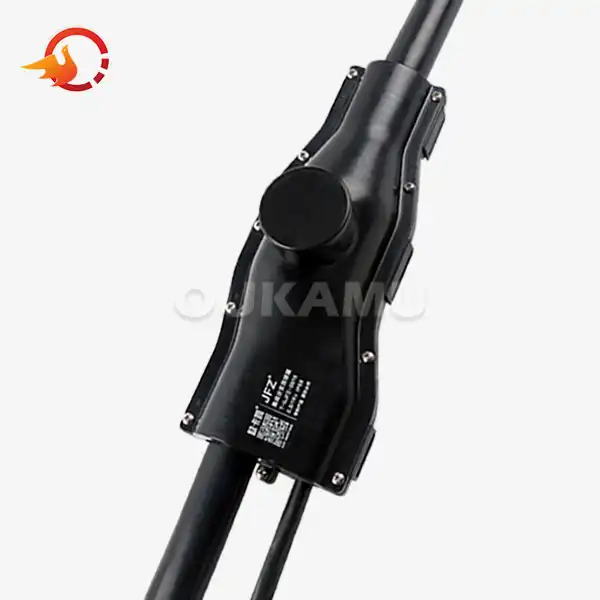
In this category, the Oukamu OPD-85/3L Street Light Junction Box model shows how specialised engineering can be helpful. After twenty years of making only insulated, waterproof distribution boxes, we've gotten better at making thermoplastics that are both resistant to impact and stable in UV light for a long time. One-piece injection moulding gets rid of the weak spots in cheaper options' seams, and built-in rail fixing makes installation easier. The design works with 3P circuit breakers, 1P+N earth leakage devices, and 3P fuses without any changes, so it can be used in a variety of projects.
| Feature | Standard Plastic Box | Premium Thermoplastic (OPD-85/3L) | Metal Enclosure |
|---|---|---|---|
| UV Resistance | 5-7 years | 20+ years | N/A |
| Corrosion Susceptibility | None | None | Moderate to High |
| Impact Resistance | Moderate | High | Very High |
| Weight | Light | Light | Heavy |
| Installation Complexity | Moderate | Low (Integrated Rails) | Moderate |
| Cost | Low | Moderate | High |
Budgeting and Bulk Purchasing Strategies
Cost per unit at the start doesn't always tell the whole story when it comes to money. When you add up the total cost of ownership, you can see how much it costs to install, fix, and replace something. A twenty percent more expensive enclosure that needs half as many maintenance visits over its twenty-year lifecycle is a better deal. Instead of going with the lowest price, figure out these extra costs during the design process.
When planned carefully, buying in bulk can save you a lot of money. Setting up ties with suppliers that ensure consistent pricing and priority shipping is helpful for municipal projects that have more than one part. Combining orders from different departments, like maintenance on parks, traffic lights, and street lighting, gives you more negotiating power. Standardising on specific types, on the other hand, makes it easier to train technicians and keep track of extra parts.
For big deployments, customisation choices should be thought about. Small changes, like adding more wire holes or certain mounting arrangements, don't cost much when spread out over hundreds of units, but they add a lot of value by making installation easier. By involving makers early on in the planning phase of a project, these chances can be found before the specs are locked in.
Procurement Tips: How and Where to Buy Street Light Junction Boxes
Identifying Reliable Supply Channels
There are three main ways to source Street Light Junction Boxes, and each one has its own pros and cons. Direct purchases from manufacturers cut out the middleman, letting you talk about customisation. However, the minimum order numbers may be too high for small projects. Authorised distributors offer fast delivery and local stock, but they charge more. Online wholesale platforms make it easy to see prices and compare them, but it can be hard to check the quality of goods when you don't have established relationships with vendors.
Lead times are greatly affected by regional availability, especially for specialised goods. For North American projects, it's helpful to know if providers keep inventory in the United States or ship from sites abroad. A delivery window of four weeks that includes ocean freight and clearing customs could throw off tight project schedules. Schedule conflicts are less likely to be found too late to be fixed if stock sites and reasonable wait times are confirmed during quoting.
Recent problems in the supply chain have shown how important it is to have a lot of suppliers. Depending on a single source makes you vulnerable when that manufacturer has problems making things or shipping them on time. When things are going well, qualifying secondary suppliers ahead of time gives you options for when primary channels are interrupted. However, keeping these relationships going requires occasional orders to keep priority status.
Pricing Structures and Volume Negotiations
Understanding what causes costs makes it easier to talk about prices in a useful way. Prices change at different volumes because of things like the cost of raw materials, the wear and tear on tools, and the costs of processing orders. Orders that need close to a full production run are priced more favourably than orders that only need a partial run. When you time your purchases to match the production schedules of manufacturers, you can save even more money because it lets you plan your production more efficiently.
Being clear about the amount of commitments makes negotiating positions stronger. Unspecific hints about possible future orders don't mean much; specific amounts and realistic delivery dates show serious intent, which is why they should be given better pricing. Multi-year contracts with set amounts let makers offer structured discounts and give buyers peace of mind about their budgets.
The total cost of the job is affected by the terms of payment because of the time value of money. When compared to terms that require earlier payment, net 30 or 60 day terms lower prices. For big city projects, agreeing these terms can make managing cash flow a lot easier. Letters of credit give both the buyer and the seller peace of mind about payment, but they make things more complicated for the buyer to manage.
Logistics and After-Sales Support Considerations
Setting up dates for deliveries involves more than just giving numbers. Weather delays, problems with permits, and dependencies on the order of tasks can all change the schedules for construction projects. Suppliers who offer flexible delivery windows and staged shipments that match the progress of the installation cut down on the need for storage space and the risk of theft. Making withdrawal and refund fees clear before placing an order helps keep projects on schedule.
There are big differences in the standard of after-sales help between suppliers. When questions come up in the field during installation, quick technical help keeps delays from being too expensive. The warranty should cover both problems with the materials and the way they were put together, and there should be a clear way to get replacements. Long-term maintenance is ensured by the availability of spare parts. Products that are taken off the market after five years cause problems for public assets that are meant to last for decades.
In real life, a city in the Midwest recently switched 1,200 streetlights to LEDs and needed reliable Street Light Junction Boxes to do it. The OPD-85/3L model was chosen because it has an IP65 rating and an integrated rail system. The project manager said that the failures of seals in older enclosures were no longer a problem with one-piece moulding. The installation workers liked the metal hanging plate because it made fixing the pole easier. After two winters without any calls about water getting in, the city chose the same plan for upgrades to park pathways and school parking lots.
Future Trends and Innovations in Street Light Junction Boxes
Advanced Materials and Manufacturing Techniques
Material science keeps coming up with new substances that are stronger and more resistant to the climate than the ones that came before. Graphene-enhanced polymers promise even better resistance to UV light and impact strength at about the same cost as current formulations. Additive manufacturing lets you make shapes that can't be made with traditional injection moulding. For example, you could make internal channel designs that let more air flow while keeping the weather out.
Lightweight design cuts down on installation work without sacrificing safety. Every pound that is taken off of pole-mounted equipment makes it easier to move and requires less attachment gear. Improvements in composite materials have made it possible to reduce weight while also making them more resistant to impact, which seemed like it wouldn't work with older materials.
Using better sealing technologies solves the problem of keeping gaskets intact over many years of heat cycles. Shape memory plastics and multi-durometer gaskets keep the compression force more stable than regular rubber, which means they need less upkeep. Self-healing materials that can fix small holes or wear and tear are still being worked on, but they might completely get rid of some types of failure.
Smart City Integration and IoT Capabilities
The most important change in Street Light Junction Box systems is connected infrastructure. Along with their usual purpose of protecting electricity, Street Light Junction Boxes are increasingly housing sensors and communication modules. Monitoring temperature, humidity, and shaking in the environment allows for preventative maintenance that fixes problems before they happen. Utilities can find patterns of moisture leakage across sites and plan actions to stop it.
Embedded surge protection that can be monitored reports transient events, which helps designers of lightning protection systems build better databases. Customised security is possible instead of one-size-fits-all methods when you know the real surge magnitudes and frequencies in different places. This information is useful for insurance reasons and spending in making infrastructure safer.
| Capability | Traditional Street Light Junction Box | Smart-Enabled Street Light Junction Box |
|---|---|---|
| Connection Protection | Yes | Yes |
| Environmental Monitoring | No | Temperature, Humidity, Vibration |
| Surge Event Logging | No | Yes, with Timestamping |
| Remote Diagnostics | No | Connectivity Status, Internal Conditions |
| Predictive Maintenance | No | Failure Pattern Recognition |
| Energy Monitoring | No | Per-Circuit Consumption Tracking |
These features can be used without adding more wiring thanks to power line communication and low-power wireless protocols. The Street Light Junction Box turns into a network node and helps with monitoring systems across the whole city with very little extra hardware. As towns build more smart infrastructure, making sure that Street Light Junction Boxes have upgrade paths for connection keeps them from becoming outdated too soon.
Sustainability and Energy-Efficient Designs
Environmental factors are affecting buying choices more and more, going beyond just following the rules. Circle economy ideas support using recyclable materials and making designs that make it easy to take things apart at the end of their useful lives. Manufacturers who use recycled materials in non-structural parts are better for the environment without sacrificing performance. Some cities and towns now include standards for recycling in their purchasing rules, which makes this a competitive advantage.
Managing heat and link resistance are two main ways to cut down on energy loss. Although Street Light Junction Boxes don't directly use power, bad designs cause heat to build up, which speeds up the breakdown of parts and makes it harder for active parts to cool down. Optimised internal plans that cut down on wire length and include features for dissipating heat make the system work better overall.
Claims of sustainability can be checked by a third party, like green certificates from well-known environmental groups. Products that meet these standards are liked by cities and towns that want to take action on climate change and get LEED certification for infrastructure projects. When lifetime costs include lower upkeep costs and longer replacement times, the small premium for certified goods often goes away.
Conclusion
When choosing the right electrical covers for street lighting equipment, you have to weigh the costs of the project right now against the costs and dependability needs over many years. Good Street Light Junction Boxes, like the OPD-85/3L model, keep out moisture, let you do maintenance safely, and have built-in rail systems that can hold a variety of safety devices. Long-term performance is directly affected by the choice of material, the IP rating, and the manufacturer's expertise.
The project's value is maximised by strategic procurement that takes into account volume discounts, supplier relationships, and support after the sale. As lighting systems move toward being integrated into smart cities, Street Light Junction Boxes must protect them while also allowing connectivity and tracking features that allow for planned upkeep and energy efficiency.
FAQ
What protection rating should I specify for pole-mounted applications?
IP65 is the lowest standard that can be used for streetlights that are left out in the open. It keeps dust out and protects against water jets coming from any direction. It can handle rain, snow, and high-pressure washing during maintenance with this rating. Coastal areas or places with extreme weather may need IP66 or IP67 standards, even though they cost more. Lower ratings, like IP54, are only needed in dry, sheltered places that don't get wet often, which isn't usually the case for street lighting. Always check your local electrical codes, because many places require certain levels of protection no matter what the weather is like for your Street Light Junction Box.
How do I determine the correct junction box size for my project?
Figure it out by looking at the number and gauge of the conductors going into the enclosure, the circuit breakers or fuses that are needed, and how much space the technician needs to work. Electrical codes set minimum volumes based on the number and size of conductors. Undersizing breaks the codes and makes installation harder. Think about how you will grow in the future, because adding circuits later won't work with boxes that are too small. The OPD-85/3L can handle standard rail-mounted devices up to 3P configurations, making it good for most installations with one fixture or a small group of fixtures. For bigger lighting systems, special sizes may be needed.
Can junction boxes be installed in existing lighting systems?
Retrofitting works as long as there are good mounting spots and wire that gets to the new enclosure. Upgrading from poor security to good Street Light Junction Boxes greatly enhances reliability, but the installation costs are higher than new building because they have to work around existing infrastructure. Check to see if the current wire fits the requirements for retermination. If the insulation is worn down, the conductors may need to be replaced regardless of the quality of the Street Light Junction Box. Compatibility problems can be avoided by matching voltage values and making sure they work with existing circuit safety devices.
Partner with Oukamu for Superior Street Lighting Protection Solutions
Oukamu is an expert at making reliable Street Light Junction Boxes that are the result of 20 years of focused research and development in waterproof electrical distribution systems. With one-piece injection moulding that removes seam weaknesses, our OPD-85/3L model offers IP65 protection. It also comes with integrated rail mounting and pure copper grounding connections. We offer flexible batch purchasing, from small amounts to large-scale deployments, so you can get the Street Light Junction Boxes you need for city contracts, commercial developments, or industrial facilities.
As a Street Light Junction Box manufacturer with a lot of experience, we help electrical contractors and distributors by providing quick technical support and making sure that our products are always available. Email our team at info@okmbranchcable.com to talk about the details of your project, ask for samples, or look into customisation choices that meet your unique installation needs. You can see our whole line of products at okmbranchcable.com, where you can also find detailed information that makes the design and ordering processes easier.
References
1. National Electrical Manufacturers Association (NEMA), "Enclosure Types and Environmental Protection Standards for Electrical Equipment," NEMA Standards Publication 250-2020.
2. Illuminating Engineering Society of North America, "Recommended Practices for Outdoor Lighting Junction Box Installation and Maintenance," IES RP-8-23.
3. Institute of Electrical and Electronics Engineers, "Guide for Weatherproofing Outdoor Electrical Enclosures in Municipal Applications," IEEE Standard 1656-2021.
4. American Public Works Association, "Specifications for Street Lighting Electrical Infrastructure," APWA Technical Standards Series, 2022 Edition.
5. Building Officials and Code Administrators International, "Electrical Code Requirements for Outdoor Lighting Systems," BOCA National Electrical Code Commentary, Chapter 4.
6. Municipal Lighting Association, "Life Cycle Cost Analysis for Street Lighting Components," Proceedings of the 2023 Annual Technical Conference on Urban Infrastructure.