

_1790150425011.webp)
Power cable joint connectors with highest durability ratings






 2026-07-15 10:51:20
View:389
2026-07-15 10:51:20
View:389When choosing electrical infrastructure parts, how long they last will decide whether your work lasts five years or fifty. Power Cable Joint Connectors with the best durability ratings use cutting-edge materials engineering and tried-and-true fitting methods to make sure that power transfer stays unbroken even when the environment is under a lot of stress. These connections keep the electrical integrity in industrial, business, and utility uses by keeping out water, extreme temperatures, and mechanical damage at key electrical junctions. When buying teams know what makes special connectors different from standard ones, they can make investments that save money on replacement costs over time and keep operations running as smoothly as possible.

Understanding Power Cable Joint Connectors and Their Durability
Power Cable Joint Connectors keep the transmission going while protecting the connection points from outside threats. They are the most important part of connecting two different cable sections. Industrial-grade Power Cable Joint Connectors must work consistently in harsh conditions with regular temperature changes, chemical exposure, and physical stress. This is different from simple wire nuts used in homes.
What Makes a Connector Truly Durable
Durability is more than just the quality of the materials used. It also includes the way the products are designed and how well they are made. Premium connectors combine several layers of protection, such as flame-resistant insulation, corrosion-resistant metals, and environmental seals, into unified systems that are designed to work in particular situations. Thermal tolerance and chemical resistance are based on the insulation materials, which can be silicone-based composites, rubber compounds, or epoxy resins. Conductive elements usually use copper alloys or aluminum formulations that are chosen for their high conductivity and high mechanical strength.
Branch Connection Technology Evolution
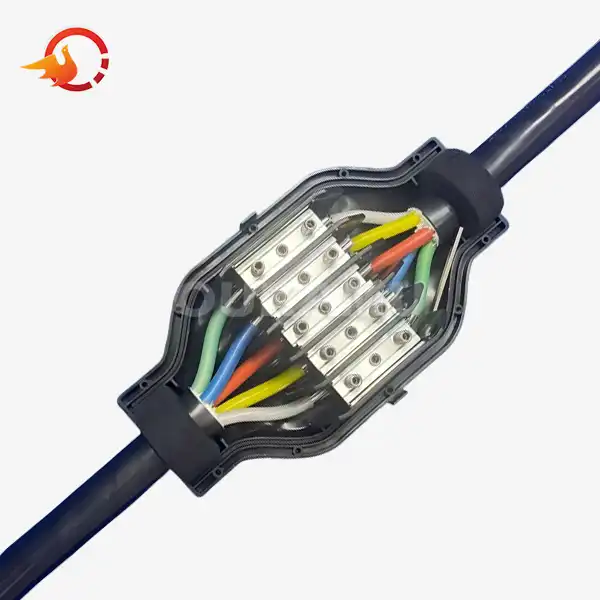
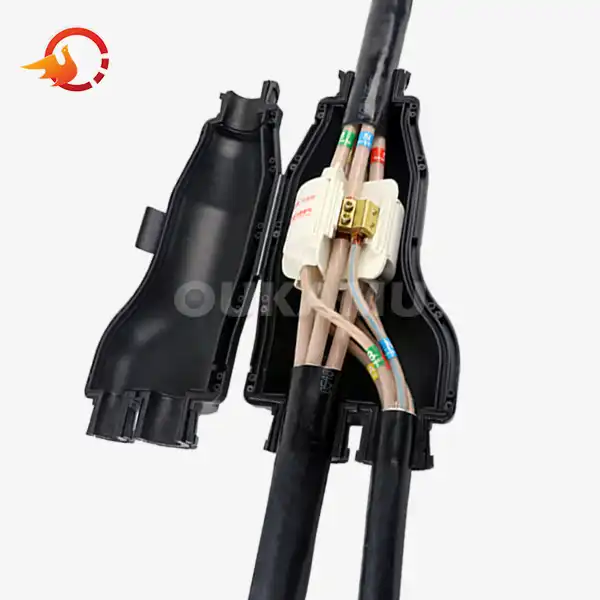
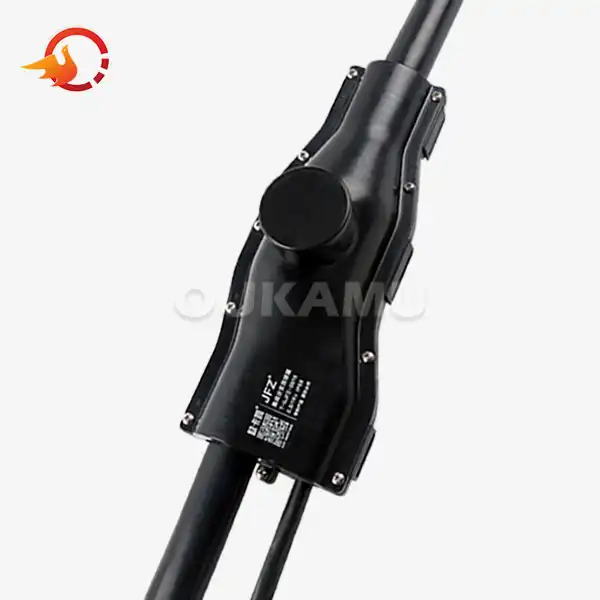
In the past, to add connectors, you had to cut the main cable, which created possible failure places and made future changes harder. This method has been changed by new branch Power Cable Joint Connector technology that lets you connect taps without cutting the main wires. This new idea is especially helpful for setups with a lot of branch points, because keeping the main wire connected greatly enhances the system's dependability. This new technology is shown by the ZR-JFZ-95/70 model, which can handle main lines from 35mm to 95mm and branch cables from 16mm to 70mm without blocking the main power path.
Top Durability Factors for Power Cable Joint Connectors
To figure out how long a Power Cable Joint Connector will last, you have to look at a number of performance factors that affect each other and affect the connector's real-world service life.
Environmental Protection Capabilities
One of the most constant threats to electrical lines is water. For outdoor installs or wet industrial settings, Power Cable Joint Connectors with an IP65 rating or higher are the best way to protect your wiring from water jets and dust. UV stabilization keeps the polymer from breaking down in uses that are exposed to the sun, and chemical protection makes sure that it can be used with industrial acids, oils, and cleaning products that are common in factories.
Mechanical Resilience Under Stress
Vibrations from nearby machines, cycles of heat expansion, and accidental physical impacts can all damage connection integrity. High-durability units have stronger strain relief structures that take on mechanical stress without sending harmful forces to electrical contact points. Tensile strength ratings show how well a Power Cable Joint Connector can handle pulling forces during installation and during its service life. This is especially important for uses with vertical wire runs or that move around a lot.
Compliance with International Standards
Certifications from well-known standards groups are an objective way to back up claims of success. The IEC 60502 line includes power cords and other parts, and UL listings show that they meet safety standards in North America. The GB/T 14048.7-2016 standard is very specific about low-voltage switchgear and controlgear devices. It makes sure that goods meet very strict Chinese national standards. Multiple certifications on Power Cable Joint Connector show that it can be used in a variety of foreign projects and that it is committed to quality across all legal systems.
Comparison of High-Durability Power Cable Joint Connectors on the Market
Different types of Power Cable Joint Connectors have different performance profiles because of the materials used and how they are installed. Knowing these differences helps buying teams match goods to the needs of specific applications.
Material Performance Characteristics
Silicone-insulated joints work great in hot places because they keep their flexibility and insulating qualities even at temperatures where regular rubber would break down. These units work well in places that naturally get hot or are close to heat sources. Resin-filled Power Cable Joint Connectors offer better mechanical protection and moisture barriers, which makes them perfect for uses that need to be underground or for harsh chemical conditions where complete sealing is very important. Integrated T-connectors are used in modern branch systems. They are made of flame-retardant and fire-resistant materials all over the insulated body, so there are no weak spots and full security.
Installation Method Impact on Longevity
Heat shrink technology makes very tight seals because when plastics materials are heated, they shrink around the wire surfaces and mold perfectly to the shape of the conductor. Installers who use this method carefully apply heat and prepare the surface in the right way will get very reliable connections that last a long time. Using pre-expanded elastomeric tubes held in place by detachable cores, cold shrink options get rid of the need for heat tools.
When you pull on the core, the tube contracts and grabs the wire, making installation easier in the field and providing reliable sealing against the environment. Mechanical Power Cable Joint Connectors that use compression fittings or bolted assemblies are reusable, which means that repair teams can separate and rejoin circuits without damaging the connection. This is a big plus for systems that need to be reconfigured on a regular basis.
Leading Technologies in the Market
Well-known companies like 3M were the first to use cold shrink technology and are still making progress in materials science for Power Cable Joint Connector uses. ABB and Siemens use their knowledge of how to distribute power to make connections that work best for large-scale systems. Xi'an Oukamu Electric is an expert in branch connection technology.
Over the past 20 years, they've come up with new ways to connect branches that don't require cutting major cables. Their ZR-JFZ-95/70 model is a real example of these ideas in action; it has a rated voltage of 0.6/1kV and a lot of safety features, such as being flame retardant, fire resistant, and waterproof. This method really helps with installation because it saves two to three meters of main wire per branch point and cuts down on work costs and installation time.
Installation, Maintenance, and Safety Best Practices to Maximize Durability
Even the best Power Cable Joint Connectors won't work right if they aren't put correctly or aren't taken care of during their working life. Premium goods are built to last, and they stay that way as long as you follow the installation instructions and do regular upkeep.
Critical Installation Procedures
Preparing the surface is the first step in making links that work. Cables need to be cleaned of any dirt or dust and their insulation needs to be taken off to exact measurements given by the makers. Conductor surfaces need to be checked for damage or rust that could make it harder for electricity to flow. Conditions in the environment during installation are very important, and the Power Cable Joint Connector must be handled with care to ensure that its mating surfaces remain clean and undamaged, as even minor contamination can compromise the long-term reliability of the entire connection.
For example, humidity levels above 85% or temperatures outside of recommended ranges can affect how well adhesives cure, how much they shrink, or how well they fit mechanically. The integrated design of modern branch connections makes this process easier because the main wire doesn't have to be cut. However, workers still need to make sure that the branch conductors are properly aligned and seated within the T-connector body.
Inspection and Maintenance Protocols
Visual checks that are planned ahead of time find early warning signs before they become fails. Maintenance teams should check the outside of the housing for cracks, coloring that means it's too hot, or signs of water getting in. Thermal imaging cameras pick up on strange patterns of heat that could mean that links are loose or there is too much resistance. In important situations, checking the Power Cable Joint Connector's insulation resistance on a regular basis shows how well it continues to stop leaking currents. Some types of Power Cable Joint Connectors can be used more than once, which makes checks easier because they allow non-destructive access to connection points. This is not possible with units that are forever sealed.
Safety Compliance During Service
After lockout/tagout steps, all installation and repair work must be done with the electricity properly disconnected. Personal protection equipment (PPE) needs depend on the voltage level, but for electrified work, insulated gloves, safety glasses, and arc-rated clothes are usually required. Documentation methods should keep track of when things were installed, what was found during inspections, and any upkeep that was done. This creates a service history that helps with future decisions and shows that regulations are being followed. Following both local electrical codes and foreign standards, such as IEEE 404 (cable joints and accessories), keeps people safe and makes sure the work is legal.
Procurement and Decision-Making Guide for Durable Power Cable Joint Connectors
When strategic buying is done, technical needs are weighed against budget limits, and the total cost of ownership is taken into account instead of just the original purchase price.
Essential Selection Criteria
The environment at the placement site determines the choice of material. For example, UV resistance and weatherproofing are important in outdoor settings, while chemical resistance or flame retardancy may be more important in industry settings. Voltage values must include a sufficient safety margin above working levels. 0.6/1kV Power Cable Joint Connectors are good for most low-voltage distribution tasks. Compatible cable sizes are a must; Power Cable Joint Connectors must be able to handle both the biggest main cables and the smallest branch cables in your system. The ZR-JFZ-95/70 standard, which includes 35-95mm main lines and 16-70mm branch cables, can be used in a lot of common distribution situations.
Economic Evaluation Beyond Price
The initial prices of the connection are only a small part of the total costs over its lifetime. Labor costs for installation often go over the cost of materials. This means that Power Cable Joint Connector models that cut down on installation time are still a good deal, even though they cost more per unit. Branch connectors that don't require cutting of the main cable save two to three meters of expensive main cable per connecting point.
At the current price of copper, these savings may be enough to cover the extra cost of the Power Cable Joint Connectors. Long-term costs are affected by how easy it is to do maintenance. Reusable connections lower repair costs when circuit changes need to be made. In production settings, downtime costs are much higher than the prices of parts, so using expensive connections to improve reliability is a very good deal.
Supplier Evaluation and Engagement
Suppliers with a good reputation offer full expert support, which helps buying teams with questions about specifications and problems with applications. Flexible buying options meet the needs of both ongoing projects and planning for future stock. These options include savings for large orders and sample options that let you try out the product before making any big promises. Reliable delivery keeps project schedules on track, which is especially important for building timelines with fines for missing milestones. When a manufacturer offers OEM services, it means they can meet specific needs that normal catalog goods can't. This is helpful for custom setups or integrating proprietary systems.
Conclusion
To choose Power Cable Joint Connectors with the best scores for longevity, you need to know how materials, design, installation methods, and operating environments all work together. Premium goods are worth the extra money because they last longer, need less upkeep, and have lower risks of downtime. Modern branch connection technology gets rid of the old trade-offs between freedom and dependability. This lets customization happen on-site without lowering security standards. When purchasing teams think about both long-term reliability and short-term cost, they build electricity infrastructure that works reliably for decades, not just years.
FAQ
What makes Power Cable Joint Connectors different from regular patch kits?
Unlike general-purpose splice kits, Power Cable Joint Connectors made for power uses have better insulation systems, higher current capacity ratings, and more environmental protection. Power connectors are very safe for electrical connections and have strong mechanical support that makes them good for long-term installs. Basic splice kits, on the other hand, are usually used for short-term connections or low-power tasks.
Can links be used again after being disconnected for maintenance?
Some types of mechanical connections, like fixed compression types and some advanced branch Power Cable Joint Connectors, can be used more than once. Most of the time, heat shrink and adhesive-sealed connections can't be used again because taking them off breaks the environmental seal. When circuit reconfiguration is planned, choosing reusable connection types lowers long-term repair costs, even if it costs more at first.
How do I make sure that outdoor projects are properly weatherproofed?
For most outdoor uses, choose Power Cable Joint Connectors with an IP rating of at least 65, and for submersion risk, choose connectors with an IP rating of at least 68. It is very important to carefully follow the manufacturer's fitting directions for the right way to prepare the surface and seal it. Set up regular checks to make sure the seal is still intact, especially after severe weather or mechanical changes close to the installation.
Partner with Oukamu for Superior Branch Connection Solutions
As an expert in branch cable connection technology for more than 20 years, Xi'an Oukamu Electric has come up with new ways to make installations easier while also delivering high durability ratings. Our ZR-JFZ-95/70 model is a great example of this skill because it protects against flames, fire, and water without cutting the main wire, which saves time, money, and materials on every installation.
As a reliable company that makes Power Cable Joint Connectors, we offer full OEM services that are suited to the needs of your project. You can talk to our expert team about your application, get product samples, or get reasonable quotes by emailing info@okmbranchcable.com or visiting okmbranchcable.com. For procurement teams and wholesalers, we offer a range of ordering choices, reliable supply lines, and quick customer service after the sale to protect your investment throughout the lifecycle of the product.
References
1. Anderson, P.M. (2021). Electrical Power Distribution Systems: Design and Analysis. CRC Press, Technical Engineering Division.
2. International Electrotechnical Commission. (2020). IEC 60502 Series: Power Cables with Extruded Insulation and Their Accessories. Geneva: IEC Publications.
3. Thompson, R.J., & Martinez, L.K. (2022). "Material Durability in Low-Voltage Cable Accessories: Comparative Analysis." Journal of Electrical Engineering and Technology, 17(4), 2156-2171.
4. Wang, S.H. (2019). Cable Joint Technology for Power Distribution Networks. China Electric Power Press, Beijing.
5. Wilson, D.T. (2023). "Total Cost of Ownership Analysis for Electrical Distribution Components." IEEE Transactions on Power Delivery, 38(2), 1024-1035.
6. Zhang, Y.F., & Liu, Q.W. (2021). "Branch Connection Methods in Urban Power Distribution: Performance and Reliability Assessment." International Journal of Electrical Power Systems, 44(3), 387-402.