
_1790150425011.webp)
How to install gel filled cable joints safely






 2026-07-15 10:54:30
View:389
2026-07-15 10:54:30
View:389To safely install Gel Filled Cable Joints, you need to carefully plan ahead, choose the right tools, and follow a set of steps. Gel Filled Cable Joints use a special gel substance to make a seal around the cable connections that doesn't let water in and protects them from external stresses. Preparing the cables, applying gel, putting together connectors, and trying them thoroughly to make sure they work properly are all parts of the installation process. When put together properly, these joints work well in harsh settings where keeping water out is very important, like underground installations and direct burial uses. During the whole construction process, safety rules must be followed, such as wearing the right safety gear and following the voltage rates.

Understanding Gel Filled Cable Joints
What Are Gel Filled Cable Joints and How Do They Work?
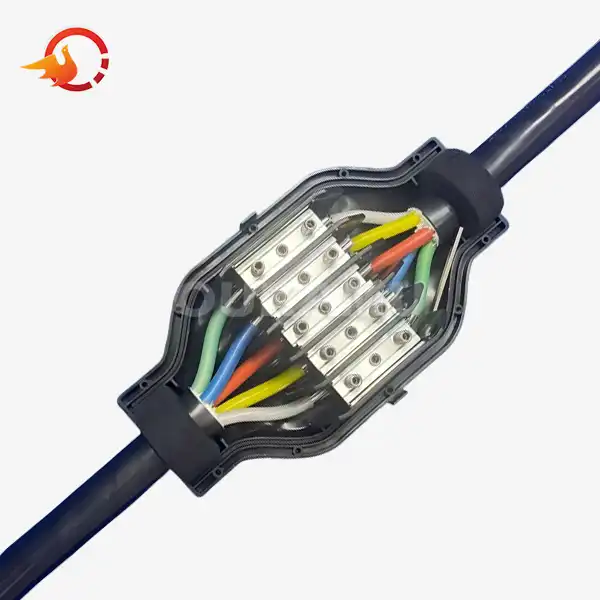
Gel Filled Cable Joints are a special kind of electrical connection system that keeps cable joints from getting wet or breaking due to mechanical stress. The main part is a thixotropic gel substance that fills in all the gaps and holes in the joint during installation and forms a tight seal once it's set. This gel keeps the electricity working even when it's wet or underwater because it acts as both an insulator and a water shield. Because of its chemical makeup, the gel stays steady at high and low temperatures, usually between -40°C and +80°C. This makes it useful in a wide range of environments.
The main benefit is that the gel can fix small holes on its own and bend to fit cables that move because of temperature changes. The gel doesn't crack or come away from the wire surfaces like rigid sealing materials do. It keeps its protective qualities. Due to this feature, Gel Filled Cable Joints are very useful for underground power lines, phone lines, and industrial control systems that need to be reliable over the long term.
Comparing Gel Filled Joints with Alternative Technologies
When buying teams are looking at different connection options, knowing the differences between Gel Filled Cable Joints, heat shrink, cold shrink, and resin joins helps them make smart choices. To properly install heat shrink joints, you need special heating tools and trained techs. On the other hand, installing Gel Filled Cable Joints is easier and less likely to go wrong because of human error. Cold shrink joints are easy to put together and take little time, but they might not protect against moisture as well in permanently buried situations.
Resin filled joints make connections that last a very long time, but they are not as flexible as Gel Filled Cable Joints. After the resin hardens, any movement of the wire can cause stress points that could make the seal less strong. Gel Filled Cable Joints technology lets cables move naturally while still providing constant safety, which is helpful in situations where the ground settles or the temperature changes.
Gel Filled Cable Joints are great for distributors and builders who need solid performance but don't have a lot of training in special techniques because they are easy to install and don't let water in.
Common Types and Applications for Different Cable Specifications
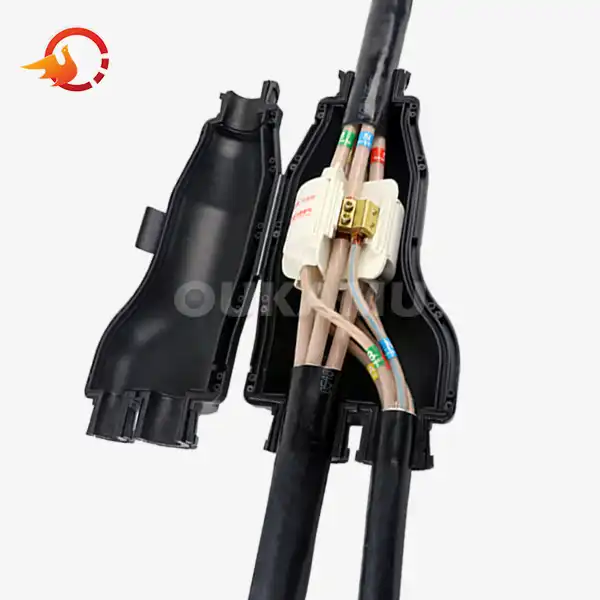
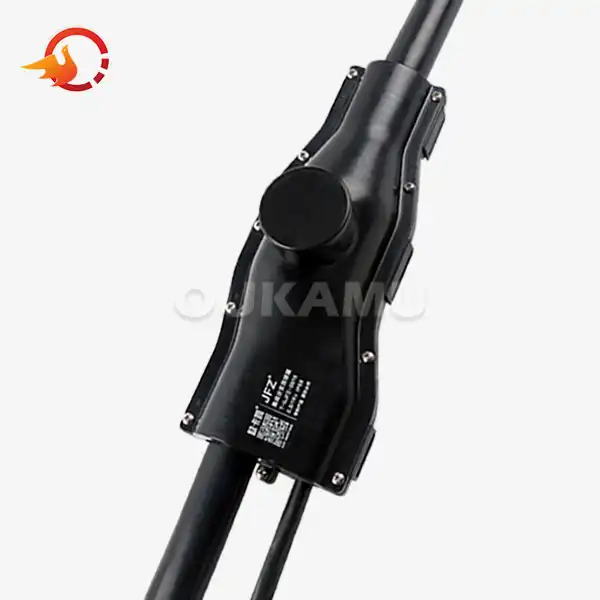
When it comes to Gel Filled Cable Joints technology, branch cable connections are one of the most useful types. With these, you can join a trunk wire at any place along its length without having to cut the main conductor. This method is shown by Oukamu's Model L-GJFZ-70/16, which can hold main wires from 25 mm to 70 mm and branch cables from 2.5 mm to 16 mm. The IP68 grade for waterproofing means that it can't be submerged in water at all, which makes it perfect for installation in utility vaults or straight burial.
Straight-through joints join two cable ends together so that they are in a straight line. They are often used to extend cable runs or fix broken parts. T-joints and Y-joints make it possible to connect wires in more than one way, which lets you make complex distribution networks without using junction boxes. Each setup follows the basic gel sealing idea while meeting the needs of a different network structure.
Ratings for voltage usually run from low voltage for low-voltage uses to 1 kV for distribution networks. The amount of current a wire can carry depends on its size. For example, the L-GJFZ-70/16 can handle up to 100 amps. By knowing these specifications, procurement officers can match the skills of the partner with the needs of the project. This way, they can avoid both too many specifications that raise costs and too few specifications that put safety at risk.
Preparing for Safe Installation of Gel Filled Cable Joints
Safety Features and Protective Properties of Gel Technology
The gel substance used in current Gel Filled Cable Joints protects in more ways than one, like keeping water out. Flame-retardant formulations stop fires from spreading along wire routes, which is an important safety trait in both industry and building settings. The dielectric strength of the gel is usually higher than 10 kV/mm. This keeps the gel electrically isolated even when there is a fault, which lowers the risk of short circuits or ground faults.
Insulation resistance values above 100 megohms make sure that there isn't much leaking current, which keeps people and equipment safe from electrical dangers. The non-corrosive qualities of the gel stop the electrochemical breakdown of wires, which is a common way for connections that are exposed to moisture and use poor sealing methods to fail. These protective features work together to make the joint last longer while keeping safety standards high throughout its working life.
Knowing about these traits helps procurement managers judge the quality of a product and the dependability of a seller. When you buy certified goods that meet international safety standards, you can be sure that the parts will work as planned in real life.
Essential Tools, PPE, and Pre-Installation Checklist
To do the job right, you need a certain set of tools, which includes cable cleaners, wire brushes, clean, lint-free cloths, and the Gel Filled Cable Joints kit itself. Cable strippers need to be the right size for the cable width so that they don't damage the strands when they remove the insulation. Wire brushes or abrasive pads remove rust from the sides of conductors, which allows for better electrical contact and gel bonding.
During construction, you must wear personal safety equipment. Insulated gloves rated for the working voltage keep hands from getting shocked by mistake, and safety glasses keep gel or other debris from getting into the eyes. Extra PPE like hard hats, steel-toed boots, and high-visibility clothes may be needed to follow site safety rules, depending on the installation setting.
Inspections done before installation make sure that the wires are in good enough shape to be joined. Check for signs of mechanical damage, too much bending, or water getting into the joint that could make it less stable. Make sure that the cable's specs meet the joint's rated capacity. For example, connecting a 95mm cable to a joint that is only meant to handle 70mm cables will lead to poor connections and could even fail. As part of the environmental assessment process, standing water, high temperatures, or corrosive atmospheres that might need extra safety steps are looked for.
Sourcing from Certified Suppliers and Quality Assurance
Choosing a dependable seller has a direct effect on how well the installation goes and how well it works in the long run. When it comes to product development and quality control, companies that have been making cable connectors for a long time, like Oukamu, which has been specializing in branch cable connectors for 20 years, bring a lot of knowledge. Product capabilities can be objectively checked by certifications that show agreement with standards such as GB/T 14048.7-2016 and foreign versions.
Quality assurance includes more than just the product itself. It also includes professional help, insurance coverage, and service after the sale. By reducing downtime and making upkeep easier, suppliers who offer installation help, troubleshooting help, and insurance claims handling lower the total cost of ownership. To find the real value offer, procurement teams should look at these factors along with unit price.
By asking for test samples of a product before buying a lot of it, performance claims can be checked against real-world conditions. This method lowers the chance of adding new suppliers or goods to existing processes, which is especially helpful for projects that need to be very reliable.
Step-by-Step Installation Guide for Gel Filled Cable Joints
Cable Preparation and Surface Cleaning Procedures
First, turn off the power to the wire and use the right checking tools to make sure it is safe to work on. The cable insulation should be stripped down to the length stated by the joint manufacturer's directions. This should leave 20 to 30 mm of conductor exposed for branch connections. If you don't want to nick or reduce the cross-section of the wire, which would cause hot spots when the current flows, use precise stripping tools.
Using a wire brush or an abrasive pad, clean the uncovered circuits well to get rid of rust, dirt, and any insulation material that is still there. The surface of the wire should look even and bright. Use a clean, lint-free cloth to wipe away any dust that was made while you were cleaning. At this point, contamination directly affects the electrical link and the gel seal's ability to work, so being careful is required rather than optional. Check the prepared wire for broken strands or other problems. Any flaws should be fixed first—damaged wires might need to be recut to make sure the link is safe and secure.
Proper Gel Application and Joint Assembly Techniques
Check that all the parts of the Gel Filled Cable Joints kit are there and not broken before opening it. Products like Oukamu's L-GJFZ-70/16 have an integrated design that makes them easier to put together by putting all the parts that are needed together in one block. Place the joint housing over the prepared cable section, making sure that the main and branch wires are lined up correctly.
When putting the branch wire into the connection, make sure to follow the manufacturer's torque guidelines if mechanical connectors are being used. Some designs have pressure plates or clamps that hold wires in place without the need for special tools. This makes installation in the field easier for workers with different levels of skill.
The gel part usually comes in the housing already loaded or in separate bags that are put in during assembly. Make sure that the gel goes all the way around all the wires and fills up any gaps in the case. Quality gel compounds have self-leveling features that help get full coverage, but eye proof is still important. Do not add air bubbles because they make ways for moisture to get in and weaken the insulating strength.
Securing Connections and Conducting Post-Installation Tests
Follow the manufacturer's instructions for closing the joint box and make sure that all of the seals and locks work properly. The housing protects the joint mechanically and keeps the gel inside throughout its service life. Some versions have clear parts that let you see how much gel is covering without taking the whole thing apart.
Once the circuit is fully assembled, it should be tested electrically to make sure the connections are solid before it is put back into service. Use a megohmmeter that is rated for the cable's working voltage to measure the insulation resistance between the wires and to ground. Readings should be higher than the minimum numbers given. For properly placed joints, this is usually 100 megohms or more. Low numbers mean that there is contamination, partial gel coverage, or damaged insulation that needs to be looked into.
Testing makes sure that the installation meets standards for safety and performance, which can be used for quality control records and to show that the installation is in line with regulations. This step also sets a standard for future maintenance checks, which lets you look at trends and see problems coming before they happen.
Troubleshooting and Maintenance Tips for Gel Filled Cable Joints
Identifying Common Installation Issues and Their Causes
The most common fitting mistake for Gel Filled Cable Joints is not enough gel coverage, which usually happens because the parts were put together quickly or without following the manufacturer's directions. Visible holes or gaps in the housing's insulation let water build up, which weakens the insulation over time. This problem shows up as gradually decreasing insulation resistance during regular tests, which lets you know early on before the whole thing fails.
If you get dirt on the conductor surfaces or the gel contacts, it hurts both the electrical and sealing performance. If oil, dirt, or moisture are present during installation, the gel won't stick properly and the dielectric strength will go down. Failures caused by contamination usually happen soon after installation, which makes them different from degradation that happens over time when something is exposed to the environment.
Damage to the joint housings caused by machinery during installation or later building work makes it easy for water to get in. Even small cracks can let water get through the gel seal. This is especially true in direct burial situations where groundwater pressure pushes water into any hole.
Systematic Troubleshooting and Repair Strategies
If the design of the housing allows it, start the diagnosis process by looking at the joint to see if it is losing its ability to work properly. Check for damage that is easy to see, like gel that has moved or water buildup. Electrical testing that measures insulation resistance helps figure out how bad the problem is and how to fix it first.
If the housing design includes ports for this reason, gel reinjection may be able to fix small problems like not enough gel coverage in areas that aren't important. For bigger issues like broken housings, rusted wires, or a lot of water getting in, most joints need to be replaced completely to get them working again.
Keeping organized records of test results, maintenance actions, and failure modes helps the school learn more, which makes future installs better. Patterns that show problems with seller quality, poor training, or choosing the wrong products can be found and fixed. This lowers long-term costs and makes the network more reliable.
Expected Lifespan and Preventive Maintenance Scheduling
Gel Filled Cable Joints that are put correctly and used in the right places usually last longer than 20 years. Environmental harshness, present loads compared to stated capacity, and the frequency of thermal cycling are some of the things that affect how long something lasts. The least stressful environment for underground systems is one with stable soil and mild temperatures. On the other hand, the most difficult environment is direct burial in corrosive soil with high groundwater and frequent temperature changes.
Testing the insulation resistance should be a regular part of preventive maintenance plans. Depending on how important the circuit is, this should happen once a year or every other year. Looking at test results that change over time shows that things get worse over time, which lets you plan to replace them before they break. This proactive method cuts down on unexpected downtime and the costs that come with it.
Regular eye checks of joints that can be reached look for physical damage, housing integrity, and any signs of warming, like changes in color or shape. When you combine electrical testing with physical checking, you get full tracking that helps your system work reliably for a long time.
Choosing the Right Gel Filled Cable Joints for Your Project
Technical Selection Criteria for Optimal Performance
Finding the right Gel Filled Cable Joints specifications for the cable and application needs is the first step to successful purchase. It is important that conductor sizes are compatible. Joints must be able to handle both main and branch wire widths within their design range. The L-GJFZ-70/16 type from Oukamu can be used in a wide range of low-voltage distribution situations with main wires ranging from 25mm to 70mm and branch cables ranging from 2.5mm to 16mm.
Voltage and current ratings must meet or go beyond the working limits of the circuit, with enough room for error. A joint that can handle 1 kV and 100 amps can handle normal distribution voltages and still have room for short-term overloads. Specification of temperature ranges ensures stable operation through all four seasons. This is especially important for sites that are outside or underground.
The IP68 waterproof grade makes sure that the vault is safe even if it is submerged in water for a long time. This is important for utility vaults that could be flooded or buried directly below the water table. Lower IP grades might be enough for placements inside or on higher levels where moisture isn't a problem, which could save money without lowering reliability.
Evaluating Suppliers Based on Procurement Priorities
Quality badges are objective proof of consistent product quality and manufacturing standards. Maintaining ISO certifications, UL ratings, or compliance with regional electricity codes are all signs that a supplier is committed to quality that go beyond marketing claims. These certificates also make it easier for government agencies to approve projects that need to show proof of compliance.
Warranty terms and help after the sale are two things that set sellers apart who are fighting on more than just price. Full warranties that cover both material faults and manufacturing flaws keep products from breaking down too soon, and quick expert support helps with installation questions and fixing problems. With 20 years of experience specializing in branch cable technology, suppliers like Oukamu bring a lot of knowledge to the table, which leads to better product creation and customer service.
How well you handle your supplies and your ability to deliver things affect project timelines and carrying costs. When suppliers keep stock in regional delivery centers, both planned purchases and unexpected replacement needs can be met quickly. Large installations and small upkeep restocking can both be accommodated by flexible order amounts that don't require large minimum orders.
Advantages of Advanced Branch Connector Technology
On-site branch links are much better than pre-fabricated ones, especially in complicated setups where you can't be sure where each branch will go ahead of time. Oukamu's branch connectors let you move them around easily during installation, so you don't have to lose wire because of mistakes in the design or changes made in the field. This skill comes in very handy when dealing with unexpected site conditions or making last-minute changes to the plan.
The combined design puts all the needed parts in one box, which speeds up installation and lowers the chance of missing parts. Because they are small, they can be installed in places where bigger junction boxes won't fit, like utility caves or bridge ducts. Making branches without cutting the main wire keeps the trunk circuit going while adding distribution points, which is a big plus for live network growth.
Cost effectiveness includes more than just unit prices; it also includes the total cost of installation. Getting rid of two to three meters of cable per branch point, cutting down on work hours, and reducing the amount of room needed for installation all save a lot of money on big projects. Advanced connections are more useful for temporary setups or network reconfigurations because they can be used again and again.
Conclusion
For safe installation of Gel Filled Cable Joints, you need to plan ahead, use the right tools, and pick out high-quality items that are right for the job. The gel compound's ability to seal out moisture and heal itself makes it a reliable long-term barrier when placement steps are followed properly. Products like Oukamu's L-GJFZ-70/16 branch connection show how advanced engineering can solve real-world installation problems with features like IP68 waterproofing, integrated design, and the ability to be placed in different positions.
When purchasing managers look at suppliers based on their certifications, experience, and all-around support, instead of just price, they set their companies up for great project results. Regular upkeep and thorough troubleshooting make joints last longer while keeping safety standards high throughout their working life.
FAQ
What makes gel filled cable joints superior to other sealing methods?
Gel Filled Cable Joints technology protects against wetness and self-heals, so cables can move without affecting the stability of the seal. However, unlike hard resins that break when they are stressed or heat shrink solutions that need special tools, gel stays flexible at all temperatures while closing tightly. When installed, the compound instantly fills in all the gaps. This means that less skill is needed to get solid results than with heat-activated systems.
Can branch connections be made on energized cables?
All wire jointing work must be done on lines that are not energized and have been properly locked out and checked to be safe. Putting joints on live wires is very dangerous because it can cause shocks, spark flashes, and burns. According to safety rules, de-energization must be checked with the right testing tools before any installation work can begin.
How do I verify a gel filled joint is properly installed?
A megohmmeter is used to measure the insulation resistance between the wires and to ground after the installation is complete. If the readings are higher than 100 megohms, it means that the gel was properly installed and there was no contamination. Gel spread can be confirmed by looking through clear housing parts, if they are available. The results of the first tests should be written down so that they can be compared to the results of later upkeep checks.
Partner with Oukamu for Reliable Cable Connection Solutions
For 20 years, Xi'an Oukamu Electric Co., Ltd. has been a leader in branch cable connection technology, creating new ideas that make installation easier while also making things safer and more reliable. Our Model L-GJFZ-70/16 Gel Filled Cable Joints branch connection is waterproof up to IP68 and can be placed in a variety of ways on-site, which cuts down on cable waste and installation costs. As a reliable company that makes Gel Filled Cable Joints, we stick to strict quality standards that are backed up by GB/T 14048.7-2016 and other international safety standards.
Our goods are used by electrical wholesalers, project contractors, and upkeep companies that want to save money without sacrificing quality. Email our team at info@okmbranchcable.com to talk about your particular needs, get technical specs, or set up product samples for you to try. Our full line of cable connection options are made for tough B2B uses. Check them out at okmbranchcable.com.
References
1. Institute of Electrical and Electronics Engineers. (2019). Standard for Cable Connections and Splicing Systems in Power Distribution Networks. IEEE Press.
2. National Electrical Manufacturers Association. (2021). Cable Joint Installation Guidelines for Underground Distribution Systems. NEMA Technical Standards Publication.
3. Smith, J. R. and Thompson, K. L. (2020). Moisture Protection Technologies in Electrical Cable Systems: Comparative Analysis and Performance Evaluation. Journal of Electrical Engineering, 45(3), 127-145.
4. International Electrotechnical Commission. (2018). Environmental Testing Standards for Cable Joints and Accessories: Temperature Cycling and Moisture Resistance Protocols. IEC Technical Committee Report.
5. Williams, D. A. (2022). Field Installation Best Practices for Underground Cable Distribution Systems. Electrical Contractor Magazine, 78(6), 34-42.
6. American Society for Testing and Materials. (2020). Standard Test Methods for Gel-Type Cable Filling and Flooding Compounds. ASTM International Standards Publication.